1981 STATISTICAL REPORT
“My heart is warm with the friends I make
And better friends I’ll not be knowing
There isn’t a [bird trip] I wouldn’t take
No matter where it’s going!”
(with apologies to Miss Millay)
The year of 1981 will be remembered for its vagrant gypsy life. Bird gypsies, like the Sandwich Tern, encountered the BBC at Plymouth Beach. This crested beauty increased our life list to 375 species, or grand-totaled the list of identifiable birds seen by us to 397.
Bird-watcher gypsies wandered far from the planned trip areas, driving speedily to remote corners of the state for special attractions.
And then there were the moth gypsies. Vast regions of Massachusetts were munched to barren wintry-ness by the advancing hoards of caterpillars. At Great Meadows, the parking lot was criss-crossed by multitudes of them, while the sound of their eating and dropping was amazing. One member said she never appreciated the Blue Jay so much until she saw him poke some of the furry demons.
Like the birds we watched in 1981, the annual count for the past season is up in the air and hovering around 300. Our leaders reported 282 check-listed Massachusetts sightings and 18 write-ins (two of which may have been escapees). Four historically recognized species, Bullock’s Oriole, Kumlien’s Gull, Ipswich Sparrow, and Blue Goose were also seen. And then came the phalarope controversy. At sea on August 28rd many members viewed a flock of these birds on the water. Photographs were taken. What kind they were is still a matter of conjecture. The leader listed one as Red Phalarope, and so the record stands. Some thought the whole flocks were Reds and others felt all were Northerns. This is what makes birding such a challenge and gives us spirited adventures. Most of us would miss the fun of an occasional puzzler!
For your remembrance, the list of write-ins follows:
Varied Thrush Montgomery 1/11
Lesser Black-backed Gull Nantucket 2/28
Hoary Redpoll Plum Island 3/1
White-fronted Goose Plum Island 5/2
Brewster’s Warbler West Newbury 5/16
Summer Tanager Newton 5/17
Blue Grosbeak Mt. Auburn 5/18
Clay-colored Sparrow Mt. Auburn 5/19
Kentucky Warbler Martha’s Vineyard 5/22
Chuck-will’s Widow Martha’s Vineyard 5/23
Sandwich Tern Plymouth Beach 5/30
Northern Raven Mt. Greylock 6/5
White Pelican Plum Island 6/7
Prothonotary Warbler Plum Island 8/29
Egyptian Goose Plum Island 9/12
Black Vulture Eastham 10/4
Brewer’s Blackbird Marshfield 10/24
Ruddy Shelduck Plum Island 10/24
Our 1980 report was increased to 301 species, long after the report was published. Someone remembered a Western Kingbird from a trip that was never reported. Please mail your field cards to me. There’s no telling what bird may be missed, or what early record will be lost when you fail to file.
During 1981 the BBC scheduled 232 field trips. Reports were obtained from 80 all day, 92 morning, 18 afternoon, 20 evening, four weekend, and three boat trips. Three trips were weather cancelled. Lacking four day, 11 morning, one afternoon, and one boat trip report, this summary is based upon 212 BBC events.
Seen in 1980, but missed in 1981 were 15 species, namely:
Arctic Loon Fork-tailed Flycatcher
Western Grebe Ash-throated Flycatcher
Clapper Rail Gray-cheeked Thrus
American Avocet Northern Shrike
Curlew Sandpiper Loggerhead Shrike
Black Skimmer Orange-crowned Warbler
Thick-billed Murre Hooded Warbler
Lark Sparrow
Please notify me if you can document any of these on a 1981 Massachusetts trip.
Gains over 1980 included the following:
White-fronted Goose Pomarine Jaeger
Egyptian Goose* Sandwich Tern
Ruddy Shelduck* Boreal Chickadee
Black Vulture Varied Thrush
Goshawk Brewer’s Blackbird
Red Phalarope Hoary Redpoll
White Pelican Red Crossbill
*Perhaps these escaped, but were highly enjoyed.
Our Newburyport trips continued to lead the tally, as 48 meetings there listed 250 species. Not reported were Canvasback; King and Clapper Rail; Woodcock; Purple Sandpiper; Marbled Godwit; Kittiwake; Arctic, Roseate, Royal, and Caspian Tern; any alcid; Barred Owl; Alder, Least, and Olive-sided Flycatcher; either shrike; Dickcissel; and Seaside, Vesper, Clay-colored, and Lincoln’s Sparrow.
Our two Nantucket visits gave us 146 species. The February excursion found 71 species including 35 Redheads, 2100 Kittiwakes, 69 Razorbills, Snowy and Short-eared Owls, and the Lesser Black-backed Gull. In October, 126 species were logged despite windy, cool weather with scattered showers. There was a sole Cory’s Shearwater, a late American Oystercatcher, eight raptor species (including a Peregrine), and 13 varieties of Sparrows, plus a Dickcissel.
From Ipswich comes some of our best reporting. The 129 species listed included Rusty Blackbird flocks in April, six Cattle Egrets at Maplecroft Farm, nesting Red-tailed Hawks, White-eyed Vireo, 16 Warbler species, Orchard Oriole, and 300 Snow Buntings. No Piping Plover or Least Tern nests were observed at the beach.
Martha’s Vineyard was the delight of May. Members cheered the Kentucky Warbler at Oak Bluffs, and found Barn Owl, American Oystercatcher, Red-bellied Woodpecker, Carolina Wren, Grasshopper Sparrow, and two Chuck-will’s Widows; in all 118 species.
Our Cape Ann trippers found 116 species despite the sleet, snow, and gusty winds that seemed scheduled on BBC weekends. Enjoying the invigorating weather, in addition to Dick Hale, were two Glaucous Gulls, 60 Iceland Gulls, two Barrow’s Goldeneyes, four Harlequin Ducks, two King Eiders, and a Screech Owl, gained with regularity. Many birders lingered in the Locust Grove Cemetery for sightings of the Red-bellied and Red-headed Woodpeckers that wintered there.
Mt. Auburn leaders rued a season with only 114 species. Actually our counts there show much fluctuation. Starting with 1964, and proceeding through 1981 we have recorded 77, 90, 116, 185, 111, 112, 158, 153, 153, 128, 146, 110, 131, 117, 110, 122, 122, and 114 species. Among the features this year were Blue Grosbeak, Mourning Warbler, Glossy Ibis,
Clay-colored Sparrow, and “mystery bird overhead”. Excusing the lack of rarities, one leader sweetly remarked, “such delightful people on these trips, most of them friends who have birded with me for years.”
Plum Island evening trips were personal favorites with some of us. We enjoy the sunset reflections across the dunes and marsh pools almost as much as the Black Tern, White Pelican, and Yellow-crowned Night Herons. This season’s nine visits totaled 112 species and featured several stupendous thunderstorms.
The Greater Boston Breeding Bird Census listed 110 species, Outer Cape Cod 105, Manchester 104, Great Meadows 100, Monomoy 88, Westport 85 (with 83 Mute Swans, 12 Ospreys, and three Western Kingbirds), Berkshire Trip 82, Marblehead 80 (with two Mourning Warblers), Plymouth 79, Bolton 78 (with three Yellow-throated Vireos), Revere 74, South Shore 69, Bridgewater 68, Newton 68, all boat trips combined 61, Saugus 60, Quabbin 57, North Andover 55, Mt. Tom 58 (including six raptor species), Mystic Lake and Horn Pond 53, Maine 52, Middlesex Fells 49, Owl Prowl 48, Natick 47, Falmouth 47, Essex 44, New Hampshire 39 (with two Gray Jays and three Gray-cheeked Thrushes), Belmont 39, Weymouth 38, IRWS 37, Fresh Pond 83, Harwichport Boat 31, Plymouth Boat 31, Western Massachusetts 31, Lynnfield Marsh 30, Wellesley 26, Lynn Boat Trip 25, Needham 23, Nahant 18, Lexington eight, and Mt. Wachusett five (raptors reported only).
Species gained per month in 1981 were:
January 101 May 94 September 3
February 20 June 7 October 10
March 7 July 5 November 1
April 39 August 12 December 1
Honorable Mention is given for Massachusetts high totals for one day afield:
January Newburyport Blaisdell 52
February Bridgewater Davis 50
March Newburyport Bouchard 51
April Newburyport Van Cor 68
May Newburyport Drummond 106
June GBBBC Stymeist 110
July Plum Island Oliver 67
August Newburyport Drummond 108
September Newburyport Giriunas 108
October Newburyport Blaisdell 90
November Newburyport Bouchard 51
December Cape Ann Corley 49
The morning walk with the highest total: May 17, Ipswich, Giriunas, 91 species. The afternoon walk: July 11, Great Meadows, Clayton, 48 species. Evening walk: June 1, Plum Island, Hale, 70 species. Weekend trip: October 10-12, Nantucket, Davis, 126 species.
“One moment now may give us more
Than fifty years of reason;
Our minds shall drink at every pore
The spirit of the season.”
January
All seasons are sweet to a Massachusetts birder, beginning with the grand hopes of New Year’s Day, when all birds are new creations and enthusiasms run high. This January 1, Ann Blaisdell led 16 members around fast frozen Newburyport. Inlets and ponds were iced, but lack of wind made the day quite comfortable. Fifty-two species appeared: four Red-tailed, five Rough-legged, and five Marsh Hawks plus five Kestrels and a Bald Eagle vied with two Snowy Owls for honors. A Belted Kingfisher viewed its narrowed resources. Robin, Meadowlark, and Fox Sparrow were Autumn’s remnants. Special joy was added with the discovery of Pine Grosbeaks and two Boreal Chickadees.
In Belmont, over 100 Chickadees were noted on the 8rd, while twelve members took an ambitious drive to Cape Ann, despite the numbing cold. A Glaucous Gull posed stolidly at Niles Pond, 12 Purple Sandpipers and two Black Guillemots were busily feeding at Andrew’s Point, and a pair of Harlequins was spotted off Rafe’s Chasm in Magnolia. This trip then dashed to Hamilton to view a Barred Owl, and to Ipswich for Common Snipe and Virginia Rail.
A Goshawk aroused birders at Newburyport on the 10th, but most people were intent on the search for owls between Salisbury and Plum Island. Long- and Short-eared, Snowy, and Saw Whet were all seen, plus numerous hawks and two Bald Eagles.
Quabbin birders stated that the 11th was the coldest day they had ever been afield. After watching the Bald Eagles at the spillway (5), the group drove to Montgomery for the Varied Thrush, stopping on the way home at La Fleur Airport, Northampton, for Snowy Owl, Horned Lark, Lapland Longspurs, and Snow Buntings.
Hale and hearty on the 17th, with Cape Ann conditions grueling, Dick and Dora set out through snow and 200 yard visibility to hunt King Eider, Barrow’s Goldeneye, Black-headed Gull, Kittiwakes, and Dovekies. “No such luck,” quoth Dora.
On the 24th, Steve Grinley’s Newburyport group watched a Bald Eagle on an ice float in the Merrimack River. It flew and seized a fish out of the water, then landed on another piece of ice. Two immature eagles then appeared and a fight for the fish ensued. The incident brought to mind the stories told by John Kieran and others of the eagles on the Merrimack. Many of us had never hoped to see such a sight in our lifetimes.
“The swing to Western Massachusetts was fabulous,” to quote Bill Drummond. The 25th was crisp and clear and sun-shiny. Within one minute of the beginning of the trip, Bill spotted an adult Bald Eagle and Mike Noland spotted seven Turkeys (a tom and six hens). Another view of Varied Thrush, and a Cooper’s Hawk were gained. Pileated Woodpecker and Common Redpolls were nice too.
East Boston had its own Snowy Owl on the 31st; Nahant, a Barred Owl; and four Short-eared Owls hunted around Squantum. A King Hider swam off Marblehead and two were viewed off Folly Cove, Cape Ann.
February
The courtship rituals of the Common Goldeneye stole the show for Boston area birders on February 10th, while in Wells, Maine there were especially good looks at a drake King Eider and four Harlequin Ducks.
Drizzles of rain on the 21st accompanied members up the Merrimack River to North Andover for a Great Horned Owl. Pintails had returned with their elegance to grace the last days of the winter.
By the 28th, it felt like Spring. Sunshine and balmy breezes caressed the South Shore. Red-wings clamored with enthusiasm, but best birds were a Glaucous and Iceland Gull, together for comparison at Fourth Cliff, a Ruffed Grouse, and a Short-eared Owl flying into the dusky evening.
Nantucket lured 16 members at the end of the month. They saw the Lesser Black-backed Gull, American Bittern, European Widgeon, 35 Redheads, 2100 Kittiwakes, and 69 Razorbills, 62 of which were on the Sound.
March
March 1st breezed in on the flocks of Redpolls at Plum Island. Killdeer called and the Gadwalls and Green-winged Teal sported their wedding suits.
When the Cape Ann trip time came around on the 7th, sleet and snow returned to make miserable mischief. “People began disappearing by mid-morning because they were soaking wet,” cried leader John Clancy.
Our Owl Prowlers were busy on the 8th, finding three Screech Owls (one a red phased), a Barred Owl, and three Long-eared Owls (in Lexington).
Two Snowy Owls still haunted Plum Island airport on the 14th; it was very windy and bright, as members sorted out the harbor’s many waterfowl.
Next day the small streams glazed over as the temperatures sank to 24°. A wind-blown Great Blue Heron, 94 Ring-necked Ducks, 25 Canvasbacks, and 170 Lesser Scaup were present at Lakeville.
A Meadowlark, with its bright yellow breast like a daffodil against the snow, lightened the hearts of Plum Island birders on the 21st. Ten Snow Geese were present. A breeding pair of Marsh Hawks, the female carrying nesting material, regarded the BBC without much concern.
Sally McNair led Fresh Pond birders to Wellesley and showed them a Pileated Woodpecker. Snow flurries melted into blue sky.
On the 22nd, Quabbin birders saw a Great Horned Owl on nest, a Barred Owl sunning, and a gorgeous Wood Duck. As the month closed, Phoebe, Tree Swallows and five Little Gulls had returned to Newburyport.
April
After the drabs of winter came the ornaments of Spring. BBC found three Little Blue Herons, Greater and Lesser Yellowlegs, Brown Creeper, Golden and Ruby-crowned Kinglets, and raspberry Purple Finches to open the month at Newburyport. Pectoral Sandpipers seemed to be everywhere.
On April 7, evening walkers at Topsfield found only one Woodcock, but Mr. and Mrs. Harris of Chelmsford discovered a female Bluebird sitting on one of the sanctuary swallow boxes on the path to the rockery — our only Bluebird of 1981.
Two Ruffs held court at Newburyport Harbor on the 11th. A Turkey Vulture, Goshawk, Sharp-shinned Hawk, Rough-legged Hawk, Osprey, Merlin, and Kestrel were all identified. Two Snowy Owls still drifted near the airport.
Mt. Auburn opened the Spring with two pairs of nest-building Fish Crows, a Yellow-bellied Sapsucker, Hermit Thrush, and two Palm Warblers on April 14th. Two days later were added Blue-gray Gnatcatcher and two Pine Warblers.
On the 19th of April, the Red Coats were flying over the Fruitlands, Harvard, Massachusetts: Red-shouldered Hawk, four Red-tails, two Kestrels, and 16 Broadwings.
Despite a nice morning, no Ruffed Grouse were drumming for Ipswich trippers on the 24th. One bird flushed at Appleton Farms Grass Rides, Hamilton. (If you have not visited this Trustees of Reservations site, do so, if only for the superb vistas and splendid trees.) The black, looking-glass swamp-pools were fringed with luxurient emerald green skunk cabbage. The Red-shouldered Hawk called and circled. One expected to meet Friar Tuck around each turning, with the men of Sherwood.
At Mt. Wachusett, Paul and Julie Roberts listed five Turkey Vultures, Goshawk, nine Sharpies, five Red-tails, one Red-shouldered, seven Broad-wings, and a Marsh Hawk.
Also, an Osprey and three Kestrels, plus 14 unidentified raptors.
The Plum Island Hawk Watch on April 26 was the best in five years; 125 Sharp-shinned, 23 Marsh Hawks, five Osprey, Peregrine, 14 Merlins, and 107 Kestrels were seen.
A Solitary Vireo starred at Mt. Auburn on the 26th, and Bob Stymeist turned to supervise the fishing tactics of the Black-crowned Night Heron.
More hawks soared down Plum Island on the 28th as John Nove counted 38 accipiters in two hours. A few warblers filtered through Mt. Auburn’s trees, but it was obvious that the raptures were confined to raptors during April.
May
May 2nd found the BBC busy in three areas. Nick Komar’s party spied a Worm-eating Warbler in the dell at Mt. Auburn, while the annual pilgrimage from Crooked Pond to Plum Island attracted 18 members in 11] cars. Piping Plover, Upland Sandpiper, 80 Pectoral Sandpipers, Pine Warbler, and a White-fronted Goose were their rewards. Meanwhile, Bill Foley and seven members made their way about Marblehead. Little Blue Heron and American Bittern were nice, but Blue Grosbeak was their best sighting.
A Gray-cheeked Thrush was reportedly at Mt. Auburn on May 3rd, but not for the BBC.
Craig Jackson took a solo walk at Breakheart Reservation, Saugus, meeting a Woodchuck devouring young birch leaves, a Painted Lady, and a Red Admiral Butterfly.
When a Mt. Auburn leader footnotes, “all Rock Doves convened in the tree closest to the gate by 8:30 on the way out,” one senses a lack of rare items.
A Red-headed Woodpecker at Rowley highlighted the 9th of May, as birders mobbed Pikes Bridge Road to find the Golden-wing, Blue-wing, and Brewster’s Warblers there. Golden Alexanders bloomed along the roadside on this golden day.
Mt. Auburn noticed a wave of Northern Orioles, Rose-breasted Grosbeaks and some warblers on the 14th, and on the 17th a Turkey Vulture and a sky full of noisy jet planes made the list. A pair of Blue Grosbeaks delighted members on the 18th, as the male sang from a conifer spire. Then came a strange song, an adult Clay-colored Sparrow on the 19th, Bob Stymeist’s 200th Mt. Auburn bird! As the month ended, a Mourning Warbler, a fat raccoon, and a Yellow-bellied Flycatcher in the same tree with three Screech Owls were all interesting mentions.
Other May features were a Black-headed Gull hawking over the Plum Island salt pans on the 16th, Orchard Orioles in Rowley, a beautiful adult male Summer Tanager in Novitiate Woods, Newton, and two Mourning Warblers at Marblehead Neck.
The Harwichport Boat Trip logged a Northern Fulmar, 19 Greater and 25 Sooty Shearwaters, 170 Wilson’s Storm Petrels, and five Gannets.
June
Lots of good listeners and lookers attended the first Plum Island evening walk: three deer, two chipmunks, one wood-chuck, various moths and butterflies and flowers, plus a gorgeous sunset were interspersed with European Widgeon, Wood Duck with 10 ducklings, Wilson’s Phalarope, and a Yellow-bellied Flycatcher.
The Mt. Greylock adventurers shivered through a wet and windy weekend. Mountain mists and veils of rain saturated the forest and penetrated to the bone. No thrush chorus sang the angelus. Best birds were a Northern Raven, Turkey hen with four poults, Ruffed Grouse hen with wee chicks, and an Ovenbird nest.
Most fun of June was the appearance of a White Pelican, floating like a large inflated pool toy on the empoundment at Plum Island. Watching it feed in the shallow salt ponds was especially memorable. Yellow-crowned Night Heron, Louisiana Heron, and Little Blue Heron competed for compliments.
July
On the 4th of July, Eliot Taylor prepared to lead his annual tour of Broadmoor Sanctuary. His walk lasted about half an hour as it started to pour. “We were able to get back to the barn before getting wet. The Yellow-billed Cuckoo was our best bird and the four foot long black snake by the barn door was our second best bird!”
On July 5th the weather was awful, but a good turnout of members joined Mark Lynch and Sheila Carroll to seek Yellow-throated Vireos at Oxbow. They found three, plus newly fledged Spotted Sandpipers, and lots of cuckoos.
Great Meadows offered superb views of three Least Bitterns and an American Bittern. Virginia Rails were everywhere during the month, and Soras visible in small numbers.
August
Obviously Monomoy was the place to observe American Oystercatchers, as three pairs (each with one young) plus a flock of 25 adults appeared on the 2nd. A Western Sandpiper was in full Summer plumage. Golden Plover, seven Willets, 430 Red Knots, 125 Hudsonian Godwits, 450 Laughing Gulls, and three Kittiwakes were seen too.
Tree Swallows by the thousands congregated on Plum Island. It was like standing inside a blue and white snowstorm as they swooped and glided all around the group. A Scarlet Tanager fed young at Pike’s Bridge Road.
Heavy fog did not hamper the BBC Monomoy trip of August 15th. Three Forster’s, 400 Common, four Arctic, and 25 Roseate Terns were seen.
Three Baird’s Sandpipers highlighted the Plum Island trip of August 22.
The Lynn boat trip was the largest BBC trip ever held, as187 persons went to sea. Fifty Manx Shearwaters will long be remembered as a club event. Humpback and finback whales and a school of Atlantic white-sided dolphins were identified by naturalist Peter Alden.
On the 29th, Peregrine Falcon was the star at Stage Island Pool. Two Buff-breasted Sandpipers joined the list.
Again at Monomoy on the 29th were 12 American Oystercatchers, Marbled Godwit, Buff-breasted Sandpiper, three Black Terns, and a Prothonotary Warbler. A Turkey Vulture was seen at Provincetown on the 30th.
Boston area birders, viewing at Point of Pines, Revere and Belle Isle, East Boston, enjoyed the immaculate plumage of young dowitchers and listed Western Sandpiper, Hudsonian Godwit, and a jellyfish two feet in diameter.
September
Thirty-five people arrived at Plum Island for the September 5th extravaganza. Ida Giriunas said she couldn’t take credit for 25% of the 107 birds because she didn’t see them all. The group split into thirds and then took a tally. Four Whimbrels, three Stilt Sandpipers, 17 Warbler species, and eight Sharp-tailed Sparrows were listed.
At Monomoy the weather was perfect (overcast), and 32 members found the American Oystercatchers numbering seven, plus 25 Whimbrels, 10 Willets, two Marbled and 11 Hudsonian Godwits, 25 Roseate Terns, and two Short-eared Owls.
Jim Berry led an Ipswich morning walk to Eagle Hill, where an immature Great Cormorant was studied as it sat on a boat next to a fake horned owl (set there to keep gulls off the boat). Also encountered were eight Upland Sandpipers, Solitary Sandpiper, and a singing Warbling Vireo.
Wally Van Cor’s Plum Island trip was fantasy-land indeed. A queenly Great Egret posed like Cleopatra at the edge of the Nile, two Whimbrels carried scimitars, and the phragmites plumes waved in the breeze. Three Wilson’s Phalaropes dervished around in the phalarope pools as astonished viewers sighted an Egyptian Goose, sailing down into the South Pool with a Canada Goose escort.
A rescue at Plum Island! Messrs Bouchard and Murphy left the September 19th trip precipitously at 10:45 to take two stranded, soaked, hypothermic teenaged boys from Kittery, Maine to Anna Jacques Hospital after their 16-foot boat swamped and they spent the night drifting on the ocean. The day was rainy and drizzly, just right for a Water Pipit.
On the 20th, at Pike’s Bridge Road, members watched a kettle of UFO hawks and a kettle of 14 Broadwings. A beautiful trip replete with many Fall favorites: Whimbrel, Baird’s Sandpiper, Long-billed Dowitcher, and a Forster’s Tern.
Gloria Hotz’s Manchester-Essex ramble listed Cattle Egret, Peregrine, Northern Phalarope, and Rusty Blackbird on the 26th, while at Plum Island were six Baird’s Sandpipers and 17 Golden Plovers.
October
The BBC wandered in the rain, with conditions halfway between terrible and awful at Newburyport. October 8rd featured a zillion Double-crested Cormorants, 35 Marsh Hawks, and a White-crowned Sparrow.
Bob Timberlake’s Cape Cod trip eyed a Black Vulture, crossing Fort Hill, Eastham at exactly 10:00 a.m. on October 4.
Back at Newburyport on the 10th, members had 100 Common Eiders and 50 White-winged Scoters, Cooper’s Hawk, Yellow-billed Cuckoo, three Sapsuckers, two Winter Wrens, a flock of mixed Kinglets, and a Blue Goose.
Westport had a Turkey Vulture and a confusing fall Nashville Warbler, while at Acoaxet, a Lapland Longspur gleaned with the Horned Larks. Best were three Western Kingbirds along Adamsville Road.
Eighteen members joined Rod Sommers at Great Meadows on the sunny 17th. Three Pied-billed Grebes enjoyed diving in the high water, but there were no edges to view shore birds. Blackbird flocks of Rustys and Redwings predominated, with many gathering waterfowl.
A Western Kingbird greeted members at Wells, Maine on the 17th.
The Plymouth Boat Trip took 89 people to find four Northern Fulmar, 20,000 Cory’s Shearwaters, two Sooty and two Manx Shearwaters, 1500 Gannets, eight Pomarine and three Parasitic Jaegers, and 450 Kittiwakes.
November
“When a red squirrel is the first animal in half a mile and the group starts to collect mushrooms, you know you’re in trouble,” smiled Mimi Murphy. Nevertheless, an undaunted group of seven members persevered around a birdless Cutler Park, Needham on November 1. Not even a Song Sparrow! On to a favorite sparrow hot spot, Newton Winchester Gardens, where after half an hour was located one lonely junco, the first for the day! While some members relish the frenzy of our all-day marathons, others appreciate the good fellowship and spiritual refreshment of our leisurely after-noon walks. There is a sure satisfaction that comes, as with this November outing. Their 28 species included Great Blue Heron, Red-tailed Hawk, Belted Kingfisher, and a Tree Sparrow.
Our Revere-Winthrop birders seem especially determined; nothing escapes their scrutiny. Two King Eiders didn’t, nor did 300 Purple Sandpipers, 800 Dunlins, Long-billed Dowitcher, Hudsonian Godwit, Black-headed Gull, 15 Water Pipits, or 25 Snowbuntings.
November always finds BBC taking second and third looks, trying for some bird with a difference. The leader found November 7 “mildly interesting” at Plum Island, but Ipswich Sparrow on the road side was historically pleasing.
Gannets fished off the beach, Rough-legged Hawk appeared overhead, and Pine Siskins, 10 Tree Sparrows, 350 Snow Buntings, and the turn to prowling in the New Pines verified the changing season. Three Crossbills, briefly encountered, provoked a jolly disagreement: were they indeed Crossbills, and if so, which?
And at Ipswich there were encounters with four or five Mallard/Black Drakes on Rantoul Pond, a partial albino Killdeer at Maplecroft Farm, a dead Common Loon, and white clouds of Snow Buntings. Scaup were 15 in number, but whether Greater or Lesser was left to Mother Nature.
Lakeville on the 8th had 350 Lesser Scaup, clearly the place to study this species. Also noticed were 400 Ruddy Ducks, a merry assembly.
Great Meadows trippers watched an Osprey on the 8th, and found a last Long-billed Marsh Wren.
Plum Island changed guard with Great Cormorant, all three Scoters, 634 Dunlin, 26 Red-breasted Nuthatches, 10 White-winged Crossbills, juncos and Tree Sparrows. For good measure, a Short-eared Owl.
With increased BBC sky watching, hawks have received greater and greater notice. November 22 found the club watching Goshawk, four Red-tails, seven Rough-legs, seven Marsh Hawks, a Merlin and five Kestrels from Plum Island to Salisbury.
Red-bellied and Red-headed Woodpeckers were seen at Cape Ann as the month came to a close, and a King Eider was life bird for at least half a dozen members at Andrew’s Point on the 28th.
John Kromer and four members could not find even one bird apiece at Belmont Hill. One Blue Jay, Common Crow, Chickadee, and Robin lingered and John rued the loss of thickets and increased use of the area.
Two Snowy Owls settled in at Plum Island on the 29th. Peregrine was still zooming the island. Two Fox Sparrows raked leaves at Hell Cat.
December
A Great Blue Heron remained at Plum Island on the 5th, but eyes were on 17 Snow Geese, a Kumlien’s Gull and 10 Crossbills at the New Pines, this time listed as Red.
On the 12th of December Chris Corley surveyed Cape Ann. Common and Red-throated Loons led the list, with Red-necked Grebe, Gannet, three Harlequins, Purple Sandpipers, and a Black Guillemot bringing the year to full circle.
A Bullock’s Oriole appeared to some prior to the trip, in Manchester. Best bird was a Kittiwake, swimming and standing on the ice at Niles’ Pond. Everyone got to see that our Kittiwake does have black legs!
The weather was impossible at Manchester when six members joined Leslie Wetterlow to bid adieu to 1981. A chill rain fell and it seemed wise to cancel before the roads glazed over. But when participants come all the way from Worcester, a leader hopes to reward their efforts. The experience of foul weather off a wintry sea was the essence of the day. Best bird was a Common Loon.
Mary Lou Barnett, Statistician
Member Webinar and Field Trip: The Art and Craft of Shorebird Identification with Lisa Schibley
Member Webinar and Field Trip: The Art and Craft of Shorebird Identification with Lisa Schibley Shorebirds are among the most fascinating and diverse groups of birds, but identifying them can sometimes feel overwhelming. What key [...]
2025 Daytime Pelagic and Marsh Cruise Trip Schedule
2025 Daytime Pelagic and Marsh Cruise Trip Schedule Announced The BBC is happy to announce two daytime whale watching events and a Parker River marsh cruise. For the Thursday August 14th whale watching trip out [...]
Changes Coming to Mt Auburn Cemetery This Spring
Changes Coming to Mt Auburn Cemetery This Spring Mt. Auburn Cemetery has announced changes to birder access starting this spring. In short, the gates will open every day starting at 6:00 AM but the key [...]
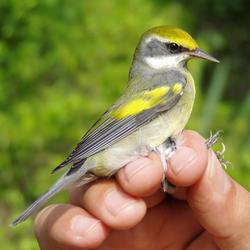
Threats to Federal Bird Science Funding
Threats to Federal Bird Science Funding According to the journal Science, the administration has targeted the Ecosystems Mission Area at the U.S. Geological Survey for elimination in its upcoming Fiscal Year 2026 budget request. The [...]
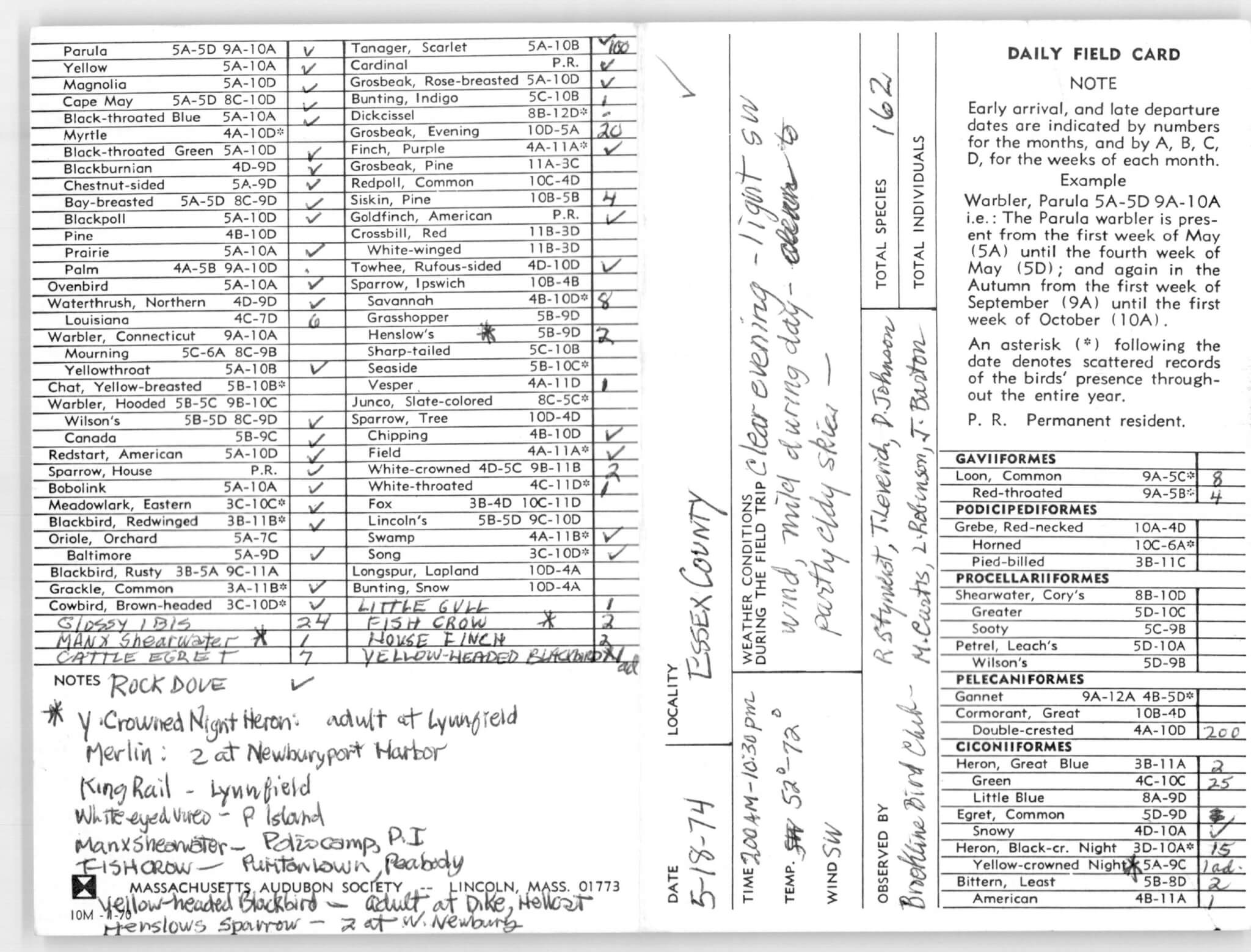
BBC Global Big Day Count – May 10
BBC Global Big Day Count On May 18, 1974 Bob Stymiest led the BBC trip with the all time largest species count for the club - 162 birds seen during 20 hours across Essex County. [...]
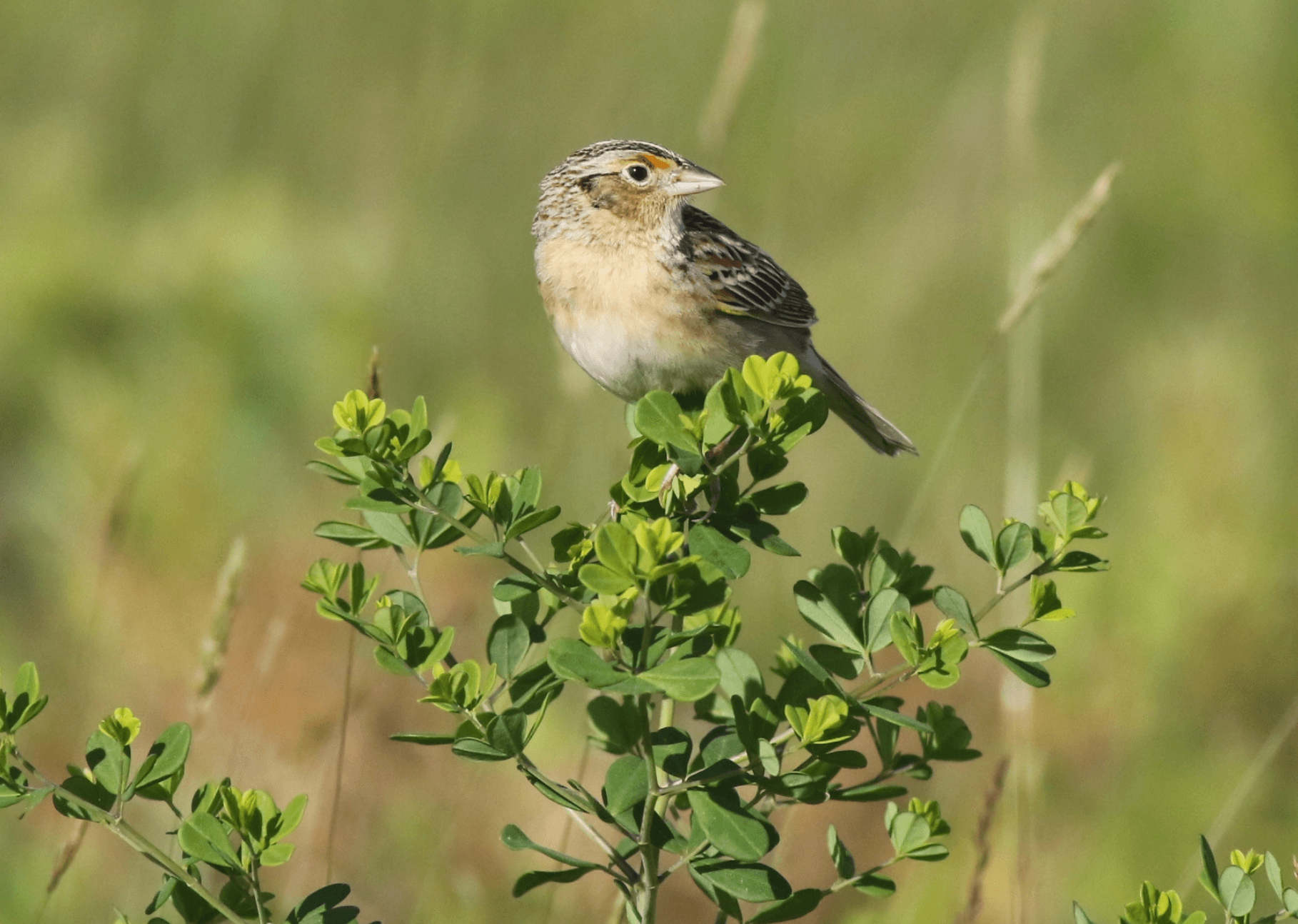
Camp Edwards Grassland Bird Tours
The Massachusetts Army National Guard’s Natural Resource Program is hosting grassland bird tours in May on Camp Edwards. This is an unusual opportunity for avid birders, naturalists and photographers to walk through the Camp Edwards [...]
Member Webinar and Field Trip: The Art and Craft of Shorebird Identification with Lisa Schibley
Member Webinar and Field Trip: The Art and Craft of Shorebird Identification with Lisa Schibley Shorebirds are among the most fascinating and diverse groups of birds, but identifying them can sometimes feel overwhelming. What key [...]
2025 Daytime Pelagic and Marsh Cruise Trip Schedule
2025 Daytime Pelagic and Marsh Cruise Trip Schedule Announced The BBC is happy to announce two daytime whale watching events and a Parker River marsh cruise. For the Thursday August 14th whale watching trip out [...]
Changes Coming to Mt Auburn Cemetery This Spring
Changes Coming to Mt Auburn Cemetery This Spring Mt. Auburn Cemetery has announced changes to birder access starting this spring. In short, the gates will open every day starting at 6:00 AM but the key [...]
Threats to Federal Bird Science Funding
Threats to Federal Bird Science Funding According to the journal Science, the administration has targeted the Ecosystems Mission Area at the U.S. Geological Survey for elimination in its upcoming Fiscal Year 2026 budget request. The [...]
BBC Global Big Day Count – May 10
BBC Global Big Day Count On May 18, 1974 Bob Stymiest led the BBC trip with the all time largest species count for the club - 162 birds seen during 20 hours across Essex County. [...]
Camp Edwards Grassland Bird Tours
The Massachusetts Army National Guard’s Natural Resource Program is hosting grassland bird tours in May on Camp Edwards. This is an unusual opportunity for avid birders, naturalists and photographers to walk through the Camp Edwards [...]
Member Webinar and Field Trip: The Art and Craft of Shorebird Identification with Lisa Schibley
Member Webinar and Field Trip: The Art and Craft of Shorebird Identification with Lisa Schibley Shorebirds are among the most fascinating and diverse groups of birds, but identifying them can sometimes feel overwhelming. What key [...]
2025 Daytime Pelagic and Marsh Cruise Trip Schedule
2025 Daytime Pelagic and Marsh Cruise Trip Schedule Announced The BBC is happy to announce two daytime whale watching events and a Parker River marsh cruise. For the Thursday August 14th whale watching trip out [...]
Changes Coming to Mt Auburn Cemetery This Spring
Changes Coming to Mt Auburn Cemetery This Spring Mt. Auburn Cemetery has announced changes to birder access starting this spring. In short, the gates will open every day starting at 6:00 AM but the key [...]
Threats to Federal Bird Science Funding
Threats to Federal Bird Science Funding According to the journal Science, the administration has targeted the Ecosystems Mission Area at the U.S. Geological Survey for elimination in its upcoming Fiscal Year 2026 budget request. The [...]
BBC Global Big Day Count – May 10
BBC Global Big Day Count On May 18, 1974 Bob Stymiest led the BBC trip with the all time largest species count for the club - 162 birds seen during 20 hours across Essex County. [...]
Camp Edwards Grassland Bird Tours
The Massachusetts Army National Guard’s Natural Resource Program is hosting grassland bird tours in May on Camp Edwards. This is an unusual opportunity for avid birders, naturalists and photographers to walk through the Camp Edwards [...]
News Categories
Upcoming Field Trips
Field Trips / Events
-
-
Fall Meeting with Scott Weidensaul: The Return of the Oystercatcher – Saving Birds to Save the Planet
Harvard University Geological Lecture Hall 24 Oxford St., Cambridge, MA, United StatesPlease join us on October 23 for our in person Fall Meeting. The evening begins with a social hour at 6:30. The program starts at 7:30 with announcements, a short presentation by our 2026 Hog Island Scholarship winners, and a talk by author Scott Weidensaul – “The Return of the Oystercatcher – Saving Birds to [...]
-
Nahanton Park, Newton and possible other nearby locations
Newton - Nahanton Park 507 Winchester St, Newton, MA, United StatesWe will search for sparrows and other fall migrants at Nahanton Park and a possible other location to be determined nearer the date of the trip.
-
Cumberland Farms Fields River St. Entrance
Halifax - Cumberland Farms - River St 10 River St, Halifax, MA, United StatesWe will walk about 1.5 miles on gravel paths in search of late fall sparrows. This is usually a good spot for Lincoln’s and Clay-colored Sparrows. We never know what else might show up. I will arrive early to listen for Great Horned Owls.
-
Captain John’s Half-Day Pealgic
Plymouth - Captain John's Whale Watching Tour Company 10 Town Wharf, Plymouth, MA, United StatesThe BBC has chartered a private pelagic trip from Plymouth out to deep waters off Stellwagen Bank and beyond. This trip is cosponsored with the South Shore Bird Club and the Cape Cod Bird Club.
-
CANCELLED Fresh Pond Reservation (Early Birders Series) CANCELLED
Cambridge - Fresh Pond - Lusitania Meadow entrance 615 Concord Ave, Cambridge, MA, United StatesCanceled due to the leader being unavailable. Look for future trips with Wyatt leading. Join fellow birders in their 20s-30s as we visit Fresh Pond Reservation! Located in the northwest part of Cambridge, Fresh Pond is home to 162 acres of space consisting of forests, meadows, wetlands, and open water. As we navigate [...]