10/23 Fall Meeting with Speaker Scott Weidensaul

10/23 Fall Meeting and Lecture – All Welcome

Please join us on October 23 for our in person Fall Meeting. The evening begins with a social hour at 6:30. The program starts at 7:30 with announcements, a short presentation by our 2026 Hog Island Scholarship winners, and a talk by author Scott Weidensaul – “The Return of the Oystercatcher – Saving Birds to Save the Planet.”

This meeting is open to all and held at the Harvard Geological Lecture Hall at 24 Oxford Street in Cambridge. (This is next door to the Museum of Comparative Zoology.)

Concerned about parking? Don’t Be!! Starting at 5:30 PM there will be free parking for all at the Harvard Oxford Street Garage entered off Oxford Street across from Everett Street. ADVANCE REGISTRATION REQUIRED TO ENTER GARAGE. WE WILL SHARE DETAILS WELL IN ADVANCE OF THE MEETING.

While we hope that you will be able to join us in person there will also be a Zoom link for those who cannot make it into Cambridge.

Scott Weidensaul: The Return of the Oystercatcher – Saving Birds to Save the Planet

At a time when the news for birds – for the planet – has rarely seemed more grim, there is reason for hope. We’ve restored faltering bird populations in the past, bringing back once nearly extinct raptors and waterfowl. And despite the odds today, all around the world, people are actually reviving bird populations, providing a roadmap for wider recovery.

In his newest book, The Return of the Oystercatcher: Saving Birds to Save the Planet, best-selling author and researcher Scott Weidensaul shows why we should never underestimate the resiliency of birds, and why creating a world that works for birds will work for everything, including us.

Scott will trace this inspiring arc from a tiny island off the Maine coast to the bird-rich Danube Delta on the Ukrainian border where even war has not stopped progress; from the shortgrass prairies of Colorado to the world’s largest and most intact forest in Canada where Indigenous communities are permanently protecting hundreds of millions of acres of some of the most important migratory bird habitat on Earth, a win as well for social justice. This is a dose of optimism we all need.

About the Presenter

Scott Weidensaul

Scott Weidensaul is the author of nearly 30 books on natural history, including the Pulitzer Prize finalist “Living on the Wind” and his the New York Times bestseller “A World on the Wing.” 

His latest book, “Return of the Oystercatcher,” showcases what’s working for bird conservation around the world.

Weidensaul is a contributing editor for Audubon magazine, a columnist for Bird Watcher’s Digest, and writes for a variety of other publications including Living Bird. He is a Fellow of the American Ornithological Society and an active field researcher, studying saw-whet owl migration for 30 years, as well as winter hummingbirds in the East, bird migration in Alaska, and the winter movements of snowy owls through Project SNOWstorm, which he co-founded.

The Details Including Zoom Link

When: October 23 , social hour staring at 6:30 PM, program starting at 7:30 PM

Where: Harvard Geological Lecture Hall, 24 Oxford Street, Cambridge

Parking: Harvard Oxford Street Garage entered opposite Everett Street at Oxford Street. YOU MUST PREREGISTER IN ADVANCE TO AVOID ANY PROBLEMS WITH PARKING. Please use this link to register:

https://vpermit.com/harvard/ClaimableEvents/Claim?code=BIRD

When you register you will be sent a QR code by email. You must present the QR code to enter the garage without a delay. You can either print out the QR code or store it on your phone and present it from there. If you have trouble getting a QR code or have trouble entering the garage on the 23rd please email president@brooklinebirdclub.org.

Zoom Registration Link (advance registration strongly suggested): https://us06web.zoom.us/webinar/register/WN_dV82LcoZQG20yvf-tl1Zcg

10/23 Fall Meeting with Speaker Scott Weidensaul2026-09-25T14:28:39-04:00
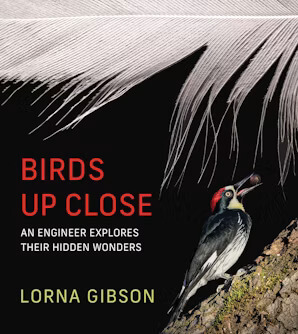
10/20 Webinar: Birds Up Close: An Engineer Explores Their Hidden Wonders

10/20 Webinar: Birds Up Close: An Engineer Explores Their Hidden Wonders

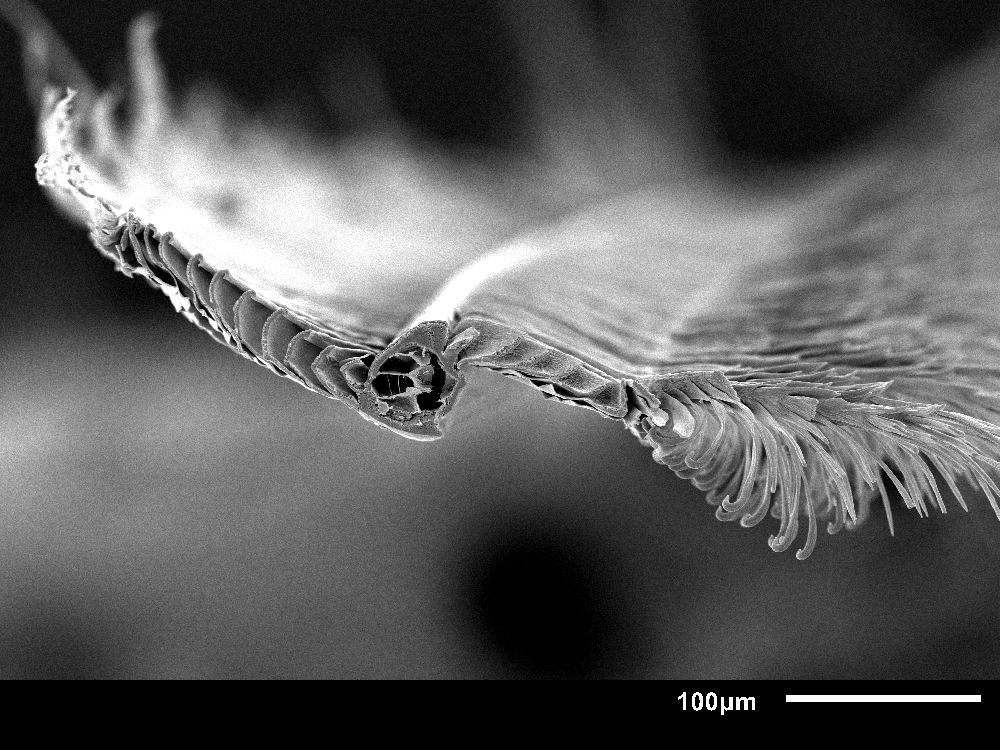
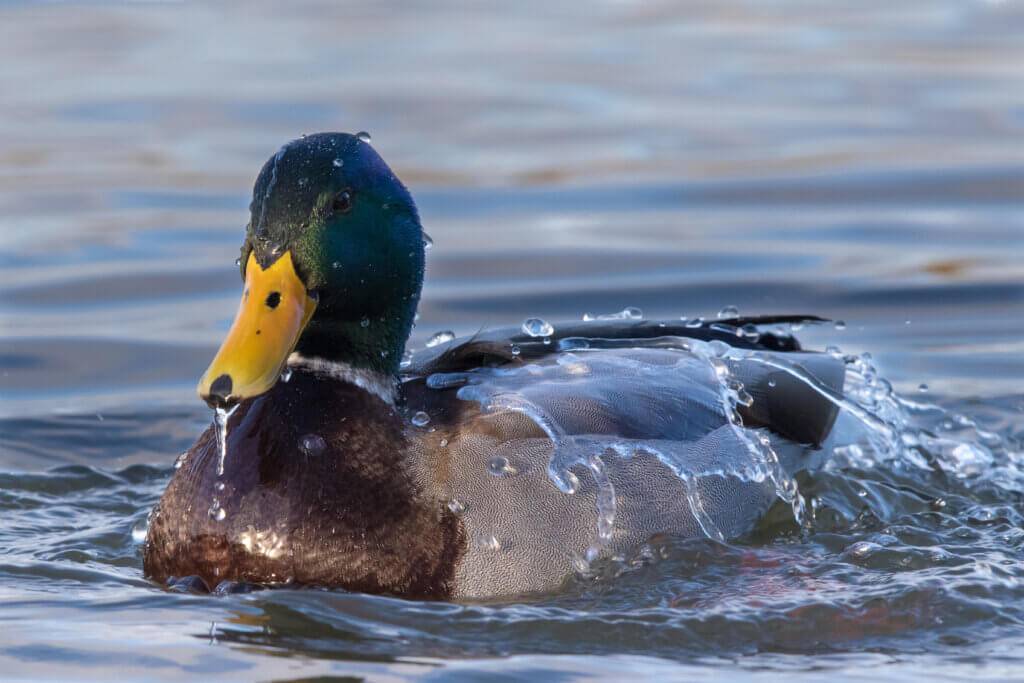
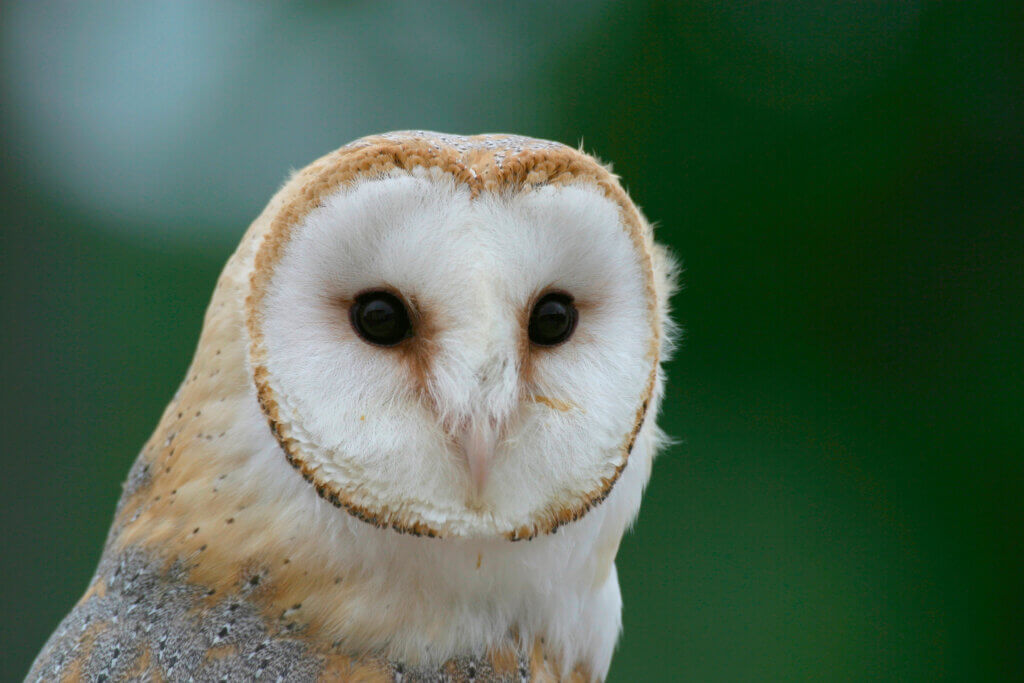
The book Birds Up Close: An Engineer Explores Their Hidden Wonders reveals the marvel of how birds work—from the tips of their beaks to the sheen of their tail feathers. Consider feathers: They define birds’ wings, enabling flight. They insulate against cold. They repel water. They even control sound. And how feathers work is just one aspect of the wonders of birds explained by MIT engineering professor and lifelong birder Lorna Gibson in Birds Up Close.

Feathers, bones, bills, eggs, flight: all come in for scrutiny in this engaging book. What produces the iridescence of plumage? How does the internal structure of a bird’s bones make them lightweight? How do different birds use their bills and tongues—from woodpeckers penetrating the holes they drill to hummingbirds imbibing nectar, to sandpipers needling the sand, and to phalaropes drawing water droplets containing plankton into their mouths without sucking (no lips!)? What controls the shape of eggs? How do birds fly?

Intrigued? Join us on 10/20 to learn more.

About the Presenter

Lorna Gibson is the Matoula S Salapatas Professor of Materials Science and Engineering at MIT and a MacVicar Faculty Fellow, MIT’s top award for undergraduate teaching. She is a member of the Board of Directors of the Massachusetts Audubon Society. She has always loved nature and getting outside to walk, bicycle and bird.

To Register

To register you must be a BBC member. Please log in to your member account and heard over to the Member Resources page under the MEMBERS menu.

Not a member but want to listen in? Please join us! You will get access to a range of member benefits and support the local birding community.

10/20 Webinar: Birds Up Close: An Engineer Explores Their Hidden Wonders2026-09-25T13:22:40-04:00

Upcoming BBC October 10 Big Day!

Upcoming BBC October 10 Big Day!

We are planning a BBC October Big Day on October 10 to coincide with Cornell’s October Big Day.

Last October, we held our first “October Big Day.” Members reported 145 species, including 17 warblers and 13 sparrows, along with an escaped Budgerigar. Can we beat that total in 2026?

We saw 100+ species in both Essex and Middlesex Counties – can club members match that in other parts of the state?

You could plan your own big day across a county or the entire state, or just see what’s happening in your local patch. Team up with other birders, or invite a non-birding friend. We’re interested in all of it. Please share checklists with the club’s eBird account “BBCBigDay”

Taking part is as easy as 1, 2, 3:

  • Go birding anytime on the 10th anywhere in Massachusetts, either on your own, with friends, or on a BBC trip. You can go to your local patch, plan your own big day, or anything in between. Take just a couple hours or head out before dawn for the day. We’re interested in all of it. Most importantly, invite a friend and have fun.
  • Share your eBird trip report with us. Share your eBird report either from the phone app or on your laptop with the eBird account BBCBigDay. (NB: This is different from the eBird account used to collect trip lists.) As well as a species list, feel free to include comments about your day.
  • Send us your photos: Send us your photos. This could be a team photo of you and your birding friends, bird photos, or fun shots from the day. Email photos to our Communications Coordinator Lara Kazo at socialmedia@brooklinebirdclub.org.

We’ll combine everyone’s sightings into a club-wide species total and share the highlights. Photos will be featured in our recap and on our website/newsletter — so this is your chance to see your birding adventure shared with the whole club! Whether you spot 10 species or 100, every bird and every birder counts. Let’s make this Big Day a celebration of the joy of birding and the strength of our community.

For more information contact Club Statistician David Scott at dscott@brooklinebirdclub.org.

Upcoming BBC October 10 Big Day!2026-09-25T13:23:12-04:00

Roberts on Raptors

Roberts on Raptors

Many of you know Paul Roberts and have benefited from his wisdom and advice about raptors. For many years Paul has published his thoughts and stories about hawks in general and the Mystic Lake eagles in particular on various email listservs, such as MassBird and ArlingtonBirds.

We are very pleased that Paul has agreed to allow us to offer his raptor writings on the BBC website. We will treat this recurring feature like a blog, appending the newest installment at the top of the page.


Are Kites Breeding in New England for the Long Haul?

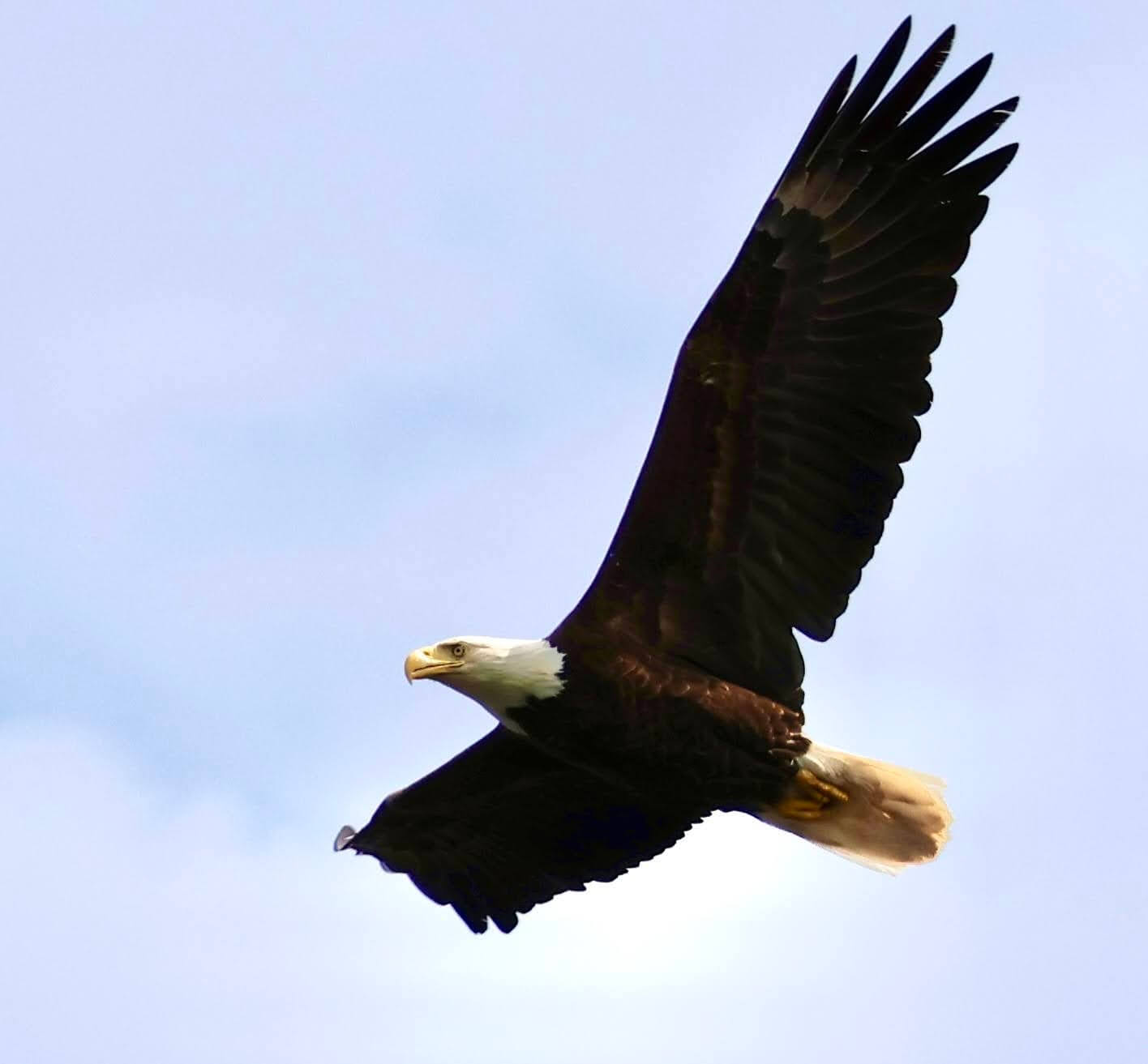
Merlins are extending their breeding range south and east in New England, Red-shouldered. Cooper’s Hawks and Black Vultures are extending their ranges north in contiguous fashion. However, two southern species of raptors have been extending their breeding range north into New England in leap-frog fashion.

First was the surprising broad-front northward range expansion of Mississippi Kites late in the first decade of the 21st century. That included a small colony established in coastal New Hampshire, with isolated nests documented in Connecticut, New York, and a few other northern states. None of those “populations” has to my knowledge grown significantly in almost two decades, though Mississippi Kites are continuing to extend their contiguous breeding population northward in Missouri and Illinois.

The biological interest in Mississippi Kites has largely focused on their dramatic shift in breeding habitat for many from rural to urban/suburban environments, including parks, cemeteries, golf courses and reservoirs. You might recall that Red-tailed Hawks made a similar habitat/range expansion in the late 20th century. The urbanization of raptors has become a leading theme.

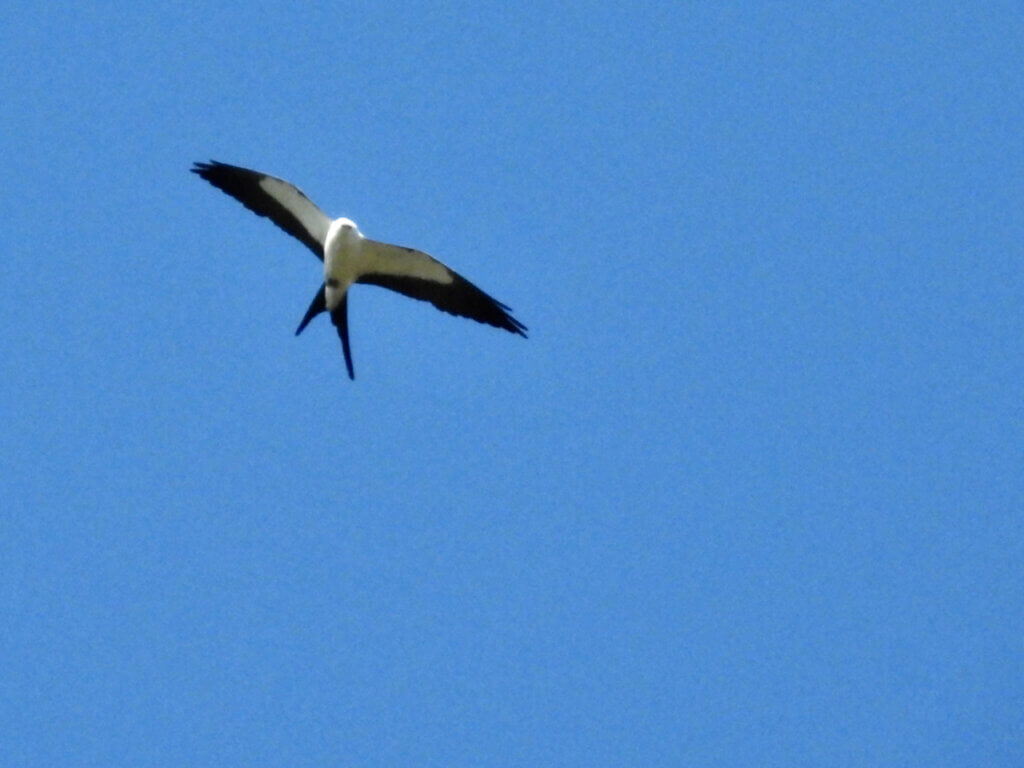
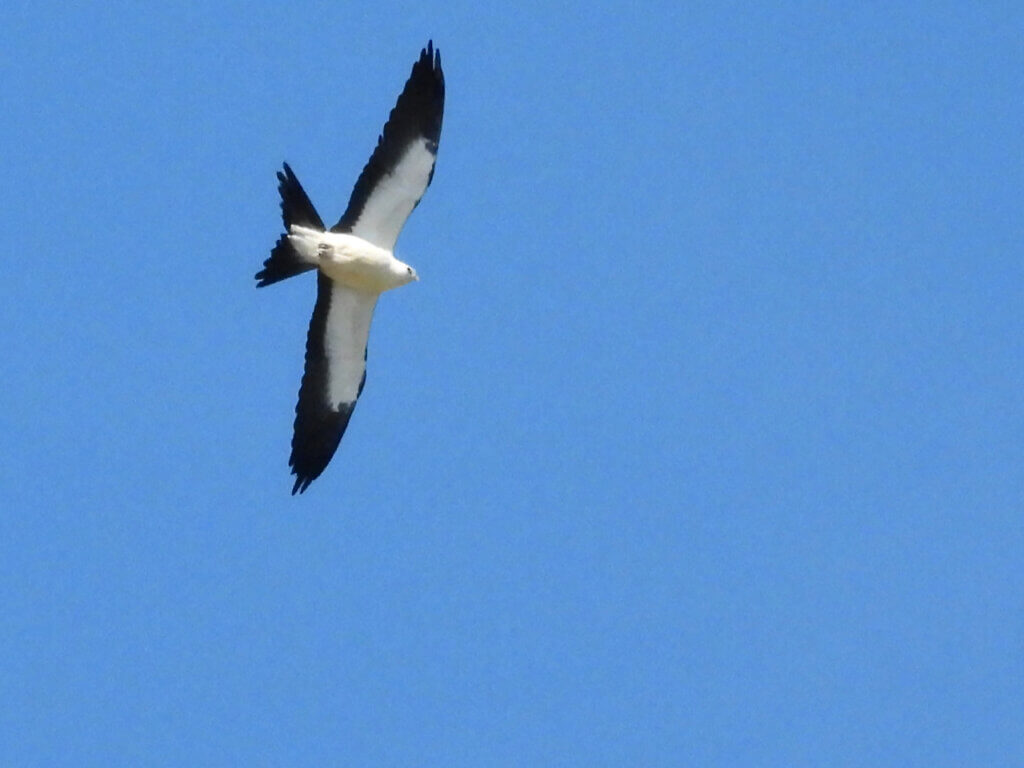
Last year Peter Trimble confirmed Mississippi Kites nesting on the Cape. This year in late August he confirmed that at least two Swallow-tailed Kites fledged on Cape Cod, the first north of apparently a lone pair breeding in North Carolina.

The Cape has seasonally hosted largely immature (non-breeding) kites of both species at times over the past half century (and even a Swainson’s Hawk.) The kites usually arrive “early” in late March or late in late May on unusually strong warm fronts. These are largely immatures returning from South America and wandering until their second “fall” migration. For the past several years Swallow-taileds have been spotted on the Cape during the summer.

In 2025 both kite species were seen regularly on the Cape in small numbers. Did non-breeders who spent last summer on the Cape find food (primarily 17-year cicadas) so abundant that they returned this year and were able to breed successfully without the cicadas? Was it just one pair of Swallow-taileds, or possibly two? What about the multiple Mississippi Kites?  Did one or more pairs breed successfully this year?

The initial nestings raise questions about establishing sustainable breeding populations in the state. A key question for both species is that, beyond the northern limits of their current range, can they fledge young early enough for them to migrate south and return north successfully two years running? The two species are our earliest long-distance migrant raptors, spring and fall. Many raptor species’ juveniles put on more weight than adults to help sustain them during their initial dispersal, prior to lengthy migration travel. Can young northern kites, hatching and fledging somewhat later than their southern counterparts, successfully regularly migrate “later and longer” than their southern counterparts?

Surprisingly little is known about both kites migration to South America. We have not yet had three-digit Broadwing flights in New England but most of the Mississippi and Swallow-tailed Kites in the southern United States have already left the country on their “fall” migration. [Editor: This piece was written in early September, prior to the Broadwings migration flights later in the month.] Their accounts in Birds of the World are over a quarter-century old, with surprisingly sparse migration information and no telemetry data. 

The New Hampshire Mississippi Kites arrive in early to mid-May and therefore start nesting later than most Mississippi Kites. When their juveniles fledge, they start the land-based migration south somewhat later than most of their species. Steve Mirick reports that adults care for their young “into the first or second week of September and then all birds seem to disappear at once.” (The latest observation is September 11.) Over 145,000 Mississippi Kites had migrated past the Corpus Christi Hawkwatch in Texas before September 1, 2026. 136,000 more passed in the first four days of September. This suggests that New England’s juvenile kites might not disperse before beginning migration, which likely reduces their breeding productivity and population growth.

The peak Mississippi Kite flights reach Chichicaxtle, Mexico, the first ten days of September. Chichi had a record 535,697 Mississippi Kites last year. Cardel, Mexico, not far away, has its largest Mississippi Kite flights between August 27 – September 4. Mississippi Kites are just beginning to reach Bocas Loma Azul, a new hawk watch site in Caribbean Panama, in early September (36,000 by 9/5). New Hampshire kites are likely still in the “Live Free or Die” state.

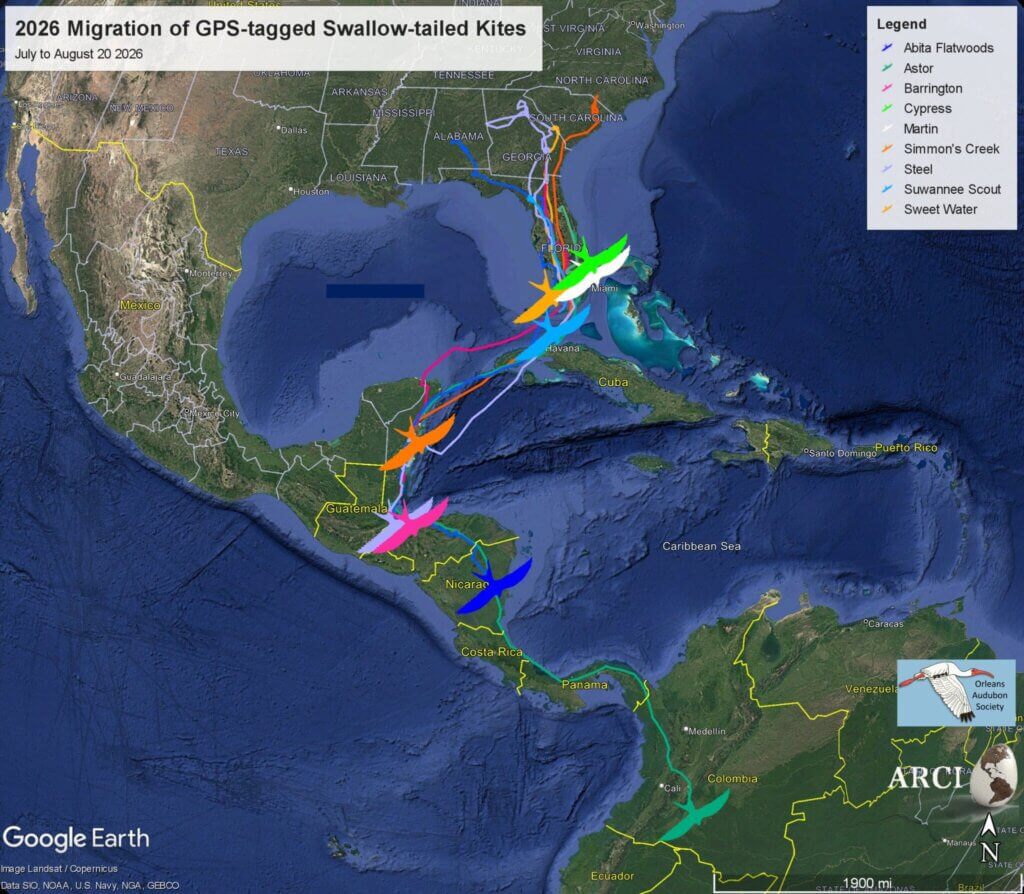
Swallow-tailed Kites are even earlier fall migrants. The bulk of the Swallow-tailed population arrives in March and leaves Georgia and Florida in August, often first assembling in 3- and 4-digit numbers in premigration roosts that can become feeding frenzies. They then depart, often very early in the day (before hawk watch sites are covered), over the Caribbean. They are quite vulnerable to sudden changes in winds that cause many to make landfall in lower Central America before continuing overland south to Brazil. The Avian Research and Conservation Institute (ARCI) recently has been implementing a challenging radiotagging program on these light, slender birds to document their migration paths and wintering grounds.

The Corpus Christi Texas Hawk hawkwatch averages only 130 Swallow-taileds a year, with a maximum of 383 in 2022. These are largely the small population that breeds in Texas and Louisiana. Chichicaxtle’s largest annual count was only 282 (2024), with Cardel’s average 487 birds. Meanwhile, Bocas Loma Azul in Panama had 36,000 Swallow-tailed Kites pass before September 5! Panama’s count is so much higher than Mexico’s because most of the U.S. population, largely in the southeast, migrate across the Caribbean in August. They tend to head directly for Brazil, though many make landfall in Central America well south of Veracruz. This August, Chichicaxtle totaled 160 Swallow-taileds and Bocas Loma Azul tallied 12,977.

Peter Trimble confirmed Swallow-tailed Kite breeding on the Cape when he saw an adult feeding a begging young bird. Four Swallow-tailed Kites, 2 adults and two presumed juveniles, were seen as late as August 26, and two apparent adults August 31. Thus we might presume northern juvenile Swallow-tailed Kites likely do not disperse – becoming fully independent – before beginning a “later and longer” migration. As with New Hampshire’s kites, this is likely to reduce their overall productivity and population growth.

We won’t have reasonable answers on the kites ‘success for at least ten to twenty years. Mississippi Kites lay 1-2 eggs on average; Swallow-tailed Kites lay 2 but lay up to 4. Few if any breed as yearlings, so it takes at least 2 and possibly 3 years for the first successful nesting. If mortality is in the vicinity of 50% in the first year, population growth can be very slow indeed. 

I am fascinated that these new Massachusetts breeders belong to the two raptor species that vacate the U.S. before any others. I can easily understand why raptors in the far north migrate long distances because their prey, from insects to mammals, is largely disappearing as temperatures drop. What precipitated the evolution of these kite species to leave and return so early?  

We can only wait to see if New England’s kites are in it for the long haul.


On Seeing Hawks When Birding/Hawkwatching with Others

Ed: Note that hawks are already on the move this fall with good counts reported from the Wachusett Mountain and Mt. Watatic hawk watches.

Recently I have been reminded how many people don’t really know how to help birding colleagues find and enjoy watching a hawk in flight. Perhaps they just haven’t thought about it. Or most of the birds they spot and “share” are stationary. Perched on a branch. Sitting on a post. Pecking in the mud. During hawk migration time, most of the birds you hope to see will be in flight, possibly going as fast as 50-60 mph! Be prepared. Think and speak quickly.  

Once you spot a hawk flying and want your companions to see the hawk, call out where the bird IS. Don’t shout “look where I’m looking,” because you are wasting your friends’ precious time looking at you and not finding the bird.” If you know it’s possibly a “rarity,” say “possible eagle” or “large falcon” which tells people they should get on this bird as quickly as possible. Be conscious of where you are looking, so you don’t take your eyes off the bird. 

  1. First, call out loudly if it is flying above or below the horizon! It’s much easier for companions to find a bird above the horizon.
  2. If above, how high? Just above the horizon? Low and coming right at you? High and about to pass overhead? “Watch out, it is heading into the sun!” If coming directly towards you, you need to describe it quickly.
  3. If flying across the sky, immediately say “streaking or streaming right or “streaming left.” If there is a large building or terrestrial feature on the horizon, give people a clue. At Wachusett Mountain we might say,” bird streaming low right about to go over Boston,” or streaking high over Wachusett Reservoir,” or farther away, “streaming over the slope of Mount Monadnock.” You are giving people a chance to find a fast moving and possibly uncommon raptor.
  4. If the bird is soaring, you have a little more time. Again, look for a feature on the terrain or in the sky. “A kettle of hawks soaring over Gardner (a town), drifting towards Mt. Grace.” Or when it stops soaring, “streaming towards the horizon headed to Mt. Grace.”
  5. If there are clouds, or jet contrails, refer to any that can be quickly distinguished by most companions. When there are big clouds (which often happens on good days), use a clock analogy. “At about 2 o’clock in the big cloud, streaming toward the edge.” “About to leave the cloud and go into a blue streak.” Sometimes it helps to use planes in sight as a reference, but especially on the weekends there might be ten planes in view at one time. Be as specific as you can QUICKLY.
  6. If a really good day and you have a good-sized kettle (minimum 5 hawks, maximum in the thousands), go right to the top of the kettle to see if birds are already streaming (peeling) off the top of the thermal (column of hot rising air that birds use for lift). Then look down to the bottom to see if birds are streaming into the bottom of that thermal. (They may be coming into view from another more distant peel.) If you want to count the kettle, go right to the top front of the kettle and look to see if birds are peeling off, streaming in the direction of migration. If so, try to find the leaders in that stream off the top.  Speaking from experience, hundreds, even thousands, of birds might have passed overhead before anyone spotted this kettle. You may be in the rare ”rivers of hawks” situation.
  7.  If a bird is interacting with another, note that aloud. “Two small hawks dogfighting.” Or “small hawk attacking a much larger hawk.”
  8. If the bird is below the horizon, it’s much more difficult for companions to find. Give them any landmark you can. “About to go over the wind farm,” “the sun farm,” or “a church tower.” Occasionally you might luck out if the bird stops streaming and starts soaring again to gain altitude. If late in the season and the mystery bird is eagle-sized, follow it going away.
  9. Clear blue sky days can be killers. There are few if any reference points. Cumulus clouds, even small ones, can be life savers. If high, a bird approaching overhead may occupy only a few seconds of arc, virtually invisible until it gets directly overhead. Pray for clouds. If you see gliders or planes, focus on them, which will help your eye spot hawks that might otherwise pass unnoticed.
  10. If you have a very distant bird, say it is a “pepper speck,” or a “scope only” bird before giving directions. This helps other immensely. If any of several remarkable hawk spotters says “they’re only specks” wait to look until he/she says they are getting closer. On one of our most remarkable days, we had thousands of hawks that never came closer than being “scope only” birds. Other days they have passed directly overhead.
  11. At many locations, there may be a lot of constant background chatter. If you spot a kettle or a possible highly uncommon bird, yell it out. If an organized count, be sure the lead counter is informed. Realize it may also be windy, so shout out to your left and your right, especially if birds are coming closer to your observation point.
  12. (Eric Mueller suggest adding one more rule to Paul’s very helpful list: If you’re participating at an organized hawk watch (or even with a group of friends) and are counting birds in a kettle or a stream of birds, please count silently! Others around you probably started counting a second or two ahead of, or behind, you and it’s incredibly easy to lose count when people are calling out different numbers all at the same time. Once you’re done counting, compare notes with those around you, and report your consensus number to the official counter.)

If you are attentive, half all the birds you see should be flying away, but that is usually not what happens. If activity is slow, follow birds you’ve identified going away, so you become more familiar with what that species looks like going away.

Every day in the field can be different. Some days the numbers can be magical. Other days, you may see only a few dozen hawks, but you may have spectacular views; “life views” of one or more.  The only thing we can say with relative certainty is that the more often you get out and look, the more likely you are to see more.

Finally, you can go to established sites like Wachusett Mountain or Mt. Watatic. (check the Eastern Mass Hawk Watch site for more information), or just hawk watch locally from a local park, cemetery, or hill. I’ve had “good migration days” when my best flights have been from the work parking lot in Billerica, the grocery parking lot in Shrewbury, or on Mass. Ave in Cambridge.

For the next three weeks or so, you have your best chances to see significant numbers of migrating hawks anywhere, usually between 10 and 4 pm EDT. Especially on the first or second day of the arrival of a cold front.

Roberts on Raptors2026-09-25T13:58:08-04:00

Bring Back Bobolinks!

Bring Back Bobolinks!

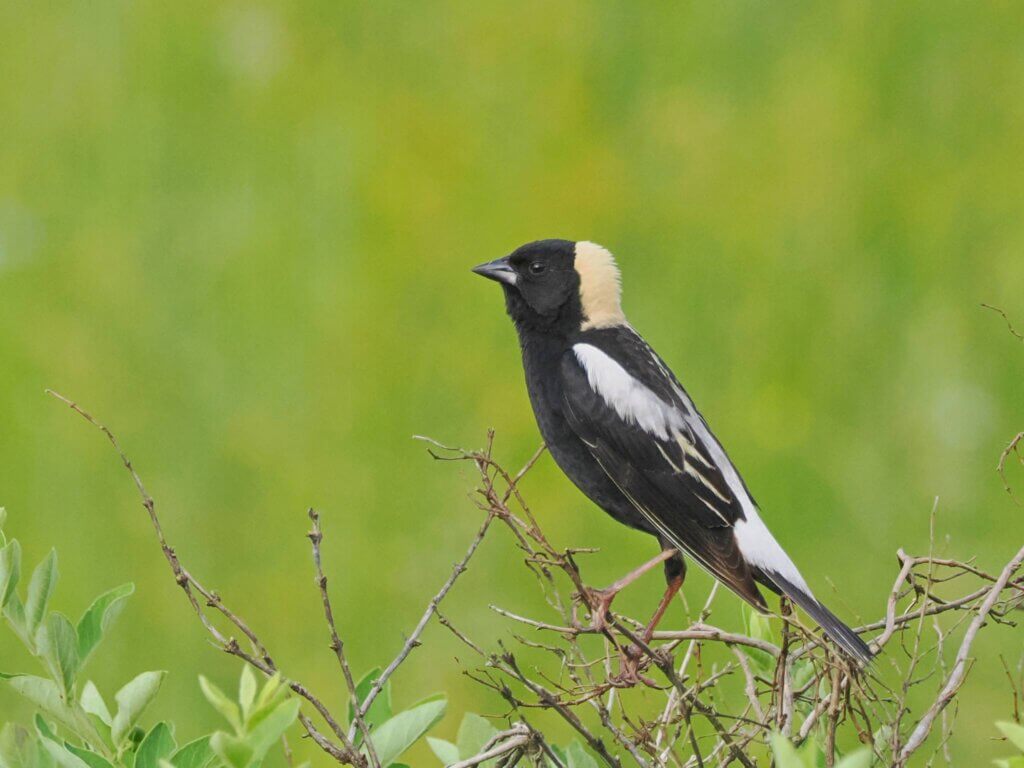
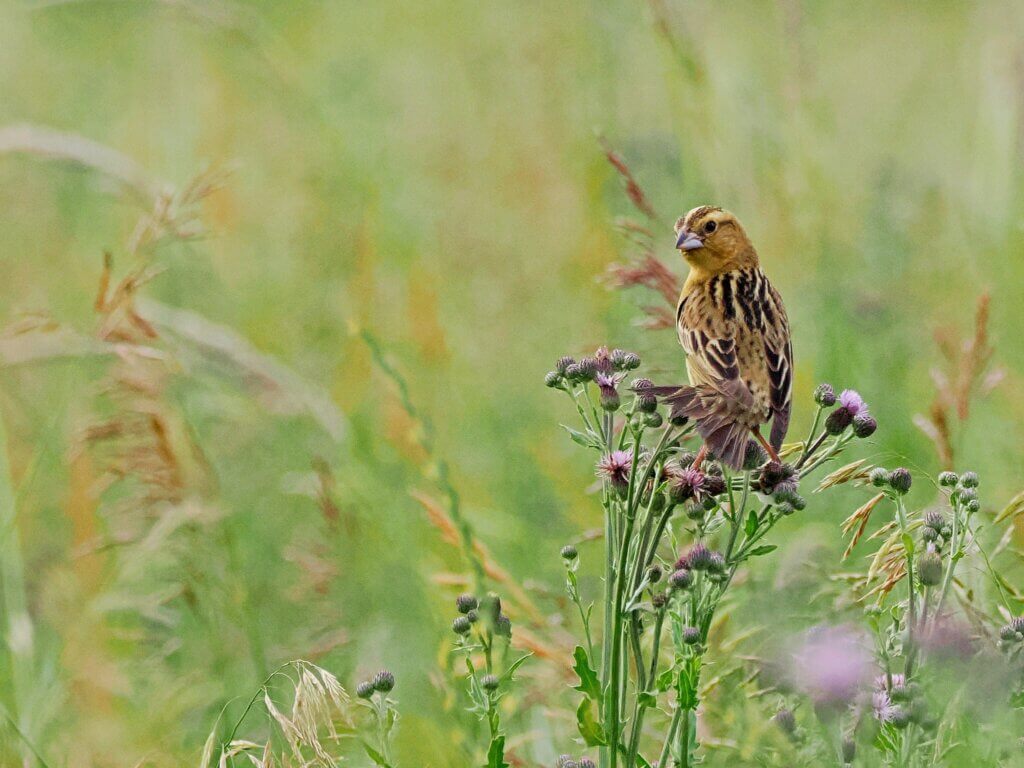
This year the BBC is introducing new Endangered Species Program. Each year we plan to focus on a single bird species facing serious threats in Massachusetts and elsewhere. With this effort we hope to provide a way for all of us to address the decline of birds in our state. Our initial focus is on a charismatic grassland bird – Bring Back Bobolinks!

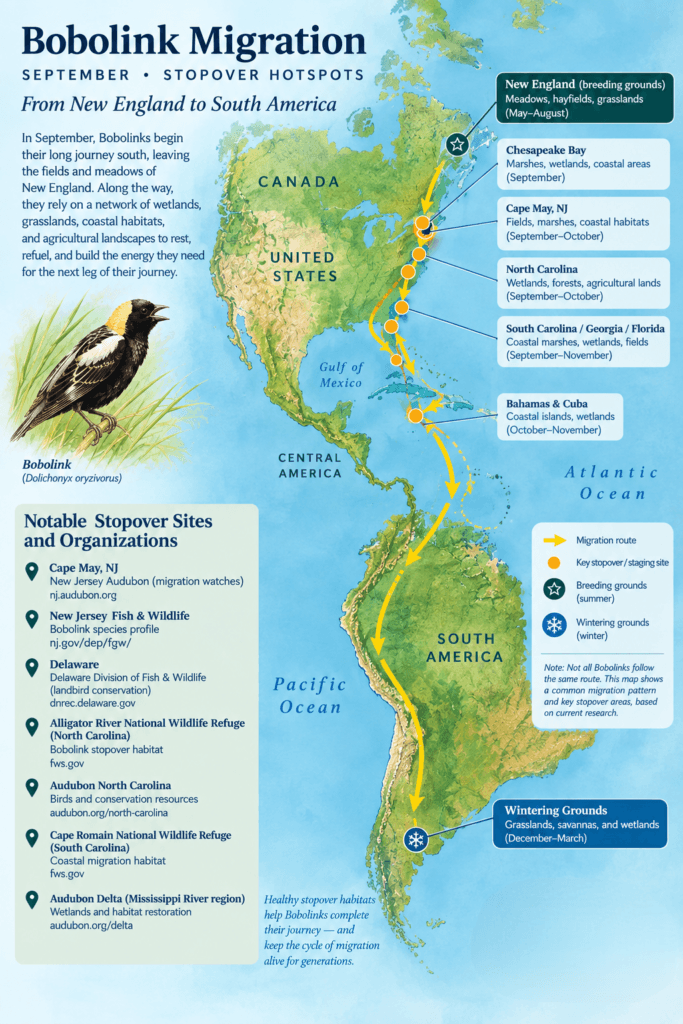
Our support for conservation efforts to protect the Bobolink continues throughout the fall as we follow their full life-cycle, traveling with them on their 12,500 mile migration corridor to their final wintering grounds in the Eastern lowlands of Bolivia. 

About Bobolinks

According to the Cornell Laboratory of Ornithology, bird populations have declined by nearly 3 billion, or over 25% since 1970. The 2025 State of the Birds report by National Audubon highlighted declines in grassland areas, where populations have dropped by 43%.

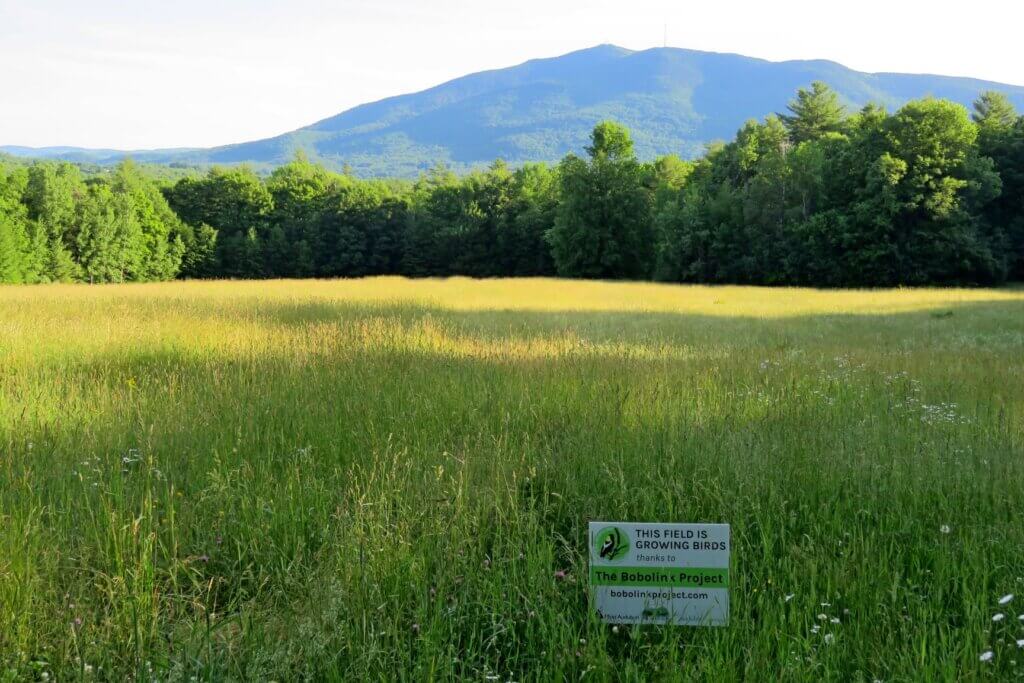
As September arrives, the Bobolinks that filled Massachusetts hayfields and meadows with their bubbling songs this summer are beginning their journey south.

After breeding, they undertake one of the most remarkable migrations of any North American songbird, traveling thousands of miles toward their wintering grounds in South America. Along the way, they rely on fields, freshwater marshes, and other stopover habitats proximate to their preferred food source of rice and grains. These invaluable spaces along the east Atlantic coast and the West Indies grant the Bobolink time to rest and refuel before continuing their long journey.

While stopover sites are essential, they face growing pressures from habitat loss and degradation, agricultural and coastal development, and other environmental changes. 

In parts of their southern migratory range Bobolinks feed in agricultural landscapes, where large flocks are sometimes perceived as pests. This creates an additional conservation challenge as people seek to balance food production with wildlife protection. Conservation organizations across the Americas are working to find solutions that protect birds and support the communities and livelihoods that depend on these landscapes.

As we watch Bobolinks disappear from our Massachusetts landscapes this fall, remember that their journey, and our responsibility to them, does not end when they leave. Bringing back Bobolinks means understanding and protecting the interconnected network of habitats and communities they depend on throughout their annual cycle, from New England to South America and back. 

Bobolink Migration Map

See All About Birds Bobolink Range and Sightings Maps.

Bobolink Raffle Results are In!

Over the past few months the Bring Back Bobolinks campaign sponsored a fundraising raffle to benefit The Bobolink Project and the Trustees Grassland Birds Monitoring Program, two organizations working to protect habitat for this declining species. Thanks to all who participated – through your generosity we raised a total of $2500!

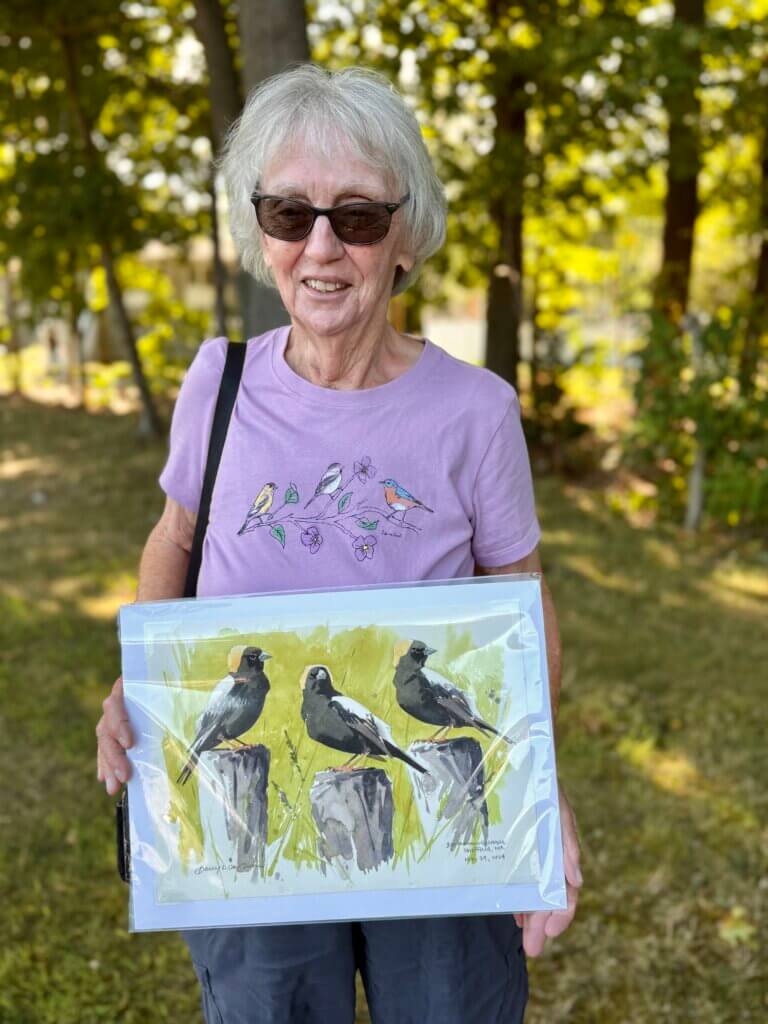
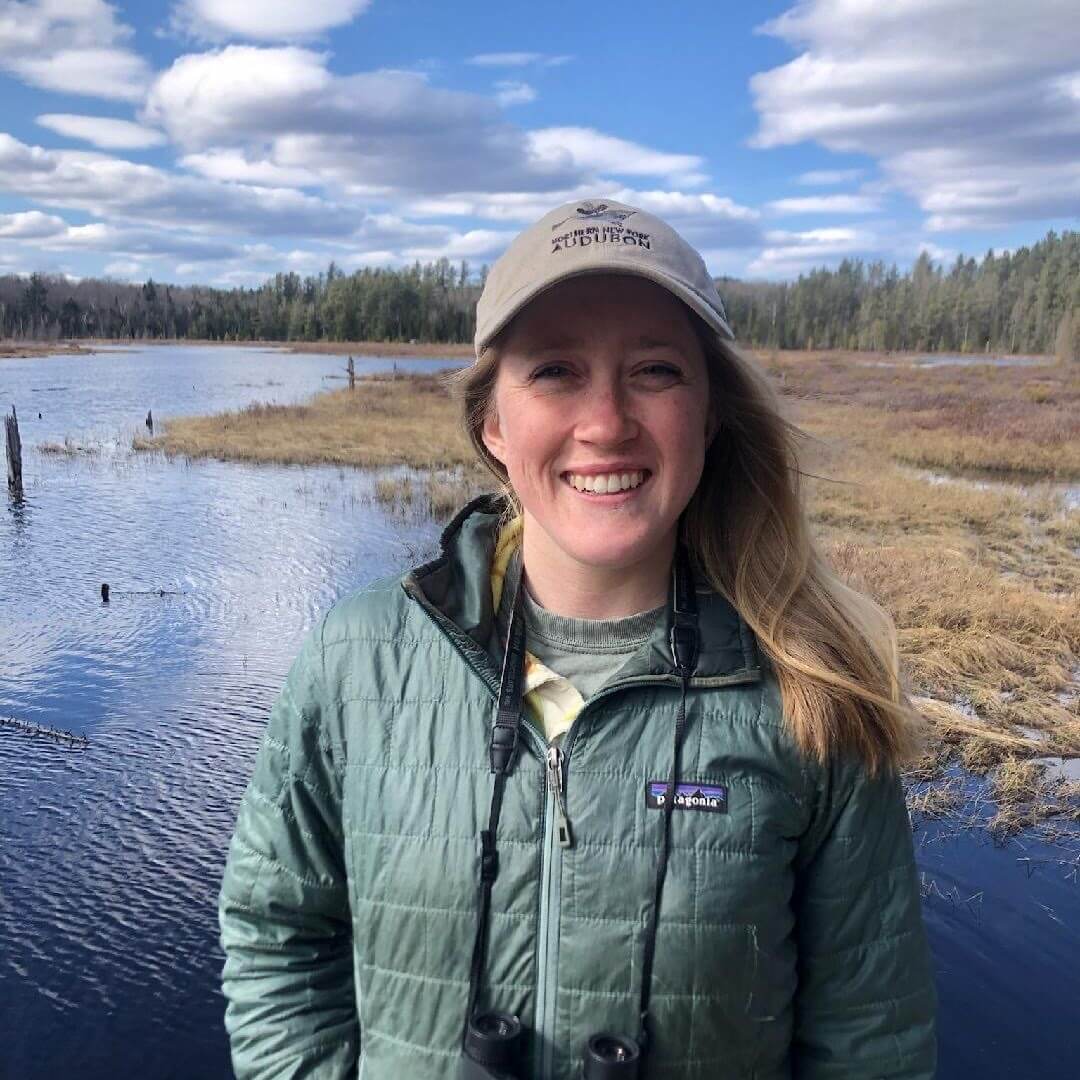
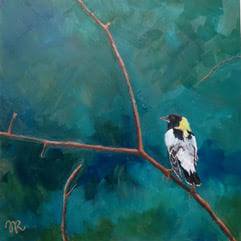
Ruth McNutt Winner of Barry Van Dusen Boblink Painting Raffle

The lucky winner of the raffle drawing is Ruth MacNutt, longtime club member, shown here with her new painting. Ruth developed her interest in Bobolinks as a young girl growing up in Western Massachusetts when their populations were more abundant. Congratulations, Ruth, many happy memories!


Thank you all for your support of the Brookline Bird Club’s Endangered Species Program “Bring Back Bobolinks”.  The Bobolinks are the true winners of your generosity!

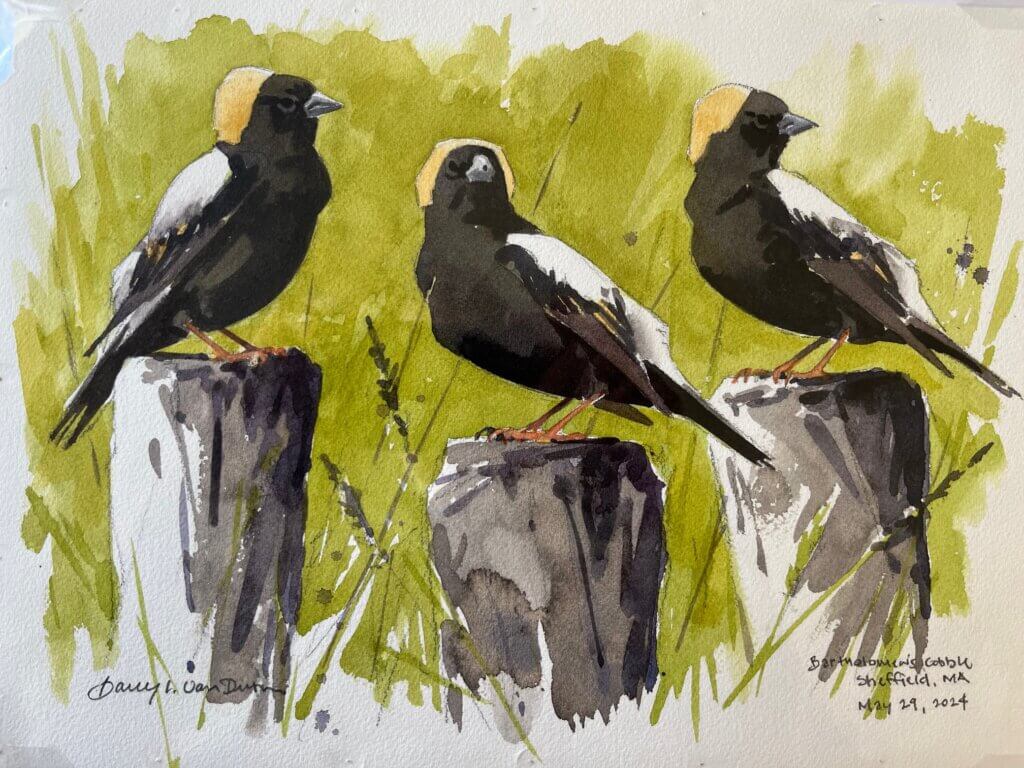
Original Bobolinks Watercolor by Barry Van Dusen

This painting was generously donated to the “Bring Back Bobolinks” campaign by artist Barry van Dusen. You can view Barry’s artwork, books, prints, and cards at his website www.barryvandusen.com.

Bobolink Stickers

You might already have seen our new Bobolink Sticker at the tables at the entrance. To get one just attend one of our Bobolink walks or join the BBC.

BBC 2026 Bobolink Sticker

Bobolinks on the Brink: What do Bobolinks Tell Us about Our Relationship with the Land, and How Can We Protect Them?

Hyla Howe - Boblinks on the Brink
play-sharp-fill

Hyla Howe - Boblinks on the Brink

Mass Audubon’s Grassland Bird Biologist Hyla Howe spoke about our first endangered species spotlight: the Bobolink!

Bobolink populations closely intertwine with shifting land use patterns and agricultural practices. Conservation solutions to protect them are complex.

Hyla shared observations from the field, insights from conversations with farmers and landowners, takeaways from efforts to improve and scale the Bobolink Project, and results from a regional land use change analysis. She describes where Bobolink conservation stands today, and what you can do to help.

Bobolink Creative Work

We asked members to share creative work linked to the Bobolink. Here are several images from members:

Have creative work to share? We are still looking for written, visual and other works. Please contact Lara Kazo to share your images and files.

More to Come!

We have more fun activities lined up, so stay tuned to our newsletters, website and social media!

Bring Back Bobolinks!2026-09-17T15:01:18-04:00

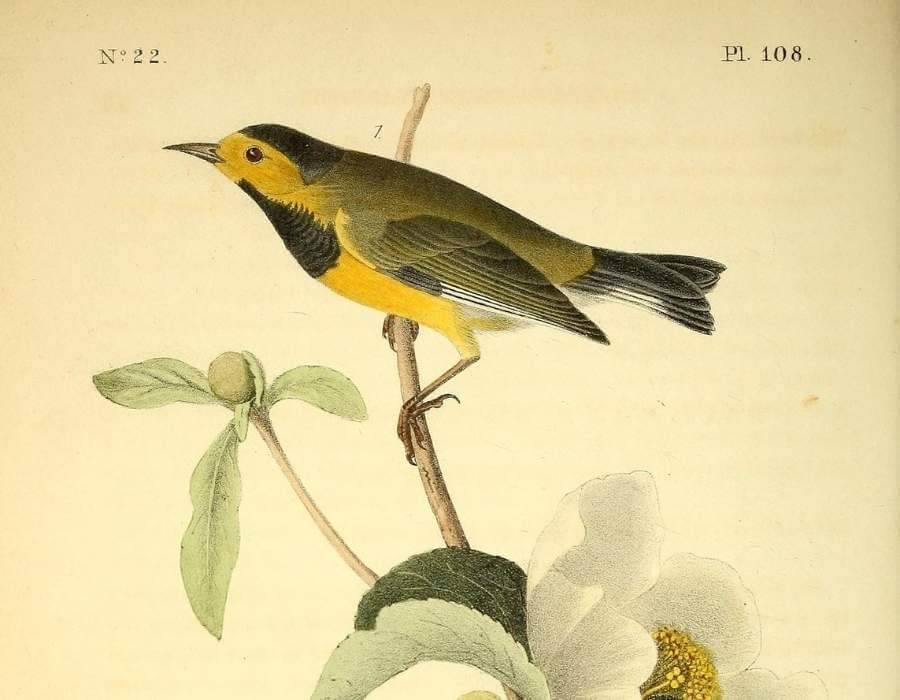
BBC Record of Bachman’s Warbler Sighting

BBC Record of Bachman’s Warbler Sighting

Club Statistician David Scott recently added a new record to the club’s life list stemming from a 1961 week long club trip to Bulls Island, SC.

We learned about this sighting when long-time member Daniel Vara reached out to ask if we have a written record of a 1961 week long trip to South Carolina. One of the target species for the trip was Red-cockaded Woodpecker, which was found in the Francis Marion State Forest. However, participants had surprise when they arrived at Bull’s Island.

In Daniel’s words:

In April of 1961, the BBC had a field trip to Bull’s Island, Cape Romain, South Carolina.  We went by car caravan for a week.  Mr. Lee Jameson, math teacher, led the field trip.

I was only 15 at the time & Dr. Charles Schweinfurth, world’s expert on orchids & Harvard botanist, was my chaperone.  We were both from Wellesley, MA and my parents allowed me to go.

On one of my days birding on Bull’s Island, our naturalist guide found our BBC group a number of life birds.  On one morning near the landing of the Ferry Boat on Bull’s Island were some thickets in a swampy area with several species of warblers, all birds of course in spring plumage. We did not venture too far from the swampy area due to alligators and rattle snakes. 

One bird with a bzz-bzz call particularly enticed us ~~ we did not dare call it thinking it may have been a hybridized bird. One guide, an excellent birder, said “is it the Bachman’s Warbler”? He did not want to confirm this sighting, fearing an on slot of birders from around the world coming to Bull’s Island, if confirmed.  

We never saw the bird again, it was a male.  So, it was kept a deep dark “secret” and never discussed again. 

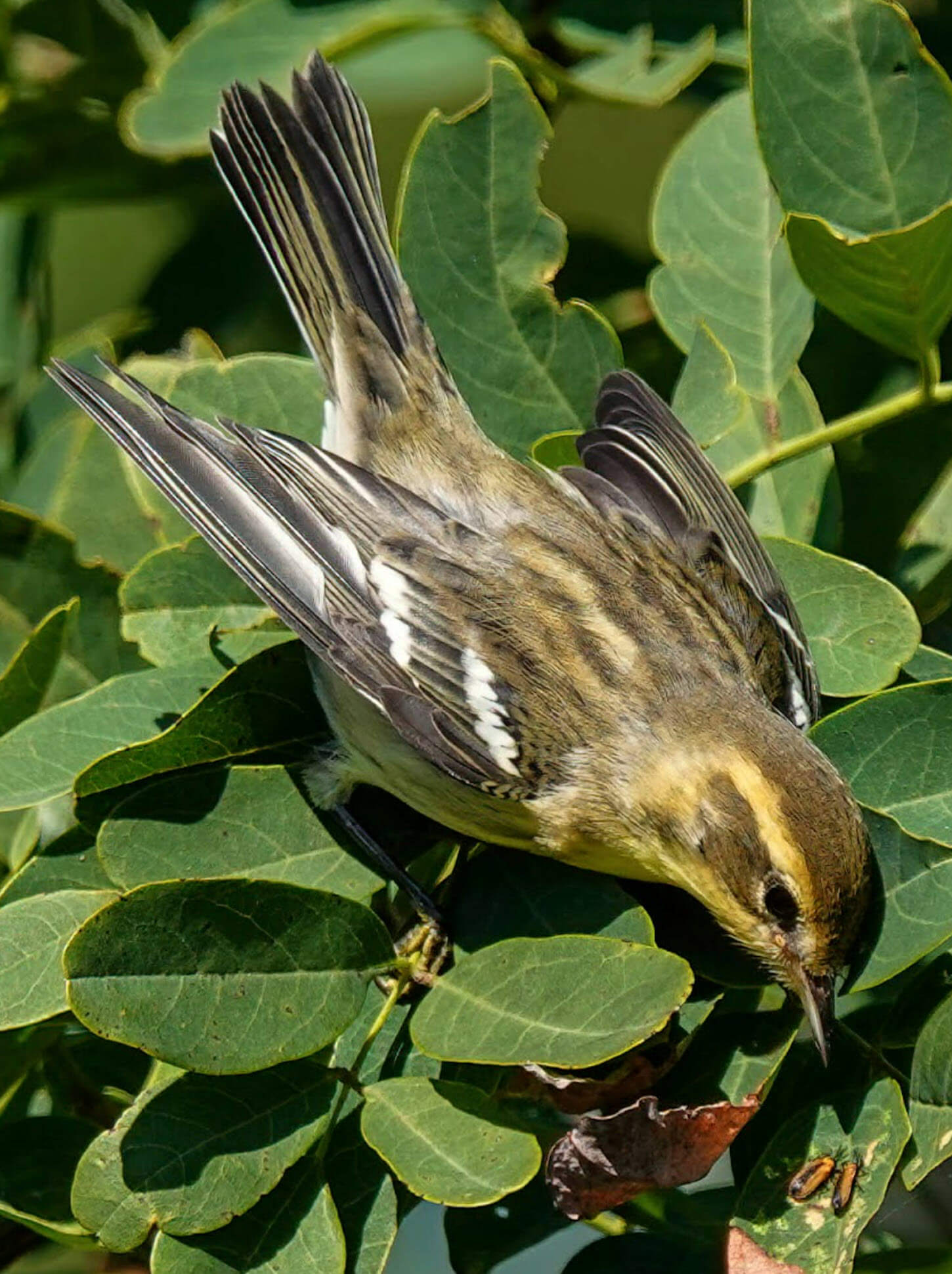
Dan tells us that four of the 12 trip participants did see the Bachman’s Warbler, making them among the last to ever see this now sadly extinct species. eBird only includes two US sightings of this bird after 1960, with the last in 1962 at the site Dan’s group visited the year before. There is also one 1980 observation from Cuba.

Long time BBC board member and past president Glenn d’Entremount had this reminiscence to add about trip leader Lee Jameson:

Lee Jameson would go to Mt. Greylock after his Friday school was over and set up a huge tent at the campground. The BBC had a weekend out there during mid-June; the predecessor to my annual trips. They spent the whole weekend at Greylock. Bicknell’s Thrush was nesting at the top (and Saddleball?) through 1972.

After those trips ended, before I was going out there with Herman [d’Entremount], no one picked up the trip. Herman liked the trip and we would go ourselves. One trip I had come from a business training from CT and with two vehicles we placed one at Jones’s Nose and drove to Saddleball parking lot and walked the whole thing. We had double digit Yellow-bellied Flycatchers which were never proven to nest there.

With the addition of Bachman’s Warbler, the club’s life list now stands at 452 overall with 434 in Massachusetts.

Bachman's Warbler
Bachman’s Warbler
BBC Record of Bachman’s Warbler Sighting2026-09-25T13:23:57-04:00

September 22 Webinar: Introduction to Nocturnal Flight Call (NFC) Recording

9/22 Webinar: Introduction to Nocturnal Flight Call (NFC) Recording

On September 22 at 7PM please join us to learn about Nocturnal Flight Call (NFC) Recording.

Most birders experience migration through the birds that arrive, depart, or pass overhead by day — but throughout the night, another migration is unfolding largely out of sight. This presentation will introduce nocturnal flight calls and the recordists who use them to experience and study that hidden movement. We will draw on examples from the Northeast, the history of bird sound recording, and the broader development of NFC monitoring in North America.

No technical background is needed: the goal is to open a window onto an extraordinary part of bird life happening above us while most of us are asleep, while showing interested birders where they can go next if they want to listen or record for themselves.

About the Presenter

Andrew Whitacre is a birder and sound recordist with a particular interest in nocturnal migration, acoustic monitoring, and the ways sound can reveal bird movement that often goes unnoticed. He works in communications at MIT and serves on the Brookline Bird Club board.

To Register

To register you must be a BBC member. Please log in to your member account and head over to the Member Resources page under the MEMBERS menu.

Not a member but want to listen in? Please join us! You will get access to a range of member benefits and support the local birding community.

For More Information

For more information contact info@brooklinebirdclub.org.

September 22 Webinar: Introduction to Nocturnal Flight Call (NFC) Recording2026-09-25T13:24:31-04:00

BBC August 24-25 Overnight Pelagic Report

BBC August 24-25 Overnight Pelagic Report

This news story is from the eBird trip report filed for the the BBC’s overnight pelagic aboard the Helen H out of Hyannis to the edge of the continental shelf at Hygrographer Canyon. Read the original eBird trip report here.

Many thanks to overnight pelagic organizers Naeem Yusuff, Sebastian Jones, and Marilyn Tillinghast. Thanks to our spotters Pete Flood, John Garrett, Marshall Iliff, and Liam Waters. None of this would have been possible without the fantastic crew of the Helen H, captained by the incomparable Joe Huckemeyer. Thanks to everyone who joined and made this trip possible, who helped spot, and who kept the atmosphere fun and exciting throughout.

On Our Way

BBC Pelagic Trip to Continental Shelf waters 118 mi SSE of Hyannis (and 85 mi SSE of Nantucket). We boarded the Helen H at 6AM on 24 August and steamed offshore for the next several hours, mostly without stopping.

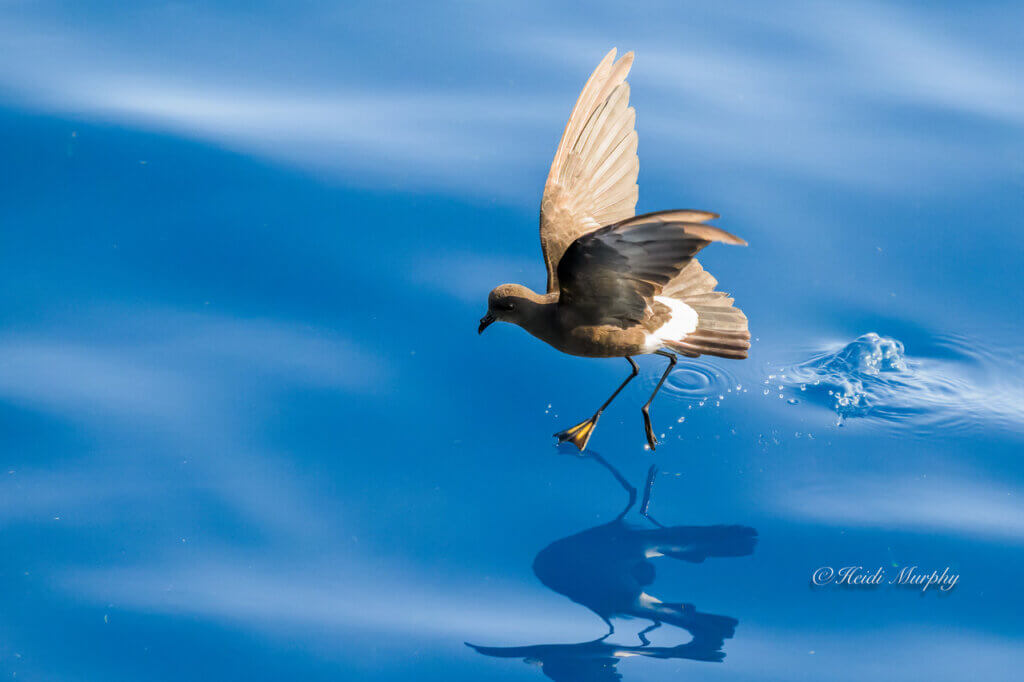
This trip had a bit more excitement than usual. Charts of ocean currents showed a major loop of the Gulf Stream (also known as a Warm-core Ring or Gulf Stream Eddy) that was looping up into the area of Hydrographer and Veatch Canyons and bringing 81° to 82° F Sea Surface Temperatures (SST) into our area. The prospect of true Gulf Stream waters and truly warm water on these trips is always exciting, since it improves our chances for the long wish-list of rarities, including Band-rumped Storm-Petrel, Black-capped Petrel, and—if lucky—a tropicbird or another mega-sighting.

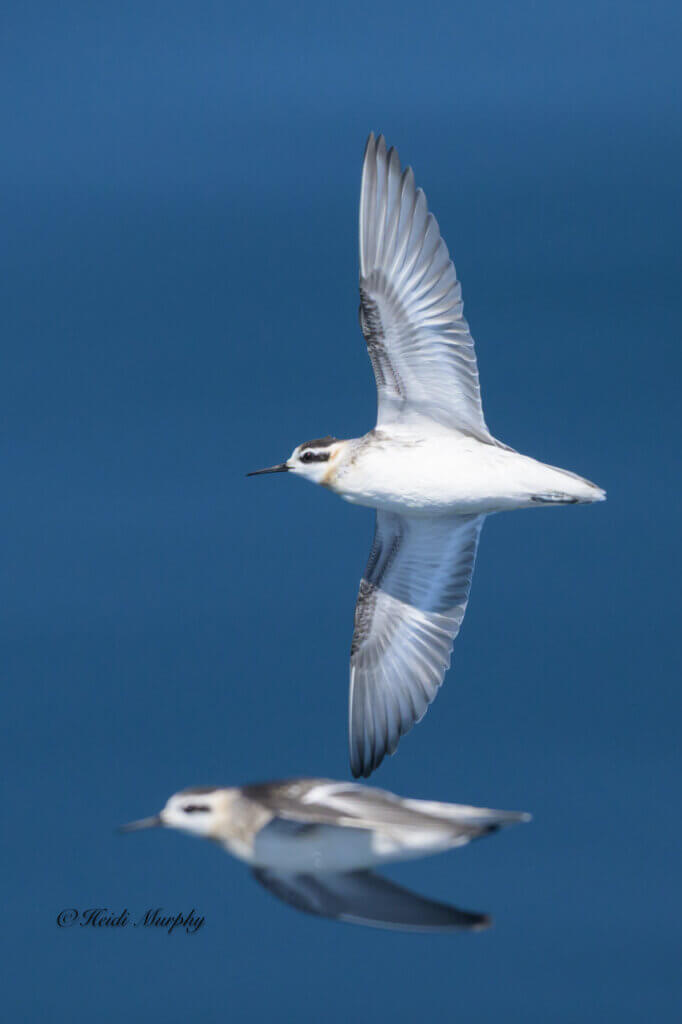
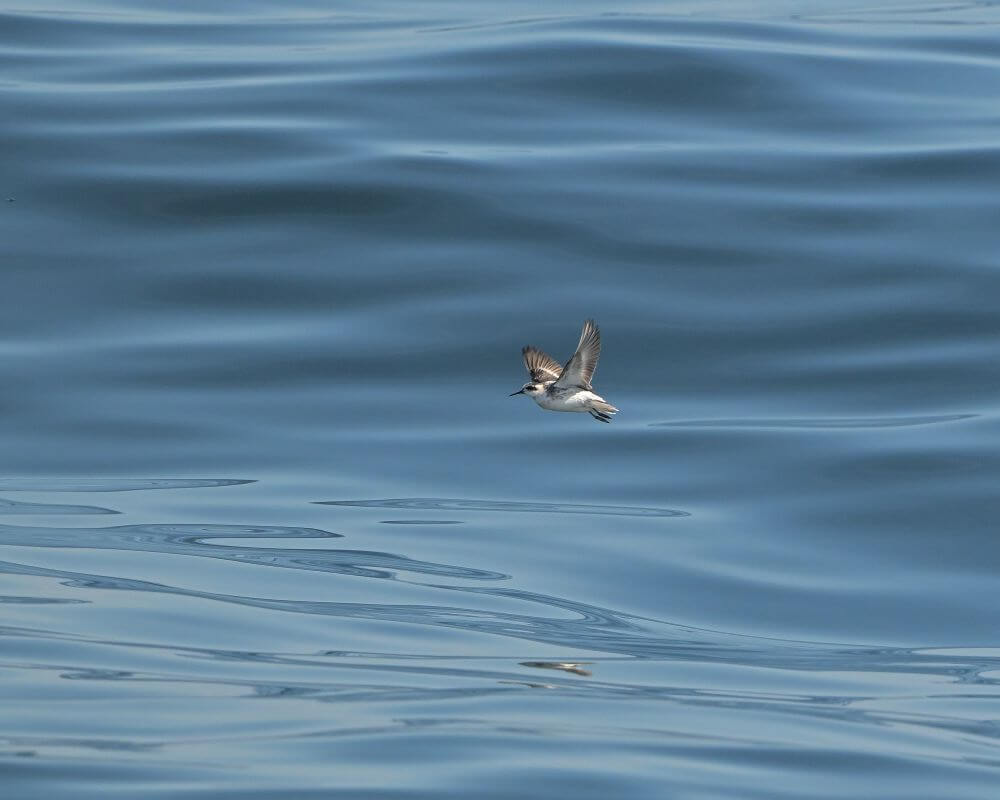
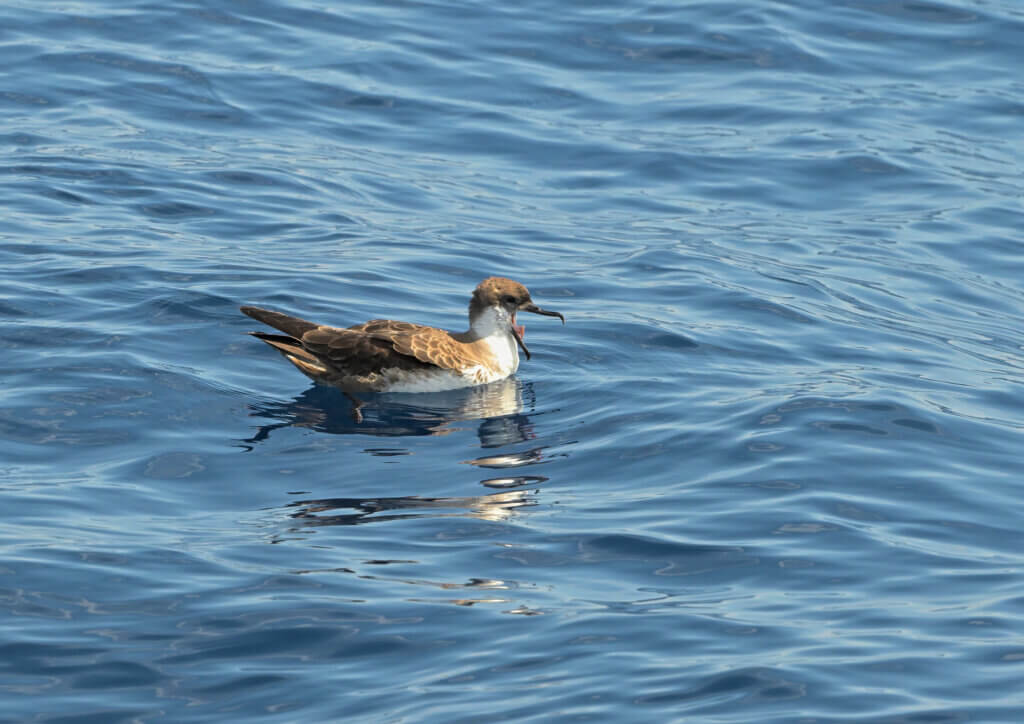
Once we reached the Nantucket Shoals, upwellings and 56° to 64°F SST (Sea Surface Temperature) water produced a significant fog bank. This area was not particularly birdy, although some shoals specialties for this trip were seen (phalaropes, Parasitic Jaeger, Manx Shearwater). Our first rarity was a South Polar Skua that crossed the boat and gave decent looks before winging it off to the east.

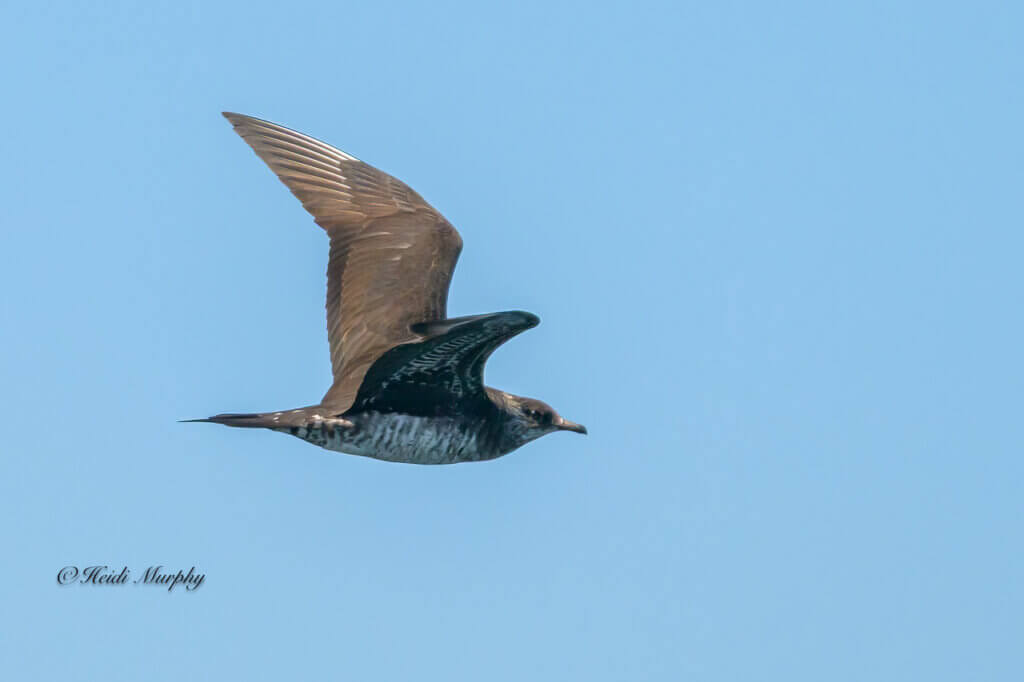
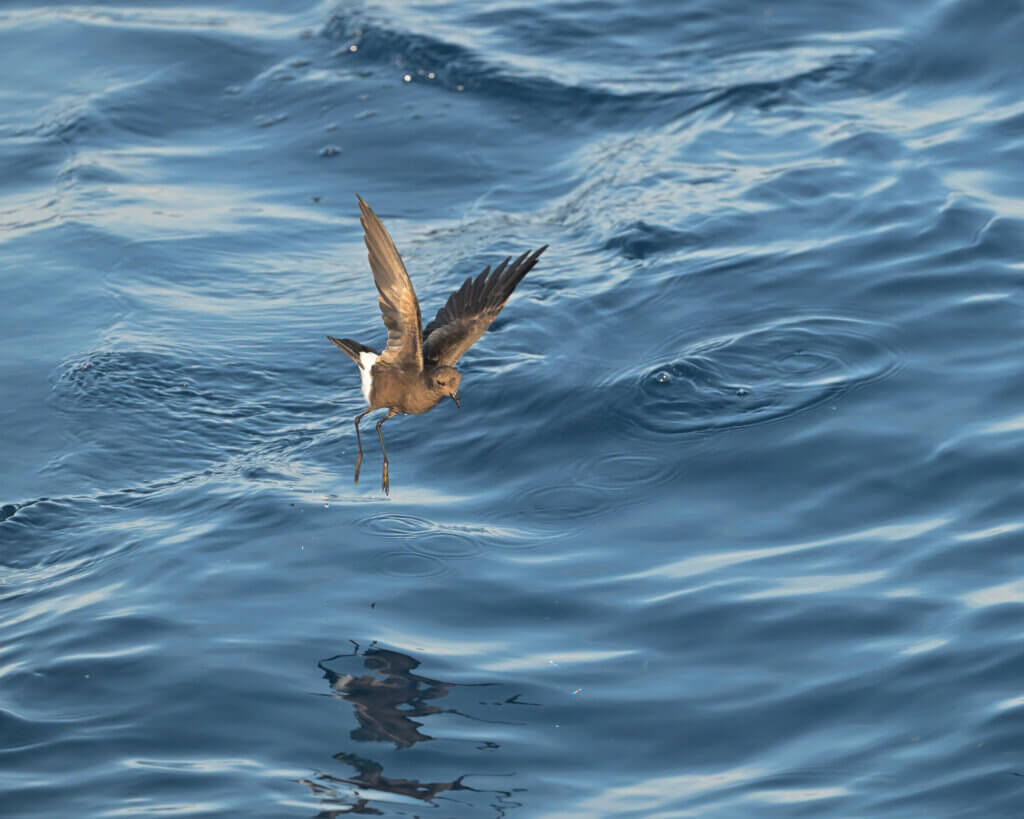
Not very far past the Nantucket Shoals we had a fairly sudden jump in water temperature (up to 71° to 76°F), some scattered Sargassum weed, and it was clear that Gulf Stream waters were mixing with cooler Continental Shelf waters. While the 40 mi stretch between the shoals and the shelf is often relatively birdless, it was more interesting on this trip as we passed between temperature bands that jumped 7-12° F as we moved south then dropped then jumped again. While the birds were mostly Great Shearwaters, Wilson’s Storm-Petrels, and phalaropes, we did see a distant Pomarine Jaeger and our first Sargasso Shearwater, with the latter substantially north of the usual zone for them.

Arriving at the Edge

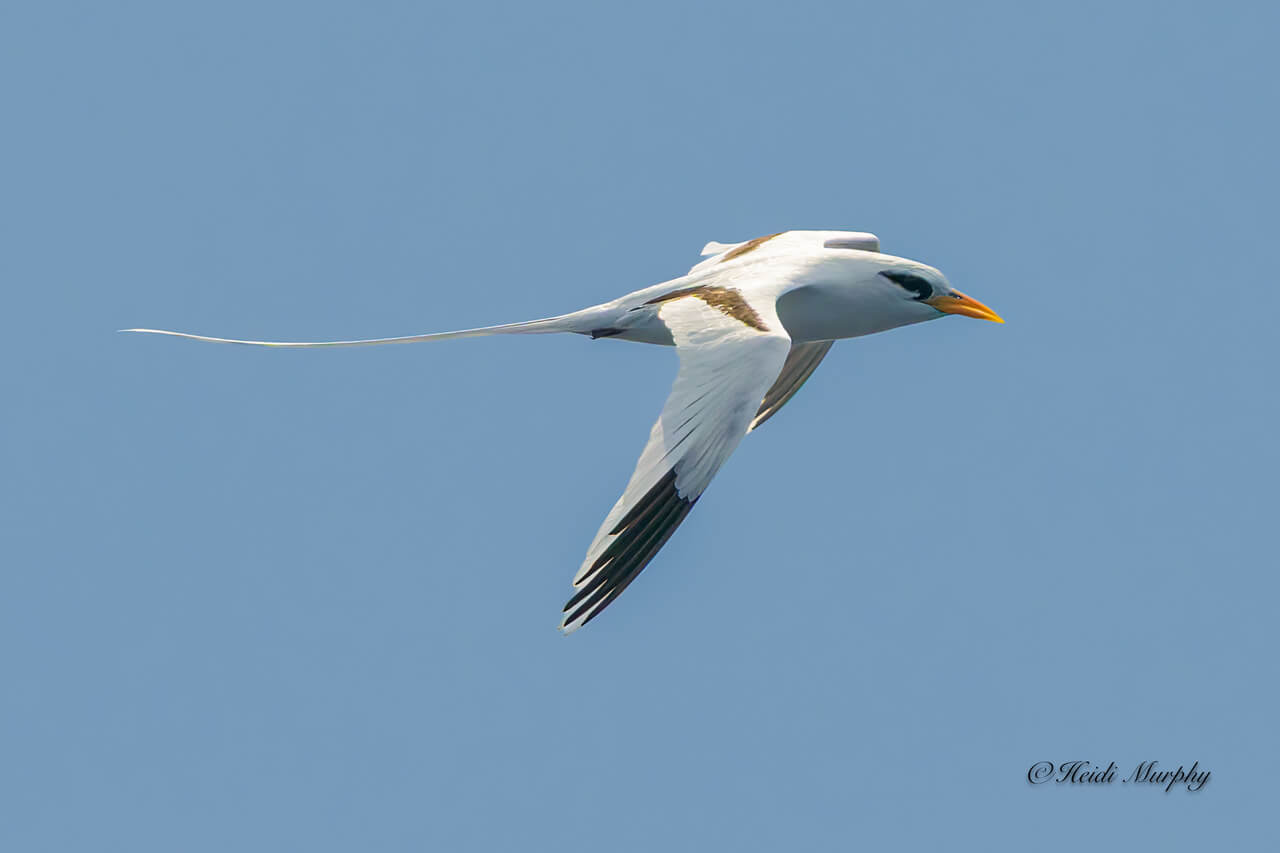
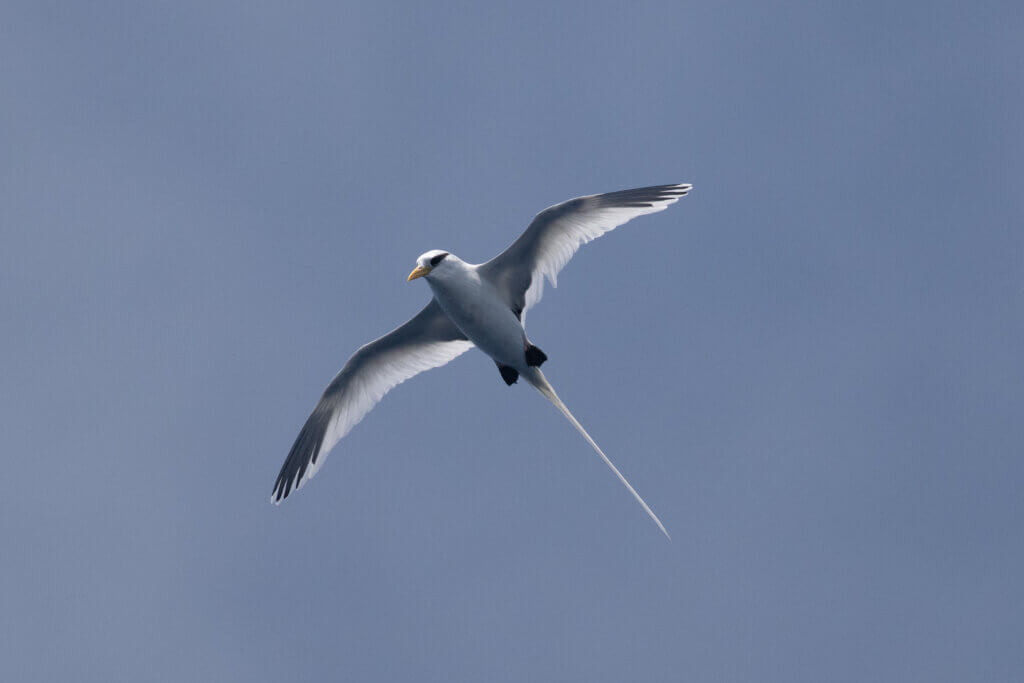
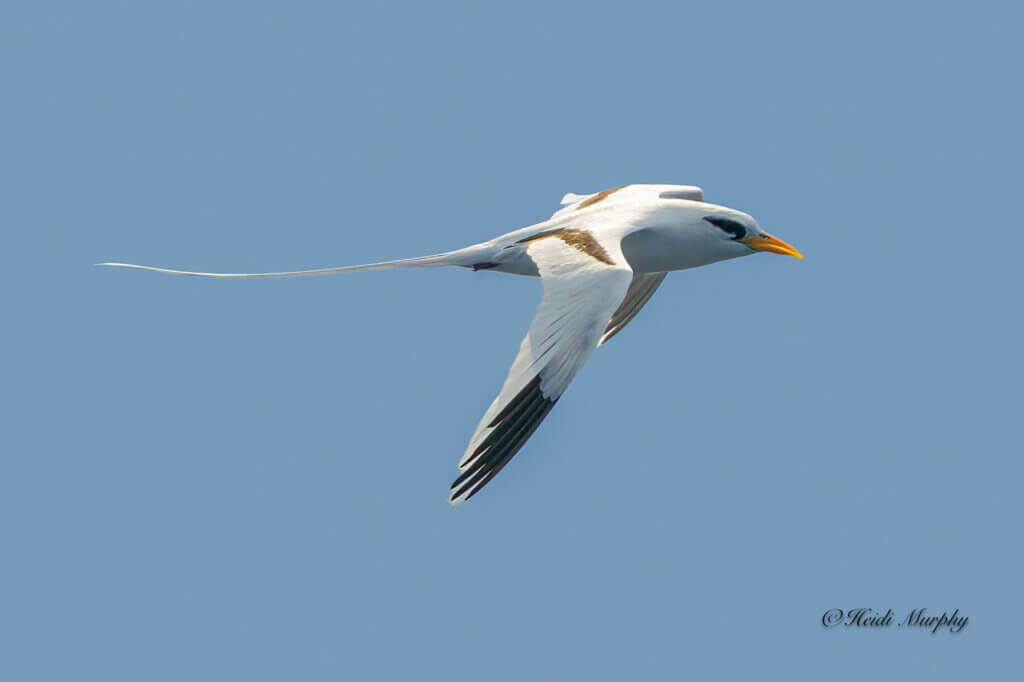
It remained birdy up to the tip of Hydrographer Canyon, at which point we slowed down and cruised slowly as we entered the canyon in 79° to 81°F SST, finding scattered birds, some flocks of shearwaters. We had a juvenile Long-tailed Jaeger but the highlight of the trip for most came with a cry of “WHITE-TAILED TROPICBIRD” from the back of the boat, a top shelf rarity for Massachusetts and maybe only the second found on a BBC trip. The Tropicbird occurred concurrently with our first of many Band-rumped Storm-Petrels.

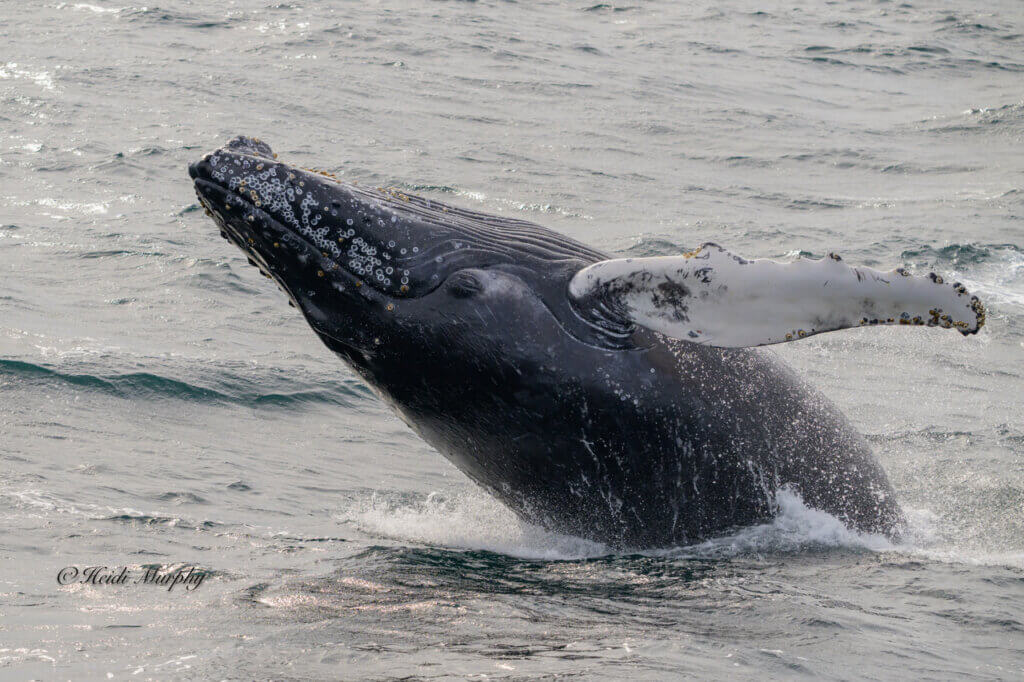
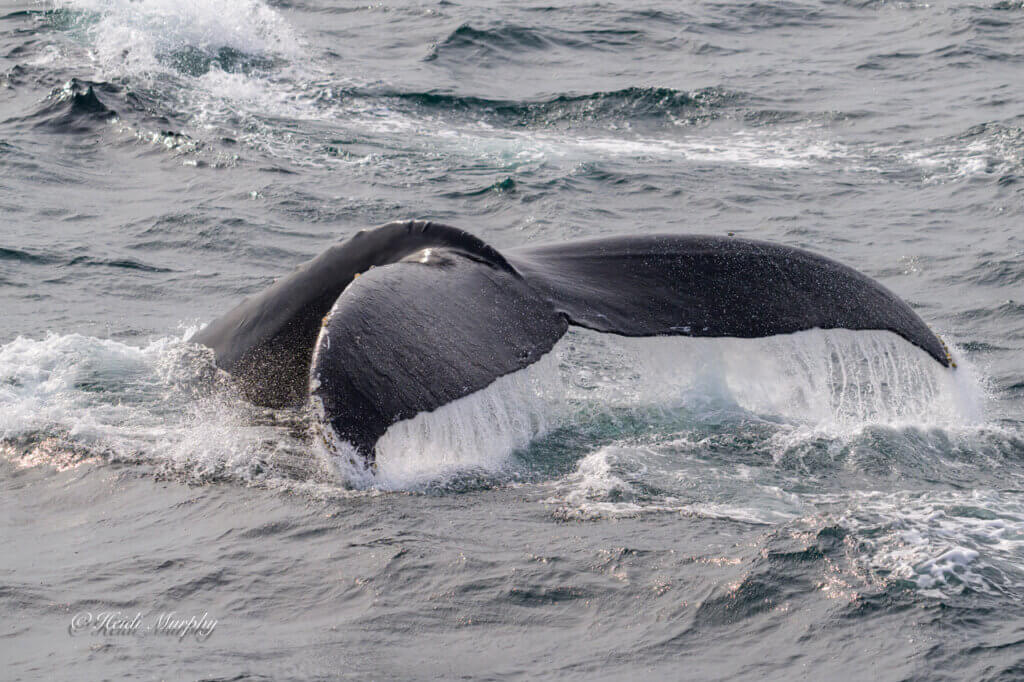
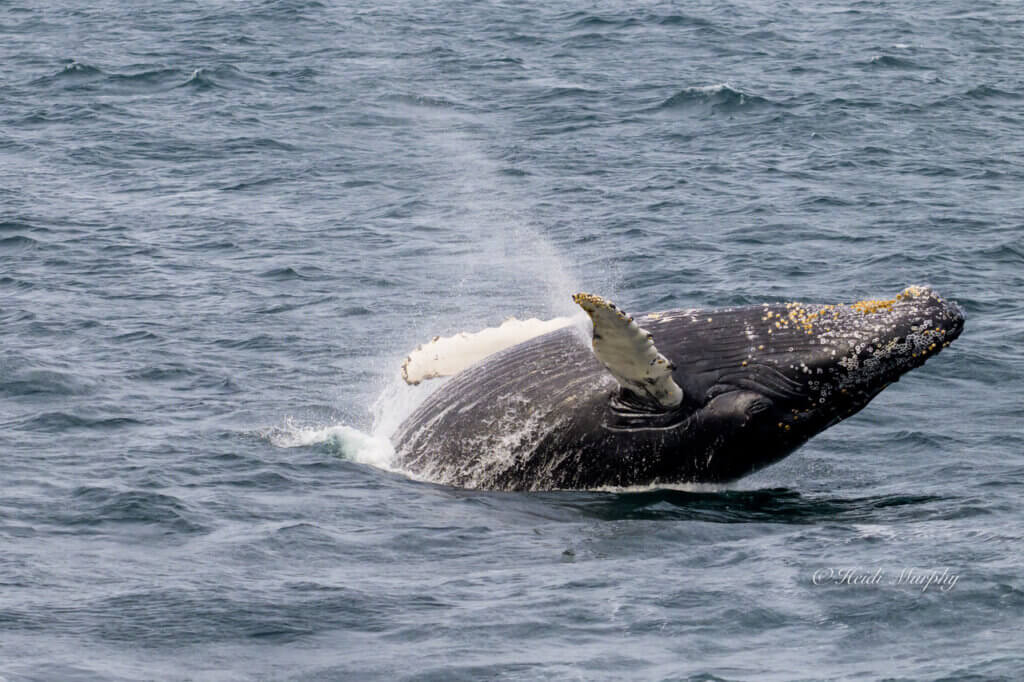
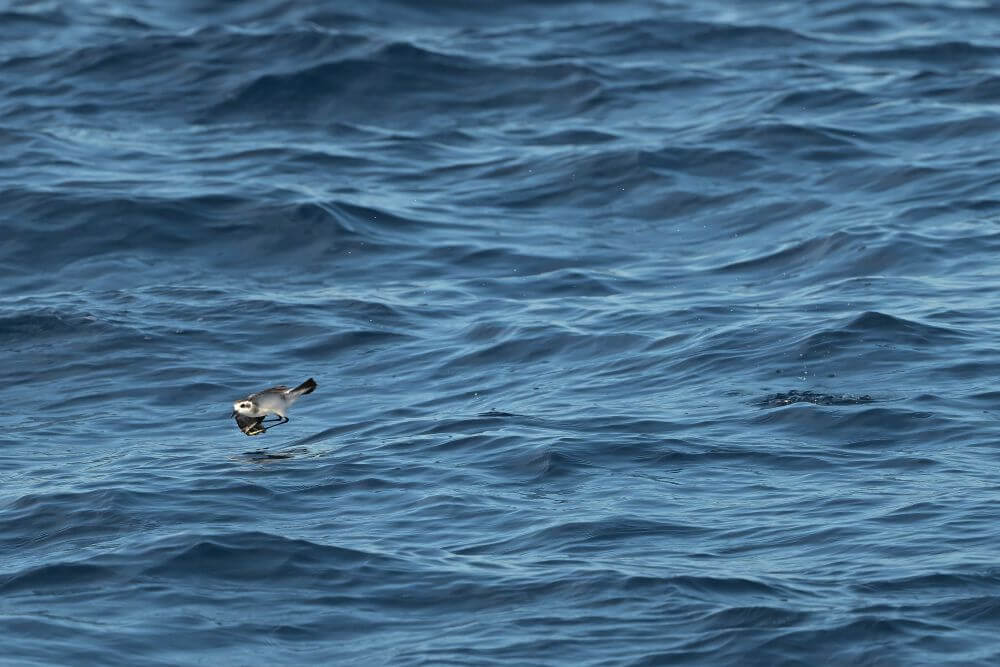
From there we angled ESE offshore and into deeper water (up to 3400 ft deep) and focused on finding White-faced Storm-Petrel and deepwater specialties like Band-rumped Storm-Petrel, the rare Black-capped Petrel and the equally rare Scopoli’s Shearwater. Within a few hours (and after three chumming attempts) we had found both species and also had great experiences with another deepwater specialty (Sperm Whale!). At that point we decided to turn back westward and head towards warmer waters reported to our west.

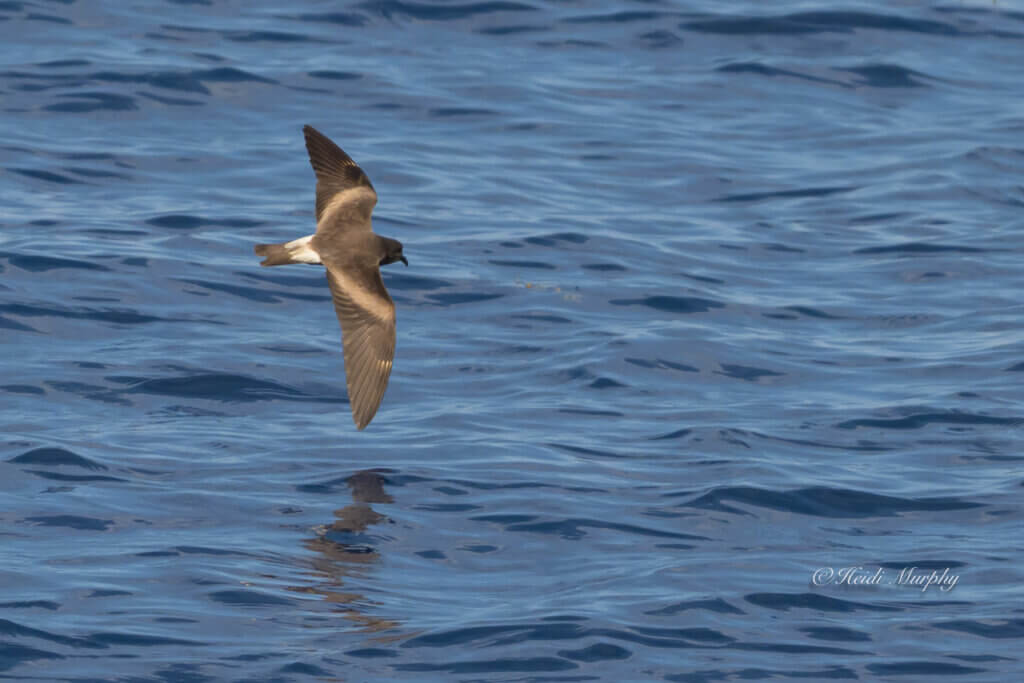
We motored slowly in deep water back, enjoying very birdy conditions with Great, Cory’s, and Sargasso Shearwaters along with good numbers of Wilson’s plus a few more Band-rumped and Leach’s Storm-Petrels. We returned to the shelf edge to set anchor in several hundred feet of water. After dinner, an intrepid group of iNatters donned long-handled nets to dip net Sargassum and investigate the sea life. The overnight checklists document some of the cool creatures that were found.

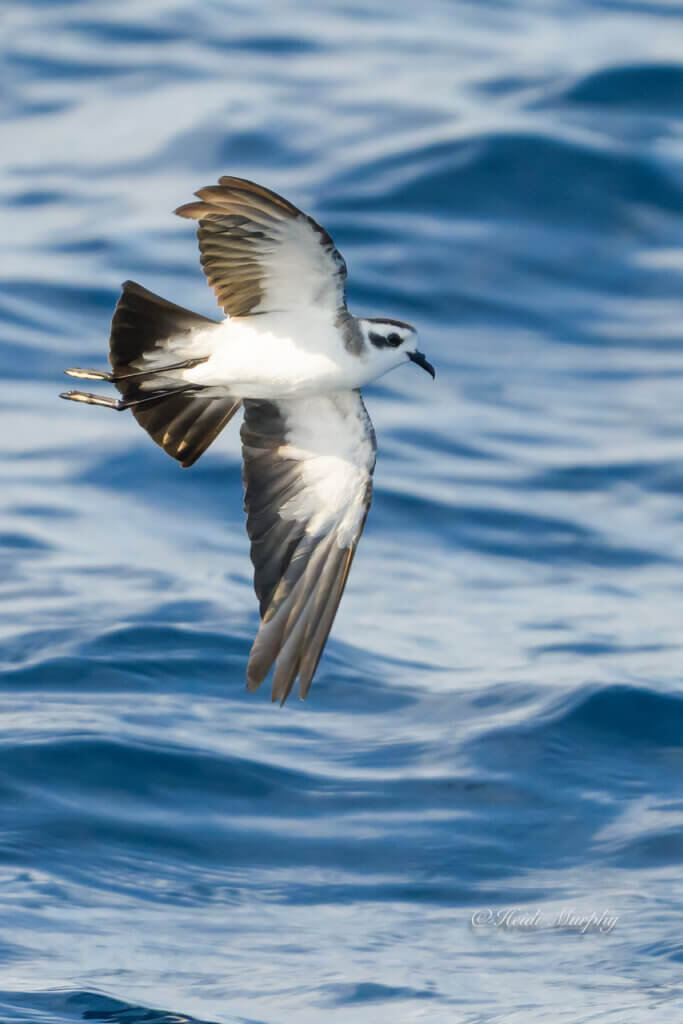
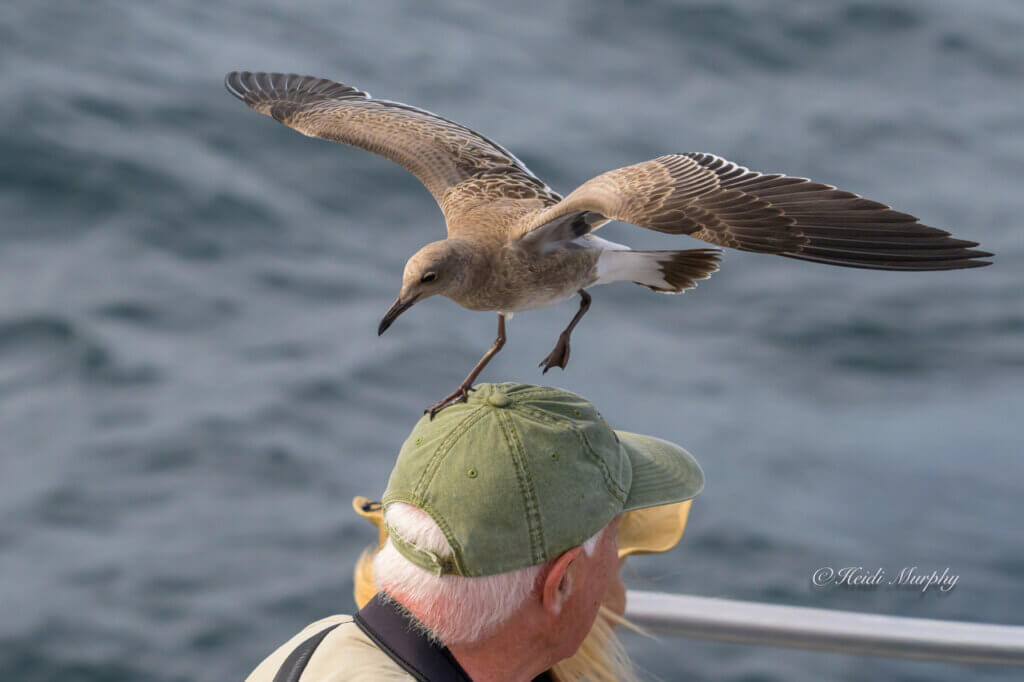
Overnight fishing by the crew did not produce much, but at dawn as we started to pull up the anchor there was a Band-rump in our slick and a White-faced Storm-Petrel off our port side. We decided to cruise slowly through the deep water and pick carefully through the birds were found. There was a bit more wind and chop, and it was quite birdy giving us plenty to look at. As we steamed eastward we noticed a couple more Band-rumpeds and eventually spotted some pilot whales that occurred concurrently with another South Polar Skua.

The One That Got Away – Maybe

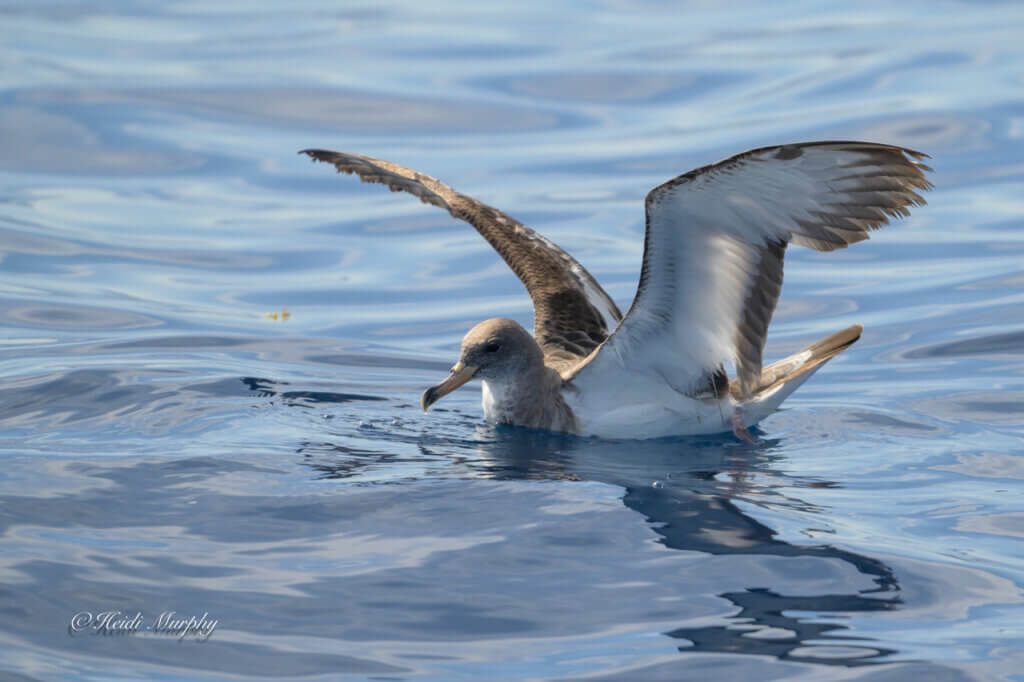
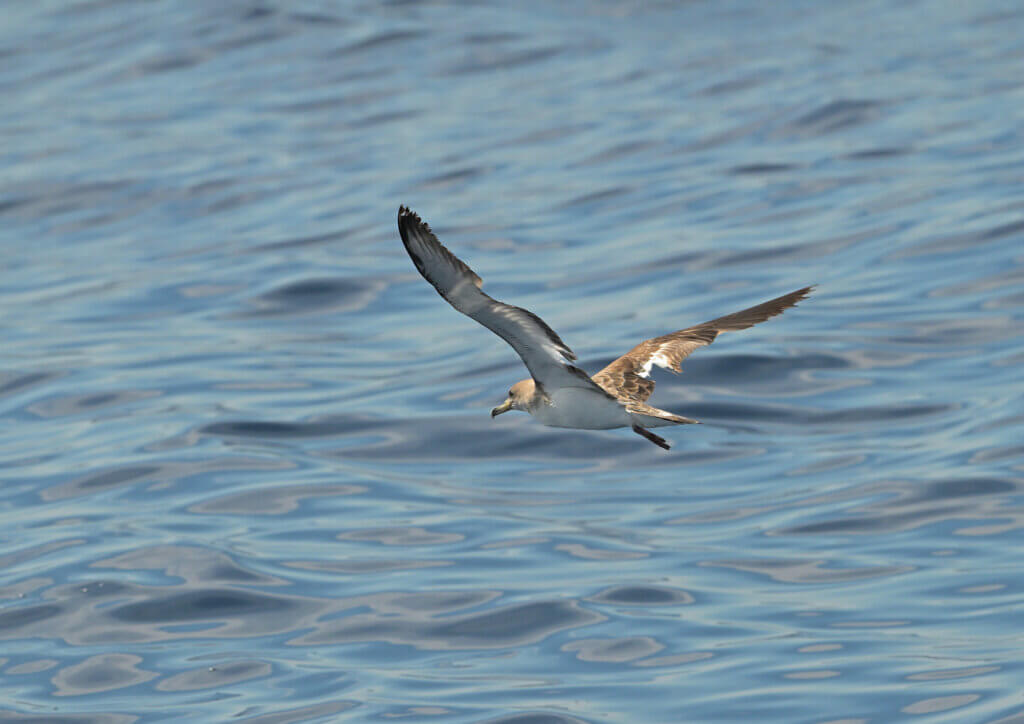
The bird that got away, maybe, was a Calonectris Shearwater that Iliff photographed just before the concurrent excitement of pilot whales and South Polar Skua. It was photographed as we steamed through a small group of 8-10 Cory’s and 5-8 Great Shearwaters on the water (after not seeing many Cory’s) and unfortunately the bird banked off into the sun and it took a little bit of time to assess the photos and realize they pertained to a potential Cape Verde Shearwater.

The images are in odd light but show an intriguingly dark, slender bird with hints of a darker cap, slender bill, and bill color that is either faintly pinkish or grayish with a pinkish case due to the backlighting; the bill does not have any yellow tones in the images, which is what is expected on both Cory’s and Scopoli’s. The underwing matches Cory’s better than Scopoli’s, with no white whatsoever showing on the underside of the primaries (although some Italian Scopoli’s may show this pattern).

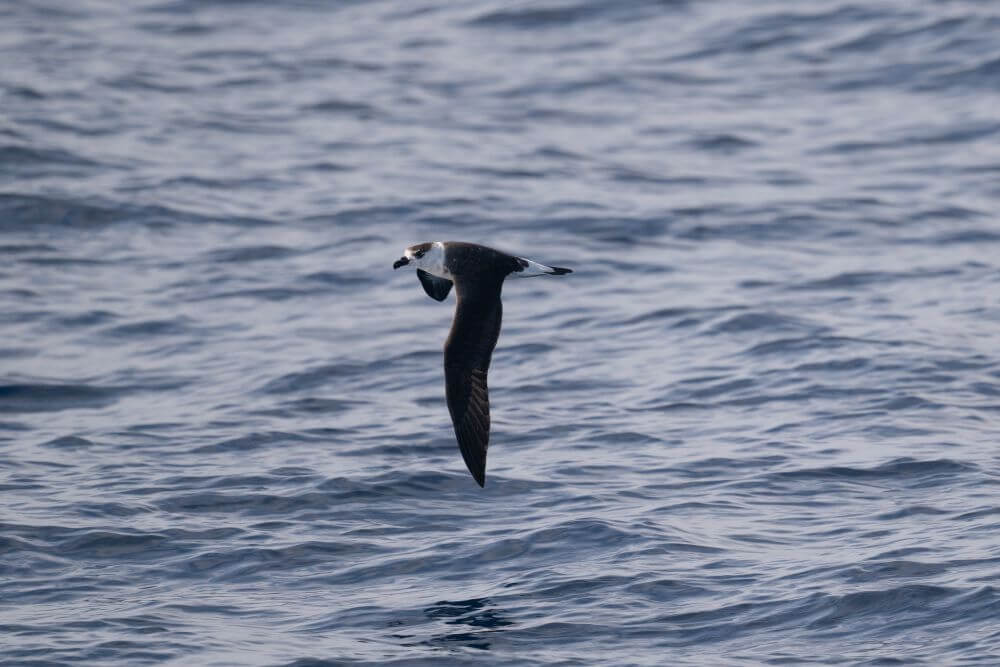
At the moment the photos are being shared with other experts for assessment. The bird may or may not be confirmable as the state’s second sighting and North America’s fourth. After the skua and pilot whales we tried to chum and relocate this bird for the next ~2 hours, but were unsuccessful. In the process we did chum in a wonderful Black-capped Petrel (of the white-faced form, as all have been up to this point), one of the first Pterodroma we have successfully chummed in on these trips, although it did not stay long.

The Return Trip

Once we finished our last chumming effort we moved back north and were able to spot a very distant speck of a bird off the prow of a huge container vessel. Knowing that only a couple bird species might show that prolonged soaring behavior off the front of. vessel, we suspected Brown Booby and were eventually able to confirm that with the wonders of modern photography, which even allowed us to age it as an adult (given the bright white belly). This is maybe only the second Brown Booby on a BBC Pelagic trip.

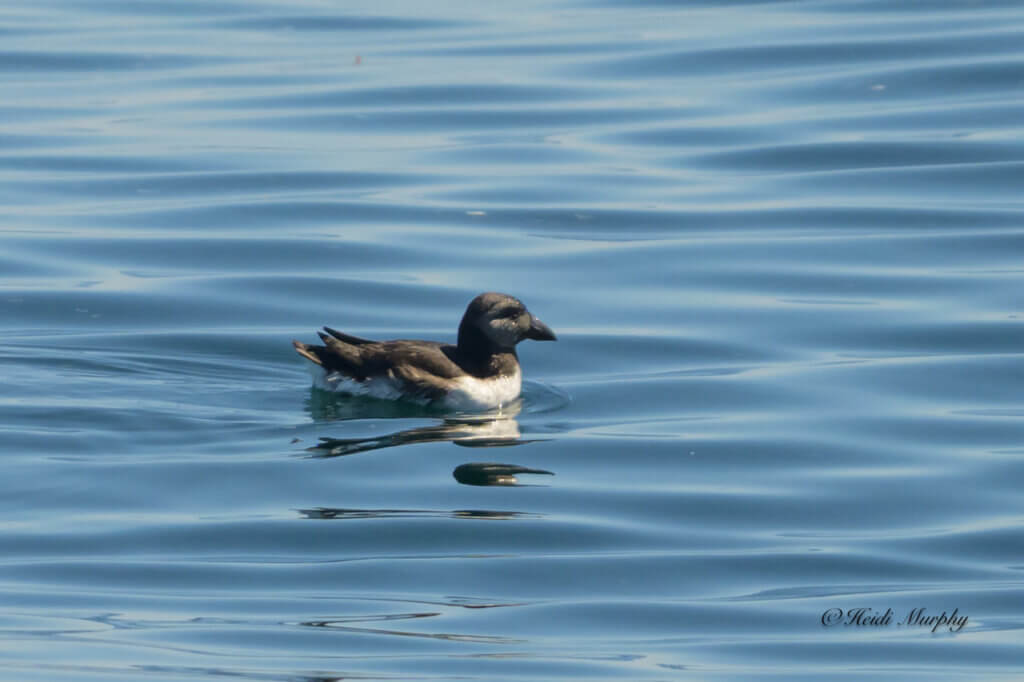
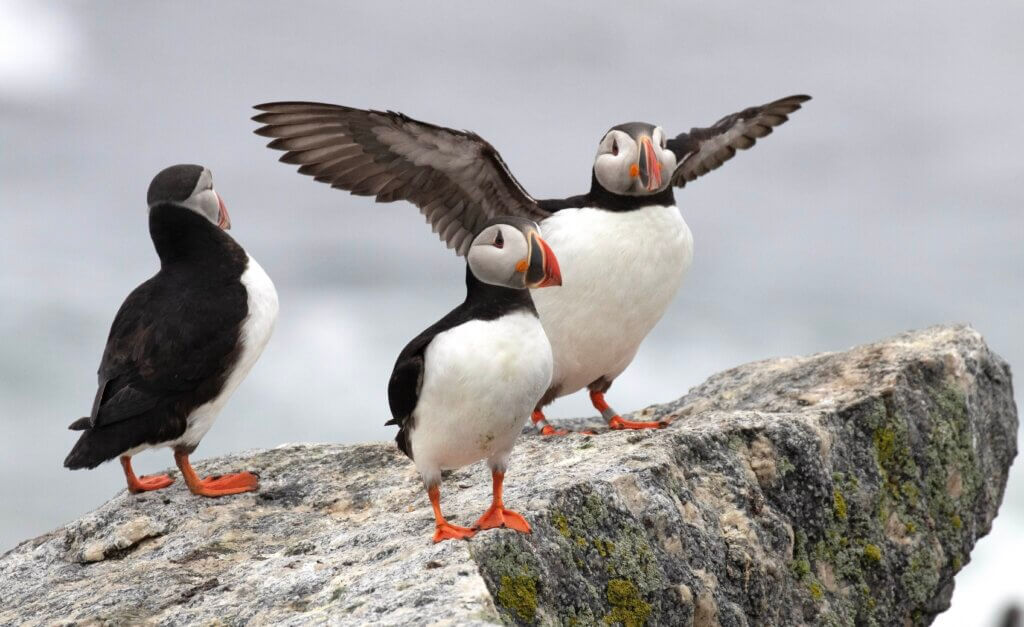
As we moved back over Hydrographer the waters got calmer and eventually were truly smooth, allowing for great spotting conditions. We encountered yet another White-faced Storm-Petrel, and then another, and then another, giving us a total of six for the trip. Two juvenile Long-tailed Jaegers, one pale and one chocolate-brown, flew right at us and down the vessel. The waters remained birdy as we passed through bands of warm and cooler and warmer water again, with Sargassum scattered up to the edge of the Nantucket Shoals again and a few Sargasso Shearwaters well north of their normal zone, as on the previous day. Back on the Shoals we found shearwaters sitting in flocks, managed good view of a Manx Shearwater and multiple phalarope flocks. Elias Markee-Ratner, who had done a superb job spotting from the back of the boat during the entire trip, spotted our final surprise with a juvenile Atlantic Puffin (maybe unprecedented for a BBC trip in August) in a portion of the shoals that was peppered with phalaropes and some scattered surface-swimming sharks. That final highlight put an exclamation point on what was an amazing and extremely successful trip.

As always, we had multiple non-bird highlights as well. These are detailed in the individual lists and summarized below.

BIRDS:
15 – Canada Goose
7 – Mallard
50 – Common Eider
41 – Rock Pigeon
7 – Mourning Dove
2 – Chimney Swift
5 – Black-bellied Plover
1 – Semipalmated Plover
1 – Hudsonian Whimbrel
1 -Red Phalarope
162 – Red-necked Phalarope
1 – Greater Yellowlegs
8 – Sanderling
2 -Least Sandpiper
3 – Long-tailed Jaeger
3 -Parasitic Jaeger
1 – Pomarine Jaeger
3 – South Polar Skua
1 – Atlantic Puffin
2 – Bonaparte’s Gull
51 – Laughing Gull
1 – Ring-billed Gull
99 – American Herring Gull
101 – Great Black-backed Gull
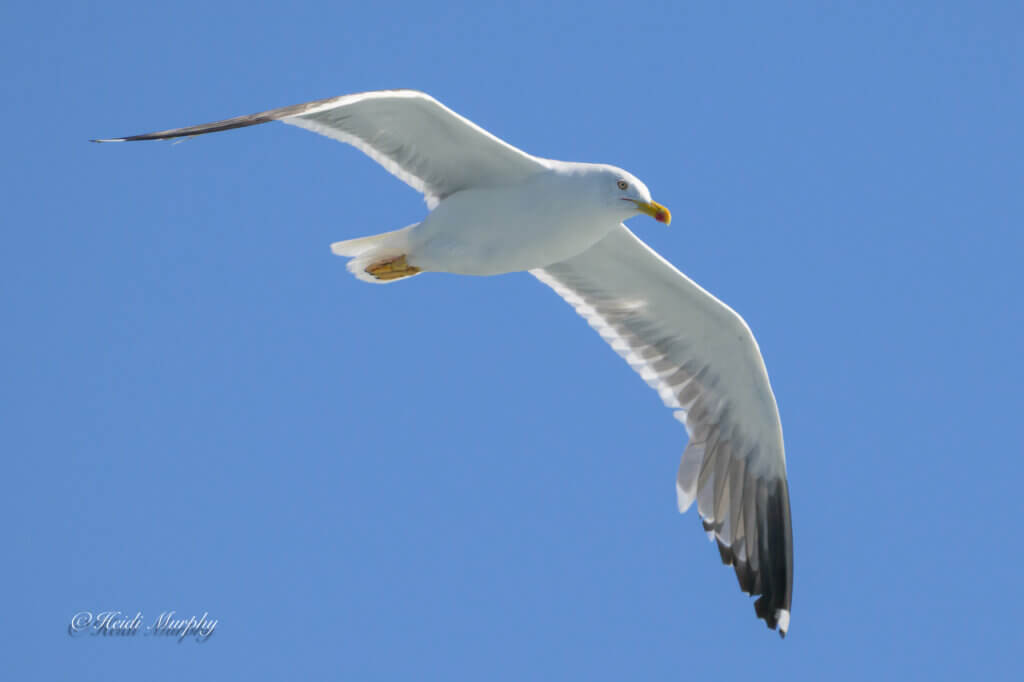
8 -Lesser Black-backed Gull
1 – Least Tern
20 – Black Tern
146 – Common Tern
6 – Roseate Tern
1 – White-tailed Tropicbird
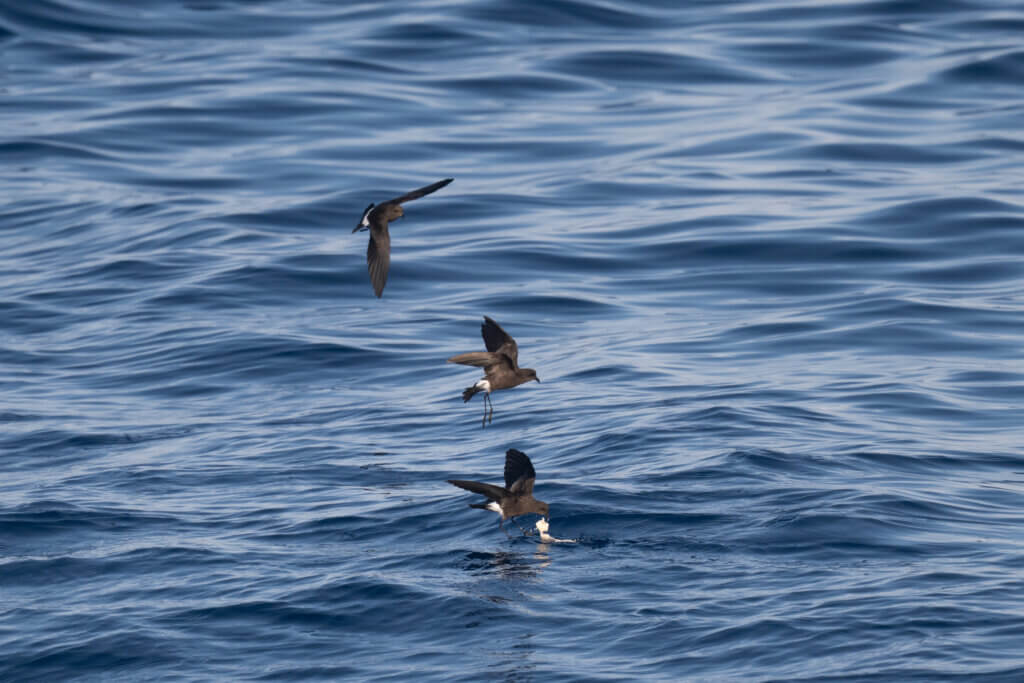
498 – Wilson’s Storm-Petrel
6 – White-faced Storm-Petrel
6 – Leach’s Storm-Petrel
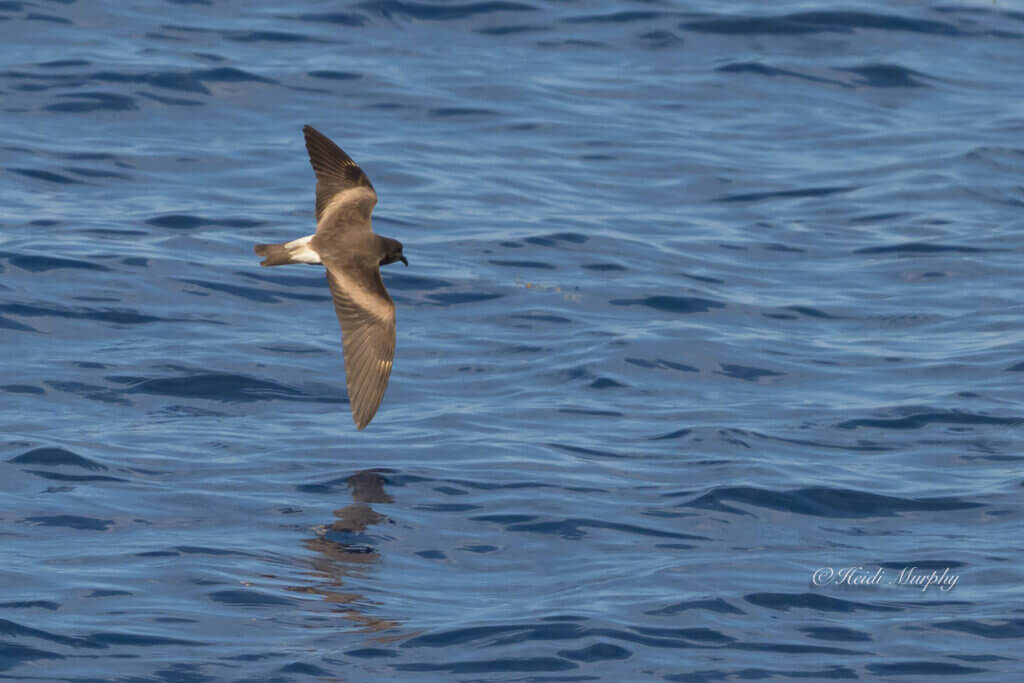
16 – Band-rumped Storm-Petrel
5 – Black-capped Petrel
281 – Cory’s Shearwater
1 – Scopoli’s Shearwater
654 – Great Shearwater
2 – Sooty Shearwater
6 – Manx Shearwater
142 – Sargasso Shearwater
1 – Northern Gannet
1 – Brown Booby
163 – Double-crested Cormorant
1 – Black-crowned Night Heron
3 – Osprey
4 – American Crow
13 – Barn Swallow
1 – Carolina Wren
32 – European Starling
2 – American Robin
12 – House Sparrow
290 – Common Grackle

OTHER FAUNA (counts are estimates by Iliff, but can be refined once lists are complete):

MAMMALS:
Fin Whale – 4+, scattered on the shelf
Sperm Whale – 4+, scattered in deep water off the shelf
Common Dolphin – 153+, several groups
(Offshore) Bottlenosed Dolphin – 16+, 2-3 groups off the shelf
Risso’s Dolphin – 58+, several groups at or beyond the shelf
Long-finned/Short-finned Pilot Whale – ~5, in one group (Short-finned is likeliest, but ID to species is extremely challenging)

Gray Seal – 1, in harbor as we returned to the boat slip

SHARKS and RAYS:
Basking Shark – 2-3 seen breaching as we neared Hydrographer Canyon on 24 Aug
Porbeagle Shark – 2-3 seen on return trip 25 Aug over Nantucket Shoals (ID to be confirmed)
Blue Shark – 1-2 seen on return trip 25 Aug over Nantucket Shoals
Tiger Shark – 1 large individual seen 24 Aug at anchorage just as darkness set in and dip netting began

FISH:
Half-beak – reported by someone at overnight anchorage
Sailfish – 1 juvenile seen by dip-netting crew at overnight anchorage
Mahi-mahi – 1 juvenile by dip-netting crew at overnight anchorage
Flying fish – multiples seen by day, always scattered and usually smaller types. Some were banded orange and black and recalled Halloween Pennant (a distinctive dragonfly). While dip-netting, the crew identified Sargassum Midget and at least 3 others species.
Filefish – (possibly Unicorn Filefish), photos to be identified
Additional fish which came up with sargassum, photographed for later identification.
Mola mola (Ocean Sunfish) – At least one seen by someone on the trip out

BUGS:
Common Green Darner – 2, offshore on return trip
some moths (ID?)
Monarch – 1, reported by someone

OTHER STUFF:
Sargassum Swimming Crab – 3, dip netted overnight
Portuguese Man-o-war – 1, seen floating at surface, unusually scarce for this trip
Flying squid – seen by dip-netting crew at overnight anchorage
Tunicate – weird one dip-netted at overnight anchorage

BBC August 24-25 Overnight Pelagic Report2026-09-14T13:49:29-04:00

BBC on WHDH Channel 7 News

BBC on WHDH Channel 7 News

On July 30 and 31st the BBC was on WHDH Channel 7 News!

WHDH Channel 7 News aired a story promoting birding and starring BBC board members John Edmondson, Mark Hibbard, Michealle Larkin, Ibrahim Ware, and Cliff Cook. Filming took place at Mt. Auburn Cemetery and Horn Pond in Woburn. WHDH edited down several hours of video into two minutes of highlights that we hope do a good job of getting across our message. 

View the story here.

BBC on WHDH Channel 7 News2026-08-20T10:31:52-04:00

BBC Field Records Project

BBC Field Records Project

For many years, the club engaged in a project to import our historic field card data into eBird. Our archive of about 10,000 cards dating back to 1926 might be unique in North America.

Initially, club statistician David Scott worked with a team of volunteers to import much of this data. During the first few years we completed about two-thirds of the work, including most trips dating back to the late 1960s.

More recently, we have worked with ornithologist and eBird reviewer Dan Scheiman, who has a passion for importing historic records into eBird. He has entered all our trip reports from 1930 up to the mid-60s, as well as filling in the gaps from more recent years, adding thousands of checklists to the club’s eBird account.

If you have a collection of old notebooks, trip lists, or any type of paper or digital records that you would like imported into your eBird account, then we highly recommend hiring Dan. He’ll work quickly and efficiently to bring your eBird lists up to date. Contact Dan at birddan@comcast.net.

To learn more about the BBC Field Record Card Project contact David Scott at dscott@brooklinebirdclub.org.

BBC Field Records Project2026-08-20T10:33:41-04:00
Go to Top