Announcing the BBC 2024 Young Birder’s Scholarship
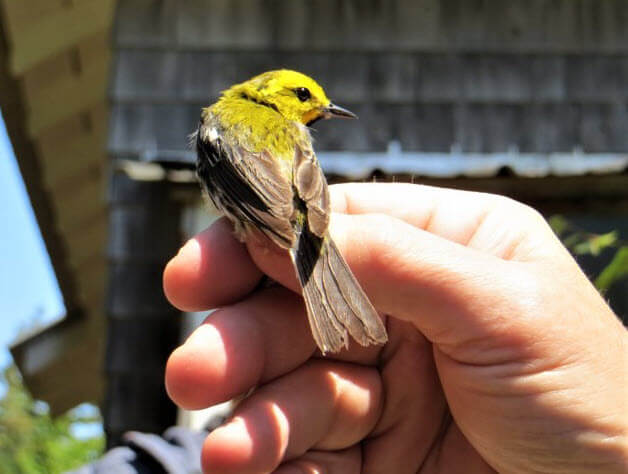
The BBC is pleased to announce that we will again offer two Bill Drummond Young Birder’s Scholarships to nurture interest in bird study and conservation among young birders. The 2024 scholarships will cover the [...]
December 2, 2023 BBC Pelagic Registration
Cost: $100 per person for BBC members/$120 per person for nonmembers (payment link will appear after you submit this form). **IMPORTANT: EACH PERSON IN YOUR PARTY MUST SUBMIT THIS REGISTRATION FORM SEPARATELY** ***If you registered [...]
November 18, 2023 BBC Pelagic Registration
Cost: $100 per person for BBC members/$120 per person for nonmembers **IMPORTANT: EACH PERSON IN YOUR PARTY MUST SUBMIT THIS REGISTRATION FORM SEPARATELY** When/where: Saturday, November 18, 2023 (rain date for bad weather Nov [...]
BBC Overnight Pelagic August 28-29, 2023 – Trip Report
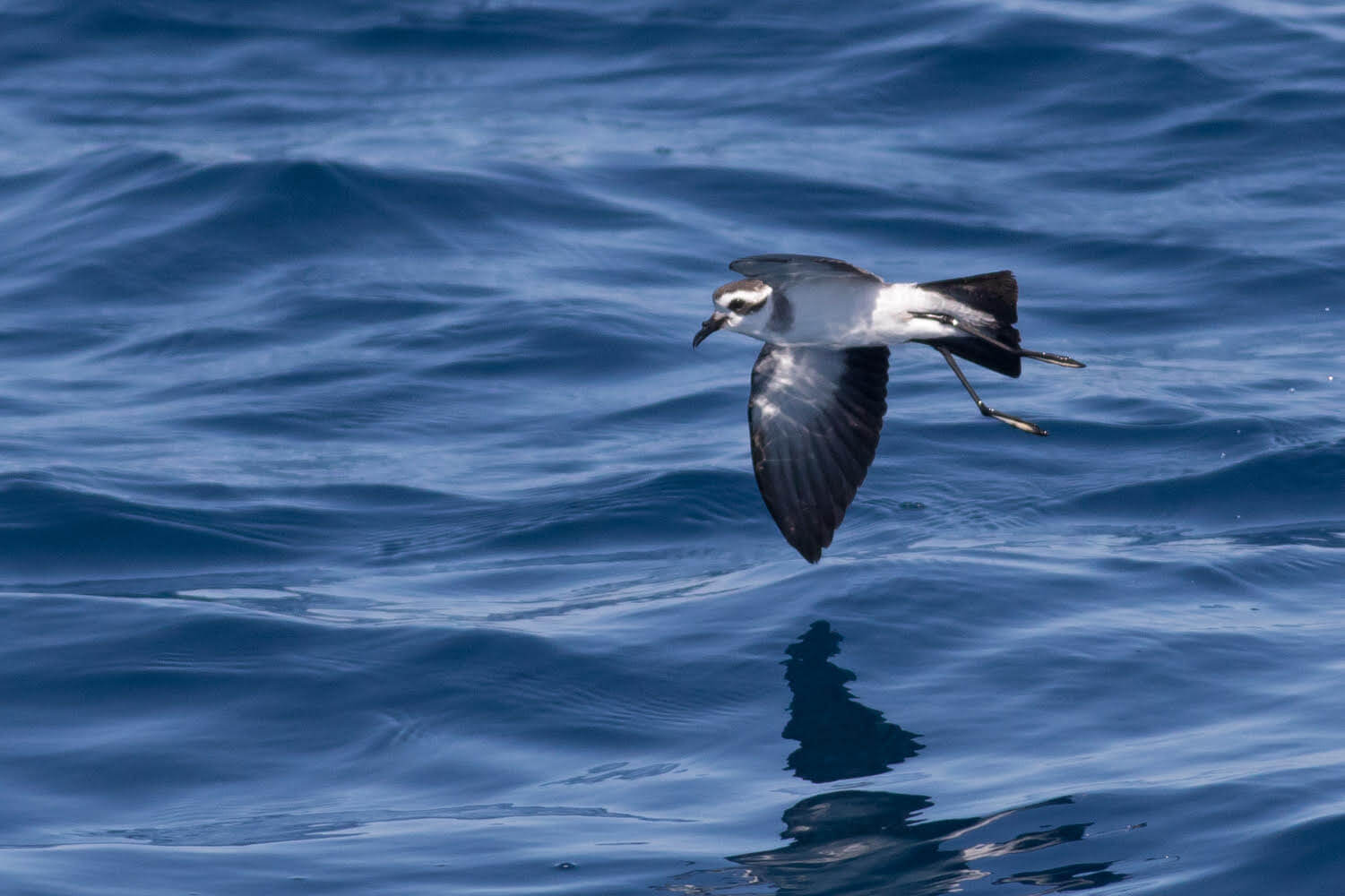
Leaders: Peter Flood, Liam Waters, Keenan Yakola BBC trip organizers: Naeem Yusuff, Bobbie Hodson, Sebastian Jones Data compiled by P. Flood; eBird lists and trip report by S. Jones Nearly cancelled due to weather [...]
Bonanza of Book Fund Donations
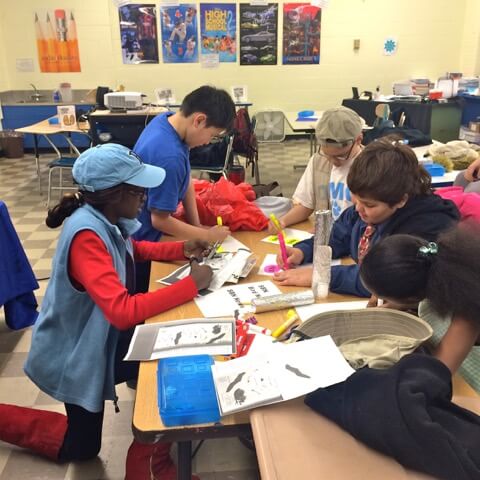
The BBC Conservation and Education Committee is pleased to announce an extraordinary run of six Book Fund donations, totaling around $4000, to schools and educational programs from around and beyond Massachusetts. The Book Fund, supported [...]
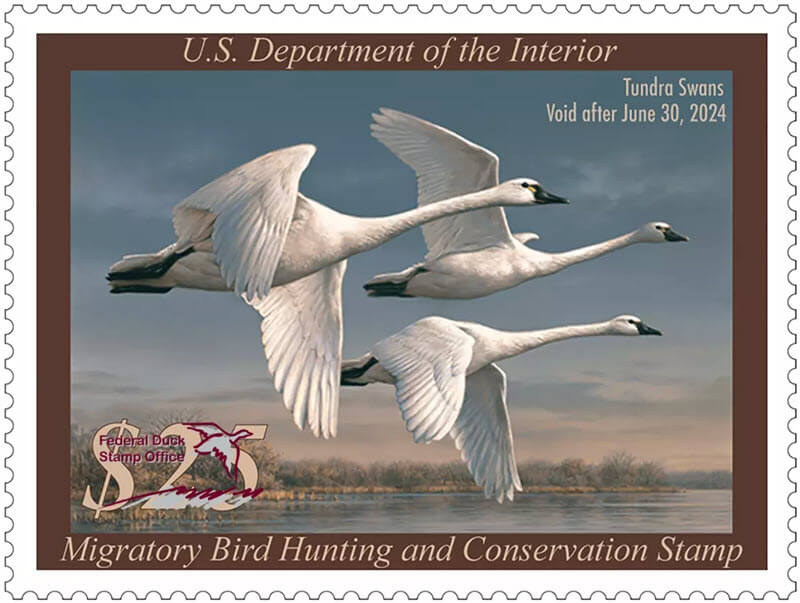
2023-2024 Federal Duck Stamps On Sale Now!
The BBC is again selling the Federal Migratory Bird Conservation and Hunting Stamp. We are doing this in support of the National Wildlife Refuge System and to support conservation of federal lands. Ninety-eight cents [...]
Announcing the BBC 2024 Young Birder’s Scholarship
The BBC is pleased to announce that we will again offer two Bill Drummond Young Birder’s Scholarships to nurture interest in bird study and conservation among young birders. The 2024 scholarships will cover the [...]
December 2, 2023 BBC Pelagic Registration
Cost: $100 per person for BBC members/$120 per person for nonmembers (payment link will appear after you submit this form). **IMPORTANT: EACH PERSON IN YOUR PARTY MUST SUBMIT THIS REGISTRATION FORM SEPARATELY** ***If you registered [...]
November 18, 2023 BBC Pelagic Registration
Cost: $100 per person for BBC members/$120 per person for nonmembers **IMPORTANT: EACH PERSON IN YOUR PARTY MUST SUBMIT THIS REGISTRATION FORM SEPARATELY** When/where: Saturday, November 18, 2023 (rain date for bad weather Nov [...]
BBC Overnight Pelagic August 28-29, 2023 – Trip Report
Leaders: Peter Flood, Liam Waters, Keenan Yakola BBC trip organizers: Naeem Yusuff, Bobbie Hodson, Sebastian Jones Data compiled by P. Flood; eBird lists and trip report by S. Jones Nearly cancelled due to weather [...]
Bonanza of Book Fund Donations
The BBC Conservation and Education Committee is pleased to announce an extraordinary run of six Book Fund donations, totaling around $4000, to schools and educational programs from around and beyond Massachusetts. The Book Fund, supported [...]
2023-2024 Federal Duck Stamps On Sale Now!
The BBC is again selling the Federal Migratory Bird Conservation and Hunting Stamp. We are doing this in support of the National Wildlife Refuge System and to support conservation of federal lands. Ninety-eight cents [...]
Announcing the BBC 2024 Young Birder’s Scholarship
The BBC is pleased to announce that we will again offer two Bill Drummond Young Birder’s Scholarships to nurture interest in bird study and conservation among young birders. The 2024 scholarships will cover the [...]
December 2, 2023 BBC Pelagic Registration
Cost: $100 per person for BBC members/$120 per person for nonmembers (payment link will appear after you submit this form). **IMPORTANT: EACH PERSON IN YOUR PARTY MUST SUBMIT THIS REGISTRATION FORM SEPARATELY** ***If you registered [...]
November 18, 2023 BBC Pelagic Registration
Cost: $100 per person for BBC members/$120 per person for nonmembers **IMPORTANT: EACH PERSON IN YOUR PARTY MUST SUBMIT THIS REGISTRATION FORM SEPARATELY** When/where: Saturday, November 18, 2023 (rain date for bad weather Nov [...]
BBC Overnight Pelagic August 28-29, 2023 – Trip Report
Leaders: Peter Flood, Liam Waters, Keenan Yakola BBC trip organizers: Naeem Yusuff, Bobbie Hodson, Sebastian Jones Data compiled by P. Flood; eBird lists and trip report by S. Jones Nearly cancelled due to weather [...]
Bonanza of Book Fund Donations
The BBC Conservation and Education Committee is pleased to announce an extraordinary run of six Book Fund donations, totaling around $4000, to schools and educational programs from around and beyond Massachusetts. The Book Fund, supported [...]
2023-2024 Federal Duck Stamps On Sale Now!
The BBC is again selling the Federal Migratory Bird Conservation and Hunting Stamp. We are doing this in support of the National Wildlife Refuge System and to support conservation of federal lands. Ninety-eight cents [...]
News Categories
Upcoming Field Trips
Field Trips / Events
-
-
Barretts Mill Farmland
Concord - Barretts Mill Farmland Barrett's Mill Road, Concord, MA, United StatesThis is often a great place for fall sparrows including Savannah, Field, and White-crowned, as well as Pipit and occasional Dickcissel. Loaner binoculars available; please email trip leader to reserve a pair! If the weather doens't look good, contact the leader to check status.
-
Hellcat at Parker River NWR
Parker River NWR - Lot #4 Newbury, MA, United StatesDuring the past few years the refuge has opened the dike to hiking during National Wildlife Refuge Week. We will plan to do that hike if the dike is again open this year. Otherwise we hike the boardwalk and normal dike area.
-
Fruitlands Museum, Harvard
Harvard - Fruitlands Museum 102 Prospect Hill Rd., Harvard, MA, United StatesCosponsored with Boxborough Birders. We will look for fall migrants and resident birds. Expect to walk about 2 miles on trails through meadow and woods, with some steep sections. Heavy rain cancels the trip.
-
Arlington Reservoir
Lexington - Arlington Reservoir 210 Lowell Street, Arlington, MA, United StatesIn the fall water levels are lowered creating good conditions for ducks and shorebirds. We will also visit the adjacent Lexington community farm. Birds are found feasting on the remains of the crops planted there. We will walk about a mile on wide paths and some uneven ground (possibly muddy). Note that the reservoir area [...]
-
An Oasis for Birds at Belle Isle Marsh
East Boston - Belle Isle Parking Lot 1399 Bennington Street, Boston, MA, United StatesJoin DCR park staff for a relaxed, one-mile bird walk through flat, easy terrain at this Massachusetts State Reservation and birding hot spot. At Belle Isle and at additional nearby locations— We’ll search for raptors, native sparrows, finches, herons, and egrets. Participants are responsible for their own transportation between locations (by car or bike). Binoculars [...]