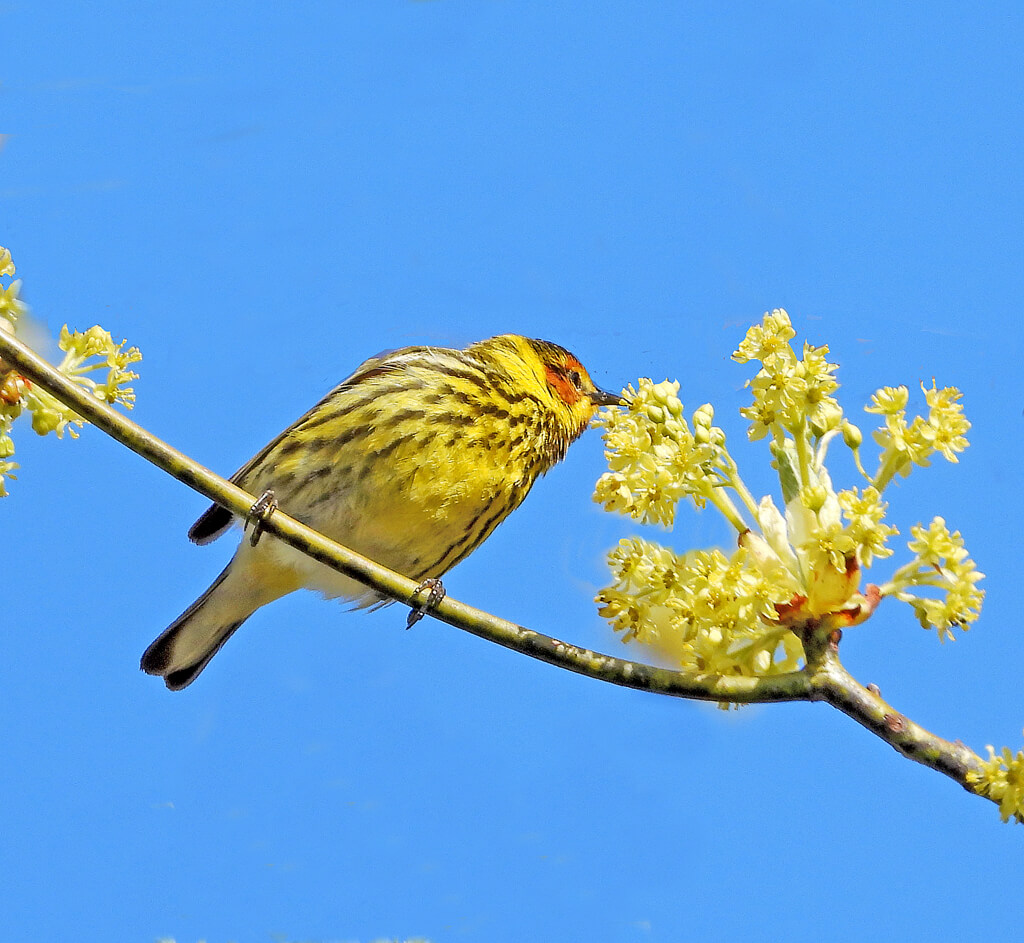
April 28 Webinar – Wood-Warblers of New England
April 28 Webinar with Bill Gette - Wood-Warblers of New England Please join the BBC on the evening of April 28 from 7PM to 8:30PM for a members-only webinar with Bill Gette entitled Wood-Warblers of [...]
April 24 Annual Members Meeting & Lecture – All Welcome
April 24 Annual Members Meeting & Lecture - All Welcome Please join us on April 24 for our Annual Members Meeting. The evening begins with a social hour at 6:30. The program starts at 7:30 [...]
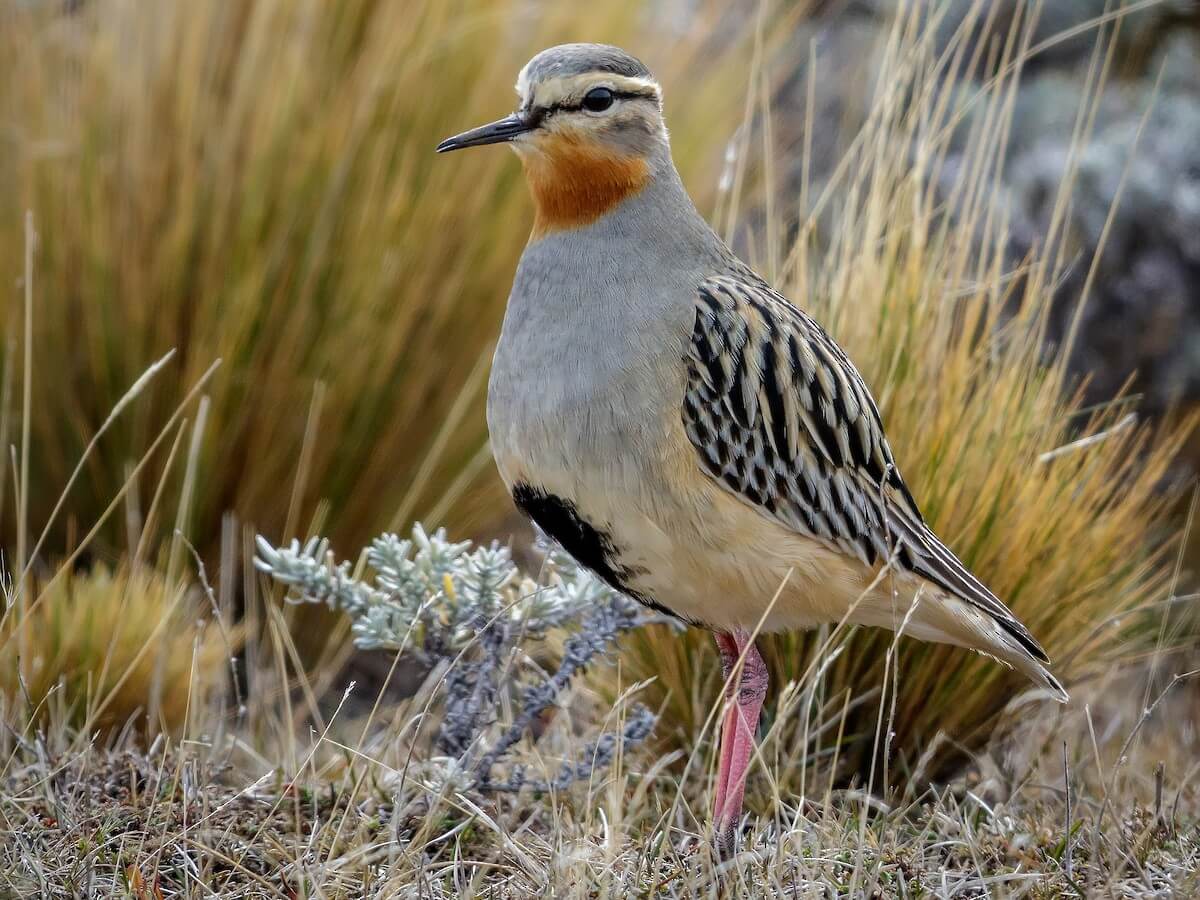
4/19 Tawny-Throated Dotterel Webinar & Donation
4/19 Tawny-Throated Dotterel Webinar & Donation Upcoming Webinar Please join the BBC on April 19 at 7PM for a webinar open to all with Manomet Conservation Sciences staff and collaborators - Actions to Promote the [...]
Conservation Alert – 2026 Horseshoe Crab Quotas
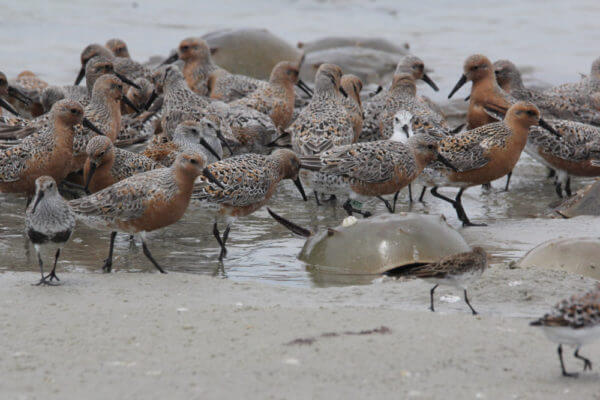
Conservation Alert - 2026 Horseshoe Crab Quotas - UPDATE Red knots feeding amongst spawning horseshoe crabs. The public comment period has been extended to March 6 and a second public hearing will take place on [...]
Donation to Preserve Cliff Swallow Colony in Rowe
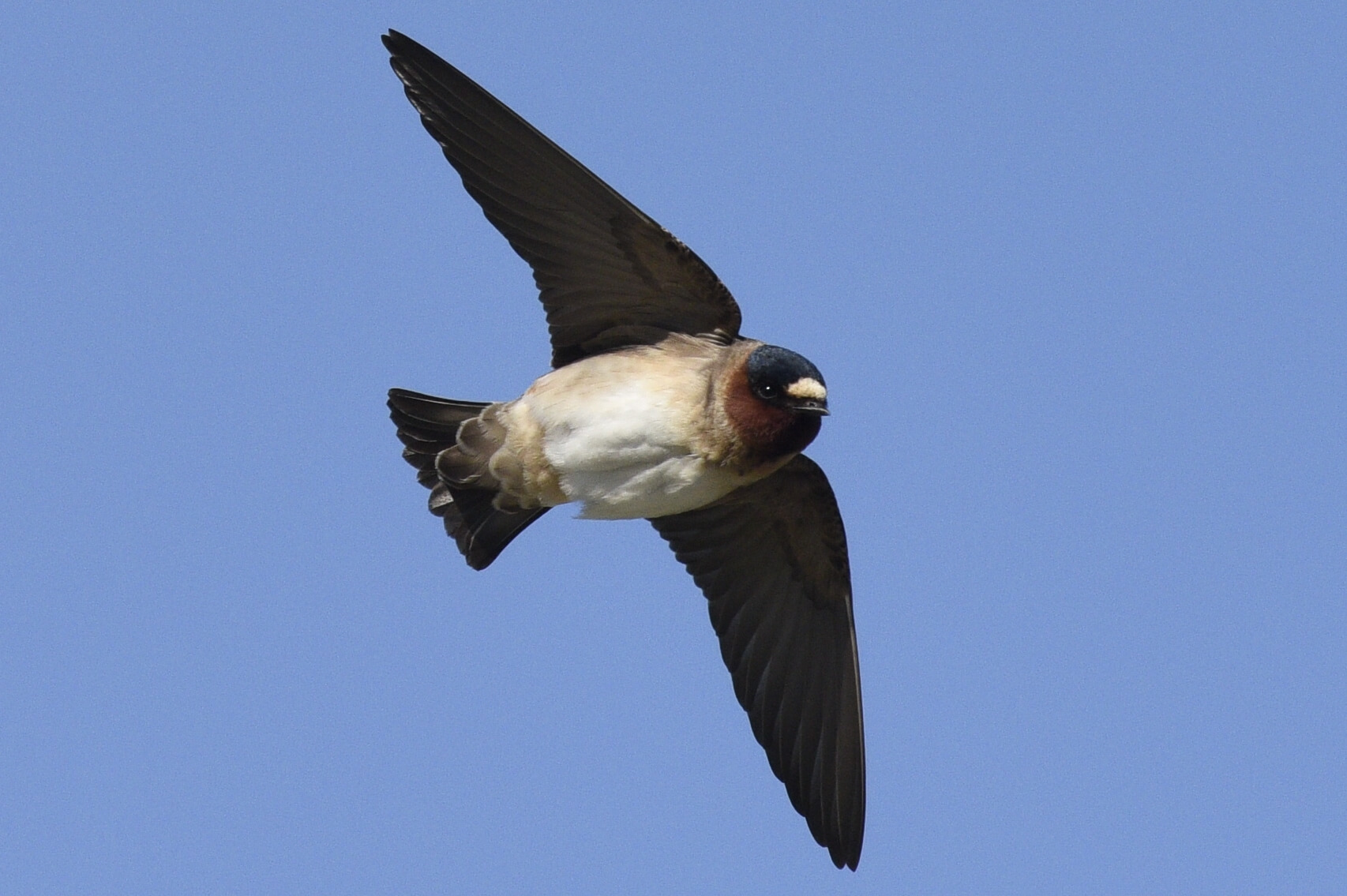
Donation to Preserve Cliff Swallow Colony in Rowe The BBC is pleased to announce our donation of $500 to Swallow Conservation, led by Mara Silver, to help fund the installation of a free-standing Cliff Swallow [...]
We Need Your Help – Open Board & Volunteer Positions
We Need Your Help - Open Board & Volunteer Positions The BBC holds its annual board elections at the Annual meeting of the club planned for April 24. in April. We are looking for members [...]
April 28 Webinar – Wood-Warblers of New England
April 28 Webinar with Bill Gette - Wood-Warblers of New England Please join the BBC on the evening of April 28 from 7PM to 8:30PM for a members-only webinar with Bill Gette entitled Wood-Warblers of [...]
April 24 Annual Members Meeting & Lecture – All Welcome
April 24 Annual Members Meeting & Lecture - All Welcome Please join us on April 24 for our Annual Members Meeting. The evening begins with a social hour at 6:30. The program starts at 7:30 [...]
4/19 Tawny-Throated Dotterel Webinar & Donation
4/19 Tawny-Throated Dotterel Webinar & Donation Upcoming Webinar Please join the BBC on April 19 at 7PM for a webinar open to all with Manomet Conservation Sciences staff and collaborators - Actions to Promote the [...]
Conservation Alert – 2026 Horseshoe Crab Quotas
Conservation Alert - 2026 Horseshoe Crab Quotas - UPDATE Red knots feeding amongst spawning horseshoe crabs. The public comment period has been extended to March 6 and a second public hearing will take place on [...]
Donation to Preserve Cliff Swallow Colony in Rowe
Donation to Preserve Cliff Swallow Colony in Rowe The BBC is pleased to announce our donation of $500 to Swallow Conservation, led by Mara Silver, to help fund the installation of a free-standing Cliff Swallow [...]
We Need Your Help – Open Board & Volunteer Positions
We Need Your Help - Open Board & Volunteer Positions The BBC holds its annual board elections at the Annual meeting of the club planned for April 24. in April. We are looking for members [...]
April 28 Webinar – Wood-Warblers of New England
April 28 Webinar with Bill Gette - Wood-Warblers of New England Please join the BBC on the evening of April 28 from 7PM to 8:30PM for a members-only webinar with Bill Gette entitled Wood-Warblers of [...]
April 24 Annual Members Meeting & Lecture – All Welcome
April 24 Annual Members Meeting & Lecture - All Welcome Please join us on April 24 for our Annual Members Meeting. The evening begins with a social hour at 6:30. The program starts at 7:30 [...]
4/19 Tawny-Throated Dotterel Webinar & Donation
4/19 Tawny-Throated Dotterel Webinar & Donation Upcoming Webinar Please join the BBC on April 19 at 7PM for a webinar open to all with Manomet Conservation Sciences staff and collaborators - Actions to Promote the [...]
Conservation Alert – 2026 Horseshoe Crab Quotas
Conservation Alert - 2026 Horseshoe Crab Quotas - UPDATE Red knots feeding amongst spawning horseshoe crabs. The public comment period has been extended to March 6 and a second public hearing will take place on [...]
Donation to Preserve Cliff Swallow Colony in Rowe
Donation to Preserve Cliff Swallow Colony in Rowe The BBC is pleased to announce our donation of $500 to Swallow Conservation, led by Mara Silver, to help fund the installation of a free-standing Cliff Swallow [...]
We Need Your Help – Open Board & Volunteer Positions
We Need Your Help - Open Board & Volunteer Positions The BBC holds its annual board elections at the Annual meeting of the club planned for April 24. in April. We are looking for members [...]
News Categories
Upcoming Field Trips
Field Trips / Events
-
-
Barretts Mill Farmland
Concord - Barretts Mill Farmland Barrett's Mill Road, Concord, MA, United StatesThis is often a great place for fall sparrows including Savannah, Field, and White-crowned, as well as Pipit and occasional Dickcissel. Loaner binoculars available; please email trip leader to reserve a pair! If the weather doens't look good, contact the leader to check status.
-
Hellcat at Parker River NWR
Parker River NWR - Lot #4 Newbury, MA, United StatesDuring the past few years the refuge has opened the dike to hiking during National Wildlife Refuge Week. We will plan to do that hike if the dike is again open this year. Otherwise we hike the boardwalk and normal dike area.
-
Fruitlands Museum, Harvard
Harvard - Fruitlands Museum 102 Prospect Hill Rd., Harvard, MA, United StatesCosponsored with Boxborough Birders. We will look for fall migrants and resident birds. Expect to walk about 2 miles on trails through meadow and woods, with some steep sections. Heavy rain cancels the trip.
-
Arlington Reservoir
Lexington - Arlington Reservoir 210 Lowell Street, Arlington, MA, United StatesIn the fall water levels are lowered creating good conditions for ducks and shorebirds. We will also visit the adjacent Lexington community farm. Birds are found feasting on the remains of the crops planted there. We will walk about a mile on wide paths and some uneven ground (possibly muddy). Note that the reservoir area [...]
-
An Oasis for Birds at Belle Isle Marsh
East Boston - Belle Isle Parking Lot 1399 Bennington Street, Boston, MA, United StatesJoin DCR park staff for a relaxed, one-mile bird walk through flat, easy terrain at this Massachusetts State Reservation and birding hot spot. At Belle Isle and at additional nearby locations— We’ll search for raptors, native sparrows, finches, herons, and egrets. Participants are responsible for their own transportation between locations (by car or bike). Binoculars [...]