According to the National Wildlife Refuge Association, “The intentional dismantling of science and conservation is happening now. Hundreds of dedicated U. S. Fish and Wildlife Services employees—many of them biologists—have been fired, gutting an already underfunded and understaffed National Wildlife Refuge System. Without them, habitats will degrade, endangered species will go unmonitored, and communities will lose vital recreation and economic benefits. This is a crisis.”
Call on Congress to reverse course and restore these critical positions. Congressional switchboard: 202-225-3121. Senate switchboard: 202-224-3121.
On February 14, 420 people were suddenly fired yesterday from the Fish and Wildlife Service, including National Wildlife Refuge System staff members. Other Department of Interior employees were cut, including 3,400 from the Forest Service, 1,000 from the National Park Service and 800 from the Bureau of Land Management. As you may have learned, other government departments have also suffered cuts.
Hard hit is the National Wildlife Refuge System. Before the recent cuts, only 2,353 employees managed 90 million acres of land and 760 marine areas. The new staffing level is a 31% decrease from FY2010.
These cuts will result in a loss of habitat management, cuts to law enforcement, and may lead to closed refuges. Work with endangered species, required by law, will be impacted.
Our local National Wildlife Refuges include Parker River National Wildlife Refuge, as well as the refuges of the Eastern Massachusetts National Wildlife Refuge Complex (Great Meadows, Assabet River, Oxbow, Nantucket, Monomoy, Mashpee, Massasoit, and Nomans Land Island). The Silvio Conte National Wildlife Refuge includes properties throughout the Connecticut River valley, including Fannie Stebbins and the Ft. River Division. Many of these are places well known and well regarded by BBC members.
These personnel cuts will lead to loss of habitat management, cuts to law enforcement, and may lead to closed refuges. Work with endangered species, required by law, will be impacted. Collaboration with states and non-profits will be limited. Cuts to everything outside of core biological mandates should be expected, including visitor services. Refuge lands may be closed. We are likely to see marine monuments downsized, and moves made to privatize or sell public lands.
Conservation is a bipartisan issue!
Now is CRITICAL – this is the time when we have to speak up for our public lands. If we who know and love these places do not step up, even more irreparable damage may take place.
MAKE THAT CALL! Urge your representatives to oppose cuts to the National Wildlife Refuge System and other parts of the Department of Interior supporting public lands. Every call counts.
THANK YOU for taking action!
What you can do:
- Call on Congress to reverse course and restore these critical positions. Congressional switchboard: 202-225-3121. Senate switchboard: 202-224-3121.
- Sign on to the Action Alert at Refuge System Employees — The National Wildlife Refuge Association.
- Urge your local media outlets to cover this story.
- Share this story with all your contacts.
- Support organizations supporting National Wildlife Refuges and other public lands, and fighting these cuts, such as Defenders of Wildlife, and the National Wildlife Refuge Association.
From the American Birding Association’s statement on the job cuts.
“These actions have real world implications for the health and wellbeing of wild birds, particularly those on the brink of extinction. For example, the Department of Interior’s Hawaiian Forest Bird Conservation Keystone Initiative appears at a standstill, just as a critically important project of this initiative—the control of mosquitoes that carry avian malaria—is about to be implemented. The delay puts critically endangered birds, such as the ‘Akikiki, a native honeycreeper found only on Kaua‘i, at immediate risk. Also potentially impacted is the reintroduction plan for another endangered bird, the ‘Alala (or Hawaiian Crow), a small number of which were just months ago released on Maui after a lengthy period being extirpated from the wild.”
“Many other native birds at risk, such as California Condor, “Northern” Spotted Owl, and Greater Sage-Grouse, would be affected negatively as well. And ongoing migratory bird conservation work in North America and beyond, which is inherently dependent on international cooperation, is in jeopardy.”
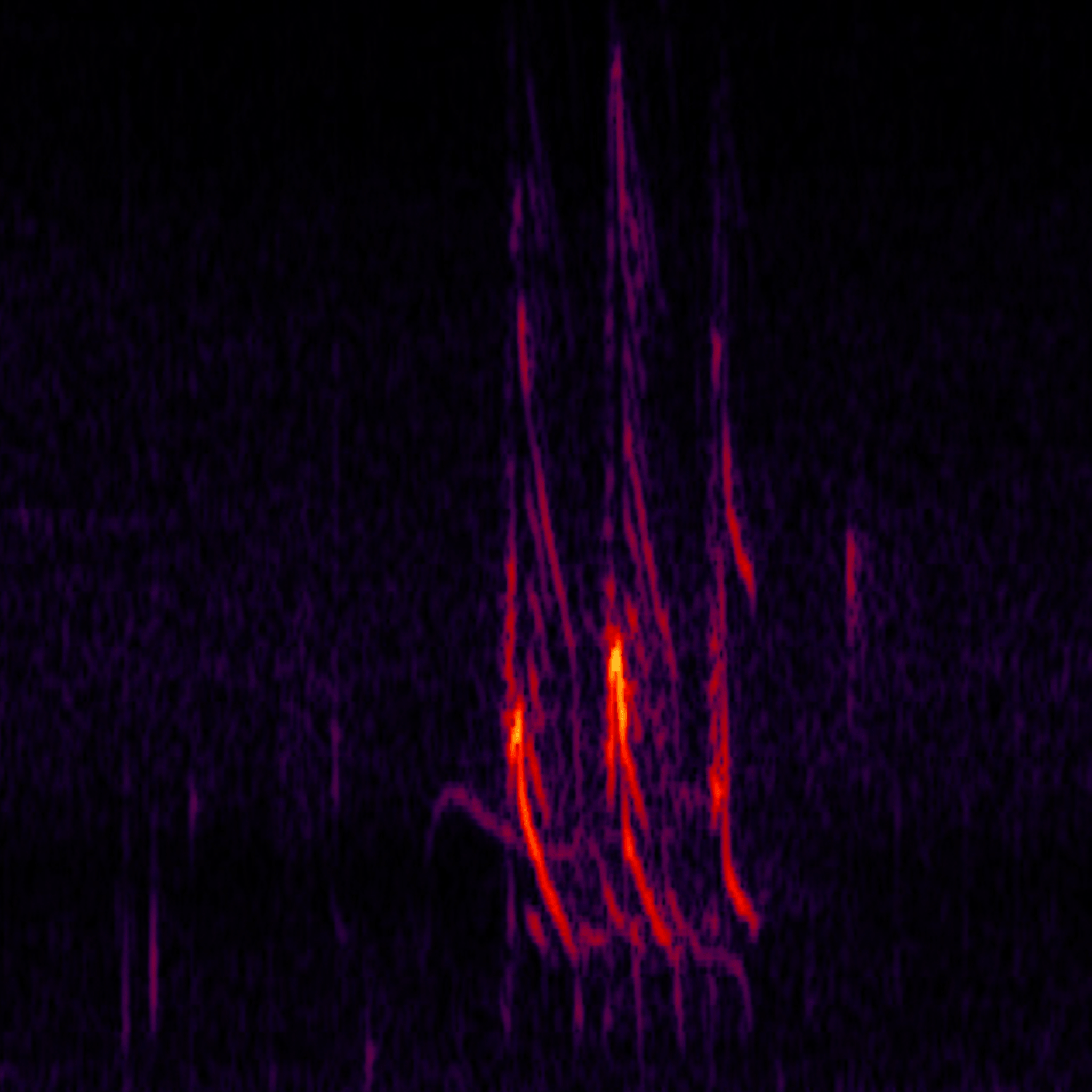
September 22 Webinar: Introduction to Nocturnal Flight Call (NFC) Recording
9/22 Webinar: Introduction to Nocturnal Flight Call (NFC) Recording On September 22 at 7PM please join us to learn about Nocturnal Flight Call (NFC) Recording. Most birders experience migration through the birds that arrive, depart, [...]
10/23 Fall Meeting with Speaker Scott Weidensaul
10/23 Fall Meeting and Lecture - All Welcome Please join us on October 23 for our in person Fall Meeting. The evening begins with a social hour at 6:30. The program starts at 7:30 with [...]
Bring Back Bobolinks!
Bring Back Bobolinks! This year the BBC is introducing new Endangered Species Program. Each year we plan to focus on a single bird species facing serious threats in Massachusetts and elsewhere. With this effort we [...]
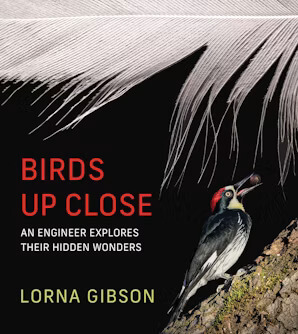
10/22 Webinar: Birds Up Close: An Engineer Explores Their Hidden Wonders
10/22 Webinar: Birds Up Close: An Engineer Explores Their Hidden Wonders The book Birds Up Close: An Engineer Explores Their Hidden Wonders reveals the marvel of how birds work—from the tips of their beaks to [...]
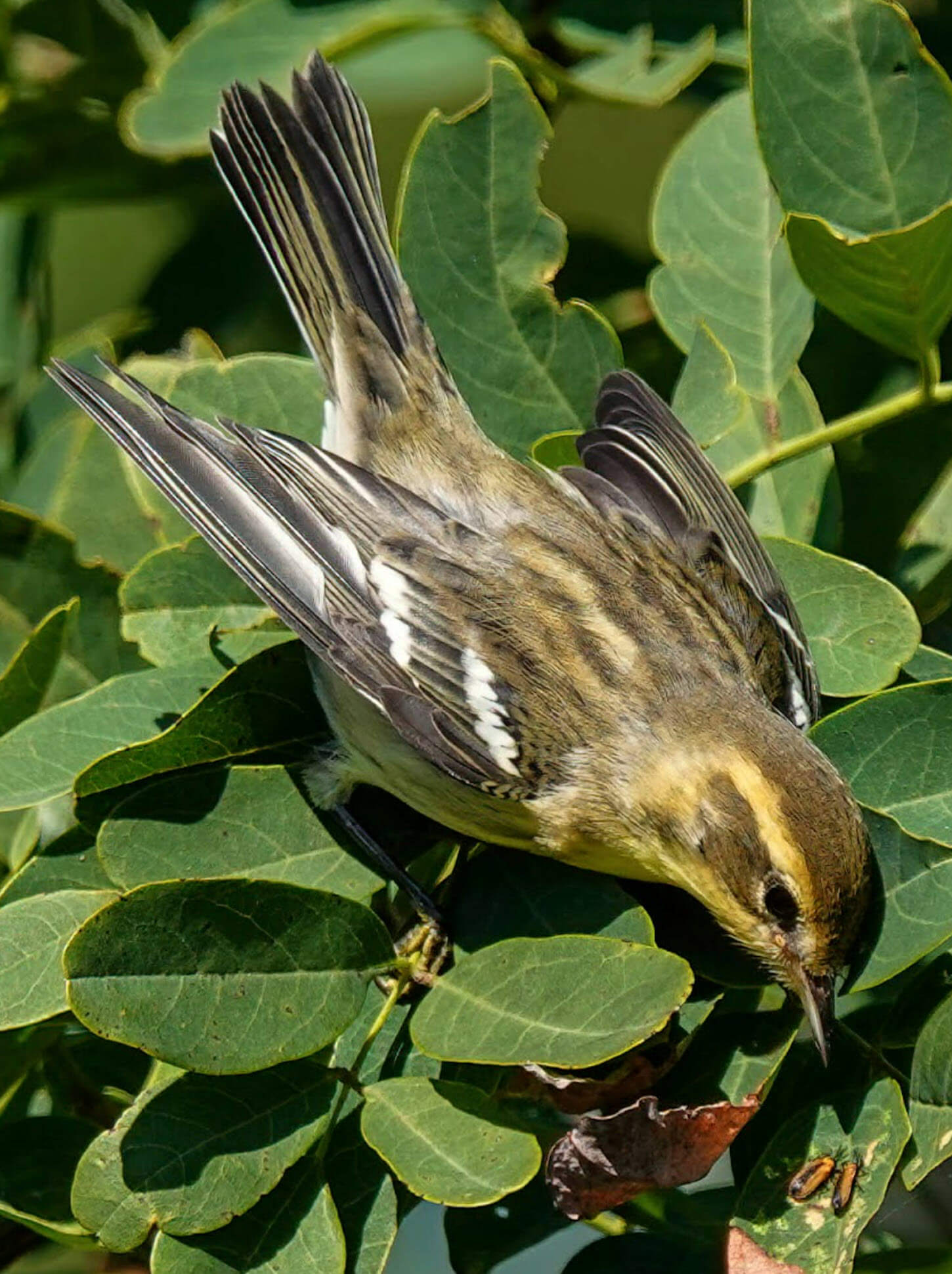
Upcoming BBC October 10 Big Day!
Upcoming BBC October 10 Big Day! We are planning a BBC October Big Day on October 10 to coincide with Cornell’s October Big Day. Last October, we held our first "October Big Day." Members reported [...]
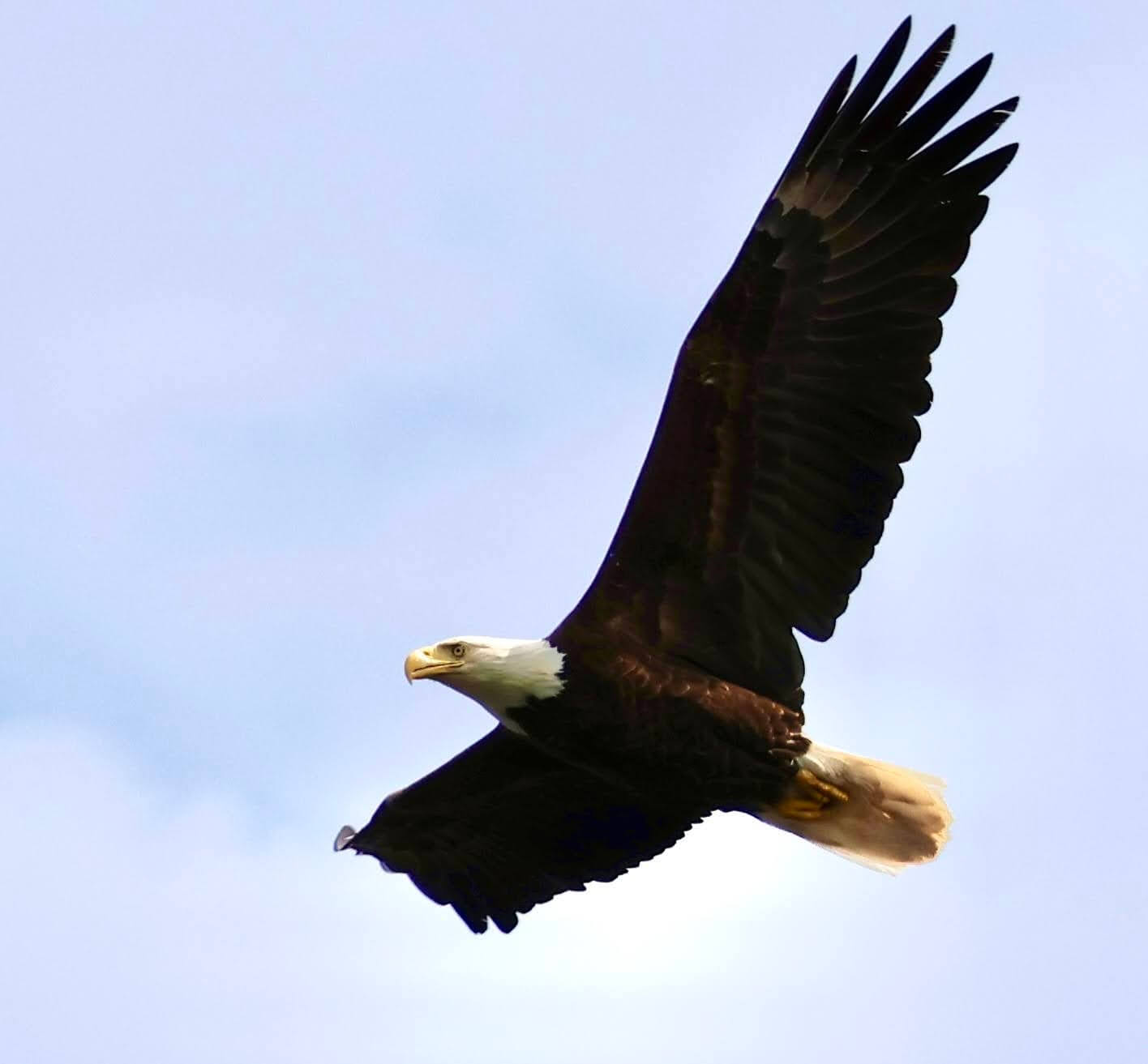
Roberts on Raptors
Roberts on Raptors Many of you know Paul Roberts and have benefited from his wisdom and advice about raptors. For many years Paul has published his thoughts and stories about hawks in general and the [...]
September 22 Webinar: Introduction to Nocturnal Flight Call (NFC) Recording
9/22 Webinar: Introduction to Nocturnal Flight Call (NFC) Recording On September 22 at 7PM please join us to learn about Nocturnal Flight Call (NFC) Recording. Most birders experience migration through the birds that arrive, depart, [...]
10/23 Fall Meeting with Speaker Scott Weidensaul
10/23 Fall Meeting and Lecture - All Welcome Please join us on October 23 for our in person Fall Meeting. The evening begins with a social hour at 6:30. The program starts at 7:30 with [...]
Bring Back Bobolinks!
Bring Back Bobolinks! This year the BBC is introducing new Endangered Species Program. Each year we plan to focus on a single bird species facing serious threats in Massachusetts and elsewhere. With this effort we [...]
10/22 Webinar: Birds Up Close: An Engineer Explores Their Hidden Wonders
10/22 Webinar: Birds Up Close: An Engineer Explores Their Hidden Wonders The book Birds Up Close: An Engineer Explores Their Hidden Wonders reveals the marvel of how birds work—from the tips of their beaks to [...]
Upcoming BBC October 10 Big Day!
Upcoming BBC October 10 Big Day! We are planning a BBC October Big Day on October 10 to coincide with Cornell’s October Big Day. Last October, we held our first "October Big Day." Members reported [...]
Roberts on Raptors
Roberts on Raptors Many of you know Paul Roberts and have benefited from his wisdom and advice about raptors. For many years Paul has published his thoughts and stories about hawks in general and the [...]
September 22 Webinar: Introduction to Nocturnal Flight Call (NFC) Recording
9/22 Webinar: Introduction to Nocturnal Flight Call (NFC) Recording On September 22 at 7PM please join us to learn about Nocturnal Flight Call (NFC) Recording. Most birders experience migration through the birds that arrive, depart, [...]
10/23 Fall Meeting with Speaker Scott Weidensaul
10/23 Fall Meeting and Lecture - All Welcome Please join us on October 23 for our in person Fall Meeting. The evening begins with a social hour at 6:30. The program starts at 7:30 with [...]
Bring Back Bobolinks!
Bring Back Bobolinks! This year the BBC is introducing new Endangered Species Program. Each year we plan to focus on a single bird species facing serious threats in Massachusetts and elsewhere. With this effort we [...]
10/22 Webinar: Birds Up Close: An Engineer Explores Their Hidden Wonders
10/22 Webinar: Birds Up Close: An Engineer Explores Their Hidden Wonders The book Birds Up Close: An Engineer Explores Their Hidden Wonders reveals the marvel of how birds work—from the tips of their beaks to [...]
Upcoming BBC October 10 Big Day!
Upcoming BBC October 10 Big Day! We are planning a BBC October Big Day on October 10 to coincide with Cornell’s October Big Day. Last October, we held our first "October Big Day." Members reported [...]
Roberts on Raptors
Roberts on Raptors Many of you know Paul Roberts and have benefited from his wisdom and advice about raptors. For many years Paul has published his thoughts and stories about hawks in general and the [...]
News Categories
Upcoming Field Trips
Field Trips / Events
-
-
Westboro Wildlife Management Area
Westborough - Ball Field Hospital Rd, Westborough, MA, United StatesWe will hike the north side of Big Chauncy Pond in search of migrant warblers.
-
Webinar: Introduction to Nocturnal Flight Call (NFC) Recording
Most birders experience migration through the birds that arrive, depart, or pass overhead by day -- but throughout the night, another migration is unfolding largely out of sight. This presentation will introduce nocturnal flight calls and the recordists who use them to experience and study that hidden movement. We will draw on examples from the [...]
-
Fall migrants at Roslindale Wetlands Urban Park
Roslindale Wetlands Urban Park 23 Coniston Rd, Roslindale, MA, United StatesA small but mighty urban wild that offers a variety of habitat. Expect to see a variety of woodpeckers, resident birds, warblers, and other migratory species, as well as a surprise or two. The path is flat with a mix of gravel and dirt surfaces with newly added boardwalks on the wetter sections. Boots are [...]
-
Fresh Pond, Cambridge (rescheduled to Sept. 27)
Cambridge - Fresh Pond - TD Bank 235 Alewife Brook Pkwy, Cambridge, MA, United StatesThis walk has been rescheduled to September 27 which will be the 113th anniversary of the first-ever Brookline Bird Club bird walk on September 27th 1913 which was also at Fresh Pond.
-
Rock Meadow, Belmont
Belmont - Rock Meadow 300 Mill St, Belmont, MA, United StatesCome join us for a walk at scenic Rock Meadow and Beaver Brook North, home of open fields, wetlands, ample woods and edge habitat, and public gardens which attract a wide variety of migrating song birds. Hiking is relatively easy, and should be a bit under two miles total at most, if we venture further [...]