MassWildlife’s Natural Heritage & Endangered Species Program is responsible for the conservation and protection of wildlife species that are not considered game species and the natural communities that make up their habitats. The focus of the Program is on conservation and restoration of the 427 native plants and animals listed under the Massachusetts Endangered Species Act.
Funding for the Program relies, in part, on individual contributions, NOT on general fund tax dollars. Your help does make a difference! It supports the field surveys, research, habitat management, regulatory review, and land protection for the hundreds of rare creatures and plants in the Bay State.
If you care about the future of our wildlife and wild places here in Massachusetts, you can contribute in one of several ways:
- Make a donation on your MA state income tax return (line 33a) for Endangered Wildlife Conservation.
Contributions by this method in 2017 were $312,297 by just over 23,000 individuals. (2016 – $302,603, 24,082 individuals contributed)
- Make a Direct Donation! (it’s tax deductible)Send a check payable to
“Comm. of MA-NHESP” and mail to:
MassWildlife, 1 Rabbit Hill Road, Westborough, MA 01581
– OR –
Donate online with your credit card as a “Guest Customer” through MassFishHunt, MassWildlife’s licensing system. Direct donations through this method in 2017 totaled $7,891 dollars, up from $6103 in 2016.
There’s plenty of room for improvement!
Reflect on the success of the Bald Eagle restoration effort that began in 1982. This past year, a record-breaking 76 territorial eagle pairs were documented in Massachusetts! Observations from birders and other interested citizens played a big part in this documentation. MassWildlife depends on reports of eagle nests or observations of eagles carrying sticks from birders like you to monitor these magnificent birds.
MassWildlife and others are sure there are more eagle nests out there that haven’t been found or documented. For instance, who will find and confirm the first eagle nest on Cape Cod?!
Additional ways to support NHESP’S efforts can be found at www.mass.gov/service-details/support-endangered-species-conservation
Thank you for your support, whether it’s a donation, reporting observations or telling others about this important program that conserves wildlife for everyone to enjoy!
Remember – line 33a on your Massachusetts state tax return!
Please share!
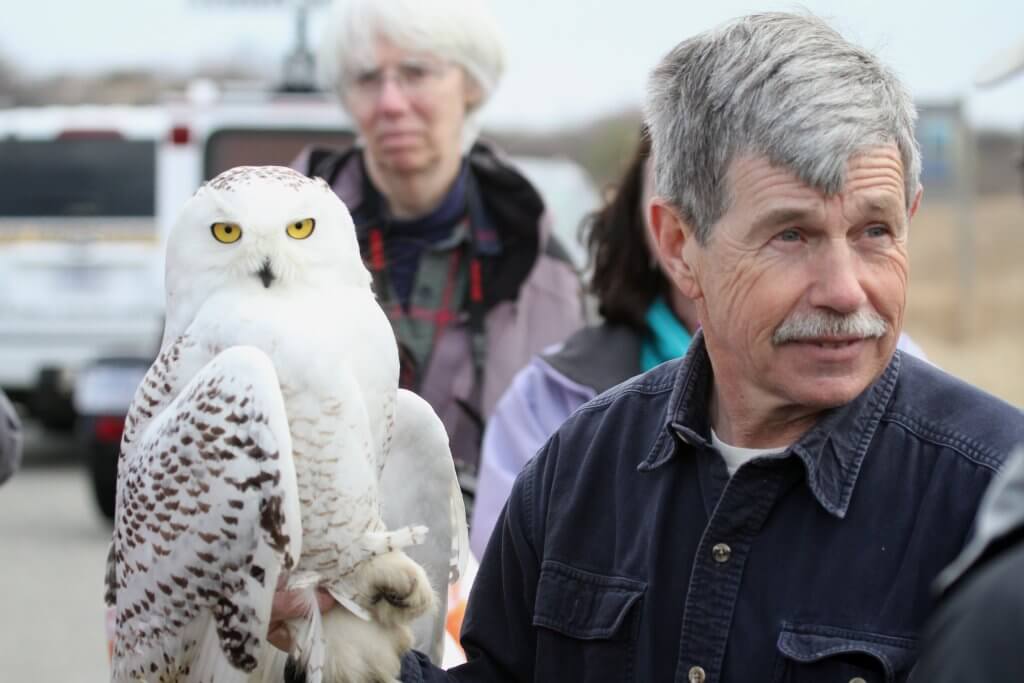
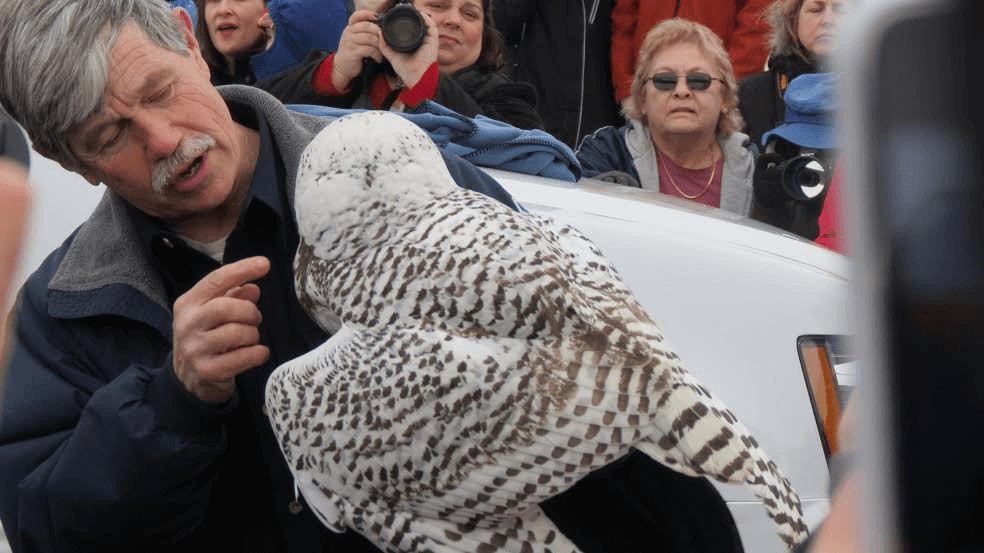
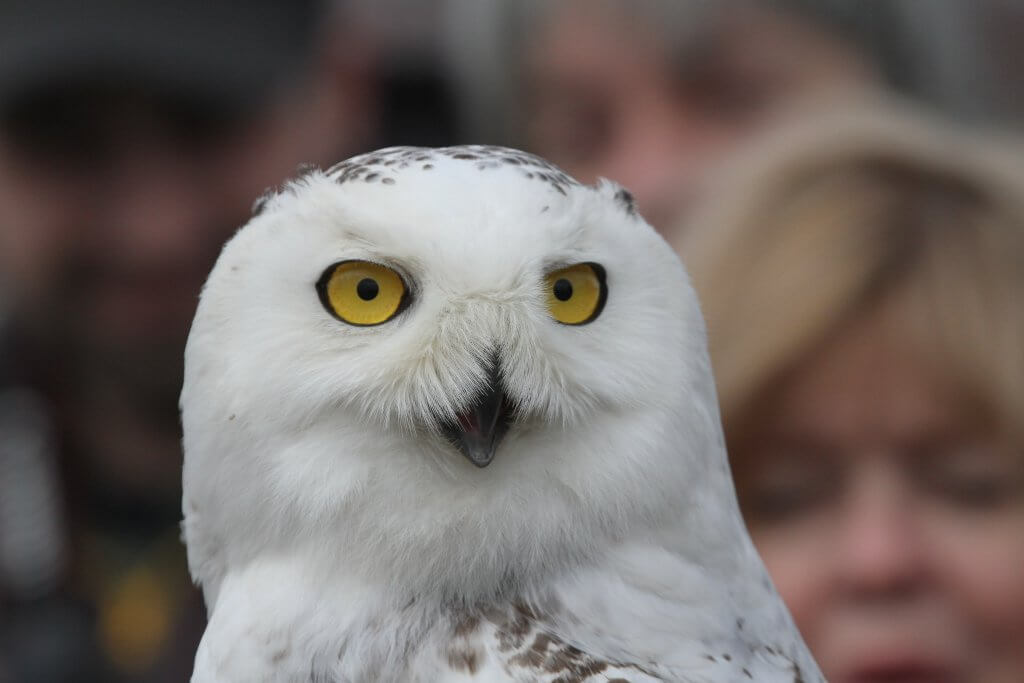
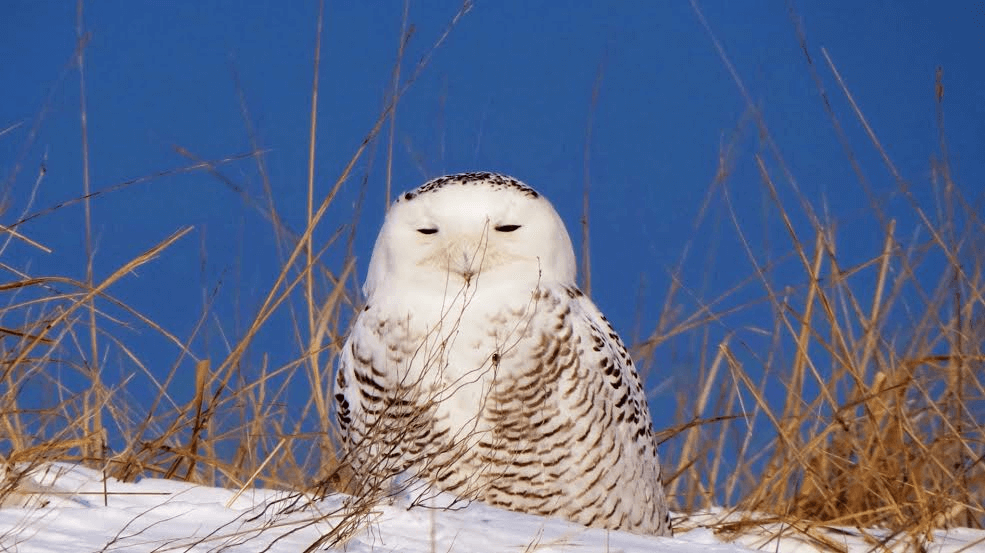
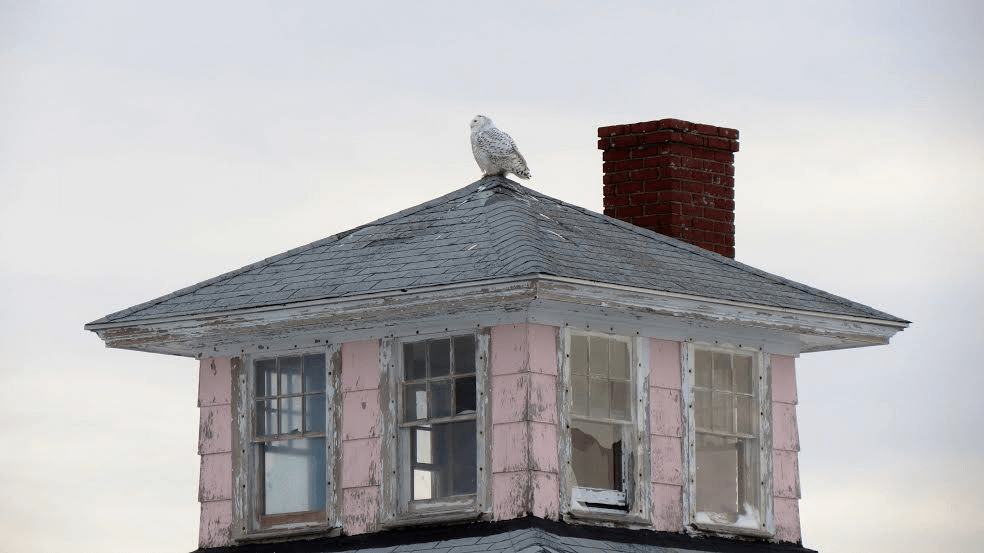
SNOWY OWLS!
Could we be in for another Snowy Owl irruption? There have been numerous sightings of Snowy Owls throughout the Northeast including many in Massachusetts. The BBC Conservation/Education committee has made a donation to MA Audubon's Snowy
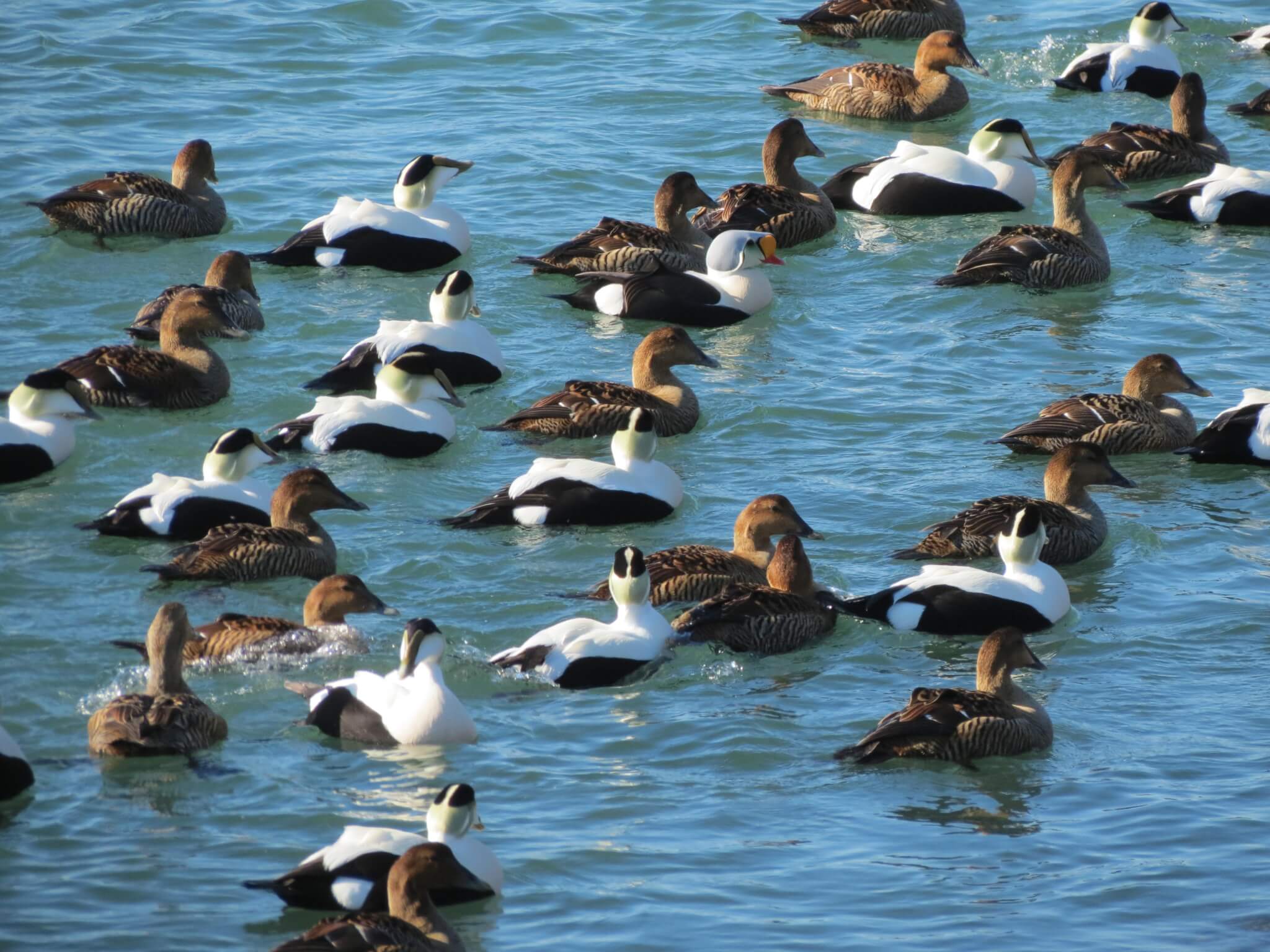
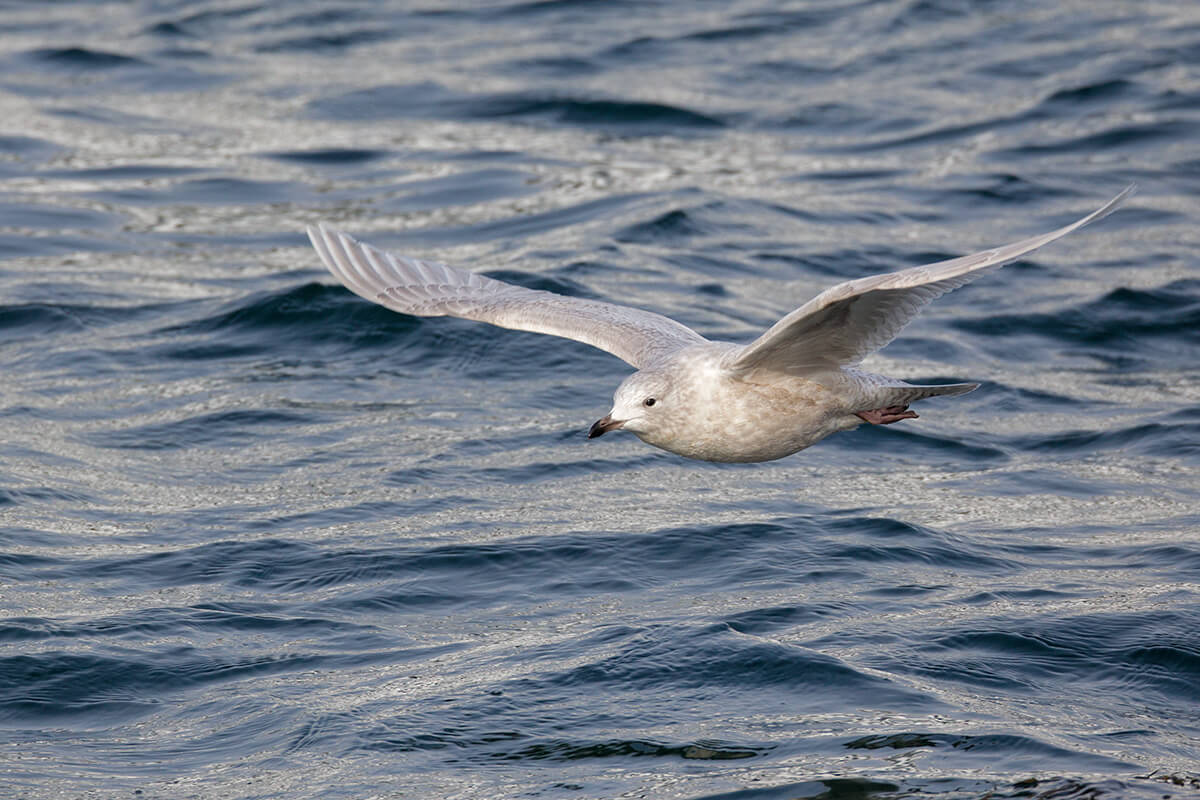
Winter Birding on Cape Ann
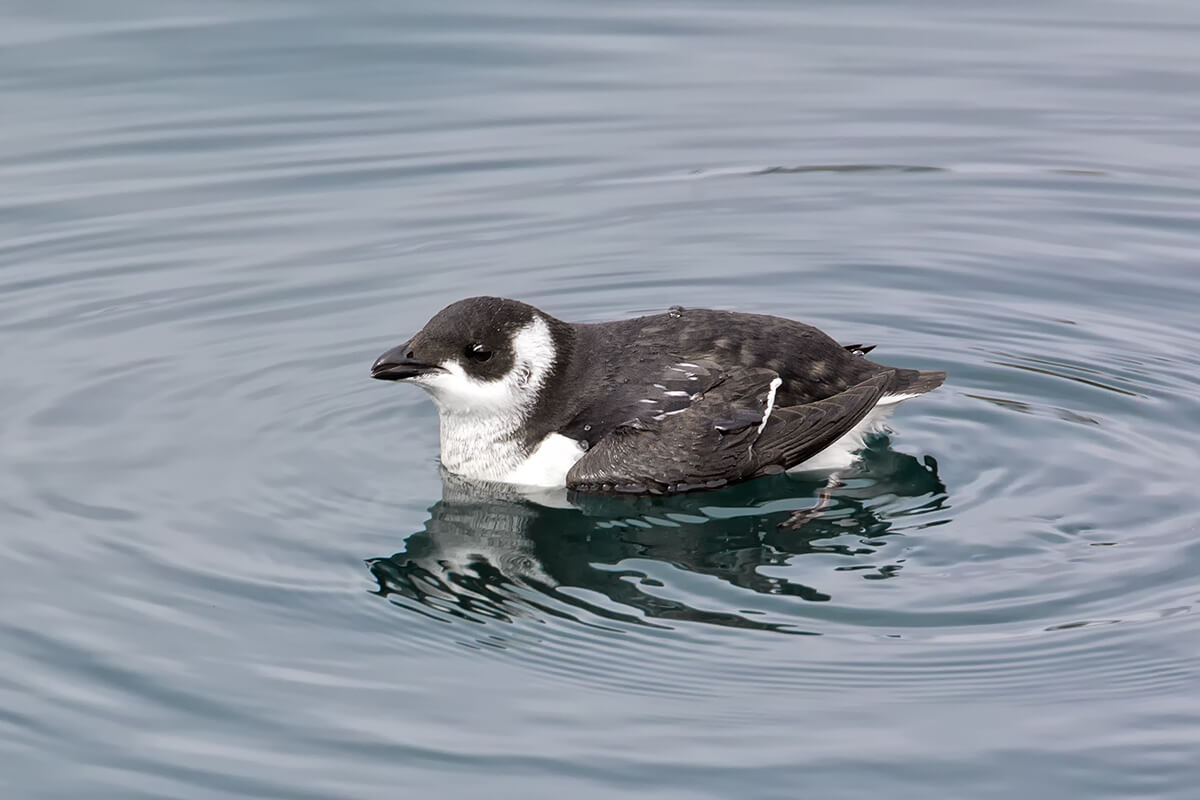
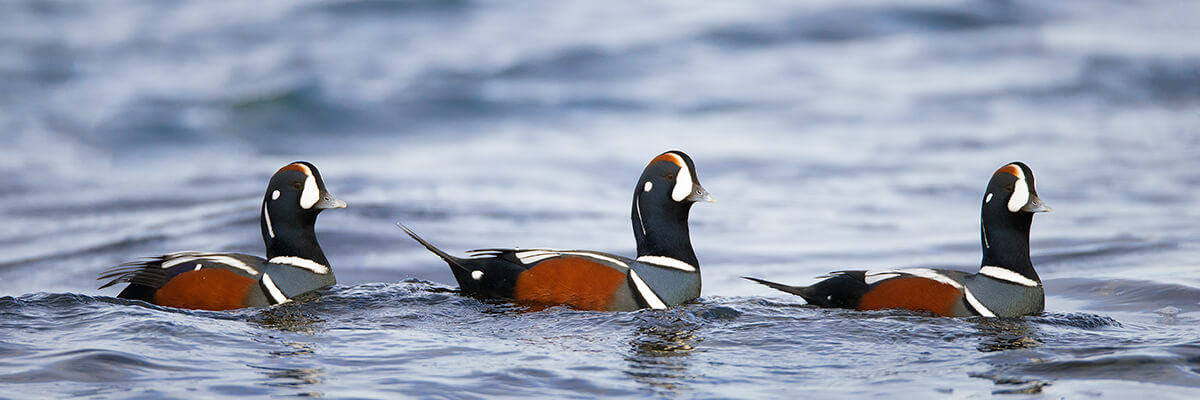
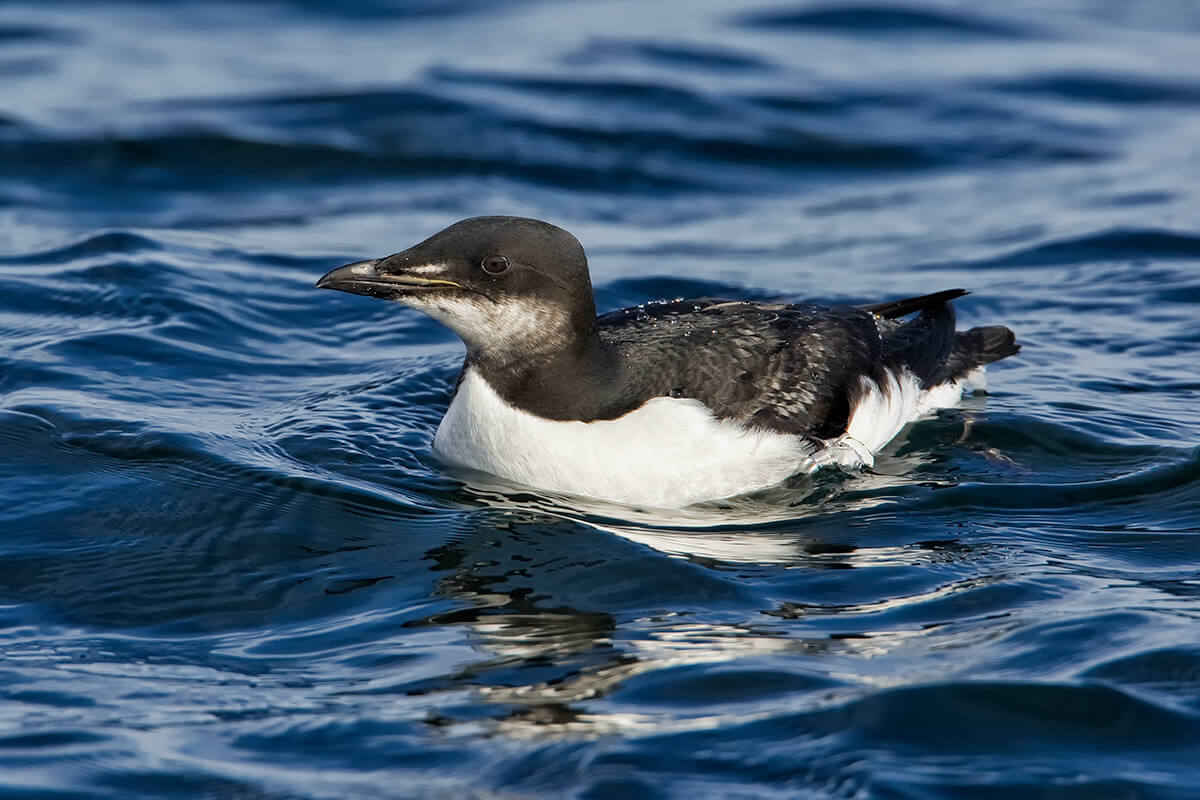
About once a week, from November into March, the BBC offers field trips to Gloucester and/or Rockport on Cape Ann, one of the Northeast’s prime destinations for winter birding. The main attractions are seabirds: waterfowl,
SCHOLARSHIPS FOR YOUNG BIRDERS
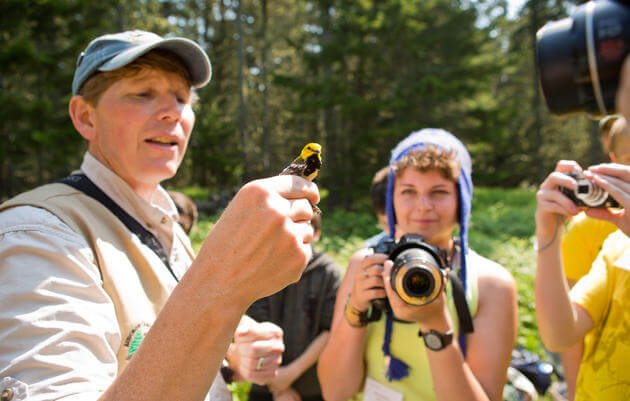
The BBC is pleased to announce that we will again offer two Young Birder Scholarships to nurture interest in bird study and conservation among young birders. The 2018 scholarships will cover the full cost
BBC SCHOOL BOOK FUND DONATION!
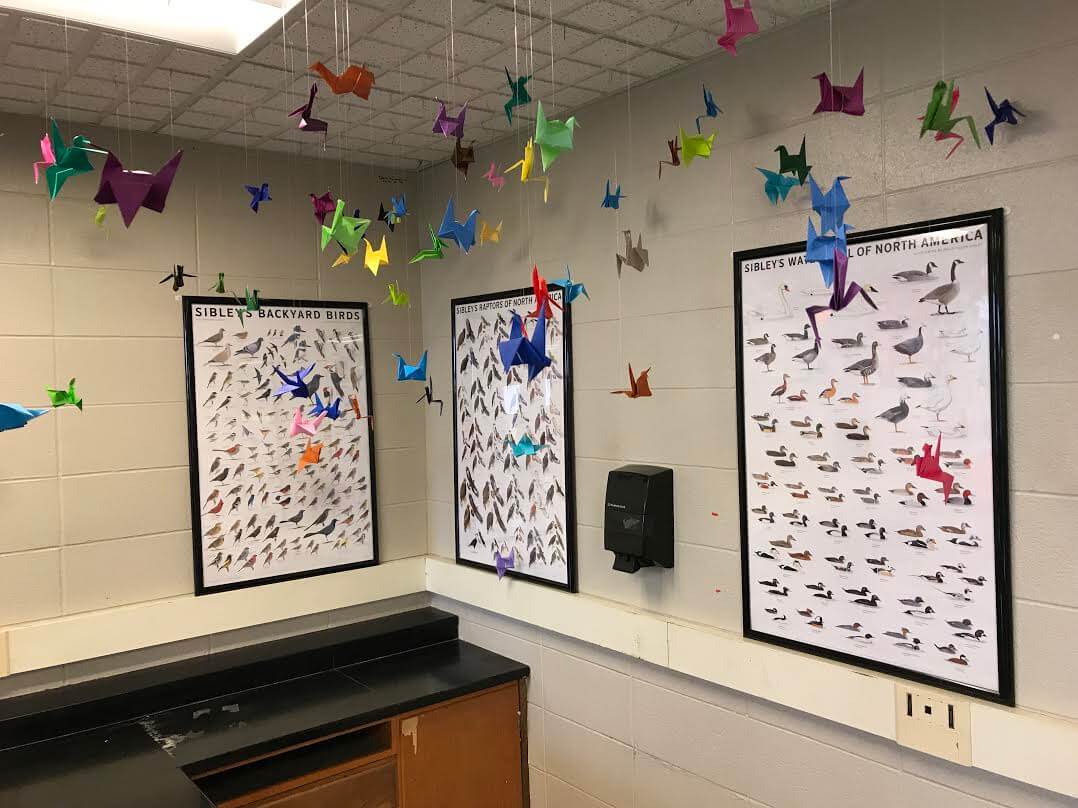
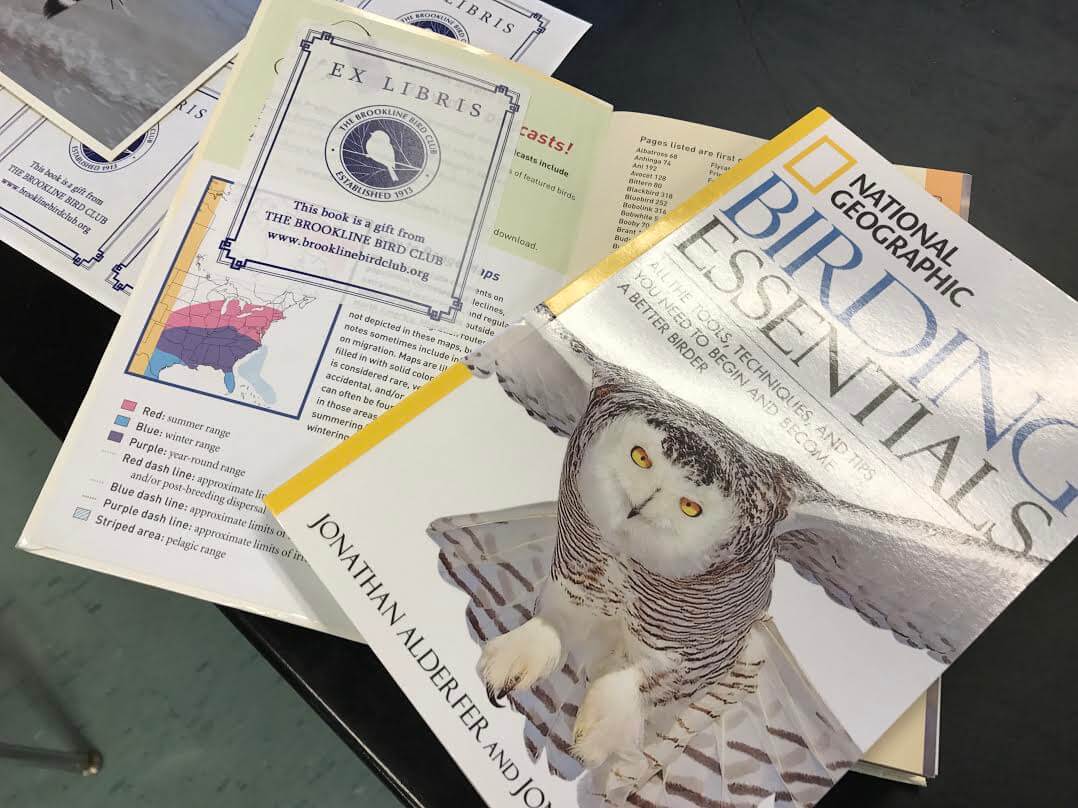
The most recent BBC school book fund donation went to Triton Regional High School, where environmental science teacher Tom Horsley uses donated books and wall posters to teach bird identification in his classes and to
BBC BOSTON PUBLIC GARDENS WALK – BOSTON GLOBE!
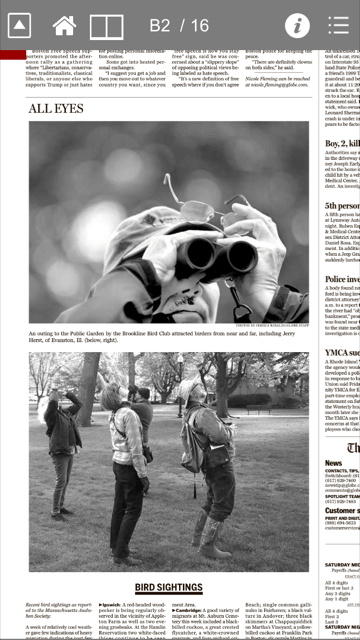
There is a nice photo from Linda Ferraresso's Saturday, May 12th walk at the Boston Public Gardens. It was on p.2 of the Metro section on the Boston Globe.
ANNUAL REPORT 2017
Brookline Bird Club 2017 Statistical and Year-End Report By Sabrina Hepburn, Club Statistician Beginning in 2016, the Brookline Bird Club made a significant shift in how we keep records and club trip reports. instead of
SNOWY OWLS!
Could we be in for another Snowy Owl irruption? There have been numerous sightings of Snowy Owls throughout the Northeast including many in Massachusetts. The BBC Conservation/Education committee has made a donation to MA Audubon's Snowy
Winter Birding on Cape Ann
About once a week, from November into March, the BBC offers field trips to Gloucester and/or Rockport on Cape Ann, one of the Northeast’s prime destinations for winter birding. The main attractions are seabirds: waterfowl,
SCHOLARSHIPS FOR YOUNG BIRDERS
The BBC is pleased to announce that we will again offer two Young Birder Scholarships to nurture interest in bird study and conservation among young birders. The 2018 scholarships will cover the full cost
BBC SCHOOL BOOK FUND DONATION!
The most recent BBC school book fund donation went to Triton Regional High School, where environmental science teacher Tom Horsley uses donated books and wall posters to teach bird identification in his classes and to
BBC BOSTON PUBLIC GARDENS WALK – BOSTON GLOBE!
There is a nice photo from Linda Ferraresso's Saturday, May 12th walk at the Boston Public Gardens. It was on p.2 of the Metro section on the Boston Globe.
ANNUAL REPORT 2017
Brookline Bird Club 2017 Statistical and Year-End Report By Sabrina Hepburn, Club Statistician Beginning in 2016, the Brookline Bird Club made a significant shift in how we keep records and club trip reports. instead of
SNOWY OWLS!
Could we be in for another Snowy Owl irruption? There have been numerous sightings of Snowy Owls throughout the Northeast including many in Massachusetts. The BBC Conservation/Education committee has made a donation to MA Audubon's Snowy
Winter Birding on Cape Ann
About once a week, from November into March, the BBC offers field trips to Gloucester and/or Rockport on Cape Ann, one of the Northeast’s prime destinations for winter birding. The main attractions are seabirds: waterfowl,
SCHOLARSHIPS FOR YOUNG BIRDERS
The BBC is pleased to announce that we will again offer two Young Birder Scholarships to nurture interest in bird study and conservation among young birders. The 2018 scholarships will cover the full cost
BBC SCHOOL BOOK FUND DONATION!
The most recent BBC school book fund donation went to Triton Regional High School, where environmental science teacher Tom Horsley uses donated books and wall posters to teach bird identification in his classes and to
BBC BOSTON PUBLIC GARDENS WALK – BOSTON GLOBE!
There is a nice photo from Linda Ferraresso's Saturday, May 12th walk at the Boston Public Gardens. It was on p.2 of the Metro section on the Boston Globe.
ANNUAL REPORT 2017
Brookline Bird Club 2017 Statistical and Year-End Report By Sabrina Hepburn, Club Statistician Beginning in 2016, the Brookline Bird Club made a significant shift in how we keep records and club trip reports. instead of
News Categories
Upcoming Field Trips
Field Trips / Events
-
-
Bring Back Bobolinks: Norfolk Airport (New!)
Norfolk - Norfolk Airport - River Rd entrance west from 60 River Rd, Norfolk, MA, United StatesAdding to our Bobolink conservation series. Observe and appreciate Bobolinks in breeding habitat! Bobolinks are nesting throughout the airport. We will walk the runways less than 2 miles walking total. This area is all grasslands, around 400 acres.
-
Belle Isle Marsh Reservation – Winthrop Side
Winthrop - Belle Isle March and Marine Ecology Park Banks Street, Winthrop, MA, United StatesJoint with Mass Audubon BNC. Join us to observe resident birds and spring migrants in a unique urban habitat that is a favorite for many bird species, including uncommon and rare flycatchers, swallows & warblers. Birders of all levels will enjoy this walk. The trails are generally flat and easy to walk. A water bottle,
-
-
Bring Back Bobolinks: Bobolink Walk at Appleton Farms Ipswich with the Grasslands Survey Team (New!)
Ipswich - Appleton Farms paid parking, free for TTOR members 219 County Road, Ipswich, MA, United StatesNew addition to our Bring Back Bobolinks conservation series. Rani date July 2 - check with leader in case of rain. Join new BBC members and Trustees Grassland Birds Monitoring Project volunteers Andy and Tina Haubert on their regular survey at this well known location for breeding and nesting Bobolinks. We’ll observe field marks, song,
-
Quabbin Reservoir
Quabbin Reservoir - Gate 10 235 Daniel Shays Hwy, Pelham, MA, United StatesJoin Glenn on a 5-to-6-mile walk through a very birdy area with species ranging from Broad-winged Hawk to Yellow-bellied Sapsucker, Blue-headed Vireo, Chestnut-sided Warbler, Scarlet Tanager, Baltimore Oriole, and lots of stuff in between. (Maybe a moose or a bobcat!) Co-sponsored with the South Shore Bird Club.
-
Bring Back Boblinks: Bobolinks at Heard Farm, Wayland (New!)
Wayland - Heard Farm Conservation Area 12 Heard Road, Wayland, MA, United StatesNew addition to our Bring Back Bobolinks conservation series. This gem works its way into the rotations of many birders once discovered. It is managed for dog walking (no dogs on this walk please) and bobolinks, which in a good year can number 100 or more. We will be using dirt trails and boardwalks. Trails