Conservation Alert – 2026 Horseshoe Crab Quotas – UPDATE
The public comment period has been extended to March 6 and a second public hearing will take place on March 4 at 6PM. Registration is required to attend the second virtual public hearing on Zoom. The BBC has submitted the comment below, and we encourage our members to comment as well.
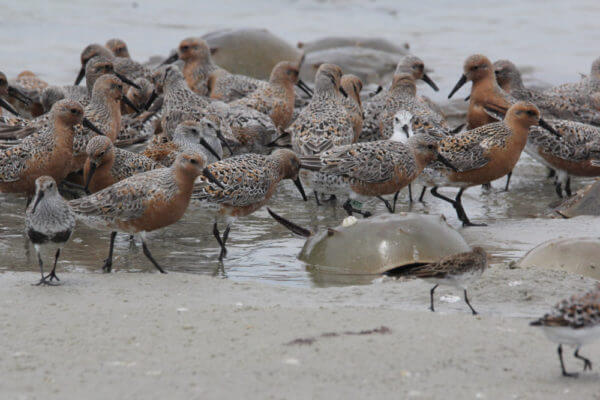
The MA Division of Marine Fisheries has proposed an increase to the horseshoe catch. Horseshoe crabs are a public trust resource and keystone species that support migratory shorebirds, fisheries productivity, and coastal ecosystem health. In a cost-benefit analysis, the value of horseshoe crabs for bait is negligible, while their use as bait is wasteful and harmful to many shorebird species. The horseshoe crab is a critical part of the marine ecosystem providing an important food source for shorebirds. While their blood has been used for biomedical testing, companies are now transitioning to a synthetic alternative. Other states such as New York and Connecticut have recognized the critical need to protect this species.
To learn more, including how to draft a comment, read the excerpt from a Southeastern Massachusetts Pine Barrens Alliance action alert.
More Information
Watch the February 24 DMF public hearing on YouTube. DMF Director McKiernan’s horseshoe crab presentation begins at 1:10:50. Comments by Sharl Heller, Coordinator, Massachusetts Horseshoe Crab Collaborative, begins at 1:37:42.
Division of Marine Fisheries Public Hearing Notice
Excerpt from Southeastern Massachusetts Pine Barrens Alliance action alert
Southeastern Massachusetts Pine Barrens Alliance webpage about horseshoe crabs
BBC Comment to MA Division of Marine Fisheries
I am writing on behalf of the Brookline Bird Club, a 113 year old organization with over 1,400 members, the great majority of whom reside in Massachusetts.
We urge the Division of Marine Fisheries to revise its proposal regarding use of horseshoe crabs and reduce the proposed quote while implementing plans to phase out the catch altogether.
The proposal does not go far enough in restricting the annual bait take for horseshoe crabs, while needlessly increasing the allowed take for biomedical research. We believe that, instead, the DMF should end the use of horseshoe crabs for bait and maintain the existing 200,000 biomedical quota.
The DMF proposal acknowledges that the proposed bait quota exceeds actual bait needs. As for medical uses, the Boston Globe reports that pharmaceutical companies are transitioning to proven, more effective synthetic alternatives to horseshoe crabs for testing medicines.
After New York passed a law in line with our belief in responsible management of horseshoe crabs, the Governor of New York said, “This law says that we need to take a break and let this species regenerate and get back to a state of good health. I strongly urge our neighboring states to join this growing coalition and enact similar laws to protect the population in their waters.”
Horseshoe crabs are a public trust resource and keystone species that support migratory shorebirds, fisheries productivity, and coastal ecosystem health. In a cost-benefit analysis, the value of horseshoe crabs for bait is negligible, while their use as bait is wasteful and harmful to many shorebird species, such as red knots, that are in decline and rely on horseshoe crab eggs as a food source. Protecting the crabs directly advances Governor Healey’s biodiversity order by safeguarding a species essential to ecosystem resilience.
Our members unequivocally believe that Massachusetts should end the use of horseshoe crabs for bait and limit medicinal use of horseshoe crabs so the species can recover from ongoing decline.
Thank you for your review of these comments. Our organization would be pleased to discuss this or other relevant topics with the Division of Marine Fisheries. My contact information is found below my signature.
Sincerely, Clifford Cook
President
Brookline Bird Club
Renew membership now!
Calling all BBC members - annual memberships expire December 31st 2024. Renew today for the 2025 calendar year to continue uninterrupted access to member benefits including our blue book mailings, member webinars, and more! Membership [...]
2024-2025 Duck Stamps on Sale
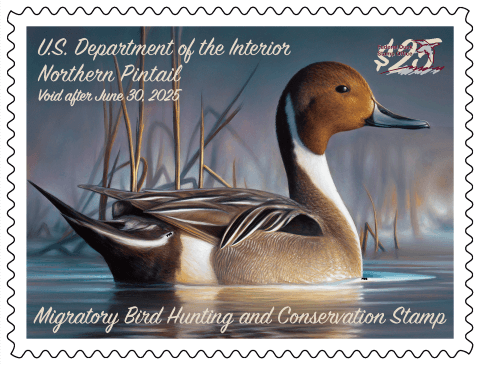
The BBC is selling the Federal Migratory Bird Conservation and Hunting Stamp, also known as the Duck Stamp, through February 15. The current Stamp is good from July 1, 2024 through June 30, 2025. We [...]
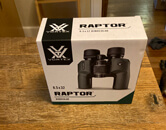
The BBC Thanks Vortex and Zeiss!
The Brookline Bird Club would like to thank Vortex and Zeiss Optics for repairing or replacing donated binoculars in the club’s loaner box at no charge. Vortex offers an unusual unlimited warranty and promptly replaced [...]
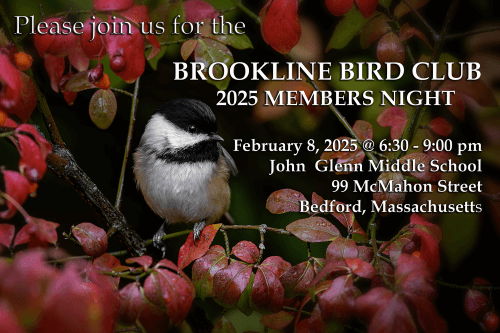
Save the Date – Members Showcase February 8
We have been tracking the Snow predicted to spread over the Boston area Saturday evening. Right now it appears that snow will not start before 9PM,SO WE ARE GOING AHEAD WITH BBC MEMBERS NIGHT.Please keep [...]
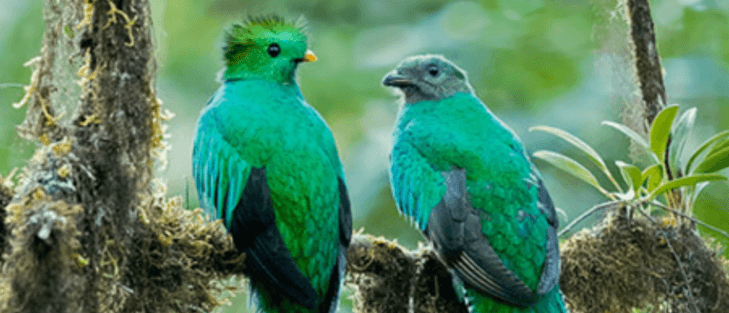
Fri Oct 25 Fall meeting!
The Brookline Bird Club invites you to our Hybrid (Live+Zoom) Fall Meeting on Friday October 25, 2024 from 7pm-9pm, with a social hour beginning at 6:30pm. It will feature a presentation on the dazzling Resplendent Quetzal you [...]
Blue Book Survey
Are you a BBC Member? Do you have 5 minutes? Tell us what you think about the Blue Book! We want to hear your input on our Brookline Bird Club Bulletins, mailed to members each [...]
Renew membership now!
Calling all BBC members - annual memberships expire December 31st 2024. Renew today for the 2025 calendar year to continue uninterrupted access to member benefits including our blue book mailings, member webinars, and more! Membership [...]
2024-2025 Duck Stamps on Sale
The BBC is selling the Federal Migratory Bird Conservation and Hunting Stamp, also known as the Duck Stamp, through February 15. The current Stamp is good from July 1, 2024 through June 30, 2025. We [...]
The BBC Thanks Vortex and Zeiss!
The Brookline Bird Club would like to thank Vortex and Zeiss Optics for repairing or replacing donated binoculars in the club’s loaner box at no charge. Vortex offers an unusual unlimited warranty and promptly replaced [...]
Save the Date – Members Showcase February 8
We have been tracking the Snow predicted to spread over the Boston area Saturday evening. Right now it appears that snow will not start before 9PM,SO WE ARE GOING AHEAD WITH BBC MEMBERS NIGHT.Please keep [...]
Fri Oct 25 Fall meeting!
The Brookline Bird Club invites you to our Hybrid (Live+Zoom) Fall Meeting on Friday October 25, 2024 from 7pm-9pm, with a social hour beginning at 6:30pm. It will feature a presentation on the dazzling Resplendent Quetzal you [...]
Blue Book Survey
Are you a BBC Member? Do you have 5 minutes? Tell us what you think about the Blue Book! We want to hear your input on our Brookline Bird Club Bulletins, mailed to members each [...]
Renew membership now!
Calling all BBC members - annual memberships expire December 31st 2024. Renew today for the 2025 calendar year to continue uninterrupted access to member benefits including our blue book mailings, member webinars, and more! Membership [...]
2024-2025 Duck Stamps on Sale
The BBC is selling the Federal Migratory Bird Conservation and Hunting Stamp, also known as the Duck Stamp, through February 15. The current Stamp is good from July 1, 2024 through June 30, 2025. We [...]
The BBC Thanks Vortex and Zeiss!
The Brookline Bird Club would like to thank Vortex and Zeiss Optics for repairing or replacing donated binoculars in the club’s loaner box at no charge. Vortex offers an unusual unlimited warranty and promptly replaced [...]
Save the Date – Members Showcase February 8
We have been tracking the Snow predicted to spread over the Boston area Saturday evening. Right now it appears that snow will not start before 9PM,SO WE ARE GOING AHEAD WITH BBC MEMBERS NIGHT.Please keep [...]
Fri Oct 25 Fall meeting!
The Brookline Bird Club invites you to our Hybrid (Live+Zoom) Fall Meeting on Friday October 25, 2024 from 7pm-9pm, with a social hour beginning at 6:30pm. It will feature a presentation on the dazzling Resplendent Quetzal you [...]
Blue Book Survey
Are you a BBC Member? Do you have 5 minutes? Tell us what you think about the Blue Book! We want to hear your input on our Brookline Bird Club Bulletins, mailed to members each [...]
News Categories
Upcoming Field Trips
Field Trips / Events
-
-
Fall Meeting with Scott Weidensaul: The Return of the Oystercatcher – Saving Birds to Save the Planet
Harvard University Geological Lecture Hall 24 Oxford St., Cambridge, MA, United StatesPlease join us on October 23 for our in person Fall Meeting. The evening begins with a social hour at 6:30. The program starts at 7:30 with announcements, a short presentation by our 2026 Hog Island Scholarship winners, and a talk by author Scott Weidensaul – “The Return of the Oystercatcher – Saving Birds to [...]
-
Nahanton Park, Newton and possible other nearby locations
Newton - Nahanton Park 507 Winchester St, Newton, MA, United StatesWe will search for sparrows and other fall migrants at Nahanton Park and a possible other location to be determined nearer the date of the trip.
-
Cumberland Farms Fields River St. Entrance
Halifax - Cumberland Farms - River St 10 River St, Halifax, MA, United StatesWe will walk about 1.5 miles on gravel paths in search of late fall sparrows. This is usually a good spot for Lincoln’s and Clay-colored Sparrows. We never know what else might show up. I will arrive early to listen for Great Horned Owls.
-
Captain John’s Half-Day Pealgic
Plymouth - Captain John's Whale Watching Tour Company 10 Town Wharf, Plymouth, MA, United StatesThe BBC has chartered a private pelagic trip from Plymouth out to deep waters off Stellwagen Bank and beyond. This trip is cosponsored with the South Shore Bird Club and the Cape Cod Bird Club.
-
CANCELLED Fresh Pond Reservation (Early Birders Series) CANCELLED
Cambridge - Fresh Pond - Lusitania Meadow entrance 615 Concord Ave, Cambridge, MA, United StatesCanceled due to the leader being unavailable. Look for future trips with Wyatt leading. Join fellow birders in their 20s-30s as we visit Fresh Pond Reservation! Located in the northwest part of Cambridge, Fresh Pond is home to 162 acres of space consisting of forests, meadows, wetlands, and open water. As we navigate [...]