1978 STATISTICAL REPORT
When he came to grene wode,
In a merry mornynge
There he herde the notes small
Of byrdes mery syngynge.
Two wayward birds joined the BBC Massachusetts Life List in 1978. The first. a brilliant yellow, black, green, and white male Townsend’s Warbler, appeared on the morning of May 4th at Mt. Auburn Cemetery, but was gone next day. A timely photographer confirmed this first-for-the-state sighting. Craig Jackson’s frank article in Bird Observer (Vol. 7, No. 1) fosters wishful looks at all Black-throated Green Warblers in future treetops. If Martha Reinstein hadn’t compared her very first BTG with Robbins’ field guide, and hadn’t provoked a discussion, all of our winning smiles would be wreathed around a stout, starling-sized beach runner.
Wilson’s Plover is a regular feature of our Maryland-Virginia Weekend. After meeting the bird on its nesting ground, Ida Giriunas regaled Bay State birders by discovering one on the path at Plymouth Beach. June 3rd was the memorable day.
During 1978, BBC identified 297 species of birds in Massachusetts, including 16 additions to the Massachusetts Audubon Society Check List, as follows:
Boreal Chickadee Holyoke 2/12
Gyrfalcon Newburyport 3/12
Varied Thrush Melrose 3/18
Townsend’s Warbler Mt. Auburn 5/4
Red-bellied Woodpecker Natick 5/6
Summer Tanager Melrose 5/20
American Oystercatcher Martha’s Vineyard 5/27-29
Wilson’s Plover Plymouth Beach 6/3
Northern Fulmar at sea, off Chatham 6/4
Common Raven Mt. Greylock 6/10-11
Sabine’s Gull Stellwagon Bank 8/27
Cerulean Warbler Nantucket 9/1-4
White-fronted Goose Plum Island 9/23
Caspian Tern Plum Island 9/30
Lark Bunting Salisbury 9/30
Whistling Swan Plum Island 11/19
Missing from the reports this year were Leach’s Storm Petrel, European Widgeon, Clapper Rail, Red Phalarope, Western Kingbird, Loggerhead Shrike, Worm-eating Warbler, and Dickcissel.
We scheduled 269 field trips in 1978; 90 all-day, 110 morning, 46 afternoon, and 19 evening walks. There were 4 weekend excursions. Thirty-four leaders filed no report. Seven leaders reported trips cancelled due to poor weather.
Forty-two Newburyport area trips led our regional counts with 246 species, a drop of 9 from 1977. Five leaders did not respond and two trips were snowed out. The height of May’s migration swelled the tally to 116 on May 20th. By May 28th the list was a reasonable 77, but with 18 different species! Among these were Great Egret, Least Tern, Willow and Alder Fly- catchers, 10 Cliff Swallows, and a Mourning Warbler. On wings of September 2nd, 5 Forster’s Terns came to the Plum Island salt pans where 2 bizarre Semipalmated Plovers posed like un- fortunate Easter chicks in orange-dyed feathers. Ten area trips viewed one or more Northern Shrikes. Brief hope for a Loggerhead came when two members reported one on Plum Island. Others as firmly believed it to be another Northern, and a troubled leader, who missed the bird entirely, listed it as “one shrike”.
Nine Cape Cod and Monomoy trips yielded 150 species. Two trips did not report. Finds included 5 Harlequin Ducks at Orleans in January, Ruffed Grouse, Sandwich, in April, Winter Wren at Wellfleet during September, and an October Yellow-breasted Chat. Our Monomoy visits, viewed apart, gave us 57 species, 17 seen there but not on the mainland cape. Most typical of Monomoy’s allures were the larger shore birds, Black Skimmers, Sharp-tailed and Seaside Sparrows, and nesting Least Terns and Piping Plovers. Unexpected was the good view of a Red-breasted Merganser with a duckling on July 30th.
Eight Ipswich trips supplied 137 species this year. What an occasion June 5th provided at day’s end! A Whippoorwill flew in and sat on a branch to sing at the Ipswich Beach parking lot. Virginia Rail, Great Horned Owl, White-eyed Vireo, and Pine Warblers were gained. Members watched a Goldfinch feeding young on September 9th at the shopping center.
Westport, in 3 trips, reported 120 species. Twelve pairs of Ospreys heightened April 30th; 75 Mute Swans were counted on October 8th.
Cape Ann offered 112 species from 10 trips; two reports are missing. Eastern Point was gainful on September 17 with Cooper’s and Red-shouldered Hawks, Merlin, White-rumped Sandpipers, Yellow-billed Cuckoo, and Yellow-bellied Flycatcher. The Rockport alcid count was limited to a few Black Guillemots save for the December Newburyport trip which extended itself rather successfully.
As our Mt. Auburn trips declined to 38 reported visits, the count dropped to 110 species. Nine trips were uncommunicative and one was rain cancelled. A few sad comments were made about awful weather, small attendance, and the general apathy that came when May 4th’s Townsend’s Warbler failed to herald a dazzling season. A Hooded Warbler was viewed on May 11th. The highest warbler count was 19 on Virginia Day’s May 13th walk.
Martha’s Vineyard (105) and Nantucket (101) vied for honors. The Vineyard offered Sooty Shearwaters, Parasitic Jaeger, Barn Owl, 4 Long- and 1 Short-eared Owls, 20 Carolina Wrens, Orchard Oriole, and 10 Grasshopper Sparrows. Nantucket — featured a Peregrine, 10 American Oystercatchers, Stilt Sandpiper, 17 warbler species, and 80 Savannah Sparrows.
The BBC explored Great Meadows 13 times, 1 report missing, and encountered 99 species of birds plus snakes, small mammals, turtles, and frogs. Long-billed Marsh Wren nests were observed along the dike. Trying to identify peeps and an obscurely marked Wilson’s Phalarope, Eliot Taylor found how shore birds are strangely “un-sure” birds in the environment of Great Meadows!
Manchester trips gained 97 species during 7 visits, all reporting. Bridgewater-Lakeville birders described 85 species in 6 visits. Pencils were busy on November 11th jotting down 24 Pied-billed Grebes, 800 Ring-necked Ducks, 300 Canvasbacks, 400 Greater Scaup, 120 Ruddy Ducks, 450 Coots, and 65 Water Pipits.
Other areas contributed to the annual list, sometimes finding the first-for-the-year. Their totals were Arnold Arboretum 78, Milton-Canton 78, Mt. Greylock 76, Middlesex Fells 76, Squantum 76, York, Maine 73, Thompson’s Island 71, Mystic Lakes-Horn Pond 70, Newton-Needham 66, Revere-Winthrop 61, Sherborn 61, Plymouth Beach 60, Melrose 59, Mt. Tom 59, Essex 55, Marshfield 54, Nahant 52, boat trips 51, Bolton Flats 51, Natick 50, Andover 49, Saugus 45, New Hampshire 45, South Shore 44, Dover 43, IRWS 43, Fresh Pond 37, Manomet 36, Belmont 30 (only 4 of & trips responding), Mt. Wachusett 20, Wayland 15, Wellesley 14, Quabbin 11, and Mt. Watatic, in the rain, 4.
Species gained per month in 1978 follow:
January 108 May 87 September 9
February 10 June 9 October 3
March 18 July 8 November 1
April 35 August 7 December 2
Massachusetts high totals for a single day afield are given mention:
January 55 Newburyport D’Entremont
Cape Cod Baines
February 54 Bridgewater Davis
March 59 Newburyport Giriunas
April 70 Newburyport J. Murphy
May 116 Newburyport Weissberg
June 62 Ipswich Berry
July 66 Plum Island Soucy
August 87 Newburyport Giriunas
September 93 Newburyport Kasprzyk
October 72 Newburyport Arrigo
November 64 Ipswich, Essex, etc. Nove
December 54 Newburyport Henderson
Special appreciation is given to three members who so faithfully submit descriptive reports. To Eliot Taylor, whose humor can brighten the “fowlest” weather; to Jerry Soucy, who describes Plum Island so movingly; and to Dora Hale, who can squeeze more information on one field card than you could imagine, many thanks. Your 1979 efforts are eagerly awaited!
“A year is made up of a certain series and number of sensations and thoughts which have their language in nature. Now I am ice, now I am sorrel. Each experience reduces itself to a mood of the mind.””—Thoreau.
The rough-year-just-awake mocked opening day enthusiasts through veils of snow. It was peer and pray and pound your toes at Cape Ann. The peerers arrived in 21 cars and Judge Jodrey crossed his fingers as he led them over icy roads past an obscured sea. When light faded the list had reached 33, led by 1 Common Loon. In 1968 the first Cape Ann trip found 15 Common Loons and rued the lack of an Arctic. Now that a decline in our loon population has been publicized, each is viewed with concerned appreciation. Fighting the raw northeast wind, members found 1 Pintail, 6 Harlequins, a lone Purple Sandpiper, 18 Iceland Gulls, 2 Black Guillemots, the Eastern Point Red-headed Woodpecker, and a bevy of well-fed House and Goldfinches.
On the same day at Mystic Lakes and Horn Pond, 3 members likewise tallied 33 species, 16 different from the Cape Ann count. They too saw 1 Pintail, then 2 Wood Ducks, 2 Ring-necked Ducks, 1 Red-tailed Hawk, a Common Gallinule, 4 A. Coot, a Northern Shrike, 7 Pine Grosbeaks, and a Field Sparrow.
The next day was milder and welcomed walking at points overlooking Boston Harbor. “Whoopee,” cried David T. Brown as a beautifully plumaged Harlequin Drake was spotted by Bob Timberlake off Long Island. It was January’s sleet and snow that curtailed the BBC in 1978; six trips were called off. Falmouth offered ponds of wintering ducks, 2 Snowy, 2 Saw Whet, and 1 Short-eared Owl hunted Newburyport-Salisbury, and winter finches assembled at many feeders. Bridgewater hosted the BBC on January 22 with 2 Red-shouldered Hawks, a Water Pipet, and 2 Palm Warblers.
On January 29th, Cape Ann birders busily counted Red-necked Grebes. One of the 43 seen was feeding with a group of Canada Geese in Goose Cove, less than ten feet away from the road.
A new month arrived and we longed for something unique. What came was not a spectacular write-in but the monumental blizzard of ‘78. Unbelievably only 2 trips were cancelled during — February. Response to the storm fury was a surge of energy. Seven members drove to Quabbin with Herman D’Entremont for 2 Bald Eagles and a Rough-legged Hawk. Then it was “on to Holyoke” for a Boreal Chickadee!
Two weeks after the storm, Plum Island was silently snow bound, but a warm, windless, hazy morning drew members to Newburyport. A Starling performed at the Sportsman’s Lodge, Singing a beautiful Wood Thrush melody and then piping a Flicker call, enchanting all the group. This was probably the best audience a starling ever had!
A durable Hermit Thrush met Boston area birders on February 19th. There were 15 Common Redpolls at Squantum and 15 White-winged Crossbills at Arnold Arboretum.
Craig Jackson and friends went shore birding at Winthrop on February 26th. Their reward: 50 Red Knots, 100 Purple Sandpipers, 100 Dunlin, and 500 Sanderling.
Truly, March couldn’t come soon enough! Thirty Robins were found in the march of cedars at Conomo Point, Essex, and Gloria Hotz supplied a Brown Thrasher at her Manchester feeding station. South Shore birders gazed at a Rose-winged Parakeet on March 11th.
Then on March 12th a spectacular dark-phased Gyrfalcon sent pulses racing as it coursed over the Newburyport Harbor, selected a Black Duck for dinner, and enjoyed a two-hour meal. Members watched in fascination.
Plum Island roads were still impassable on March 18th, so after sighting a Goshawk, Lesser Yellowlegs, Little Gull, and a flurry of Snowbuntings, BBC diverted its attention to Melrose and a Varied Thrush.
Infuriating winds shook binoculars and shunted birders round Cape Cod on March 19th. Ponds were still iced over. A lone Tree Swallow blew past a noisy flock of Redwings conversing at Eastham.
A sedentary Woodcock was scrutinized for five minutes on the March 25 Newburyport trip. Glossy feathered Green and Blue-winged Teal, resplendent Shovellers, 2 Phoebes, and Fox Sparrows reflected the changing season.
April Fools Day rained and shined as The Reverend Holman glimpsed Spring at Mystic Lake and Horn Pond. An Osprey, Merlin, Red-headed Woodpecker, and a Rusty Blackbird were assuredly not mirages.
The next day shivered back to the low 30s and discouraged lightly dressed walkers at Marblehead Neck until a side trip to South Peabody yielded a Barred Owl at the Girl Scout Camp.
A Bluebird delighted members at Woburn on April 8th; a Blue Goose appeared at Newburyport amid the Snows.
Squantum birders were pleased to find 14 Glossy Ibises near the marina on April 15th. Two Ruby-crowned Kinglets were gained on Long Island.
April 22 was the discovery date for an adult male Hooded Warbler at Marblehead Neck Sanctuary. Starved for something special, birders scrutinized the area for several days with binoculars, scopes, tape recorders, cameras, and very wet shoes (mine) as this gorgeous bird flirted its tail and threaded the wooded swamp.
The Roberts’ Hawk Watch at Plum Island on April 22nd struggled to find 1 Sharp-shinned, 1 Marsh Hawk, 2 Merlins, and 6 Kestrels moving against a north-northeast wind. Conditions were improved next day at Nutting Hill, Ashburnham: 113 individuals were logged, with 3 Turkey Vultures, 14 Sharpies, 1 Cooper’s, 64 Broadwings, 1 Marsh Hawk, 7 Ospreys, and 4 Kestrels.
Mt. Auburn birders watched a Merlin on the ground within 25 feet, eating a Red-winged Blackbird on April 29th. Bob Stymeist reported a great, long, leisurely look!
A Reeve stood near the Sportsman’s Lodge for 45 minutes, but left before most of the BBC arrived on April 29th. Louisiana Heron, Pectoral Sandpiper, and 8 Purple Martins were seen.
May arrived with unexpressed desires. At Marblehead the birds were scarce again and a silent thrush led part of the walk. In Natick a male Red-bellied Woodpecker climbed out of a nesting hole to address May 6th trippers. The leader asked, “What sounds like a tree toad but has feathers? A Red-bellied Woodpecker—the tree toad woodpecker, that is.”
Mt. Auburn birders were second-looking everything after the Townsend’s report had circulated. One trip saw a Redstart with orange on the chest, below the black, and with white under the tall. May sped along. The Worm-eating Warbler, seen by Ruth Emery at the Plum Island roadside between South Pool and Emerson’s Rocks, was missed by the club. A Turkey Vulture left Pike’s Bridge Road before the walk arrived. An American Bittern pumped up and down and a frowning Dora Hale shrugged, “Not even a boom.” It seemed a splendid time to take a Maryland Weekend. 137 species later, those who went were happily remembering a montage of Gull-billed Tern, Chuck Wills Widow, Acadian Flycatcher, Black Vulture, Brown-headed Nuthatch, Carolina Chickadee, Yellow-throated Warbler, Kentucky Warbler, Boat-tailed Grackle, Prothonotary Warbler, Black Rail, Blue Grosbeak, Royal Tern and other delights.
Back at Pine Bank Park, Melrose, BBC found a Dixie visitor for the members who had to remain in Massachusetts. A Summer Tanager sang for them as they watched it closely for 15 minutes on May 20th.
As yellow tree violets carpeted Newburyport’s Oak Hill Cemetery, the pace quickened. Herman Weissberg’s trip found 25 species of warblers in the area, with Nighthawk and Olive-sided Flycatcher. Many check lists were covered with the date, May 20th.
Gusts of wind blew a gorgeous Black Tern past members at Great Meadows on May 2Ist. Spotted, Solitary, and Pectoral Sandpipers softly “tred the marge”. There were pairs of — Chimney Swifts, Eastern Kingbirds, Willow Flycatchers, Warbling Vireos, and 10 Cedar Waxwings. A Rose-breasted Grosbeak was singing along the rivercourse.
A Mourning Warbler visited the Newburyport Cemetery between 7:00 and 7:45 a.m. on May 28th. Mt. Auburn birders found an Alder Flycatcher at Willow Pond on May 31st!
“They sailed away in a sieve they did
In a sieve they sailed so fast
With only a beautiful pea-green veil
Tied with a ribbon, by way of a sail
To a small tobacco-pipe mast.”—Lear
The BBC put to sea on June 4th, to sport with 15 Humpback Whales and to view pelagic birdlife. Five Northern Fulmars, 500 Greater, 1450 Sooty and 3 Manx Shearwaters, 100 Wilson’s Storm Petrels, 14 Pomarine and 3 Parasitic Jaegers, and 132 Kittiwakes attended the meet.
Our Mt. Greylock weekend (June 10-11) featured perfect weather. Three Common Ravens, 2 Turkey Vultures, Goshawk, 7 Red-tailed, 4 Red-shouldered, and 4 Broad-winged Hawks, plus a Kestrel, kept eyes skyward. The song of a Winter Wren trilled — from the forest.
Ipswich Beach trip leader, Jim Berry, said the “Whippoorwill stopped calling at 4:40 a.m., one-half hour before sunrise.” His June 17th walk found a Kingbird nest, too high to peek into, watched 3 White-tailed Deer, listed 2 Great Horned Owls, and 5 Pine Warblers, and made a fine census of the breeding birds of the area.
Warm July drew members to Great Meadows but most of the birds were hiding in the cooling trees and 2 Red-shouldered Hawks commanded the sky. A Snapping Turtle was busy with the remains of a Black Duck.
July 2nd’s Lancaster-Bolton visit drew 35 members. The highlight in a sky parade of raptors was the spectacle of a Red- tailed Hawk under attack by two Eastern Kingbirds, one of which lit on its back. The same Red-tail was later chased by a Kestrel.
Independence Day brought Broadmoor Sanctuary a pelting rain storm. The dauntless leader went forth and “instead of sunglasses and sun lotion, salt tablets and drinking water, we took wool pants, wool sweaters, rain boots, rain suits, and ear muffs.” As it poured, they walked—5 1/2 miles—tentatively listing “5 Dovekies, 2 Puffins, 6 Storm Petrels, 2 Iceland Gulls, 1 Snowy Owl, 15 Snow Buntings, and 5 Water Ouzels!!” The leader, who shall remain nameless, pointed out that these are unofficial reports, but if anyone else saw them in the Natick area in July, they saw them first! “P.S., it was difficult to see in the rain. Maybe they were all pigeons.”
On July 9th, the Blue Angels were flying at Hanscom Field. Birders at Great Meadows counted 5 for their check list, cowering as the jets zoomed low over the refuge. Concord birds were all in hiding.
“Sometimes too hot the eye of heaven shines.” July 10 found Jerry Soucy leading 20 members around Plum Island in suffocating heat. Despite the Greenhead Fly attacks and a blinding dust cloud following each car, the group had a joyous time watching Piping Plover chicks spinning over the sand at South End. Roseate and Forster’s Terns sat on the beach too. A pair of Willets poked around the Plum Bush. At evensong, a dark Little Blue Heron led a flock of Snowy Egrets on the nightly flight to Manchester.
One of the season’s most innovative trips was the July 15-16 trek through the White Mountain National Forest. Birding with a northern air introduced members to Spruce Grouse, a pair with 6 chicks, 2 Northern Three-toed Woodpeckers, 5 Gray Jays, 5 Common Ravens, Boreal Chickadee, Yellow-bellied Flycatcher, Winter Wren, and 2 Wood, 1 Hermit, 40 Swanson’s, and 20 Gray-cheeked Thrushes, plus 3 Veerys in their Boreal Forest habitat. A Snowshoe Hare in summer brown was observed. Different was a Hairy Woodpecker with an orange head patch.
Two Ruby-throated Hummingbirds joined the iridescent dragonflies and bright butterflies in Concord’s wild garden of flowers as summer turned into August. Great Meadows was decorated with Great and Snowy Egrets and Glossy Ibises picked their way through the duckweed. Virginia and Sora Rails with downy young, were glimpsed. The warm soporific air hummed and buzzed as 10 Common Gallinules swam lazily through the lotus pads, nodding and talking together.
Least Bittern and Louisiana Heron made it worthwhile to climb the South End Tower at Plum Island. On August 12th, a Peregrine was chased by Common Terns past members assembled on the dike at Hellcat. On the salt pans behind the old pine grove stood 2 adult Little Blue Herons with a pied youngster. The sight of 4 Whimbrel and 8 Stilt Sandpipers was splendid.
Very hot August 19th brought beachers to Plum Island and the nature study areas were clogged with their cars. Our frustrated leader found that even the high tide was against her and alternate areas were non-productive. Parking on the road, to get a chance at the tower overlooking South Pool, was risked. A Pied-billed Grebe with 6 young and a Coot with her babes-in-the-marsh, won many hearts.
The August 27th Lynn Boat Trip was thrilling. The sailing weather was superb. A Cory’s, 300 Greater, 6 Sooty, and 7 Manx Shearwaters (close on the water), 750 Petrels, 2 Northern Phalarope, Pomarine Jaeger, and a Sabine’s Gull that flew on cue, right over the boat, kept elbows jabbing one another. The leader also reported 9 Fin, 2 Humpback, and 1 Minke Whale. For the landlubbers came a Northern Waterthrush, flying close by the boat.
A September Nantucket holiday offered members an immature Cerulean Warbler at Mothball Pines. A Merlin chased crows and gulls in sport, then perched to be admired. An Orange-crowned Warbler was interrupted as it took a bath.
The bird reports this year emphasized raptors as more members joined the Hawk Watch. On September 17th Mt. Wachusett spotters logged 668 migrating hawks, the majority being 408 Broad-wings. A Turkey Vulture sailed over Chatham on the 23rd. Mt. Auburn birders found a Red-tail with an injured wing on the 27th.
Wellesley afternoon walkers were driven to distraction by flocks of hard-to-glimpse, confusing fall warblers. “Not a sparrow was seen,” decried the leader.
Plum Island birders said good-byes to September as 15 Caspian Terns passed overhead. Snow Geese were feeding on the refuge. A Yellow-bellied Sapsucker drilled in the pines. Three Vesper, 1 Lark, and a Lincoln’s Sparrow were pursued. Thirteen Whimbrel paused briefly as the winey airs of fall fast approached.
“The tide rises, the tide falls,
The twilight darkens, the curlew calls;
Along the sea sands, damp and brown
The traveller hastens toward the town,
And the tide rises, the tide falls.”—Longfellow
In sparkling October the BBC went to York, Maine. Baird’s and Western Sandpipers were “watched together for an hour or so”, and White-rumped Sandpipers and Long-billed Dowitchers added to the score. A Great Crested Flycatcher was present and 40 Yellow-rumped Warblers were enjoyed.
On October 8th, 52 Great Blue Herons migrated over the heads of Essex birders.
A wave of Sharp-shinned Hawks passed over Cape Cod on October 15th, flying in two-somes. One paused to dive-bomb the only Black-crowned Night Heron in sight.
Thanks to a late report received on January 10th, we gained a King Rail for the BBC 1978 check list. It was viewed at Plum Island during October.
Marsh wrens were still singing at Great Meadows on November 5th. The area produced none on November 11th, but 238 Canada Geese, 6 Mallards, 12 Blacks, 15 Pintails, 120 Green- winged Teal, 40 A. Widgeons, 8 Shovellers, 3 Wood Ducks, 2 Canvasbacks, and 30 Coot kept Rod Sommers busy. A Snowbunting flew over the dike, flashing its tell-tale wing pattern.
An adult Whistling Swan was identified by George Gove at Stage Island Pool on November 19th. One assumes it moved to Ipswich, where most people saw one later in the month.
This swan was the only new entry on the check list for gray November. It grew colder and ponds iced over. It was clearly
“That time of year…
When yellow leaves… do hang
Upon those boughs which shake against the wind
Bare ruin’d choirs, where late the sweet birds sang.”
December 3rd found members at Newburyport-Salisbury counting 22 Common Loons and 2 Red-throated Loons, Razorbill, Snowy Owl, Northern Shrike, and undulating, restless flocks of Horned Larks and Lapland Longspurs.
December 9th brought 2 Common and 74 Red-throated Loons past Andrews’ Point, Rockport. Between 12:30 and 2:30 p.m., 68 Dovekies were logged, plus 8 Thick-billed Murres and 2 Razor- bills.
Fresh, beautiful snow greeted members at Nahant on December 10th. Sharing the white landscape were 115 Sanderlings, 300 Bonaparte Gulls, and a diminutive Ruby-crowned kinglet.
Cutler Farm, Wayland, invited 8 members to share a perfect December day. Two inches of snow silenced footsteps. Common winter birds were listed, with Hairy Woodpecker, Tufted Titmouse, Mockingbird, Cardinal, Junco, and Tree Sparrows among them. The importance of our afternoon walks to those who find them such refreshment to the spirit, deserves special mention. For added pleasure, this trip discovered an immature Northern Shrike and made a close study through the scope on December 16th.
A Pileated Woodpecker met club members as they assembled for the final trip of 1978. It appeared at the meeting place, just off Route 128 in Manchester, so close that binoculars were unnecessary. Hundreds and hundreds of Common Eiders were observed along the coast. One female Hooded Merganser loafed with the dozen and a half, always hungry, Mallard Ducks that paddle around Manchester’s inner harbor. December 30th ended. A new beginning beckoned.
Many thanks to all of our good leaders for their fine reporting of the past year. Best wishes for a filled check list in 1979!
Mary Lou Barnett, Statistician

10/23 Fall Meeting with Speaker Scott Weidensaul
10/23 Fall Meeting and Lecture - All Welcome Please join us on October 23 for our in person Fall Meeting. The evening begins with a social hour at 6:30. The program starts at 7:30 with [...]

10/20 Webinar: Birds Up Close: An Engineer Explores Their Hidden Wonders
10/20 Webinar: Birds Up Close: An Engineer Explores Their Hidden Wonders The book Birds Up Close: An Engineer Explores Their Hidden Wonders reveals the marvel of how birds work—from the tips of their beaks to [...]

11/14 Webinar: Birding in Italy
As a natural north-south bridge between Europe and Africa, Italy is a vitally important region for more than 550 bird species, both migrants and breeders. More than 20% of the “Boot” is under environmental protection
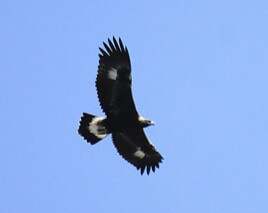
Roberts on Raptors – Golden Eagles Coming
Think Migrating Golden Eagles: The weather forecast for this Saturday (October 17) suggests birders should brush up on their eagle identification.
Bring Back Bobolinks!
Bring Back Bobolinks! This year the BBC is introducing new Endangered Species Program. Each year we plan to focus on a single bird species facing serious threats in Massachusetts and elsewhere. With this effort we [...]
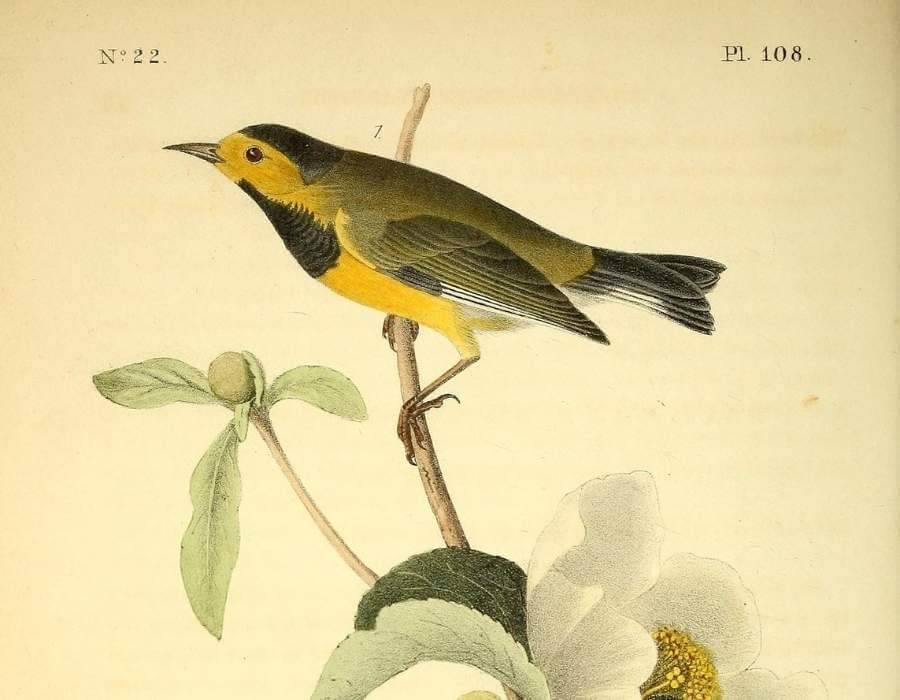
BBC Record of Bachman’s Warbler Sighting
BBC Record of Bachman's Warbler Sighting Club Statistician David Scott recently added a new record to the club's life list stemming from a 1961 week long club trip to Bulls Island, SC. We learned about [...]
10/23 Fall Meeting with Speaker Scott Weidensaul
10/23 Fall Meeting and Lecture - All Welcome Please join us on October 23 for our in person Fall Meeting. The evening begins with a social hour at 6:30. The program starts at 7:30 with [...]
10/20 Webinar: Birds Up Close: An Engineer Explores Their Hidden Wonders
10/20 Webinar: Birds Up Close: An Engineer Explores Their Hidden Wonders The book Birds Up Close: An Engineer Explores Their Hidden Wonders reveals the marvel of how birds work—from the tips of their beaks to [...]
11/14 Webinar: Birding in Italy
As a natural north-south bridge between Europe and Africa, Italy is a vitally important region for more than 550 bird species, both migrants and breeders. More than 20% of the “Boot” is under environmental protection
Roberts on Raptors – Golden Eagles Coming
Think Migrating Golden Eagles: The weather forecast for this Saturday (October 17) suggests birders should brush up on their eagle identification.
Bring Back Bobolinks!
Bring Back Bobolinks! This year the BBC is introducing new Endangered Species Program. Each year we plan to focus on a single bird species facing serious threats in Massachusetts and elsewhere. With this effort we [...]
BBC Record of Bachman’s Warbler Sighting
BBC Record of Bachman's Warbler Sighting Club Statistician David Scott recently added a new record to the club's life list stemming from a 1961 week long club trip to Bulls Island, SC. We learned about [...]
10/23 Fall Meeting with Speaker Scott Weidensaul
10/23 Fall Meeting and Lecture - All Welcome Please join us on October 23 for our in person Fall Meeting. The evening begins with a social hour at 6:30. The program starts at 7:30 with [...]
10/20 Webinar: Birds Up Close: An Engineer Explores Their Hidden Wonders
10/20 Webinar: Birds Up Close: An Engineer Explores Their Hidden Wonders The book Birds Up Close: An Engineer Explores Their Hidden Wonders reveals the marvel of how birds work—from the tips of their beaks to [...]
11/14 Webinar: Birding in Italy
As a natural north-south bridge between Europe and Africa, Italy is a vitally important region for more than 550 bird species, both migrants and breeders. More than 20% of the “Boot” is under environmental protection
Roberts on Raptors – Golden Eagles Coming
Think Migrating Golden Eagles: The weather forecast for this Saturday (October 17) suggests birders should brush up on their eagle identification.
Bring Back Bobolinks!
Bring Back Bobolinks! This year the BBC is introducing new Endangered Species Program. Each year we plan to focus on a single bird species facing serious threats in Massachusetts and elsewhere. With this effort we [...]
BBC Record of Bachman’s Warbler Sighting
BBC Record of Bachman's Warbler Sighting Club Statistician David Scott recently added a new record to the club's life list stemming from a 1961 week long club trip to Bulls Island, SC. We learned about [...]
News Categories
Upcoming Field Trips
Field Trips / Events
-
-
Fall Meeting with Scott Weidensaul: The Return of the Oystercatcher – Saving Birds to Save the Planet
Harvard University Geological Lecture Hall 24 Oxford St., Cambridge, MA, United StatesPlease join us on October 23 for our in person Fall Meeting. The evening begins with a social hour at 6:30. The program starts at 7:30 with announcements, a short presentation by our 2026 Hog Island Scholarship winners, and a talk by author Scott Weidensaul – “The Return of the Oystercatcher – Saving Birds to [...]
-
Nahanton Park, Newton and possible other nearby locations
Newton - Nahanton Park 507 Winchester St, Newton, MA, United StatesWe will search for sparrows and other fall migrants at Nahanton Park and a possible other location to be determined nearer the date of the trip.
-
Cumberland Farms Fields River St. Entrance
Halifax - Cumberland Farms - River St 10 River St, Halifax, MA, United StatesWe will walk about 1.5 miles on gravel paths in search of late fall sparrows. This is usually a good spot for Lincoln’s and Clay-colored Sparrows. We never know what else might show up. I will arrive early to listen for Great Horned Owls.
-
Captain John’s Half-Day Pealgic
Plymouth - Captain John's Whale Watching Tour Company 10 Town Wharf, Plymouth, MA, United StatesThe BBC has chartered a private pelagic trip from Plymouth out to deep waters off Stellwagen Bank and beyond. This trip is cosponsored with the South Shore Bird Club and the Cape Cod Bird Club.
-
Fresh Pond Reservation (Early Birders Series)
Cambridge - Fresh Pond - Lusitania Meadow entrance 615 Concord Ave, Cambridge, MA, United StatesJoin fellow birders in their 20s-30s as we visit Fresh Pond Reservation! Located in the northwest part of Cambridge, Fresh Pond is home to 162 acres of space consisting of forests, meadows, wetlands, and open water. As we navigate our way around the 2.5 mile park loop trail, expect to see all kinds of songbirds, [...]