seen above: Stage Fort Park by Fitz Henry Lane
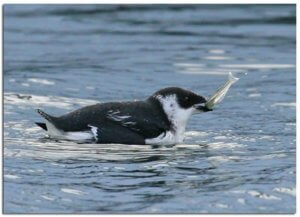
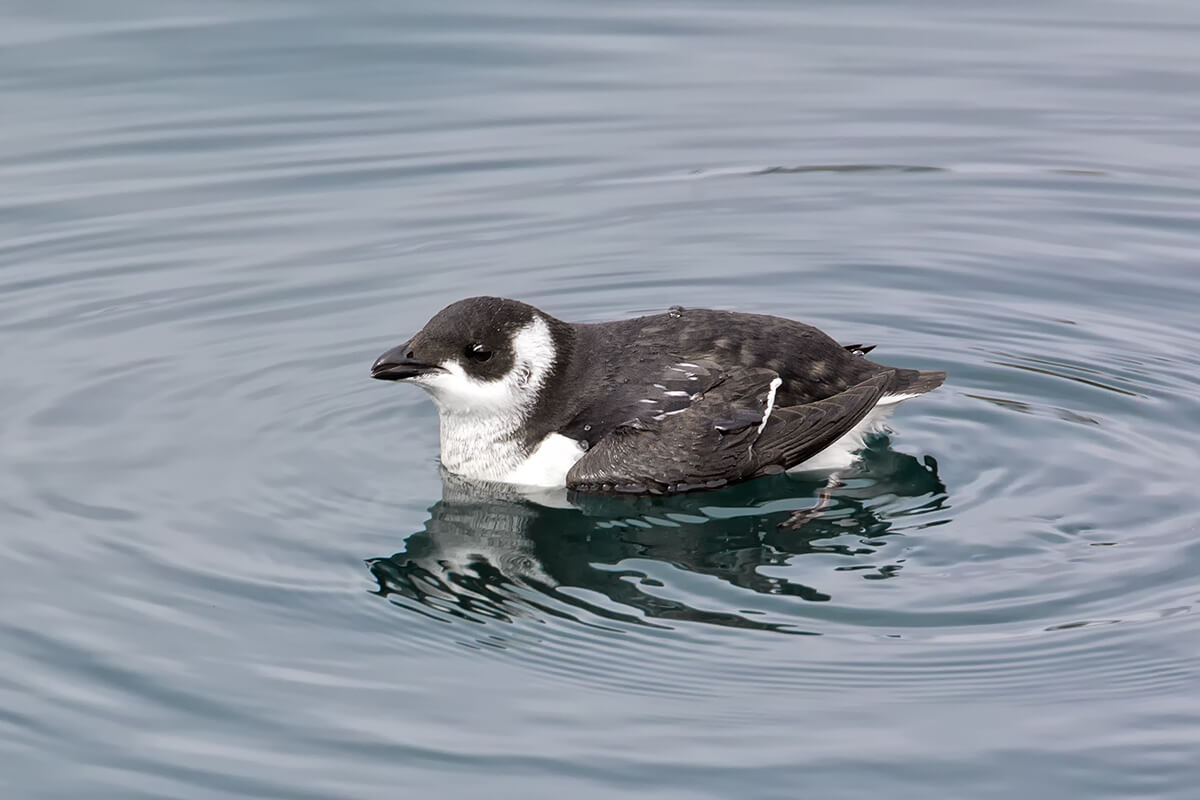
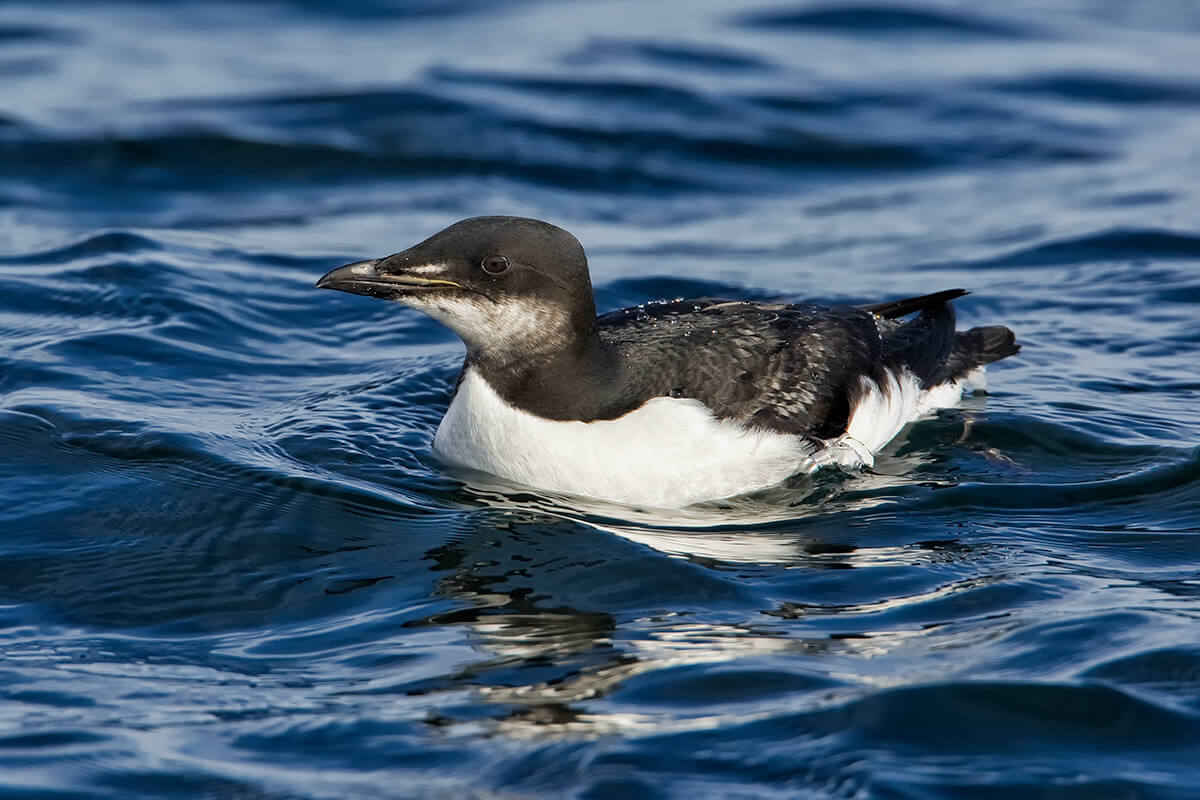
Dovekie at Gloucester Harbor by Phil Brown
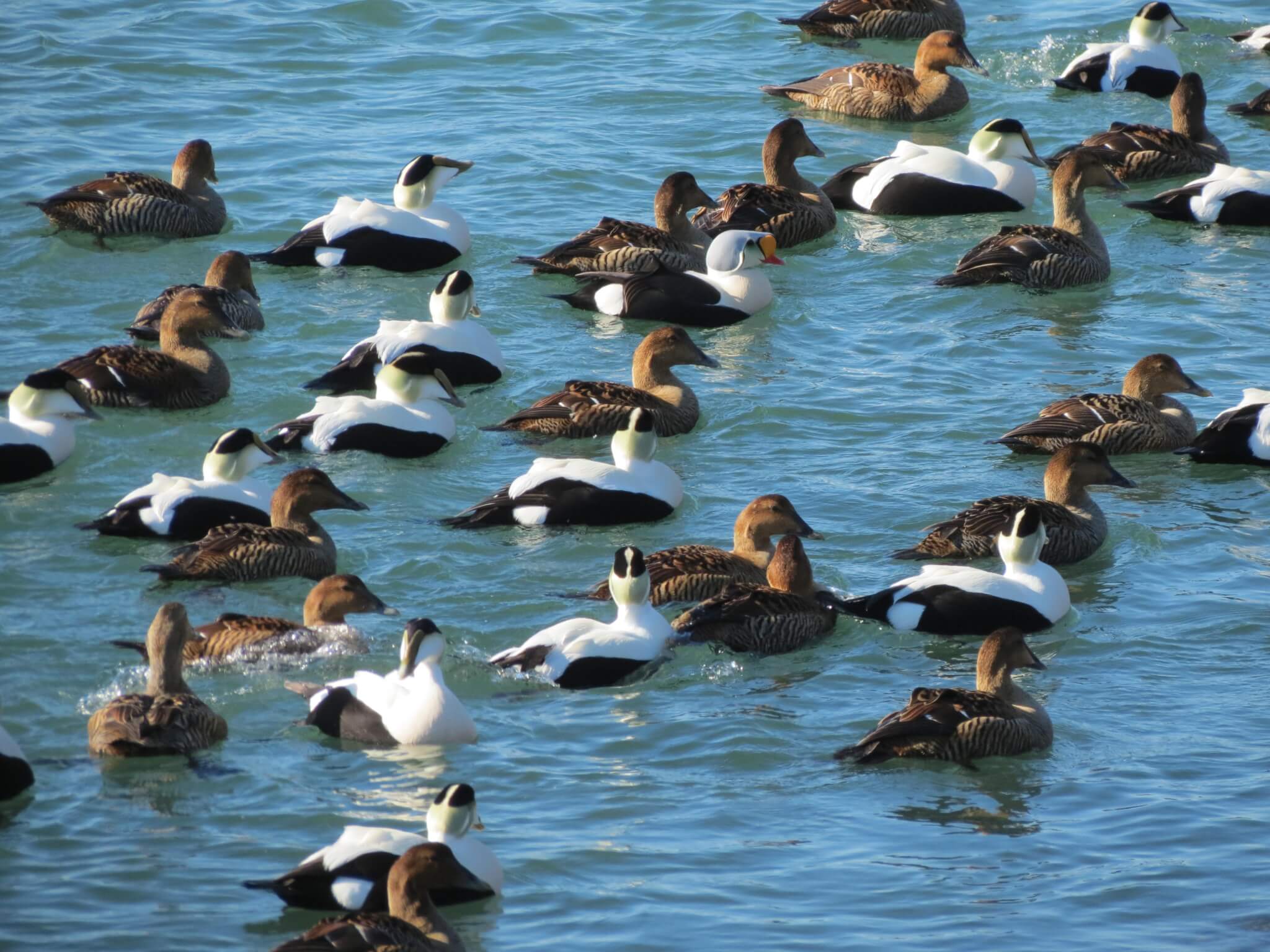
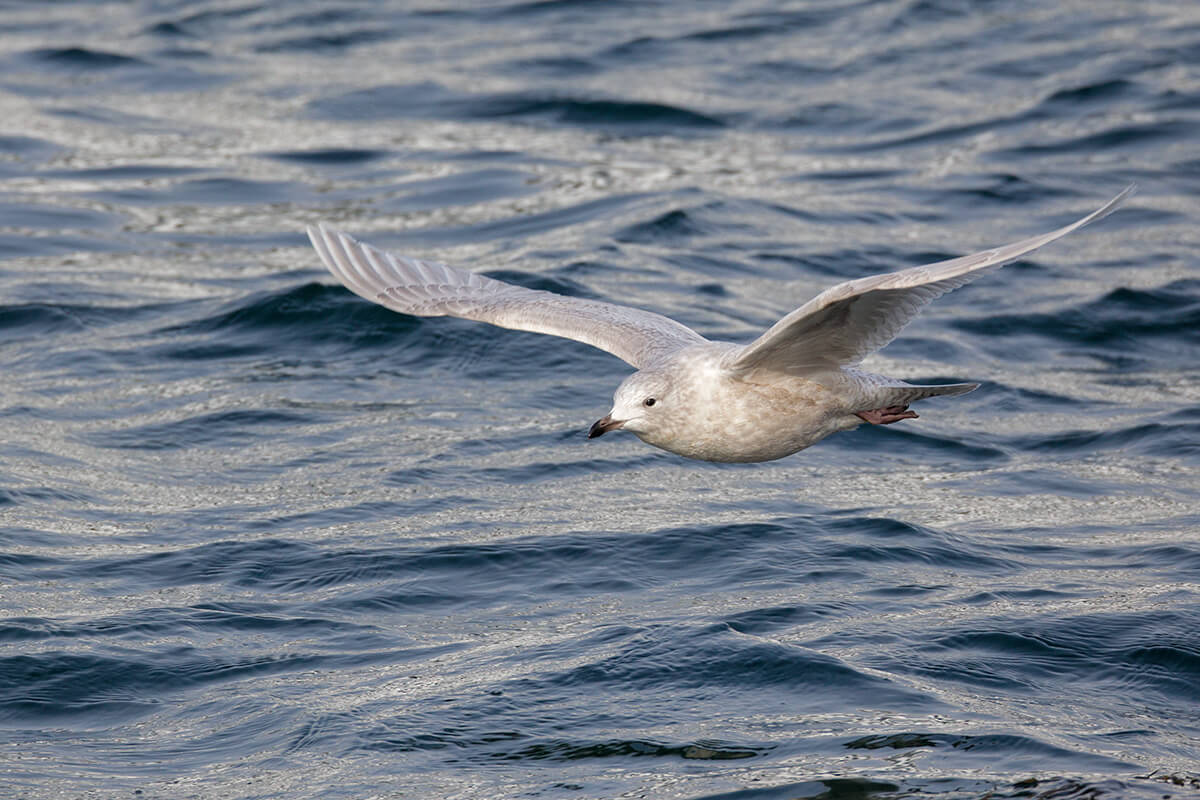
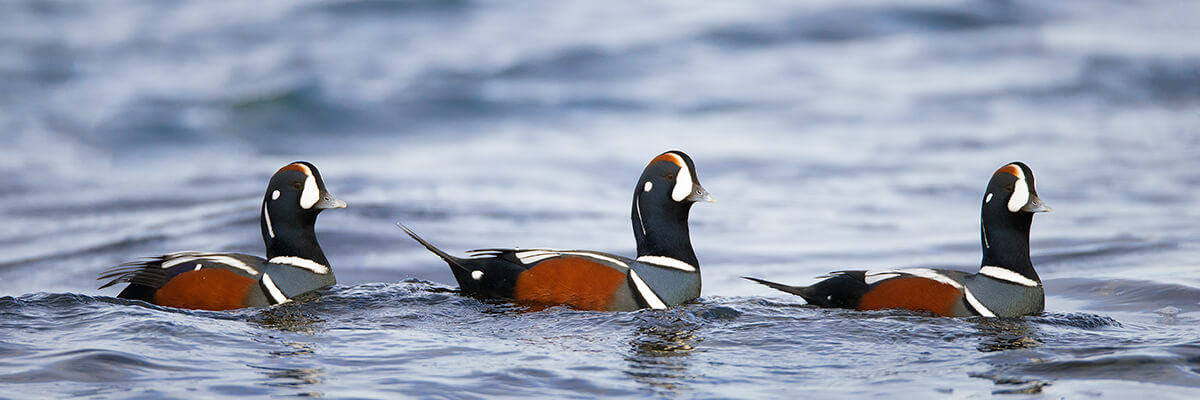
About once a week, from November into March, the BBC offers field trips to Gloucester and/or Rockport on Cape Ann, one of the Northeast’s prime destinations for winter birding. The main attractions are seabirds: waterfowl, alcids, and gulls. On a given day, we usually find 15 to 20 species of ducks and geese, with a possibility of a stunning King Eider and the virtual certainty of Harlequin Duck, a risk-prone, fantastical beauty fond of rough water and one of only three torrent-feeding ducks in the world. Six alcids are possible, from the probable Razorbill and Black Guillemot to the very scarce Atlantic Puffin. You’ll also have a fair chance to see an Iceland Gull (at the southern end of its winter range) and possibly the imposing Glaucous Gull, while various other scarce to rare gulls have been found on BBC trips, including Black-headed Gull, Slaty-backed Gull, and Ivory Gull. It takes great luck to find the rarer gulls, but we keep scoping, hoping, and searching.
One standard BBC route begins at the famed bronze statue of the Man at the Wheel, dedicated in 1923 as a memorial to those who have “gone down to the sea in ships.” Here you’re looking out at Gloucester’s outer harbor—a scene often painted by local artists like Homer Winslow and Fitzhenry Lane–with Ten Pound Island in the foreground and Dog Bar Breakwater further out. It’s a good spot for the more common local ducks like Red-breasted Merganser, Bufflehead, Common Goldeneye, and, near Stage Fort Park, one or both scaup species.
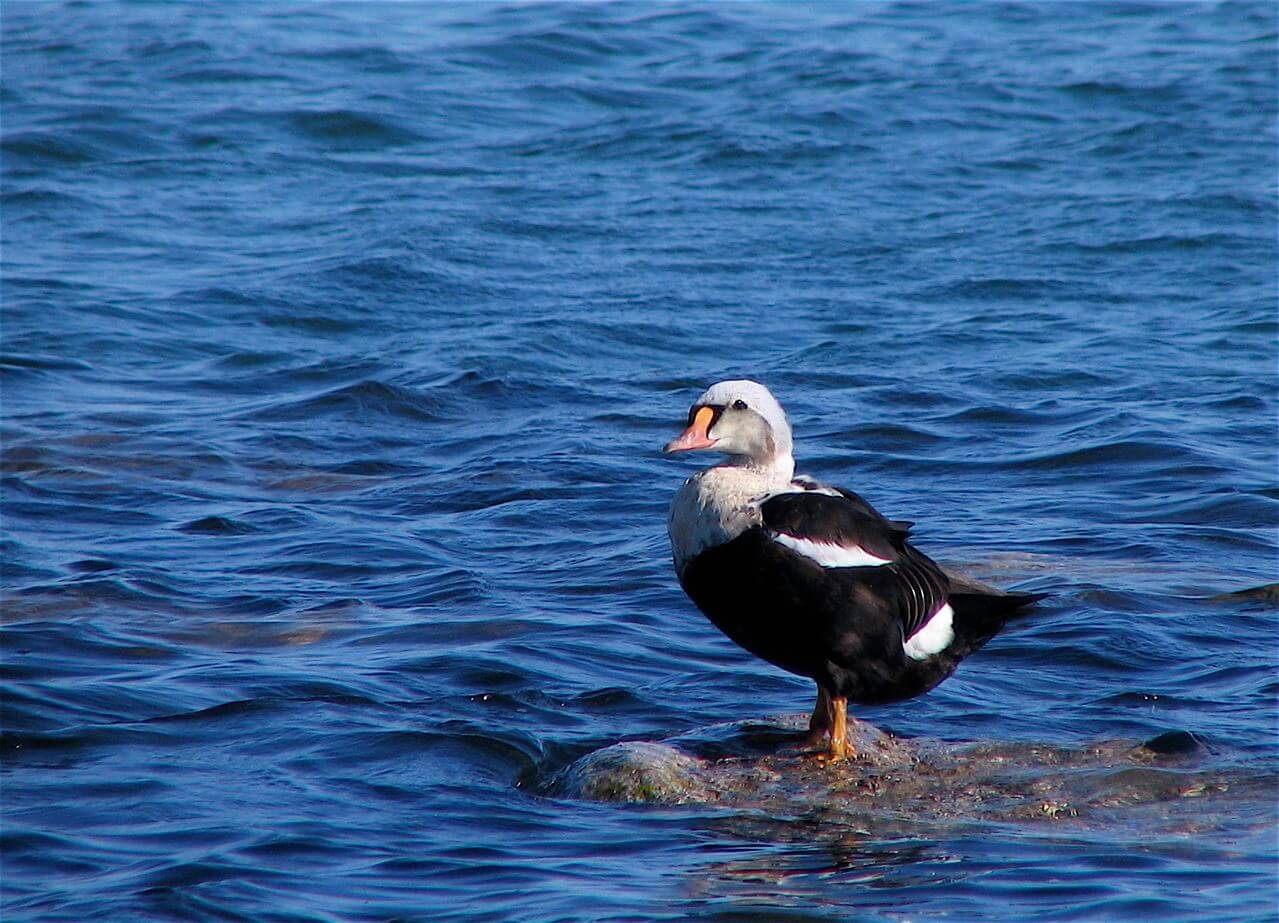
King Eider by Carol Decker
Jodrey State Fish Pier, in Gloucester’s inner harbor, is gull headquarters. From the end of the pier, BBC groups carefully scan the whole area—water, pilings, warehouse rooftops—for Iceland and Glaucous Gulls (or a rarer gull), ducks, grebes, Common Loons, and uncommon alcids like Dovekie and Thick-billed Murre. We also scope the City Hall tower, where two Peregrine Falcons spend their winters. Across the water on Rocky Neck Avenue, we sometimes scope the inner harbor from a different angle or, by crossing the street, scan Ten Pound Island and the outer harbor from a fresh vantage point.
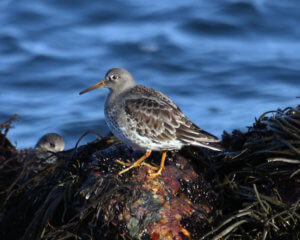
Purple Sandpiper at Bass Rocks by Christopher Ciccone
Niles Beach, at the entrance to Eastern Point, is a good place to look for Horned and Red-necked Grebes, all three scoters, Long-tailed Ducks, and distant Black Guillemots. The tip of Eastern Point—the lighthouse, Coast Guard station, and breakwater–offers another chance for the same birds, along with gulls, Gadwall, and Purple Sandpipers, which often feed at the rocky tip of the seawall. From the lighthouse you can see the distant Boston skyline. We also check Niles Pond, even when frozen over. The Slaty-backed found here in January 2008, along with Lesser Black-backs, were all identifiable in part because they were standing on ice, with leg color easily visible. Open water may draw ducks like Ring-necked, Ruddy, the occasional Redhead or Canvasback, or a wintering Great Blue Heron.
Bass Rocks, or the Back Shore of Gloucester, a long stretch of rocks with an open view of the Atlantic and the twin lights on Thacher Island, is another fine area for guillemots, scoters, goldeneyes, grebes, Common and Red-throated Loons, Great Cormorants drying out on offshore rocks, Purple Sandpipers on the rocky shore, and especially King Eider, sometimes found directly out from the Elks Club parking lot. Note: if you’re scoping for a black-backed King Eider, you’re more likely to confuse it with a Greater Black-backed gull than the locally abundant Common Eider. In recent years we’ve sometimes found King Eider around the north end of Good Harbor Beach, just up the coast. We often check the beach parking lot for Horned Larks, Snow Buntings, the occasional Lapland Longspur, and sparrows in the thickets.
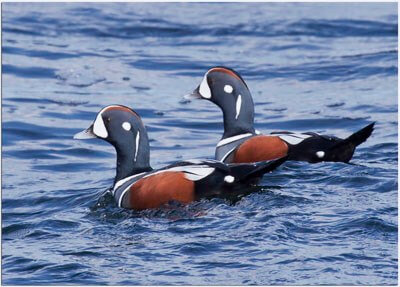
Harlequin Ducks at Andrews Point by Phil Brown
Cape Ann’s most distinctive geological feature, a granite outcrop jutting into the Atlantic, is sometimes called the Rockport Headlands, a collective term for Halibut Point, Andrews Point, and Cathedral Ledge. This is usually the last stop on the BBC loop, though we may come early on mornings when offshore winds drive seabirds close to shore. It’s a prime spot for tremendous views of Harlequins, and the best place on the Cape to scope for alcids like Razorbills and murres along with plunging Northern Gannets, distant Black-legged Kittiwakes, loons—Pacific with great luck–grebes, various ducks, and Purple Sandpipers. On trips to the 70 acres of Halibut Point State Park, BBC groups check heathland and woodlots for irruptive or vagrant landbirds like Bohemian Waxwings or Townsend Solitaires.
On all-day winter trips, BBC groups might also visit the Rockport coves, like Folly and Loblolly, or the stretch from Plum Cove to Hodgkins Cove in Gloucester, the best place in recent years to try for Barrow’s Goldeneye. In other seasons BBC trips might explore Eastern Point for spring migrants and or visit Coolidge Point in Manchester for the evening spectacle of egrets, herons, and ibises returning to their roosts on Kettle Island.
Cape Ann is a place of great natural beauty. Here ocean meets rock, shaping coves, inlets, promontories, and crenulations, along with ledges and rocky islands and a wealth of birds that breed and feed in these places. The Cape also has a fascinating cultural history. At Cathedral Ledge you’ll stand where Ralph Waldo Emerson once stood, by the veranda of the Emerson Inn, and look out toward the Dry Salvages, the treacherous rocks described by T. S. Eliot in The Four Quarters. Emerson and Eliot spent their summers here, but missed out on the pleasures of Cape Ann winter birding: the birds, the crisp air, the plucky camaraderie of BBC groups braving cold or wind to find seabirds. Foul weather, local birders say, often brings great fowl. Bundle up.
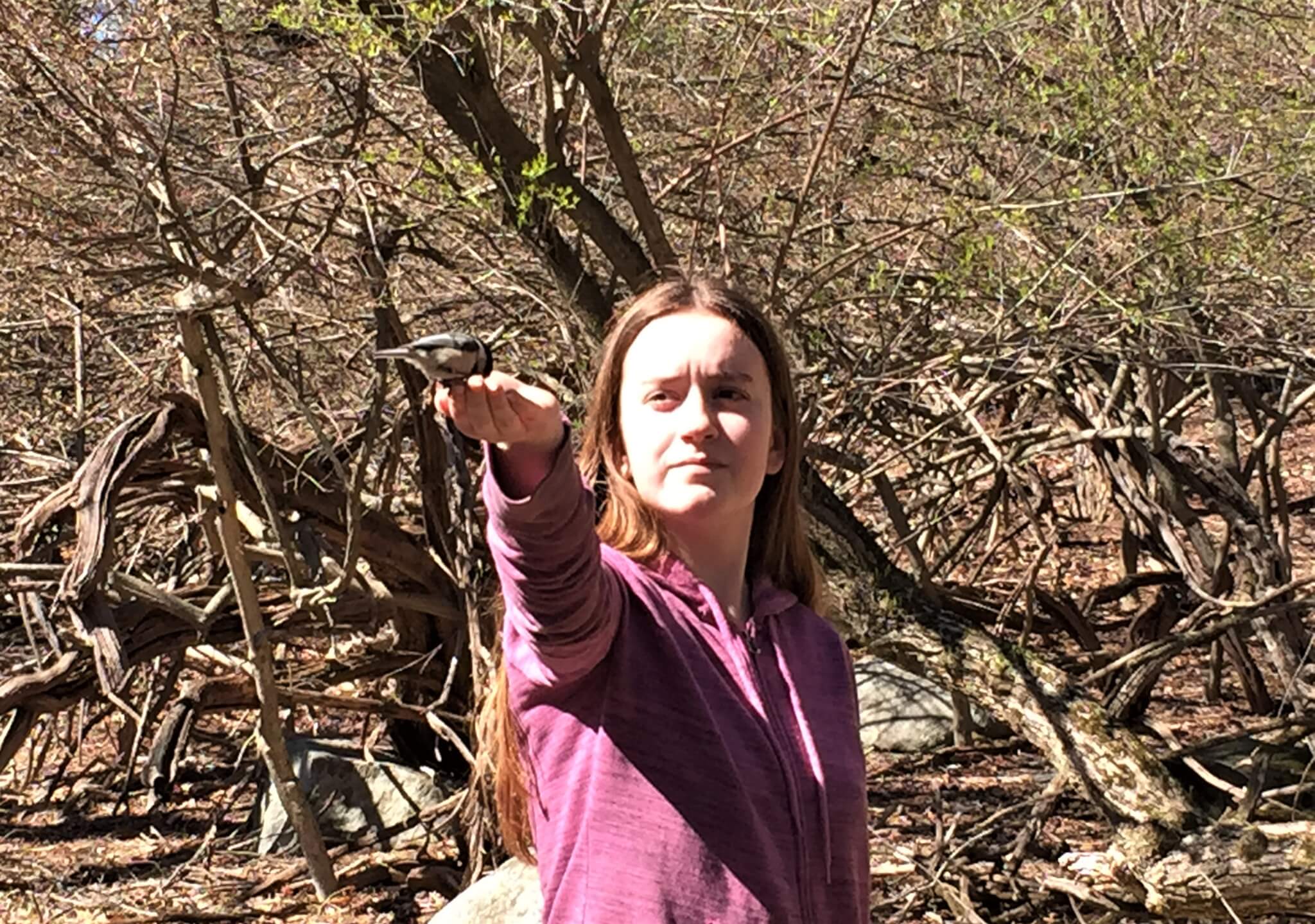
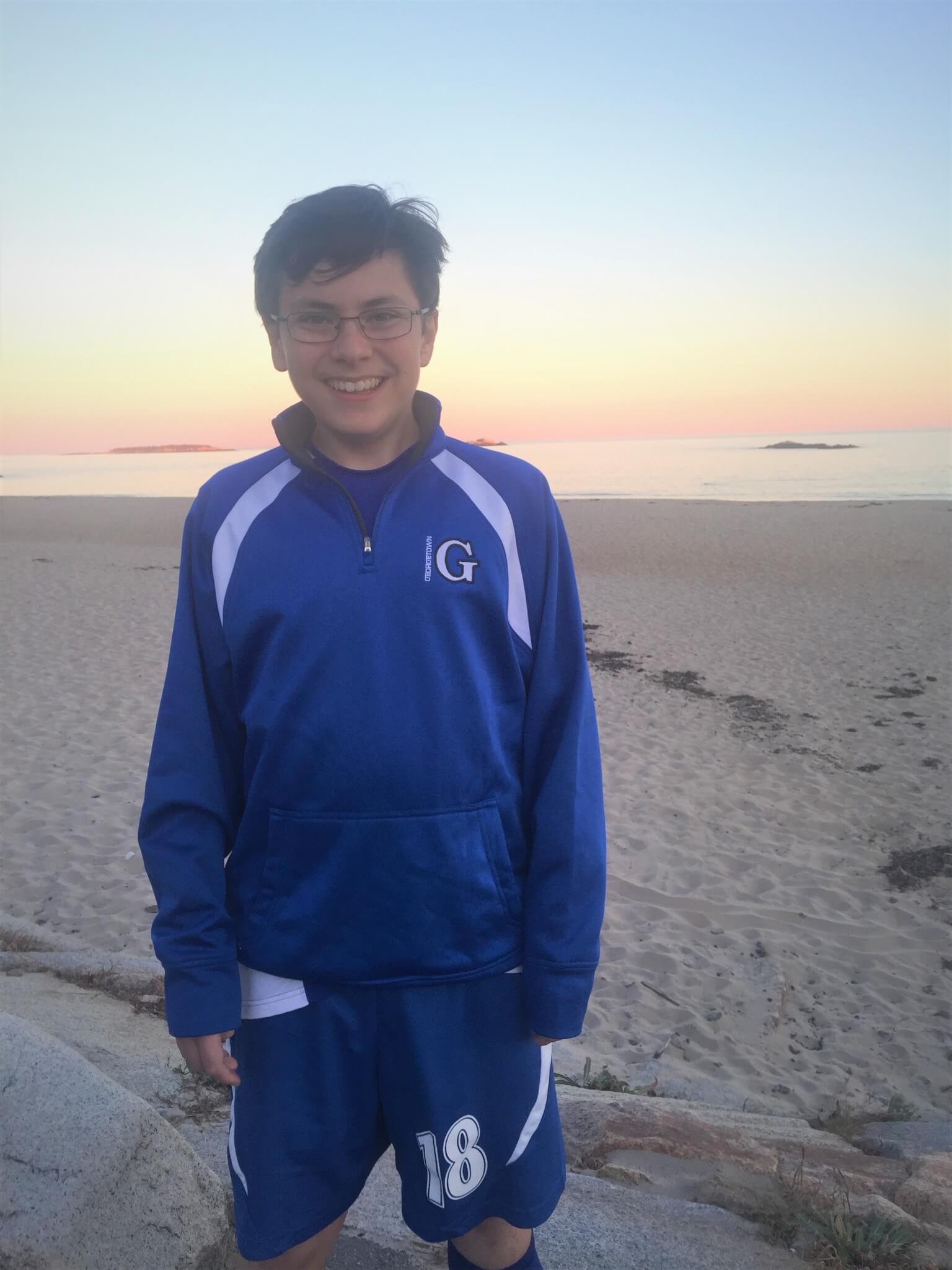
2018 BBC SCHOLARSHIP RECIPIENTS!
The BBC is pleased and proud to announce that our two annual Young Birder Scholarships have been awarded to Sam Mroz of Georgetown and Isabel Rasmussen of Peabody. These scholarships, instituted to nurture interest
WONDERING HOW TO SUPPORT NEW BIRDERS?–BBC BOOK FUND
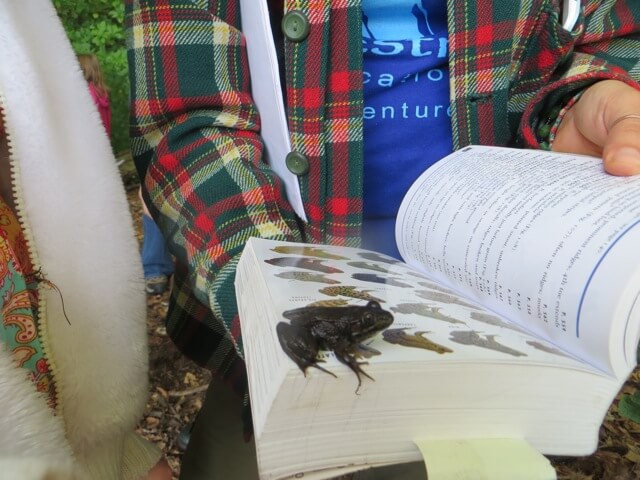
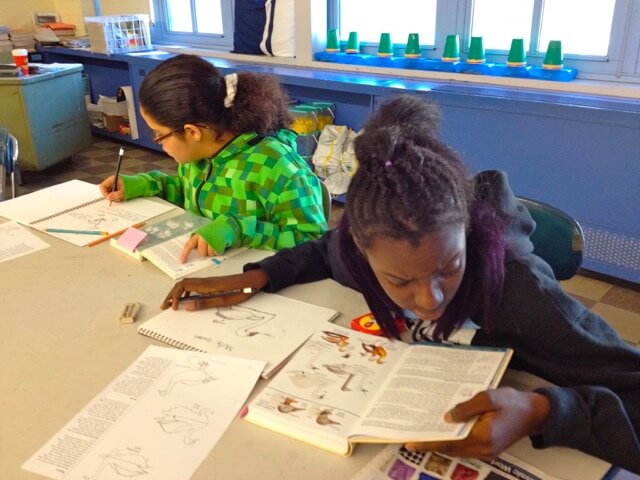
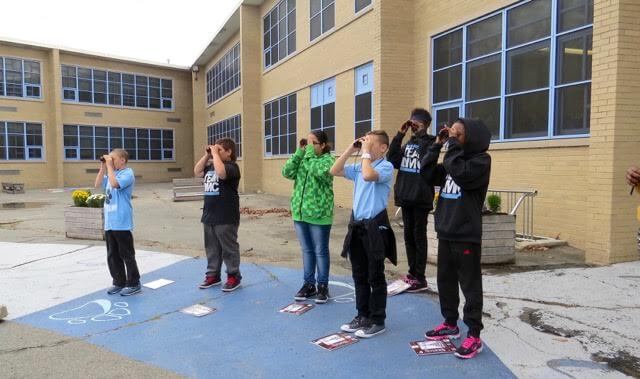
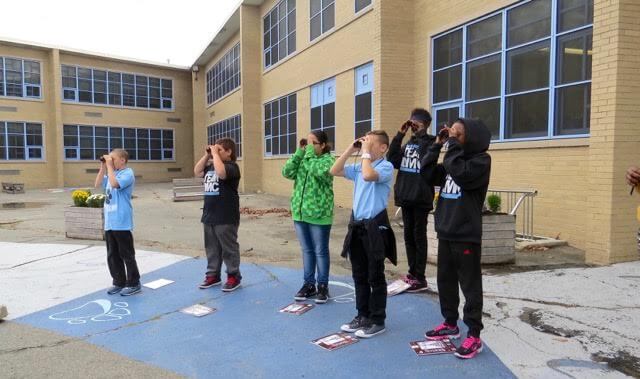
Brookline Bird Club Book Fund Wondering how to help support new birders? The BBC Book Fund was established to donate books and other educational materials to promote bird and nature education for K-12 students throughout
TIME TO RENEW YOUR BBC MEMBERSHIP!
If you haven't done so yet, now is the time renew your BBC membership. If you are presently a member and want to renew your membership, login first, and then you can either renew online using
SNOWY OWLS!
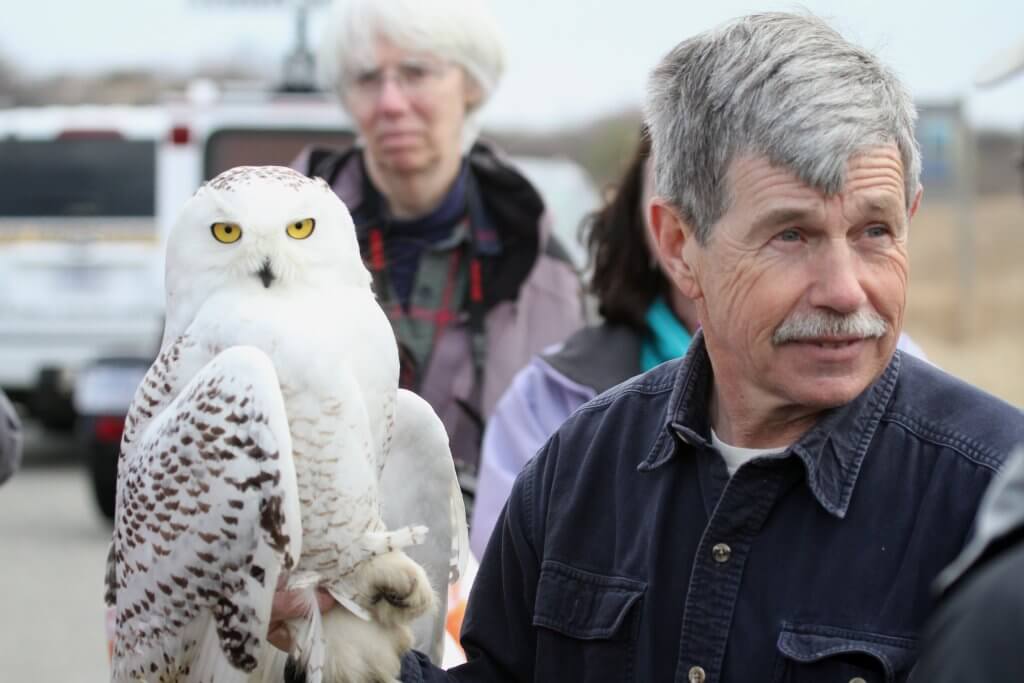
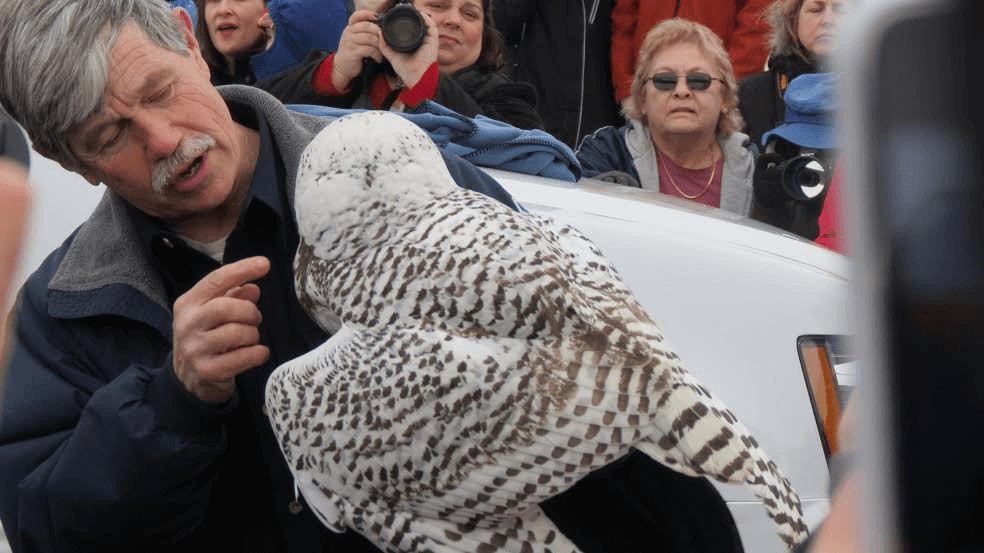
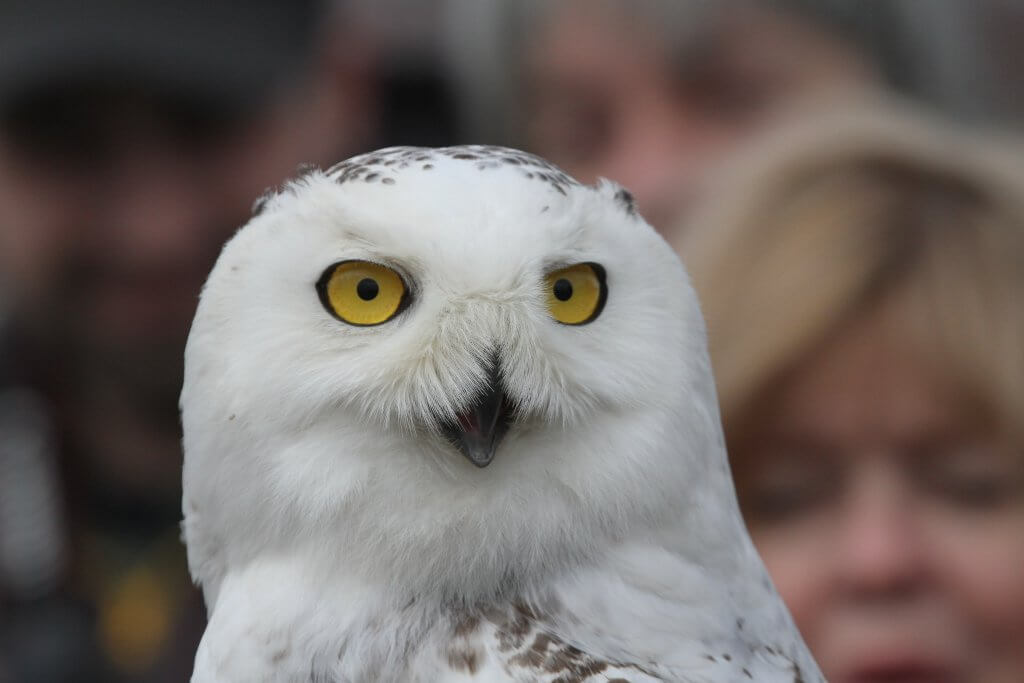
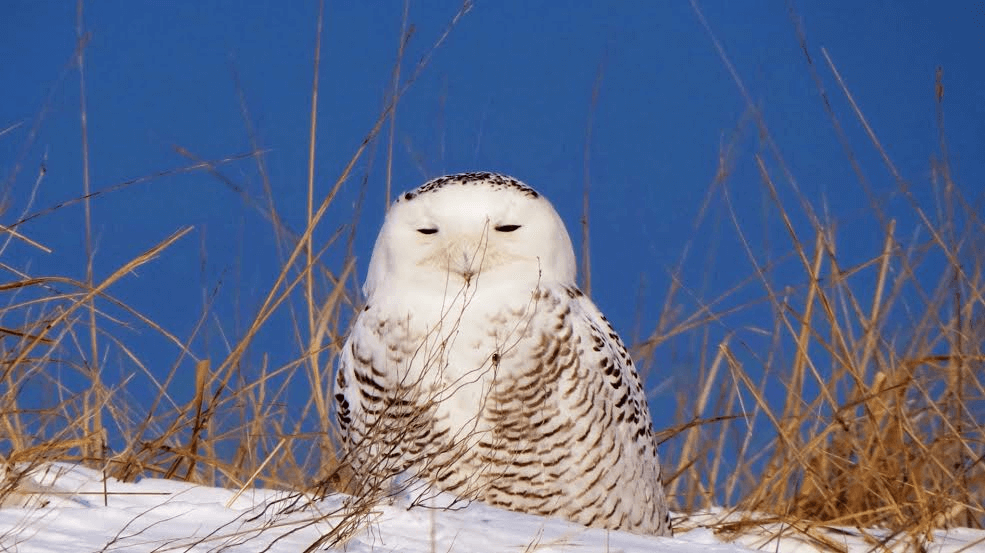
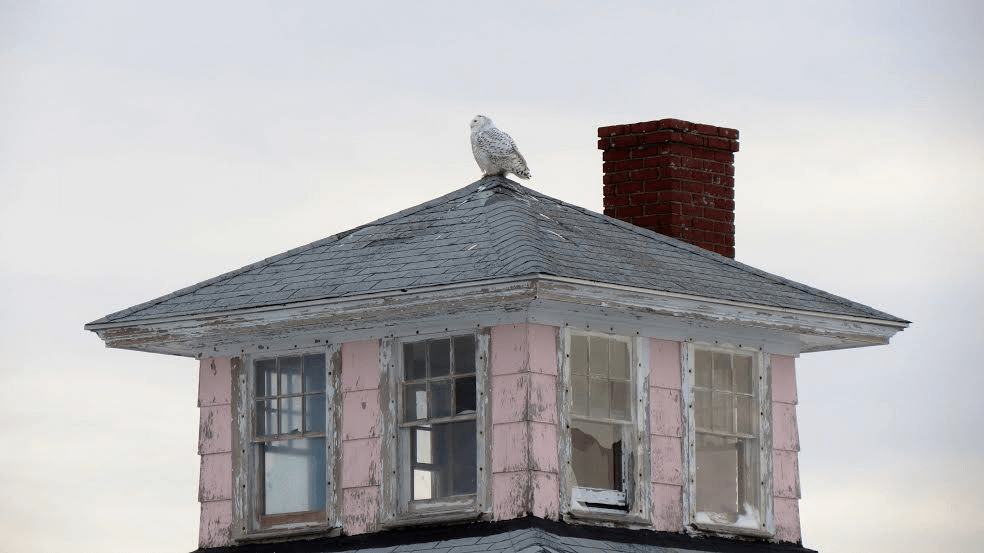
Could we be in for another Snowy Owl irruption? There have been numerous sightings of Snowy Owls throughout the Northeast including many in Massachusetts. The BBC Conservation/Education committee has made a donation to MA Audubon's Snowy
Winter Birding on Cape Ann
About once a week, from November into March, the BBC offers field trips to Gloucester and/or Rockport on Cape Ann, one of the Northeast’s prime destinations for winter birding. The main attractions are seabirds: waterfowl,
SCHOLARSHIPS FOR YOUNG BIRDERS
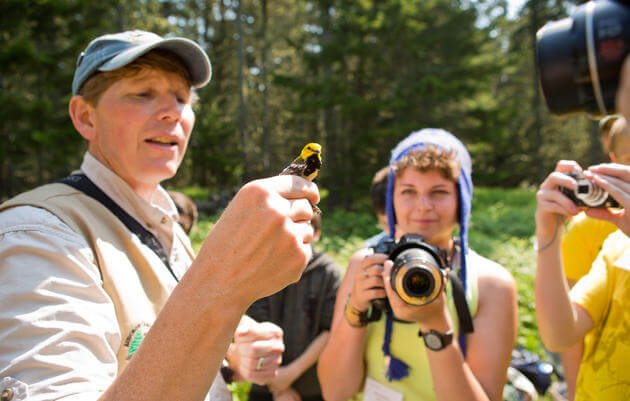
The BBC is pleased to announce that we will again offer two Young Birder Scholarships to nurture interest in bird study and conservation among young birders. The 2018 scholarships will cover the full cost
2018 BBC SCHOLARSHIP RECIPIENTS!
The BBC is pleased and proud to announce that our two annual Young Birder Scholarships have been awarded to Sam Mroz of Georgetown and Isabel Rasmussen of Peabody. These scholarships, instituted to nurture interest
WONDERING HOW TO SUPPORT NEW BIRDERS?–BBC BOOK FUND
Brookline Bird Club Book Fund Wondering how to help support new birders? The BBC Book Fund was established to donate books and other educational materials to promote bird and nature education for K-12 students throughout
TIME TO RENEW YOUR BBC MEMBERSHIP!
If you haven't done so yet, now is the time renew your BBC membership. If you are presently a member and want to renew your membership, login first, and then you can either renew online using
SNOWY OWLS!
Could we be in for another Snowy Owl irruption? There have been numerous sightings of Snowy Owls throughout the Northeast including many in Massachusetts. The BBC Conservation/Education committee has made a donation to MA Audubon's Snowy
Winter Birding on Cape Ann
About once a week, from November into March, the BBC offers field trips to Gloucester and/or Rockport on Cape Ann, one of the Northeast’s prime destinations for winter birding. The main attractions are seabirds: waterfowl,
SCHOLARSHIPS FOR YOUNG BIRDERS
The BBC is pleased to announce that we will again offer two Young Birder Scholarships to nurture interest in bird study and conservation among young birders. The 2018 scholarships will cover the full cost
2018 BBC SCHOLARSHIP RECIPIENTS!
The BBC is pleased and proud to announce that our two annual Young Birder Scholarships have been awarded to Sam Mroz of Georgetown and Isabel Rasmussen of Peabody. These scholarships, instituted to nurture interest
WONDERING HOW TO SUPPORT NEW BIRDERS?–BBC BOOK FUND
Brookline Bird Club Book Fund Wondering how to help support new birders? The BBC Book Fund was established to donate books and other educational materials to promote bird and nature education for K-12 students throughout
TIME TO RENEW YOUR BBC MEMBERSHIP!
If you haven't done so yet, now is the time renew your BBC membership. If you are presently a member and want to renew your membership, login first, and then you can either renew online using
SNOWY OWLS!
Could we be in for another Snowy Owl irruption? There have been numerous sightings of Snowy Owls throughout the Northeast including many in Massachusetts. The BBC Conservation/Education committee has made a donation to MA Audubon's Snowy
Winter Birding on Cape Ann
About once a week, from November into March, the BBC offers field trips to Gloucester and/or Rockport on Cape Ann, one of the Northeast’s prime destinations for winter birding. The main attractions are seabirds: waterfowl,
SCHOLARSHIPS FOR YOUNG BIRDERS
The BBC is pleased to announce that we will again offer two Young Birder Scholarships to nurture interest in bird study and conservation among young birders. The 2018 scholarships will cover the full cost
News Categories
Upcoming Field Trips
Field Trips / Events
-
-
Millennium Park
Boston - Millennium Park Canoe Launch 300 Gardner Street, Boston, MA, United StatesJoint with Mass Audubon BNC. Join us to observe resident birds and fall migrants in a unique urban habitat that is a favorite for many bird species, including uncommon and rare birds. Birders of all levels will enjoy this walk. The trails are (generally) flat though there are some hills. A water bottle, water proof
-
Shorebirds at Winthrop Beach with Soheil Zendeh
Winthrop - DCR Winthrop Beach Reservation - Sturgis St 59 Winthrop Shore Drive, Winthrop, MA, United StatesWe are happy to offer this shorebirding field trip at Winthrop Beach led by Soheil Zendeh. Shorebirding beginners welcome. We meet at the corner of Winthrop Shore Drive and Sturgis St in Winthrop. A scope will probably be useful if you have one. Definitely bring binoculars. Meeting at 9 am, timed with the tide. Soheil
-
Essex River Marsh Cruise
Essex - Essex River Marsh Cruise 35 Dodge St, Essex, MA, United StatesThis narrated cruise is scenic, relaxing, and educational. Join us for a cruise along the Essex River as we glide past islands, historic mansions, wildlife, and stunning scenery. The marsh itself is part of the Essex River estuary, which serves as the feeding ground for many species of beautiful birds and abundant wildlife. Group discount
-
Webinar: How do you protect the invisible? Conservation challenges and opportunities for Marine Birds
For most people, seabirds are out of sight and out of mind, while seabird populations have dropped a staggering 70 percent globally over the past 60 years due to factors such as invasive species, unsustainable fisheries, and marine trash This talk will reintroduce seabirds, their conservation challenges, and the ways in which they are critical
-
An Oasis for Birds at Belle Isle Marsh
East Boston - Belle Isle Parking Lot 1399 Bennington Street, Boston, MA, United StatesJoin DCR park staff for a relaxed, one-mile bird walk through flat, easy terrain at this Massachusetts State Reservation and birding hot spot. At Belle Isle and at additional nearby locations— We’ll search for large groups of herons and egrets, and shorebird rarities. Participants are responsible for their own transportation between locations (by car or