MassWildlife’s Natural Heritage & Endangered Species Program is responsible for the conservation and protection of wildlife species that are not considered game species and the natural communities that make up their habitats. The focus of the Program is on conservation and restoration of the 427 native plants and animals listed under the Massachusetts Endangered Species Act.
Funding for the Program relies, in part, on individual contributions, NOT on general fund tax dollars. Your help does make a difference! It supports the field surveys, research, habitat management, regulatory review, and land protection for the hundreds of rare creatures and plants in the Bay State.
If you care about the future of our wildlife and wild places here in Massachusetts, you can contribute in one of several ways:
- Make a donation on your MA state income tax return (line 33a) for Endangered Wildlife Conservation.
Contributions by this method in 2017 were $312,297 by just over 23,000 individuals. (2016 – $302,603, 24,082 individuals contributed)
- Make a Direct Donation! (it’s tax deductible)Send a check payable to
“Comm. of MA-NHESP” and mail to:
MassWildlife, 1 Rabbit Hill Road, Westborough, MA 01581
– OR –
Donate online with your credit card as a “Guest Customer” through MassFishHunt, MassWildlife’s licensing system. Direct donations through this method in 2017 totaled $7,891 dollars, up from $6103 in 2016.
There’s plenty of room for improvement!
Reflect on the success of the Bald Eagle restoration effort that began in 1982. This past year, a record-breaking 76 territorial eagle pairs were documented in Massachusetts! Observations from birders and other interested citizens played a big part in this documentation. MassWildlife depends on reports of eagle nests or observations of eagles carrying sticks from birders like you to monitor these magnificent birds.
MassWildlife and others are sure there are more eagle nests out there that haven’t been found or documented. For instance, who will find and confirm the first eagle nest on Cape Cod?!
Additional ways to support NHESP’S efforts can be found at www.mass.gov/service-details/support-endangered-species-conservation
Thank you for your support, whether it’s a donation, reporting observations or telling others about this important program that conserves wildlife for everyone to enjoy!
Remember – line 33a on your Massachusetts state tax return!
Please share!
Federal Bird Banding Lab Needs Support Now
Federal Bird Banding Lab Needs Support Now Find contact information for your senators and representative. The following is from a letter from author Scott Weidensaul received on May 22: As some of you may be
BBC Programming Committee Seeks Volunteers
BBC Programming Committee Seeks Volunteers Do you have ideas for BBC webinar speakers? Would you like to be involved in planning club events such as our annual meeting, fall speaker, and winter member's meeting? Interested
Threats to Migratory Bird Treaty Act and Endangered Species Act
Responding to Threats to Migratory Bird Treaty Act and Endangered Species Act John Nelson, chair of the BBC's Conservation Committee, recently sent an eloquent letter to Representative Seth Moulton and Massachusetts Senators Edward Markey and
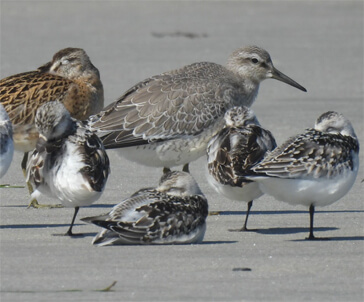
Member Webinar and Field Trip: The Art and Craft of Shorebird Identification with Lisa Schibley
Member Webinar and Field Trip: The Art and Craft of Shorebird Identification with Lisa Schibley Shorebirds are among the most fascinating and diverse groups of birds, but identifying them can sometimes feel overwhelming. What key
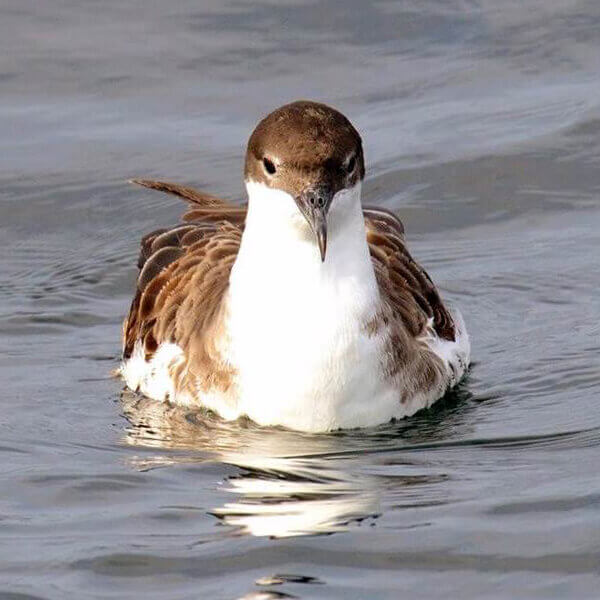
2025 Daytime Pelagic and Marsh Cruise Trip Schedule
2025 Daytime Pelagic and Marsh Cruise Trip Schedule Announced The BBC is happy to announce two daytime whale watching events and a Parker River marsh cruise. For the Thursday August 14th whale watching trip out
Migration Madness Membership Drive
Win a Free Pair of Binoculars - Migration Madness Membership Drive To celebrate the excitement of spring migration, the Brookline Bird Club has a special offer for any new member joining the club from April
Federal Bird Banding Lab Needs Support Now
Federal Bird Banding Lab Needs Support Now Find contact information for your senators and representative. The following is from a letter from author Scott Weidensaul received on May 22: As some of you may be
BBC Programming Committee Seeks Volunteers
BBC Programming Committee Seeks Volunteers Do you have ideas for BBC webinar speakers? Would you like to be involved in planning club events such as our annual meeting, fall speaker, and winter member's meeting? Interested
Threats to Migratory Bird Treaty Act and Endangered Species Act
Responding to Threats to Migratory Bird Treaty Act and Endangered Species Act John Nelson, chair of the BBC's Conservation Committee, recently sent an eloquent letter to Representative Seth Moulton and Massachusetts Senators Edward Markey and
Member Webinar and Field Trip: The Art and Craft of Shorebird Identification with Lisa Schibley
Member Webinar and Field Trip: The Art and Craft of Shorebird Identification with Lisa Schibley Shorebirds are among the most fascinating and diverse groups of birds, but identifying them can sometimes feel overwhelming. What key
2025 Daytime Pelagic and Marsh Cruise Trip Schedule
2025 Daytime Pelagic and Marsh Cruise Trip Schedule Announced The BBC is happy to announce two daytime whale watching events and a Parker River marsh cruise. For the Thursday August 14th whale watching trip out
Migration Madness Membership Drive
Win a Free Pair of Binoculars - Migration Madness Membership Drive To celebrate the excitement of spring migration, the Brookline Bird Club has a special offer for any new member joining the club from April
Federal Bird Banding Lab Needs Support Now
Federal Bird Banding Lab Needs Support Now Find contact information for your senators and representative. The following is from a letter from author Scott Weidensaul received on May 22: As some of you may be
BBC Programming Committee Seeks Volunteers
BBC Programming Committee Seeks Volunteers Do you have ideas for BBC webinar speakers? Would you like to be involved in planning club events such as our annual meeting, fall speaker, and winter member's meeting? Interested
Threats to Migratory Bird Treaty Act and Endangered Species Act
Responding to Threats to Migratory Bird Treaty Act and Endangered Species Act John Nelson, chair of the BBC's Conservation Committee, recently sent an eloquent letter to Representative Seth Moulton and Massachusetts Senators Edward Markey and
Member Webinar and Field Trip: The Art and Craft of Shorebird Identification with Lisa Schibley
Member Webinar and Field Trip: The Art and Craft of Shorebird Identification with Lisa Schibley Shorebirds are among the most fascinating and diverse groups of birds, but identifying them can sometimes feel overwhelming. What key
2025 Daytime Pelagic and Marsh Cruise Trip Schedule
2025 Daytime Pelagic and Marsh Cruise Trip Schedule Announced The BBC is happy to announce two daytime whale watching events and a Parker River marsh cruise. For the Thursday August 14th whale watching trip out
Migration Madness Membership Drive
Win a Free Pair of Binoculars - Migration Madness Membership Drive To celebrate the excitement of spring migration, the Brookline Bird Club has a special offer for any new member joining the club from April
News Categories
Upcoming Field Trips
Field Trips / Events
-
-
CANCELED Midweek Hunt for Alcids and Seabirds CANCELED
Rockport - Halibut Point State Park Halibut Point State Park, Rockport, MA, United StatesCanceling due to the difficulties presented by the snow everywhere.
-
The Quiet Beauty of birding – Winthrop Shore Reservation
Winthrop - DCR Winthrop Beach Reservation - Sturgis St 59 Winthrop Shore Drive, Winthrop, MA, United StatesOffered by DCR. Come join us for an up-close look at sea ducks and gulls in action! Observe, share your insights, ask questions, and connect with fellow bird enthusiasts. For adults & children 8+. Children must be with an adult. ADA/Reasonable Accommodation 617-645-0358 | Moneesha.dasgupta2@mass.gov
-
The Quiet Beauty of birding – Lynn Shore & Nahant Beach Reservation
Lynn - Red Rock Park 188 Lynn Shore Drive, Lynn, MA, United StatesOffered by DCR. Come join us for an up-close look at sea ducks and gulls in action! Observe, share your insights, ask questions, and connect with fellow bird enthusiasts. For adults & children 8+. Children must be with an adult. ADA/Reasonable Accommodation 617-645-0358 | Moneesha.dasgupta2@mass.gov
-
Belle Isle Marsh and Vicinity
East Boston - Belle Isle Parking Lot 1399 Bennington Street, Boston, MA, United StatesLed by DCR staff. We will search on foot up to one mile, on flat, easy terrain for snowy owls and other raptors, native sparrows, finches, waterfowl, and other birds. This is a traveling program by car or bike. Prepare for ticks. Ages: Adults and kids 8 years+ with adult chaperone. Binoculars recommended. ADA/Reasonable Accommodations
-
Deer Island & Boston Harbor, Winthrop
Winthrop - Deer Island Parking Lot 180 Tafts Ave., Winthrop, MA, United StatesWe will search for wintering seabirds, alcids, and Iceland Gulls. Be prepared for cold and wind and dress very warmly. Depending on conditions, we will walk up to 2.6 miles on paved paths. Port-a-potties available midway. Beginners welcome and encouraged. Bad weather or poor walking conditions may cancel - email trip leaders if you are