Federal Bird Banding Lab Needs Support Now
Find contact information for your senators and representative.
The following is from a letter from author Scott Weidensaul received on May 22:
As some of you may be aware, there are reports that the federal Bird Banding Lab, which runs the entire U.S. bird banding program, has been slated by DOGE for elimination as soon as this week, along with the rest of the vital Ecosystems Mission Area at USGS. The U.S. Geological Survey Ecosystems Mission Area is responsible for many of the programs that serve millions of birders, hunters, anglers, gardeners, biologists, ecologists, and wildlife enthusiasts around the country–and importantly, the wildlife we treasure.
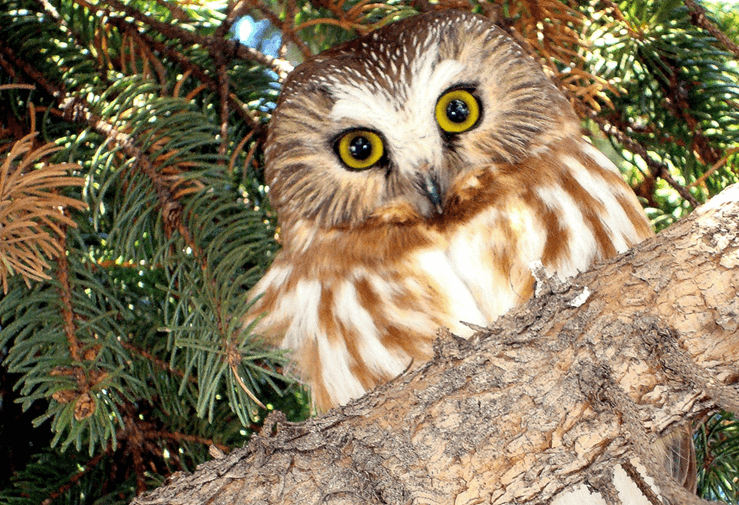
The consequences of such a move on birds and bird conservation would be incalculable. The BBL is the only source for bands and the federal permits that allow us to do the work we do; the loss of the banding lab would mean, frankly, an end to nearly 30 years of Northern Saw-whet Owl research. But the ramifications go far beyond one species of small owl. Without it, we will lose the backbone of environmental and ecological monitoring in the United States. This includes research that enables states to set hunting seasons, allows conservationists to understand and respond to declines in birds, bees and other wildlife, and tracks dangerous wildlife diseases and environmental pollutants that impact people and biodiversity. For example, most of the birds banded in North America are waterfowl, and banding and band return data are central to properly managing our waterfowl populations by setting scientifically defensible hunting seasons and bag limits. No data, and wildlife managers are working half-blind.
A serious concern is that defenders of the BBL manage to salvage the waterfowl management aspects of its work, but that the nongame banding and research is done away with. This has cross-border consequences since the BBL single-sources all the bird bands used in North America, so nongame banding in Canada overseen by the Canadian Wildlife Service would also cease if those elements of its work are eliminated.
On Friday “Field and Stream” magazine reported that the cuts could come as early as this Friday, with EMA staff told to draft plans for disposing of vehicles and supplies. The BBL has already seen significant cuts to its already small staff from long-serving employees who took early retirement offers.
What can you do? There will be a virtual rally to support the EMA this Thursday, May 22, at noon, organized by some of the largest and most important conservation NGOs and professional societies, including the National Wildlife Federation, American Bird Conservancy, Ecological Society of America, the Xerces Society, and the Wildlife Society. The response has been huge; when I signed up this morning to attend the confirmation indicated some 1.5 million Americans have said they will take part. The link is:
https://www.mobilize.us/nwf/event/790009
I don’t care if you’re red, blue or purple, this is a critical moment for bird conservation. The birds need you voice and your involvement.
Thanks, and hope to see you online Thursday.
Scott
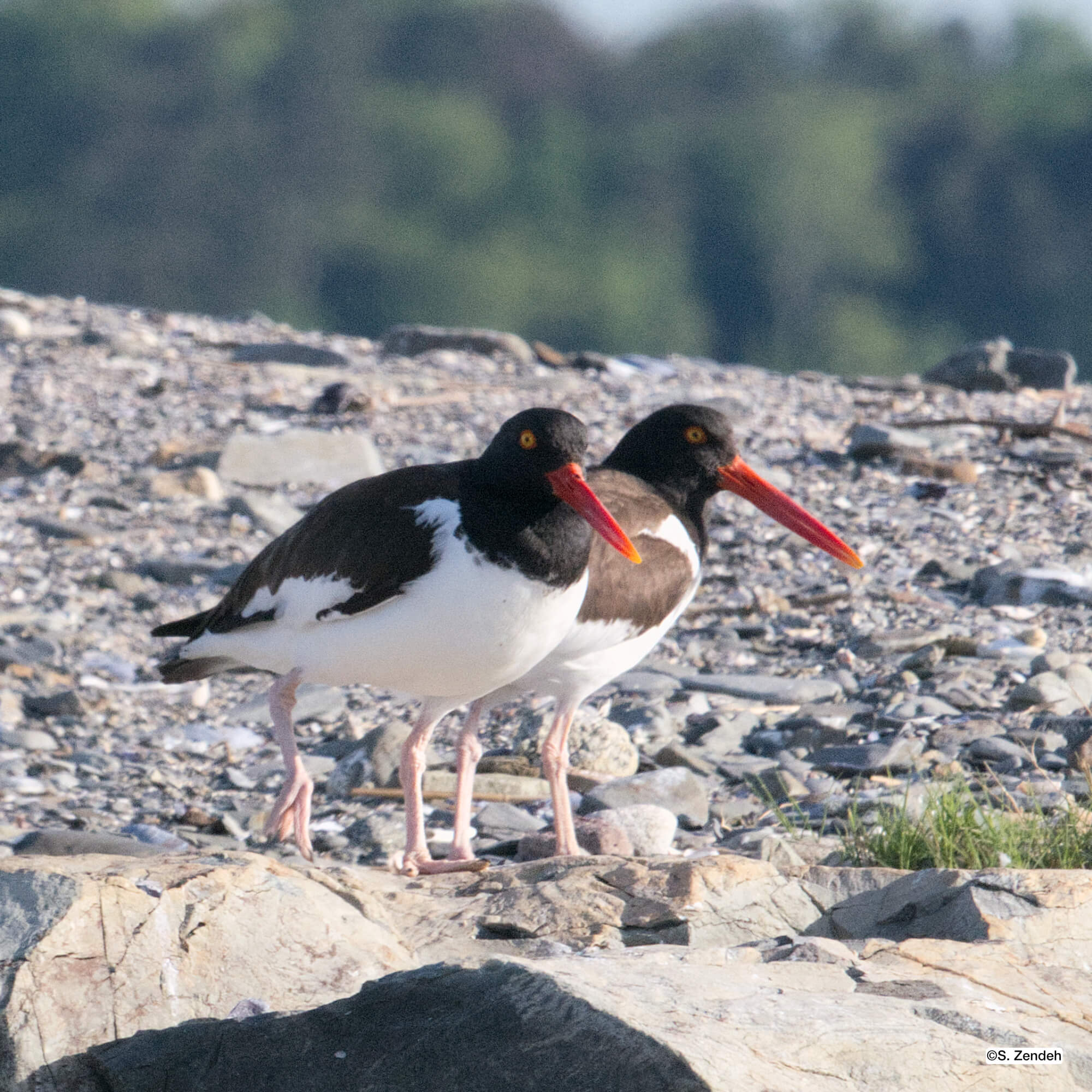
8/11 Follow Up Field Trip: Introduction to the New England Shorebird Guide
Follow Up Field Trip On Tuesday, August 11 at 9AM Soheil will lead a field trip focused on shorebird ID to Winthrop Beach. Learn more. Webinar: Introduction to the New England Shorebird Guide For over [...]
8/13 Pelagic Webinar – How do you protect the invisible?
How do you protect the invisible? Conservation challenges and opportunities for Marine Birds For most people, seabirds are out of sight and out of mind, while seabird populations have dropped a staggering 70 percent globally [...]
Hydrographer Canyon Overnight Pelagic Registration
Hydrographer Canyon Overnight Pelagic Registration The Brookline Bird Club's 2026 overnight pelagic trips to the edge of the continental shelf at Hydrographer Canyon are now open for registration! About the Trip Join the BBC on [...]
Migration Madness Membership Drive Winners
Migration Madness Membership Drive Winners Thanks to new members who joined during our this spring's Migration Madness membership drive. We wrapped up a successful campaign at the end of May with 52 new members. [...]
View Recent Webinars Recordings
If you missed any of our recent webinars or the annual meeting but would still like to view any of these talks you can do so through the BBC website. Both the Rescue Raptors from [...]
2026 BBC Teen Birder Scholarship Awards
2026 BBC Teen Birder Scholarship Awards The Conservation and Education Committee is pleased to announce our two annual Bill Drummond Young Birder Scholarship recipients, Lily Rogers of Brimfield and Gwyn Robertson-DuBois of Northfield. These scholarships [...]
8/11 Follow Up Field Trip: Introduction to the New England Shorebird Guide
Follow Up Field Trip On Tuesday, August 11 at 9AM Soheil will lead a field trip focused on shorebird ID to Winthrop Beach. Learn more. Webinar: Introduction to the New England Shorebird Guide For over [...]
8/13 Pelagic Webinar – How do you protect the invisible?
How do you protect the invisible? Conservation challenges and opportunities for Marine Birds For most people, seabirds are out of sight and out of mind, while seabird populations have dropped a staggering 70 percent globally [...]
Hydrographer Canyon Overnight Pelagic Registration
Hydrographer Canyon Overnight Pelagic Registration The Brookline Bird Club's 2026 overnight pelagic trips to the edge of the continental shelf at Hydrographer Canyon are now open for registration! About the Trip Join the BBC on [...]
Migration Madness Membership Drive Winners
Migration Madness Membership Drive Winners Thanks to new members who joined during our this spring's Migration Madness membership drive. We wrapped up a successful campaign at the end of May with 52 new members. [...]
View Recent Webinars Recordings
If you missed any of our recent webinars or the annual meeting but would still like to view any of these talks you can do so through the BBC website. Both the Rescue Raptors from [...]
2026 BBC Teen Birder Scholarship Awards
2026 BBC Teen Birder Scholarship Awards The Conservation and Education Committee is pleased to announce our two annual Bill Drummond Young Birder Scholarship recipients, Lily Rogers of Brimfield and Gwyn Robertson-DuBois of Northfield. These scholarships [...]
8/11 Follow Up Field Trip: Introduction to the New England Shorebird Guide
Follow Up Field Trip On Tuesday, August 11 at 9AM Soheil will lead a field trip focused on shorebird ID to Winthrop Beach. Learn more. Webinar: Introduction to the New England Shorebird Guide For over [...]
8/13 Pelagic Webinar – How do you protect the invisible?
How do you protect the invisible? Conservation challenges and opportunities for Marine Birds For most people, seabirds are out of sight and out of mind, while seabird populations have dropped a staggering 70 percent globally [...]
Hydrographer Canyon Overnight Pelagic Registration
Hydrographer Canyon Overnight Pelagic Registration The Brookline Bird Club's 2026 overnight pelagic trips to the edge of the continental shelf at Hydrographer Canyon are now open for registration! About the Trip Join the BBC on [...]
Migration Madness Membership Drive Winners
Migration Madness Membership Drive Winners Thanks to new members who joined during our this spring's Migration Madness membership drive. We wrapped up a successful campaign at the end of May with 52 new members. [...]
View Recent Webinars Recordings
If you missed any of our recent webinars or the annual meeting but would still like to view any of these talks you can do so through the BBC website. Both the Rescue Raptors from [...]
2026 BBC Teen Birder Scholarship Awards
2026 BBC Teen Birder Scholarship Awards The Conservation and Education Committee is pleased to announce our two annual Bill Drummond Young Birder Scholarship recipients, Lily Rogers of Brimfield and Gwyn Robertson-DuBois of Northfield. These scholarships [...]
News Categories
Upcoming Field Trips
Field Trips / Events
-
-
Westboro Wildlife Management Area
Westborough - Ball Field Hospital Rd, Westborough, MA, United StatesWe will hike the north side of Big Chauncy Pond in search of migrant warblers.
-
Webinar: Introduction to Nocturnal Flight Call (NFC) Recording
Most birders experience migration through the birds that arrive, depart, or pass overhead by day -- but throughout the night, another migration is unfolding largely out of sight. This presentation will introduce nocturnal flight calls and the recordists who use them to experience and study that hidden movement. We will draw on examples from the [...]
-
Fall migrants at Roslindale Wetlands Urban Park
Roslindale Wetlands Urban Park 23 Coniston Rd, Roslindale, MA, United StatesA small but mighty urban wild that offers a variety of habitat. Expect to see a variety of woodpeckers, resident birds, warblers, and other migratory species, as well as a surprise or two. The path is flat with a mix of gravel and dirt surfaces with newly added boardwalks on the wetter sections. Boots are [...]
-
Fresh Pond, Cambridge (rescheduled to Sept. 27)
Cambridge - Fresh Pond - TD Bank 235 Alewife Brook Pkwy, Cambridge, MA, United StatesThis walk has been rescheduled to September 27 which will be the 113th anniversary of the first-ever Brookline Bird Club bird walk on September 27th 1913 which was also at Fresh Pond.
-
Rock Meadow, Belmont
Belmont - Rock Meadow 300 Mill St, Belmont, MA, United StatesCome join us for a walk at scenic Rock Meadow and Beaver Brook North, home of open fields, wetlands, ample woods and edge habitat, and public gardens which attract a wide variety of migrating song birds. Hiking is relatively easy, and should be a bit under two miles total at most, if we venture further [...]