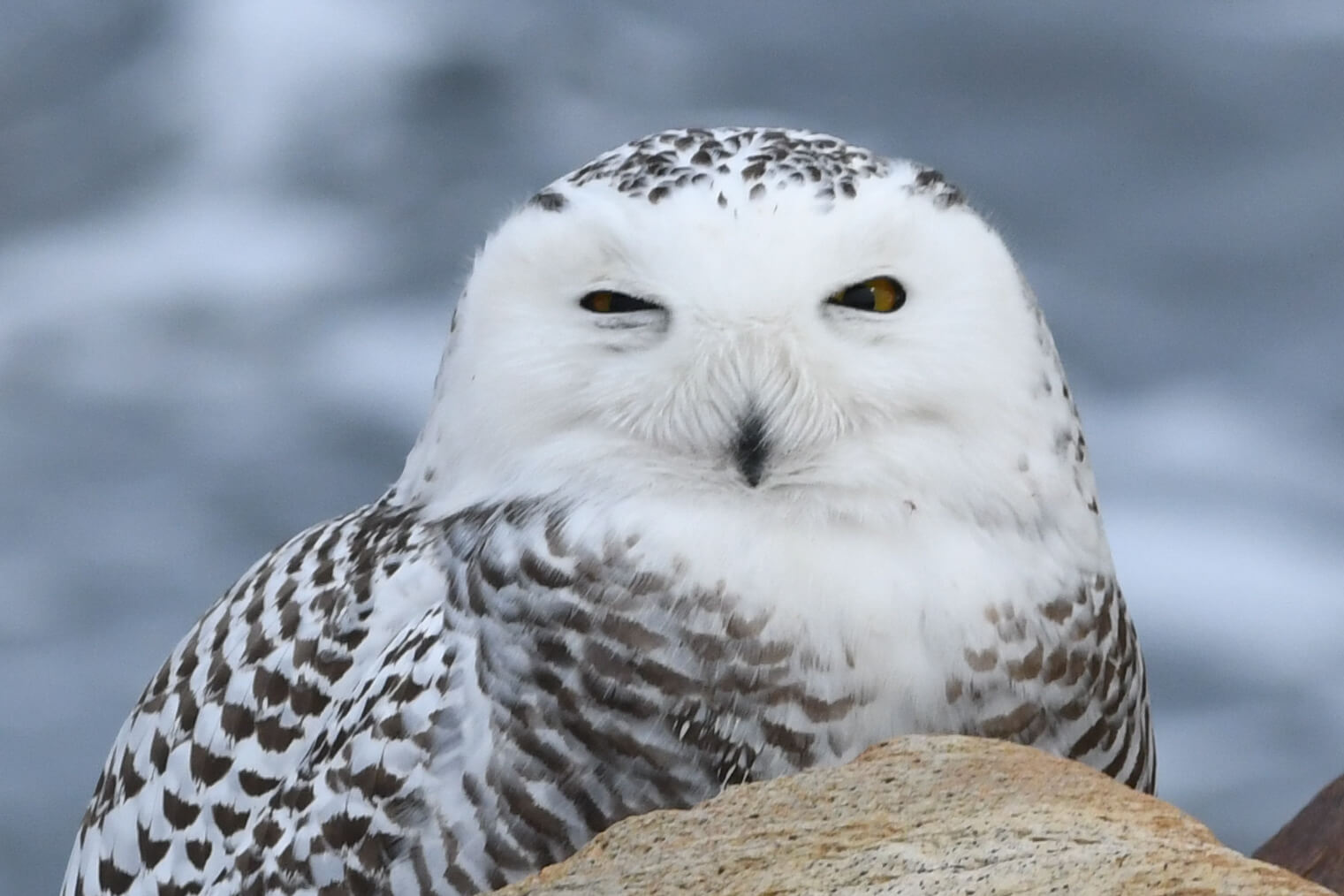
With reports of too close encounters with owls, it’s time to check in and think about birding ethics.
It is NEVER okay to approach roosting owls closely.
The Brookline Bird Club’s code of Ethics says this – “Today’s birdwatchers are a powerful force for nature conservation. The number of humans interested in birds rises continually, and it is vital that we take seriously our responsibility to avoid any harm to birds or the environment on which they depend.”
Birds lead stressful lives. It’s wise for us to strive to minimize disturbance as we go out in the field regardless of season, whether or not the birds we seek to see are rare or not. From making noise to creating a visual disturbance to flushing birds or to harming habitat, our birding has impacts. We need to hold ourselves to high standards.
Winter is a time of often treacherous weather and limited food resources. So, keep your distance. Keep the visual disturbance down. Keep the conversation down. Photograph without disturbance. Give our birds a wide berth!
Roosting birds in particular, like Long-eared Owls, need to preserve their energy for when it is needed. Give them some extra space and respect their sensitivity to disturbance. This issue became clear several years ago when a roost site in Eastern Massachusetts was heavily visited.
The American Birding Association has a code of ethics you can view – ABA Code of Birding Ethics – American Birding Association.
Likewise, many local birding clubs and organizations have codes of ethics as well. The Brookline Bird Club code, for example, is here.
eBird has guidance for viewing and reporting Sensitive Species here.
A resource for photographers is Audubon’s Guide to Ethical Photography.
The North American Nature Photography Association provides this.
As a community, we want others to share our passion for birds. It’s also a good idea to remain on good terms with landowners and homeowners near birding locations. At the very least, in our own self-interest, we also do not want our opportunities to go out birding to be negatively impacted.
The BBC is urging each birding organization in the area to discuss birding ethics at your next gathering and to highlight this issue in your newsletters, websites and other outreach. With new folks joining the ranks of the birding community, it’s especially vital to introduce and discuss the topic.
So, please read these materials now, and pledge to act ethically, as well as model ethical behavior, in the course of your birding adventures this year!
Finally, please SHARE this post!
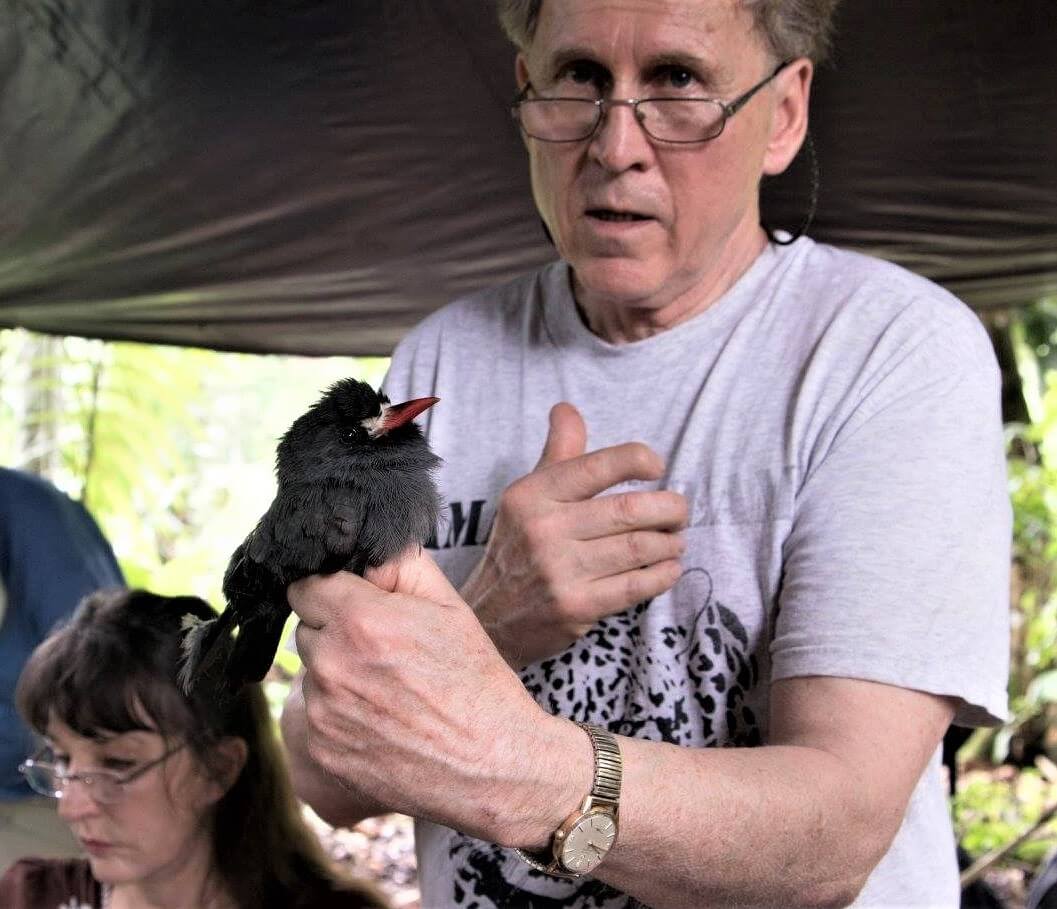
BBC makes a conservation donation in honor of Mark Blazis to the Auburn Birdbanding Research Station
The BBC, through our Conservation and Education Committee, has made a conservation donation in honor of Mark Blazis to the Auburn Birdbanding Research Station, which Mark directed until he passed away in November 2021. A
Common-sense Guidelines for Field Trip Attendees and Leaders
To BBC Members, Trip Leaders and the Birding Community: As with many of you, we note with concern the rapidly increasing number of COVID infections in Massachusetts and throughout the country. Unlike last winter
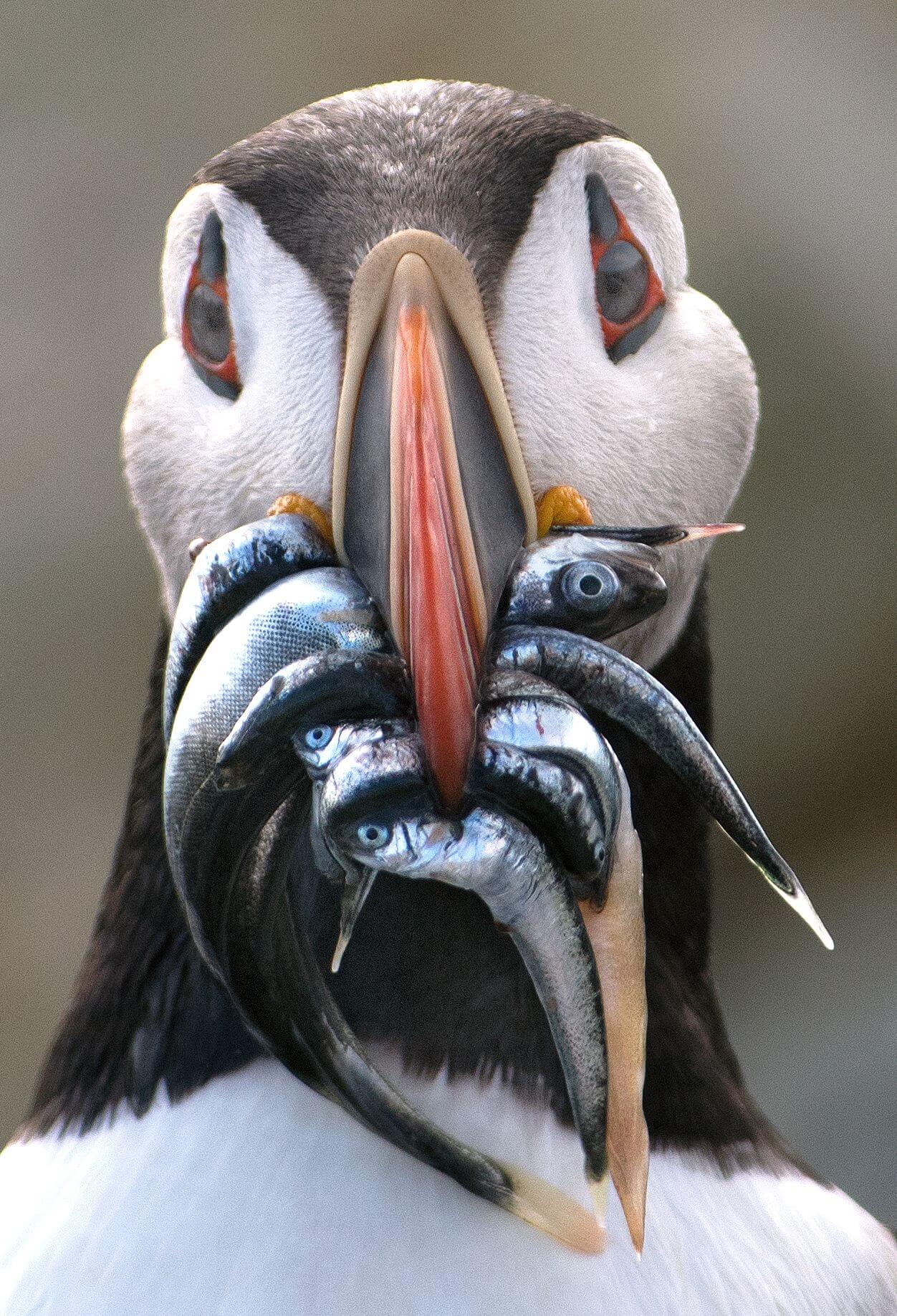
The Puffin Plan: Restoring Seabirds to Egg Rock and Beyond
On February 9, 2022, our Members Virtual Winter Meeting will present Puffin Researcher and Ornithologist Steve Kress and Journalist-Photographer Derrick Z. Jackson. NOTE: This event requires all participants to register, and attendance is limited.
Membership Secretary Needed
The Brookline Bird Club is seeking a qualified individual to fill the role of Membership Secretary. Skills preferred for this important Board position include familiarity with using a database program, timely and efficient processing
Update: Rio Grande Valley Land Fund Salineno birding tract
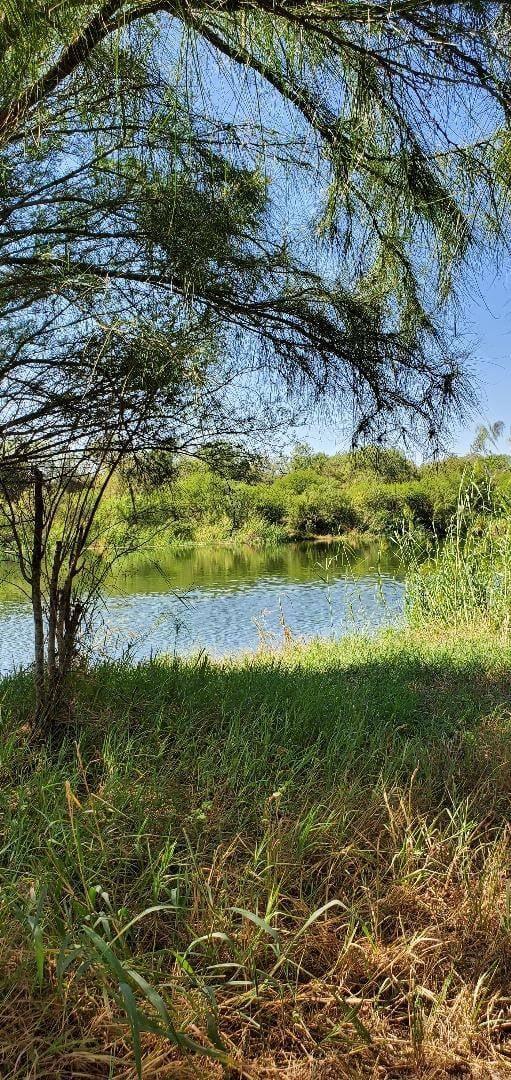
An update from Vicky Guerra via Rio Grande Valley Birding: The final order of dismissal of the government's condemnation lawsuit against Valley Land Fund's Salineno birding tract was signed in late September. The title
BBC’s New Code of Ethics and Conduct
BBC’s new Code of Ethics and Conduct If you are involved with the Brookline Bird Club, we know that you have a great love for and appreciation of birds and nature. The BBC is
BBC makes a conservation donation in honor of Mark Blazis to the Auburn Birdbanding Research Station
The BBC, through our Conservation and Education Committee, has made a conservation donation in honor of Mark Blazis to the Auburn Birdbanding Research Station, which Mark directed until he passed away in November 2021. A
Common-sense Guidelines for Field Trip Attendees and Leaders
To BBC Members, Trip Leaders and the Birding Community: As with many of you, we note with concern the rapidly increasing number of COVID infections in Massachusetts and throughout the country. Unlike last winter
The Puffin Plan: Restoring Seabirds to Egg Rock and Beyond
On February 9, 2022, our Members Virtual Winter Meeting will present Puffin Researcher and Ornithologist Steve Kress and Journalist-Photographer Derrick Z. Jackson. NOTE: This event requires all participants to register, and attendance is limited.
Membership Secretary Needed
The Brookline Bird Club is seeking a qualified individual to fill the role of Membership Secretary. Skills preferred for this important Board position include familiarity with using a database program, timely and efficient processing
Update: Rio Grande Valley Land Fund Salineno birding tract
An update from Vicky Guerra via Rio Grande Valley Birding: The final order of dismissal of the government's condemnation lawsuit against Valley Land Fund's Salineno birding tract was signed in late September. The title
BBC’s New Code of Ethics and Conduct
BBC’s new Code of Ethics and Conduct If you are involved with the Brookline Bird Club, we know that you have a great love for and appreciation of birds and nature. The BBC is
BBC makes a conservation donation in honor of Mark Blazis to the Auburn Birdbanding Research Station
The BBC, through our Conservation and Education Committee, has made a conservation donation in honor of Mark Blazis to the Auburn Birdbanding Research Station, which Mark directed until he passed away in November 2021. A
Common-sense Guidelines for Field Trip Attendees and Leaders
To BBC Members, Trip Leaders and the Birding Community: As with many of you, we note with concern the rapidly increasing number of COVID infections in Massachusetts and throughout the country. Unlike last winter
The Puffin Plan: Restoring Seabirds to Egg Rock and Beyond
On February 9, 2022, our Members Virtual Winter Meeting will present Puffin Researcher and Ornithologist Steve Kress and Journalist-Photographer Derrick Z. Jackson. NOTE: This event requires all participants to register, and attendance is limited.
Membership Secretary Needed
The Brookline Bird Club is seeking a qualified individual to fill the role of Membership Secretary. Skills preferred for this important Board position include familiarity with using a database program, timely and efficient processing
Update: Rio Grande Valley Land Fund Salineno birding tract
An update from Vicky Guerra via Rio Grande Valley Birding: The final order of dismissal of the government's condemnation lawsuit against Valley Land Fund's Salineno birding tract was signed in late September. The title
BBC’s New Code of Ethics and Conduct
BBC’s new Code of Ethics and Conduct If you are involved with the Brookline Bird Club, we know that you have a great love for and appreciation of birds and nature. The BBC is
News Categories
Upcoming Field Trips
Field Trips / Events
-
-
RESCHEDULED to April 16 Great Meadows National Wildlife Refuge, Concord RESCHEDULED
Concord - Great Meadows Concord Unit, Entrance Rd, Concord, MA, United StatesDue to weather, this trip is rescheduled to April 16.
-
Fruitlands Museum, Harvard
Harvard - Fruitlands Museum 102 Prospect Hill Rd., Harvard, MA, United StatesCosponsored with Boxborough Birders. We will look for local avian non-migratory species and early migrant arrivals. Expect to walk about two miles on trails through meadows and woods, with some steep sections. Prepare for ticks. We will bird at the meeting location for about 30 minutes so any latecomers can catch up.
-
Westborough WMA in Two Parts
Northborough - Watson Park, Bartlett Pond 35A Lyman St, Northborough, MA, United StatesPart 1: 7 AM -10 AM / Part 2: 10:30 AM -1:00 PM. We will hike at a slow pace through mild moderate trails in search of sparrows and other migrants. For the first part we will hike the Eastern trails between Lake Chauncy and Little Chauncy(about 3 miles). Then we will again meet at
-
Belle Isle Marsh and Vicinity
East Boston - Belle Isle Parking Lot 1399 Bennington Street, Boston, MA, United StatesLed by DCR staff. We will search on foot up to one mile on flat, easy terrain, for migrating or resident songbirds, raptors, shorebirds, and marsh birds at this birding hotspot and state park. This is a traveling program by car or bike. Prepare for ticks and mosquitoes. Ages: Adults and kids 8 years+ with
-
Millennium Park
Boston - Millennium Park Canoe Launch 300 Gardner Street, Boston, MA, United StatesJoin us to observe resident birds and spring migrants in a unique urban habitat that is a favorite for many bird species, including uncommon and rare flycatchers, swallows & warblers. Birders of all levels welcome. The trails are generally flat and easy to walk, with some rough patches. A water bottle, sunblock, insect repellent, waterproof