BBC Massachusetts Big Day – May 9, 2026
On May 18, 1974 Bob Stymiest led the BBC trip with the all time largest species count for the club – 162 birds seen during 20 hours across Essex County. We share this bit of club lore with you to introduce our second annual BBC Massachusetts Big Day.
Last May during our first club Big Day members recorded 186 species across the state. There were many highlights, but also surprising misses. Will Essex County be top again? Can we find 100 species in Suffolk County? Can we reach 200 in Massachusetts in 2026?
Our plan is simple. Rather than a personal competition, we ask that you go birding on Global Big Day on May 9 then send us your list. Whether you spend a full day seeking birds in multiple locations, or simply birding your local patch or back yard, have fun! Take a friend with you, and tell us what you see.
By May 15 please share your list with the eBird account BBCBigDay (note that there are no spaces). Using the eBird website:
- Create and open a checklist.
- Select the Checklist Tools button.
- Select “Share with others in your party”.
- Enter “BBCBigDay” in the window on the left, scroll down and select Share Checklist.
Club Statistician David Scott will do the rest and produce a single list of all the species spotted by every participating member. (If you don’t have an eBird account, it’s very easy to set one up.)
Further details to follow, including how to share your day with the club’s social media accounts.
Thanks to our leaders, the BBC has scheduled several trips to help build our shared list. We hope to add more, so check the Blue Book and website for those:
- Mt. Auburn Cemetery, 6:15 – 8:45 AM
- Big Day Kickoff at Parker River, 6:30 AM
- Big Day Kickoff at Drumlin Farm, 7:00 AM
- Big Day Walks: Roslindale Wetlands Urban Park plus Peters Hill at Arnold Arboretum, 7:00 AM – 10:00 AM
- Global Big Day Kickoff: Pine Hill Grasslands, 7:00 AM – 11:00 AM
- Rock Meadow & Beaver Brook North, 7:00 – 9:00 AM
- Pawtucket Farm Wildlife Sanctuary, 7:00 – 10:00 AM
- Pine Banks Park, 7:30 AM
- Gore Place, Waltham, 8:00 – 10:00 AM
- Weston Station Pond and nearby Mass Central Rail Trail, 9:00 – 11:00 AM
- Mount Auburn Cemetery, 9:00 – 11:00 AM
- Ipswich River Wildlife Sanctuary, 4:00 PM
Global Big Day is a worldwide event sponsored by the Cornell Laboratory of Ornithology. We want to give our members a friendly, low pressure opportunity to participate in Global Big Day. Please join the fun!
BBC Big Day 2025 Checklist Locations
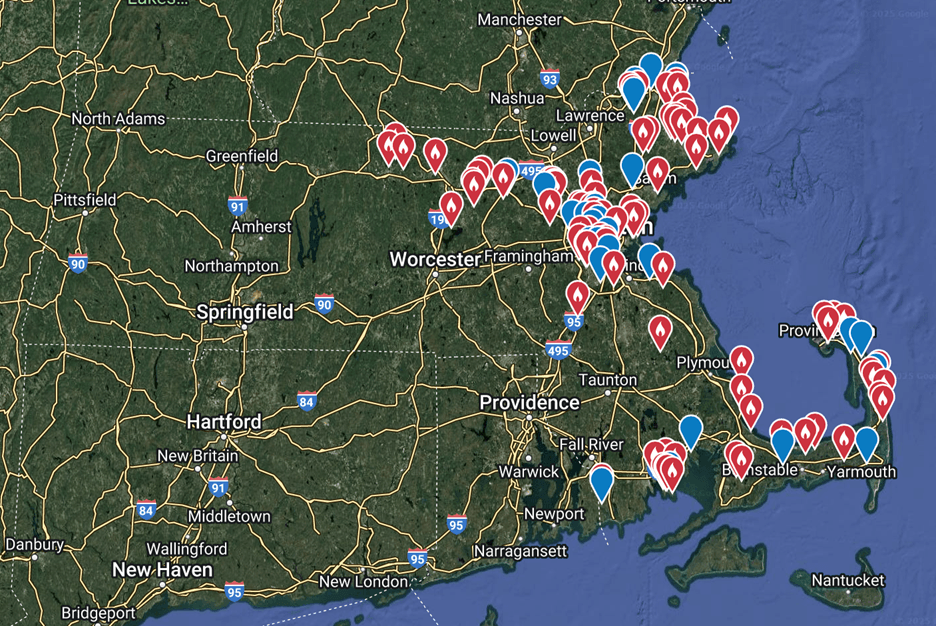
County Totals for 2025:
| County | Species |
| Essex | 134 |
| Barnstable | 111 |
| Plymouth | 107 |
| Worcester | 98 |
| Middlesex | 98 |
| Suffolk | 87 |
| Bristol | 83 |
| Norfolk | 51 |
| Massachusetts | 186 |
Brookline Bird Club 2022 Virtual Spring Meeting video
If you missed the recent meeting, a Zoom-recorded video is available online.
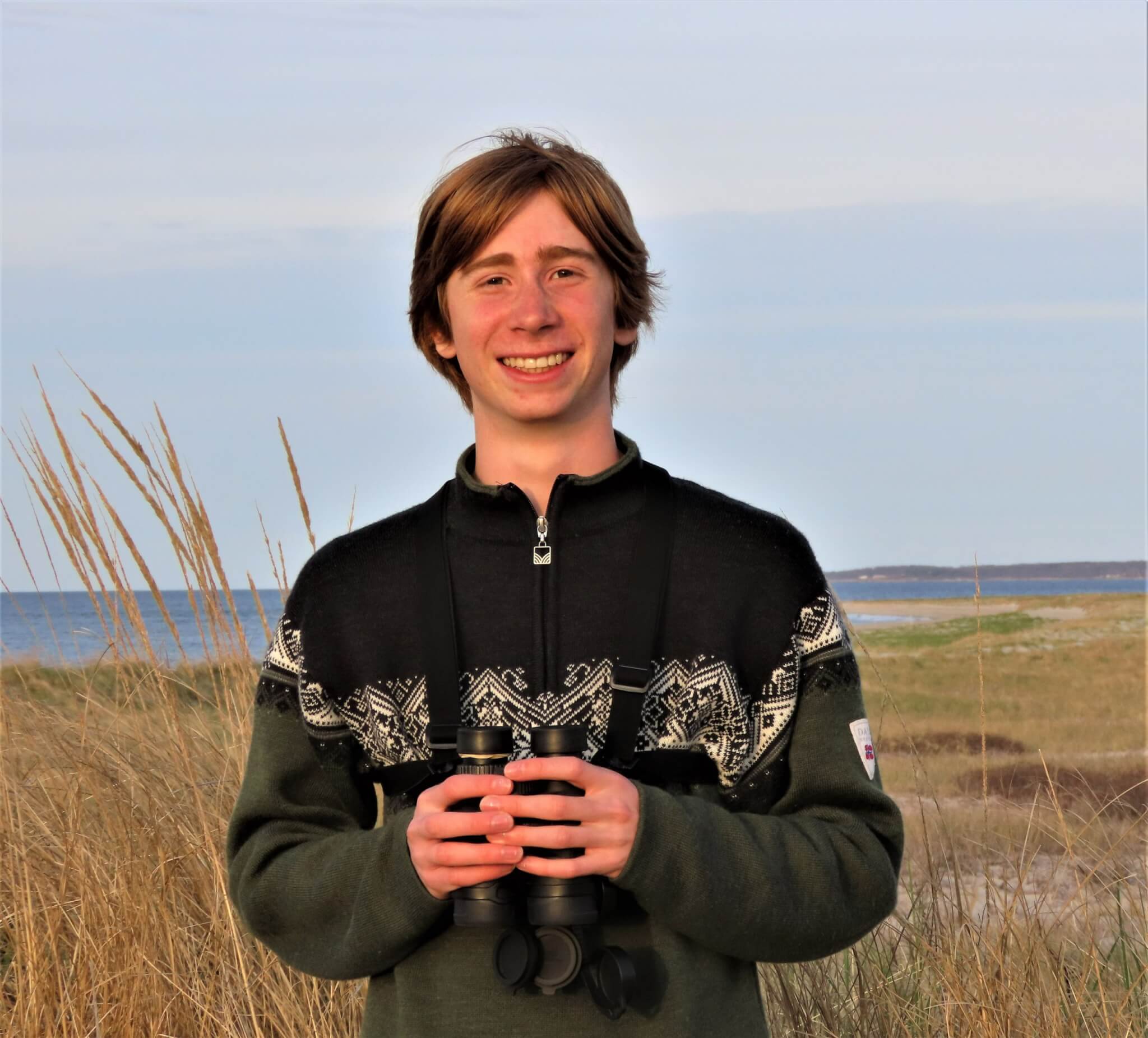
Book Fund Donation to Massachusetts Young Birders Club
The BBC, through its Conservation and Education Committee, is proud to announce a donation of binoculars and bird guides to the Massachusetts Young Birders Club. The mission of the MYBC
2022 BBC Scholarship Recipients
The BBC is pleased to announce that this year’s Bill Drummond Young Birder Scholarships have been awarded to Johnny Owens of Essex, MA and Jocelyn Pyne of Harvard, MA. These
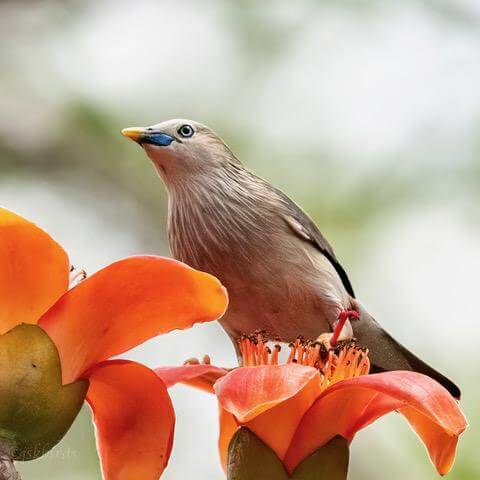
Taiwan: Gateway to Asian Birding, March 31, 2022, 7-8:15 PM
Did you know that Taiwan ranks 7th in eBird checklist submissions among all countries on the planet? Birder and photographer Jared Keyes will share his experiences and stunning photos from this amazing mountainous island
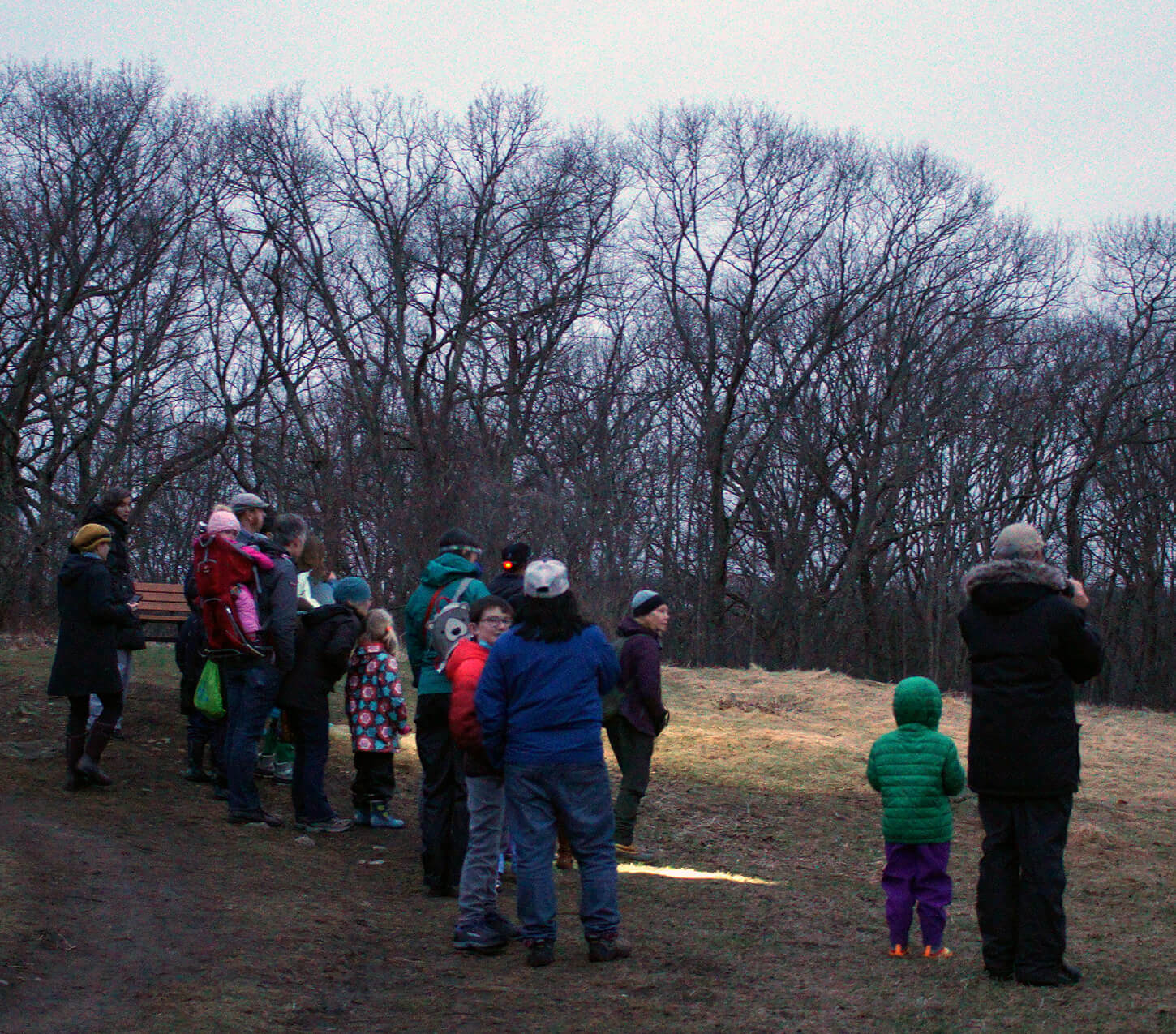
Can you say “Peent!”?
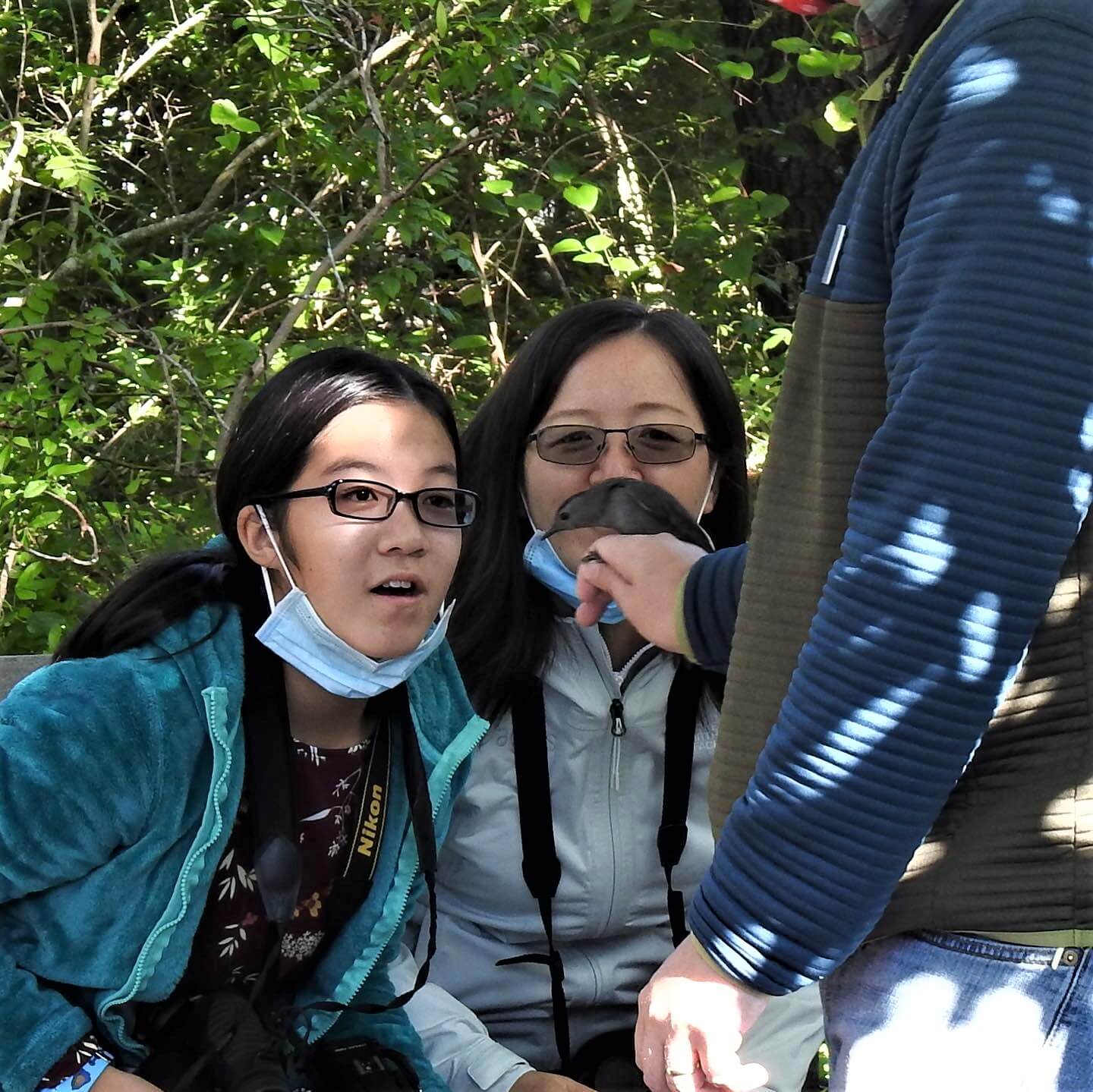
On Saturday March 26, BBC hosted a woodcock walk for kids. In spite of the damp weather, twenty excited children and parents joined trip leaders Kathy Dia and Naeem Yusuff at Belmont's Rock Meadow for
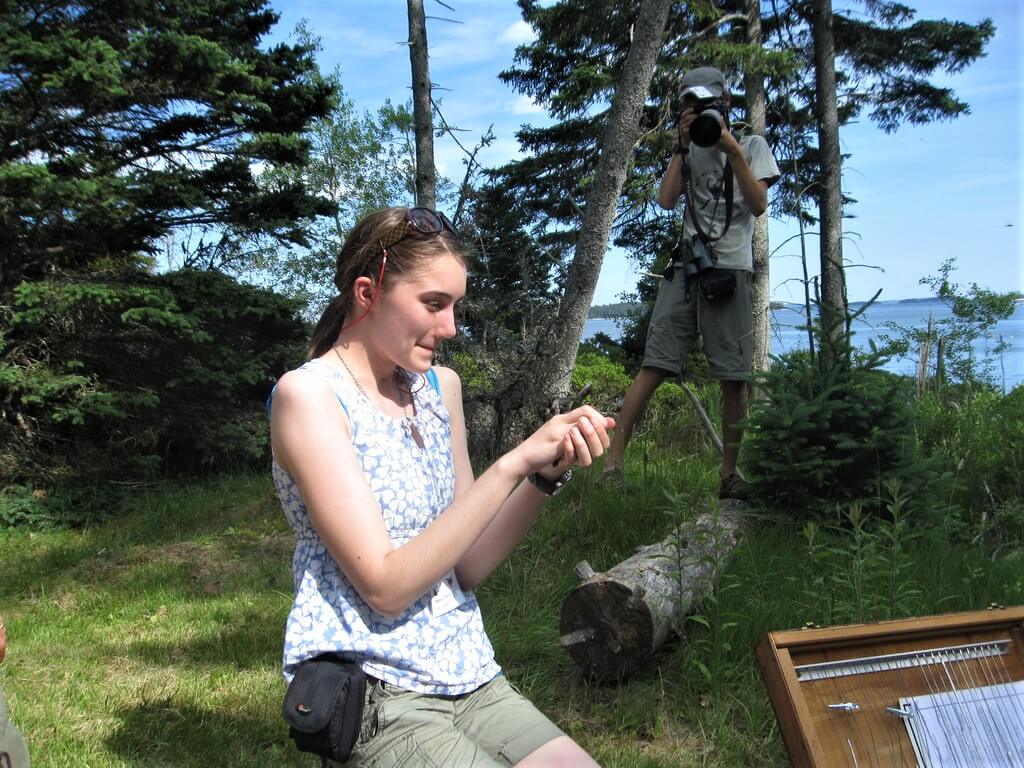
BBC offers two Bill Drummond Young Birder’s Scholarships to National Audubon’s Hog Island camp
The BBC is pleased to announce that we will again offer two Bill Drummond Young Birder’s Scholarships to nurture interest in bird study and conservation among young birders. The 2022 scholarships will cover the
Brookline Bird Club 2022 Virtual Spring Meeting video
If you missed the recent meeting, a Zoom-recorded video is available online.
Book Fund Donation to Massachusetts Young Birders Club
The BBC, through its Conservation and Education Committee, is proud to announce a donation of binoculars and bird guides to the Massachusetts Young Birders Club. The mission of the MYBC
2022 BBC Scholarship Recipients
The BBC is pleased to announce that this year’s Bill Drummond Young Birder Scholarships have been awarded to Johnny Owens of Essex, MA and Jocelyn Pyne of Harvard, MA. These
Taiwan: Gateway to Asian Birding, March 31, 2022, 7-8:15 PM
Did you know that Taiwan ranks 7th in eBird checklist submissions among all countries on the planet? Birder and photographer Jared Keyes will share his experiences and stunning photos from this amazing mountainous island
Can you say “Peent!”?
On Saturday March 26, BBC hosted a woodcock walk for kids. In spite of the damp weather, twenty excited children and parents joined trip leaders Kathy Dia and Naeem Yusuff at Belmont's Rock Meadow for
BBC offers two Bill Drummond Young Birder’s Scholarships to National Audubon’s Hog Island camp
The BBC is pleased to announce that we will again offer two Bill Drummond Young Birder’s Scholarships to nurture interest in bird study and conservation among young birders. The 2022 scholarships will cover the
Brookline Bird Club 2022 Virtual Spring Meeting video
If you missed the recent meeting, a Zoom-recorded video is available online.
Book Fund Donation to Massachusetts Young Birders Club
The BBC, through its Conservation and Education Committee, is proud to announce a donation of binoculars and bird guides to the Massachusetts Young Birders Club. The mission of the MYBC
2022 BBC Scholarship Recipients
The BBC is pleased to announce that this year’s Bill Drummond Young Birder Scholarships have been awarded to Johnny Owens of Essex, MA and Jocelyn Pyne of Harvard, MA. These
Taiwan: Gateway to Asian Birding, March 31, 2022, 7-8:15 PM
Did you know that Taiwan ranks 7th in eBird checklist submissions among all countries on the planet? Birder and photographer Jared Keyes will share his experiences and stunning photos from this amazing mountainous island
Can you say “Peent!”?
On Saturday March 26, BBC hosted a woodcock walk for kids. In spite of the damp weather, twenty excited children and parents joined trip leaders Kathy Dia and Naeem Yusuff at Belmont's Rock Meadow for
BBC offers two Bill Drummond Young Birder’s Scholarships to National Audubon’s Hog Island camp
The BBC is pleased to announce that we will again offer two Bill Drummond Young Birder’s Scholarships to nurture interest in bird study and conservation among young birders. The 2022 scholarships will cover the
News Categories
Upcoming Field Trips
Field Trips / Events
-
-
Bring Back Boblinks: Bobolink Walk and Nature Journaling at Appleton Farms
Ipswich - Appleton Farms paid parking, free for TTOR members 219 County Road, Ipswich, MA, United StatesPart of our Bring Back Boblinks conservation series. Bird walk from 8 - 10 am. Followed by optional sketching and nature journaling. Learn about our special species of concern, the Bobolink, during a guided walk through their breeding habitat observing field marks, mating calls and nest building. Then study and appreciate these beautiful birds during
-
Horn Pond, Woburn
Woburn - Horn Pond - Sturgis St 98 Sturgis St, Woburn, MA, United StatesWe’ll look out and listen for breeders that have settled into the Horn Pond area like Great Crested Flycatchers, Scarlet Tanagers, Wood Thrushes, Ovenbirds, Towhee, and others. Horn Pond has a great mix of deciduous, pine, marsh, and lake habitats that attract a variety of birds including song birds, water birds, birds of prey, and
-
Crane Wildlife Management Area, East Falmouth
Falmouth - Crane WMA 754 Nathan Ellis Highway, Falmouth, MA, United StatesWith CCBC leading. This unique grassland habitat is host to a rich variety of species, including Eastern Meadowlark, Grasshopper Sparrow, Bobolink, American Kestrel and possibly Blue Grosbeak. When we’re done at Crane, we can cross the road and scan Coonamessett Field for raptor activity. Those wishing to can continue on to Mass Audubon’s Ashumet Holly
-
Crane Beach, Ipswich
Ipswich - Crane Beach 331 Argilla Rd, Ipswich, MA, United StatesCosponsored by the ECOC. This two-mile walk in the sand is aimed at nesting Piping Plovers, Least Terns, and Bank Swallows, as well as evening singers such as Whip-poor-wills. Be prepared for mosquitoes at sunset.
-
Myles Standish State Forest, Carver – Evening
Carver - Myles Standish State Forest 181 Cranberry Rd, Carver, MA, United StatesA serene way to end the day with Prairie Warblers and Hermit Thrushes reluctantly giving way to Eastern Whip-poor-wills and, perhaps, Northern Saw-whet Owls. Target endangered breeding species: Whip-poor-will.