Mount Auburn Cemetery, Middlesex, Massachusetts, US
Sep 27, 2025 9:17 AM – 10:49 AM
Protocol: Traveling
0.793 mile(s)
17 species
Mourning Dove 2
Double-crested Cormorant 28
Red-tailed Hawk 2
Red-bellied Woodpecker 2
Northern Flicker 1
Eastern Phoebe 2
Red-eyed Vireo 1
Blue Jay 10
Black-capped Chickadee 3
Tufted Titmouse 5
White-breasted Nuthatch 6
Gray Catbird 3
American Robin 7
House Finch 2
White-throated Sparrow 4
Black-and-white Warbler 1
Scarlet Tanager 1
View this checklist online at https://ebird.org/checklist/S276075458
BBC Fall Meeting 11/7 with Amar Ayyash
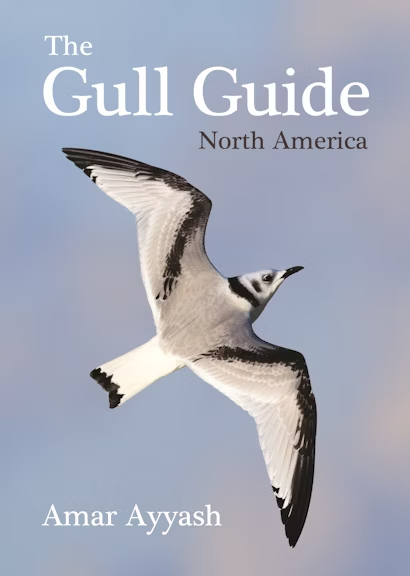
BBC Fall Meeting 11/7 with Amar Ayyash Join us on Friday, November 7 at 7:00 PM for our hybrid in-person/webinar fall meeting with speaker Amar Ayyash, author of The Gull Guide. This free event
Franklin Park Community Science Video
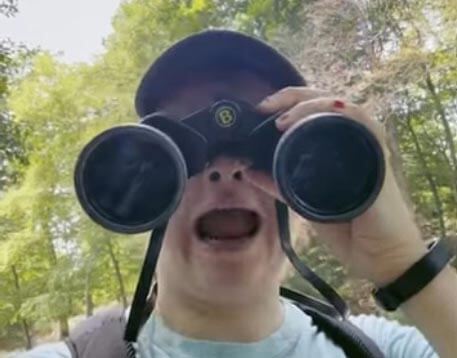
Franklin Park Community Science Video This past August the BBC cosponsored a trip to Scarboro Pond in Franklin Park with Zoo New England. We were joined on the walk by journalist Shannon Rose Geary who
Successful Hydrographers Canyon Overnight Pelagic
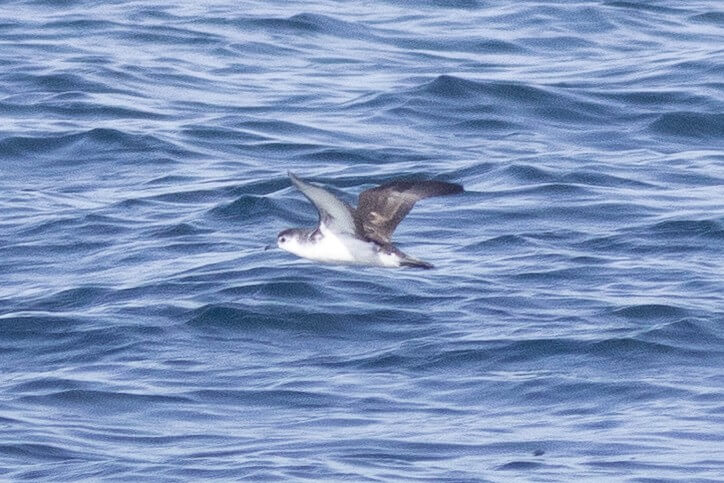
Successful Hydrographers Canyon Overnight Pelagic The Brookline Bird Club was able to run an overnight pelagic this past Monday and Tuesday after both of our late August trips were cancelled. The main birding highlights were
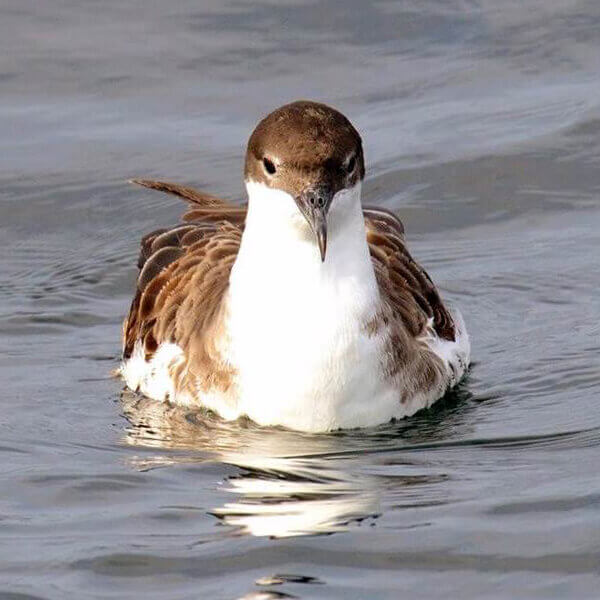
October 24 Half Day Pelagic from Gloucester
On a brisk but sunny October 24th morning, the Privateer IV left the 7 Seas Whale Watch dock within the calm Gloucester Harbor

Parker River NWR Marsh Cruise
Parker River NWR Marsh Cruise This August the BBC sponsored three cruises around the marshes of Parker River NWR aboard the Yankee Clipper departing from downtown Newburyport. On the evening of Sunday the 17th we

Ellisville Harbor SP Shorebird Field Trip with Lisa Schibley
Ellisville Harbor SP Shorebird Field Trip with Lisa Schibley The weather could not have been more beautiful for our shorebird trip led by Lisa Schibley at Ellisville Harbor State Park in Plymouth. Everyone was excited
BBC Fall Meeting 11/7 with Amar Ayyash
BBC Fall Meeting 11/7 with Amar Ayyash Join us on Friday, November 7 at 7:00 PM for our hybrid in-person/webinar fall meeting with speaker Amar Ayyash, author of The Gull Guide. This free event
Franklin Park Community Science Video
Franklin Park Community Science Video This past August the BBC cosponsored a trip to Scarboro Pond in Franklin Park with Zoo New England. We were joined on the walk by journalist Shannon Rose Geary who
Successful Hydrographers Canyon Overnight Pelagic
Successful Hydrographers Canyon Overnight Pelagic The Brookline Bird Club was able to run an overnight pelagic this past Monday and Tuesday after both of our late August trips were cancelled. The main birding highlights were
October 24 Half Day Pelagic from Gloucester
On a brisk but sunny October 24th morning, the Privateer IV left the 7 Seas Whale Watch dock within the calm Gloucester Harbor
Parker River NWR Marsh Cruise
Parker River NWR Marsh Cruise This August the BBC sponsored three cruises around the marshes of Parker River NWR aboard the Yankee Clipper departing from downtown Newburyport. On the evening of Sunday the 17th we
Ellisville Harbor SP Shorebird Field Trip with Lisa Schibley
Ellisville Harbor SP Shorebird Field Trip with Lisa Schibley The weather could not have been more beautiful for our shorebird trip led by Lisa Schibley at Ellisville Harbor State Park in Plymouth. Everyone was excited
BBC Fall Meeting 11/7 with Amar Ayyash
BBC Fall Meeting 11/7 with Amar Ayyash Join us on Friday, November 7 at 7:00 PM for our hybrid in-person/webinar fall meeting with speaker Amar Ayyash, author of The Gull Guide. This free event
Franklin Park Community Science Video
Franklin Park Community Science Video This past August the BBC cosponsored a trip to Scarboro Pond in Franklin Park with Zoo New England. We were joined on the walk by journalist Shannon Rose Geary who
Successful Hydrographers Canyon Overnight Pelagic
Successful Hydrographers Canyon Overnight Pelagic The Brookline Bird Club was able to run an overnight pelagic this past Monday and Tuesday after both of our late August trips were cancelled. The main birding highlights were
October 24 Half Day Pelagic from Gloucester
On a brisk but sunny October 24th morning, the Privateer IV left the 7 Seas Whale Watch dock within the calm Gloucester Harbor
Parker River NWR Marsh Cruise
Parker River NWR Marsh Cruise This August the BBC sponsored three cruises around the marshes of Parker River NWR aboard the Yankee Clipper departing from downtown Newburyport. On the evening of Sunday the 17th we
Ellisville Harbor SP Shorebird Field Trip with Lisa Schibley
Ellisville Harbor SP Shorebird Field Trip with Lisa Schibley The weather could not have been more beautiful for our shorebird trip led by Lisa Schibley at Ellisville Harbor State Park in Plymouth. Everyone was excited
News Categories
Upcoming Field Trips
Field Trips / Events
-
-
Vernal Equinox Walk. Leader’s Choice
Leader's ChoiceThe trip leader will monitor recent sightings prior to meeting and select the birdiest spots. Contact leader for details. Call or e-mail no later than 7 PM on March 20.
-
Woodcock Watch, Oxbow NWR, Harvard
Harvard - Still River Depot RoadWe will stay until it gets dark to watch for American Woodcock. Come early to enjoy other birds. Rain date Sunday, March 22, same time.
-
Arlington Reservoir
Lexington - Arlington Reservoir 210 Lowell Street, Arlington, MA, United StatesVisit Arlington Reservoir and the adjacent Lexington Community Farm to search for late winter lingerers and early migrants. Cosponsored with Menotomy Bird club.
-
Mass. Audubon Boston Nature Center
Mattapan - MAS Boston Nature Center 500 Walk Hill St, Mattapan, MA, United StatesJoin us to observe resident birds and early spring migrants in a unique urban habitat that is a favorite for many bird species, including uncommon and rare birds. Birders of all levels will enjoy this walk. The trails are flat and easy to walk. Be sure to wear a hat, waterproof footwear, and bring water.
-
Mt Auburn Cemetery
Mount Auburn Cemetery 536 Mt Auburn St, Cambridge, MA, United StatesMount Auburn Cemetery is lovely in all seasons. In late March, we may see the very earliest migrants from the south (Red-winged Blackbird, others) as well as the remaining seasonal visitors from the north (e.g. White-throated Sparrow, Dark-eyed Junco). And our usual year-round resident species will have just started to sing!