February 19 Webinar with Matthew Young: The Evening Grosbeak Road to Recovery Project and the Stokes Guide to Finches of the United States and Canada
Please join the BBC on the evening of Thursday, February 17 from 7PM to 8:30PM for a member only webinar with Matthew Young from the Finch Research Network (FiRN). Matthew will talk about both The Evening Grosbeak Road to Recovery Project and The Stokes Guide to Finches of the United States and Canada. (NOTE CORRECTED DATE.)
From backyards to wilderness peaks, finches are some of the most exciting, mysterious, and popular group of songbirds. In The Stokes Guide to Finches of the United States and Canada Lillian Stokes, best-selling author of 35 Stokes guides, and finch expert Matthew Young introduce you to the 43 finches of the United States and Canada from feeder-favorite goldfinches to Red Crossbill tribes, to least known mountain-top Black Rosy-Finches to endangered Hawaiian honeycreepers.
The webinar will also focus on the Evening Grosbeak Road to Recovery Project. With a 92% decline since 1970, Evening Grosbeak (Coccothraustes vespertinus) was cited as the steepest declining landbird in the continental United States and Canada in the Partners in Flight 2016 Landbird Conservation Plan.
About the Speaker
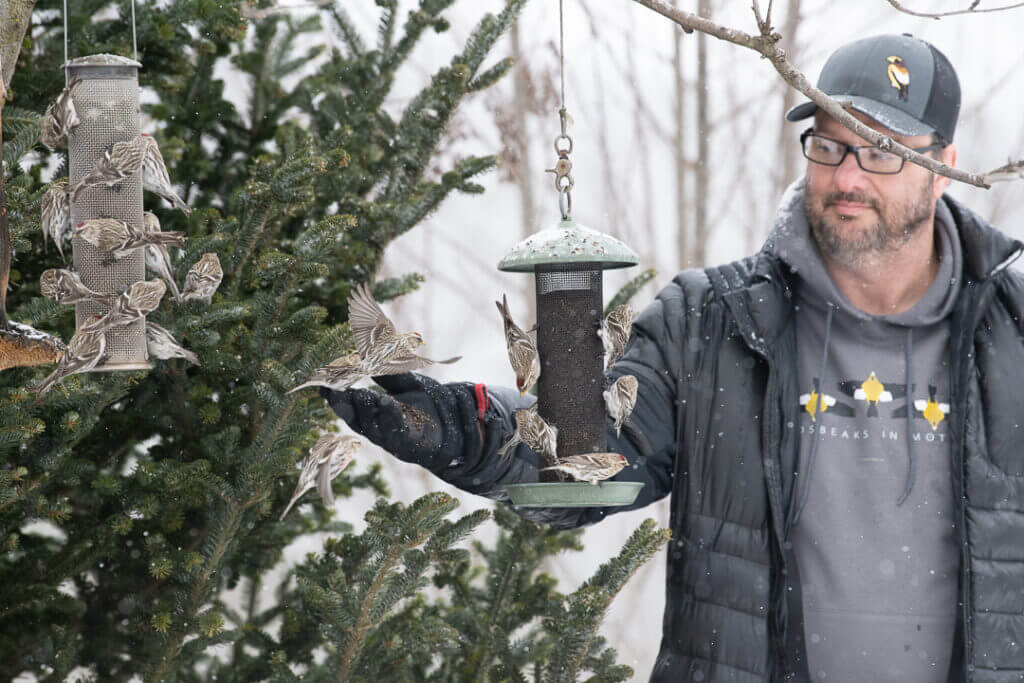
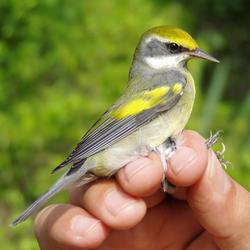
Matthew Young is a co-lead on the Evening Grosbeak Road to Recovery Project in addition to being the Founder and Board President of the Finch Research Network. He worked in the field of social work with special needs populations at the William George Agency for 12+ years and is currently a Wild Bird Products Specialist and Conservation Coordinator for Aspen Song Wild Bird Food. Additionally, Matthew worked at the Cornell Lab across 15 years where he focused on Golden-winged Warblers, Voices of Hawaii’s Birds, Merlin Bird ID, and was project lead on Lab’s first Irruptive Finch Survey in 1999.
Co-author of Stokes Guide to Finches of the United States and Canada, Matthew is widely known as a preeminent authority on finches of North America that has written finch species accounts for breeding bird atlases, Birds of the World accounts, and published several papers on finches and the Red Crossbill vocal complex.
To Register:
To register you must be a BBC member. Please log in to your member account and heard over to the Member Resources page under the MEMBERS menu.
Not a member but want to listen in? Please join! You will get access to a range of member benefits and know you are supporting the local birding community.
Threats to Federal Bird Science Funding
Threats to Federal Bird Science Funding According to the journal Science, the administration has targeted the Ecosystems Mission Area at the U.S. Geological Survey for elimination in its upcoming Fiscal Year 2026 budget request. The [...]
BBC Global Big Day Count – May 10
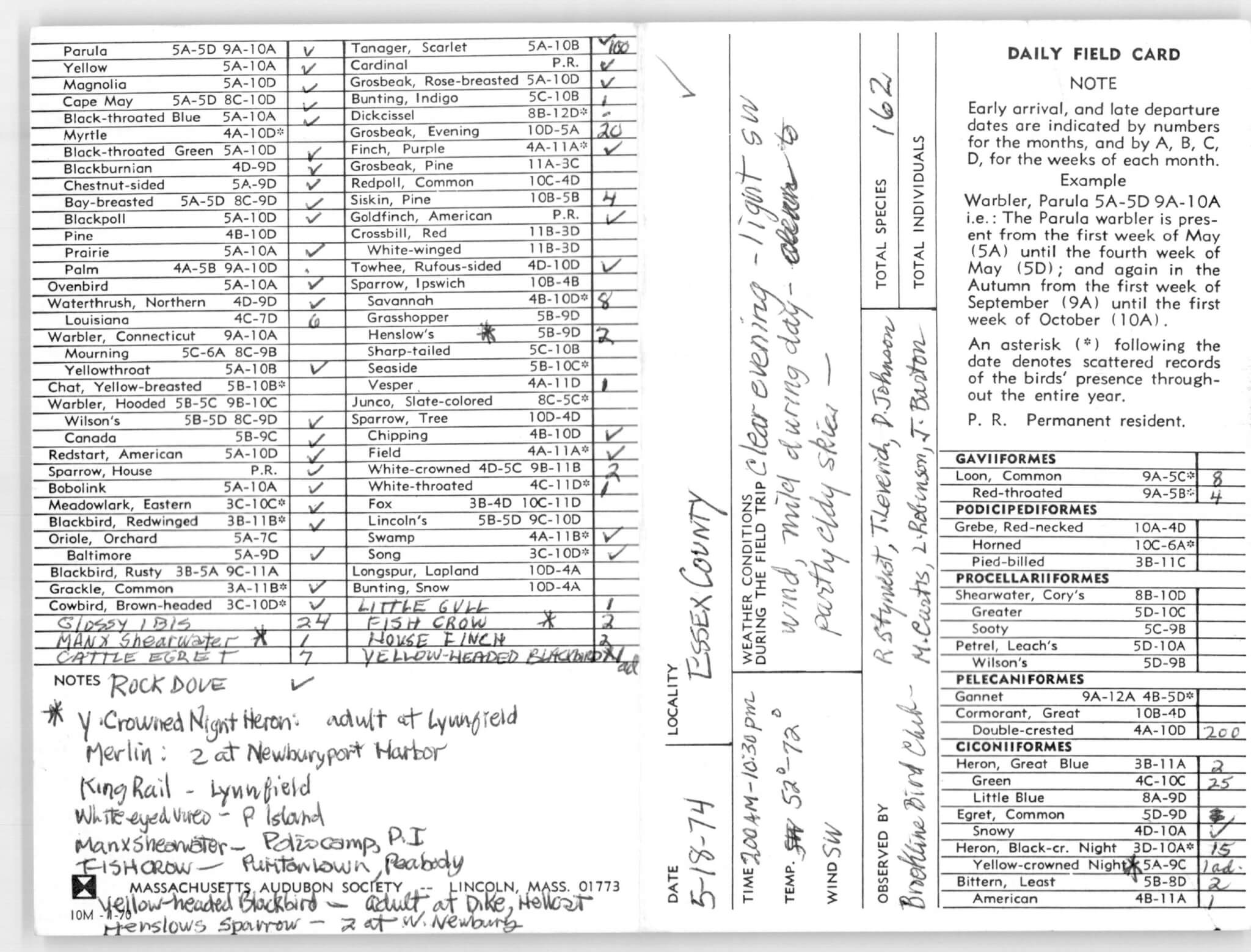
BBC Global Big Day Count On May 18, 1974 Bob Stymiest led the BBC trip with the all time largest species count for the club - 162 birds seen during 20 hours across Essex County. [...]
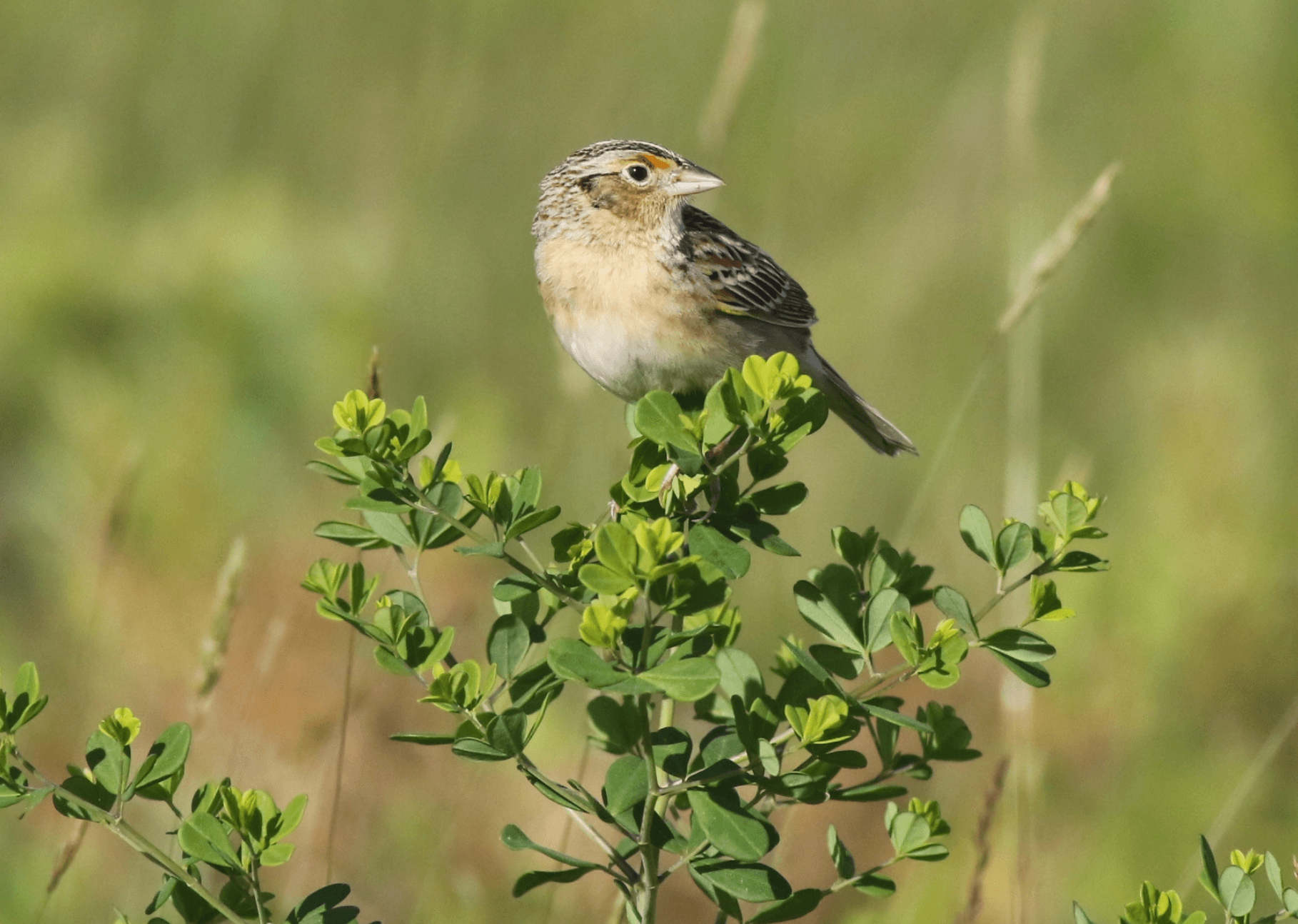
Camp Edwards Grassland Bird Tours
The Massachusetts Army National Guard’s Natural Resource Program is hosting grassland bird tours in May on Camp Edwards. This is an unusual opportunity for avid birders, naturalists and photographers to walk through the Camp Edwards [...]
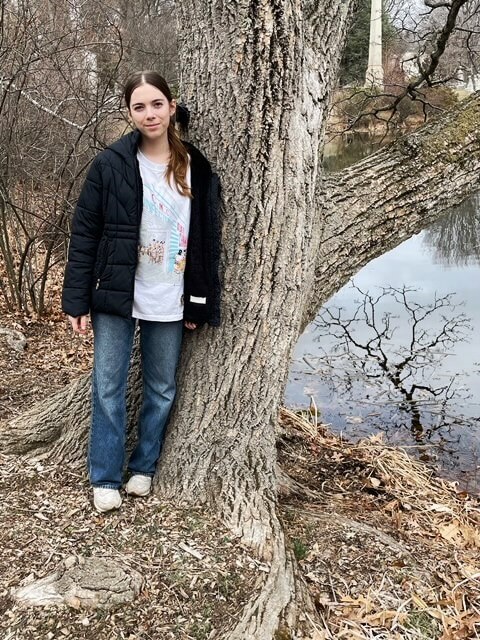
2025 BBC Teen Birder Scholarship Awards
2025 BBC Teen Birder Scholarship Awards The BBC Conservation and Education Committee is pleased to announce our two annual Bill Drummond Young Birder Scholarship recipients, Sydney Beard of Cambridge and Jonas Johnson of Canaan, CT. [...]
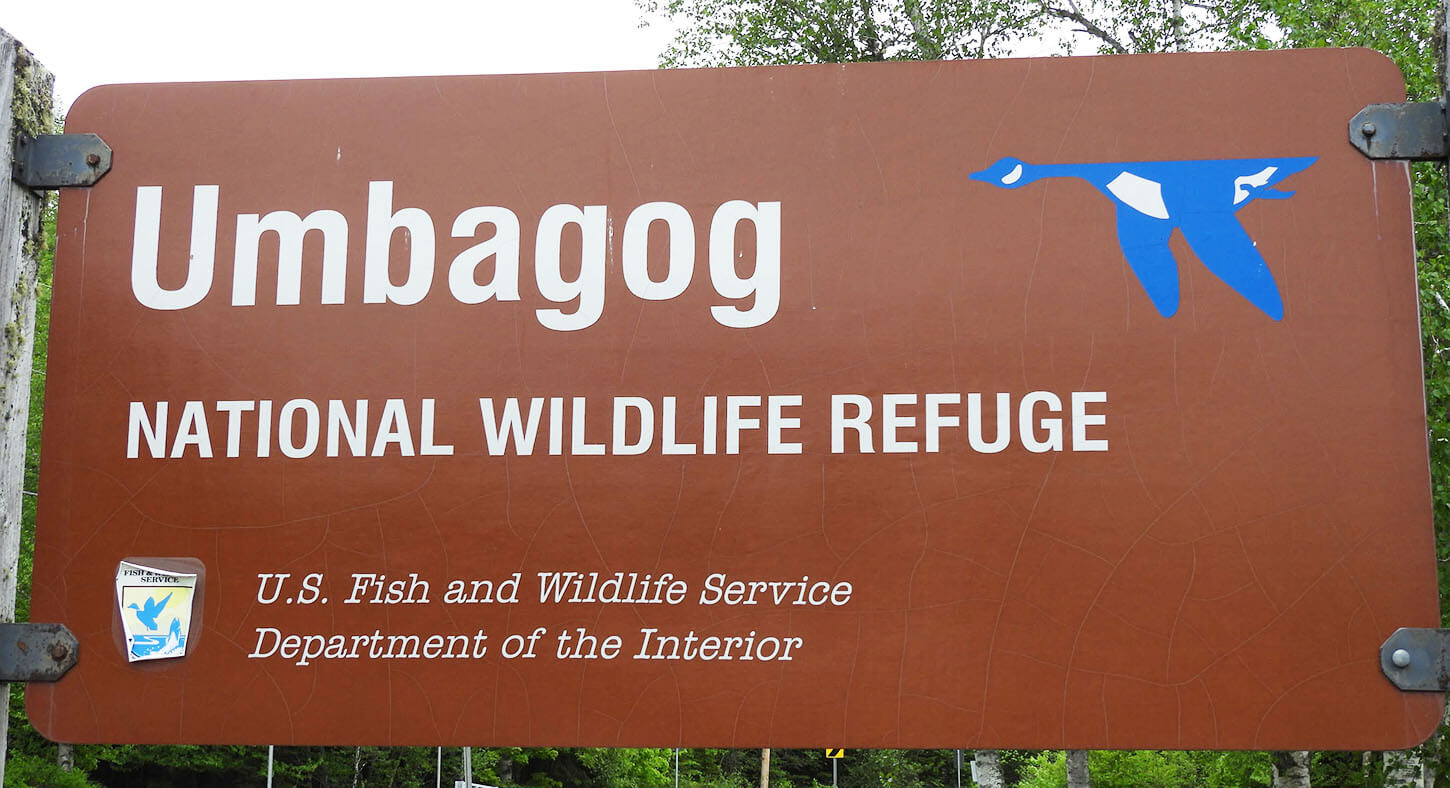
US Fish & Wildlife Service Major Staff Cuts
According to the National Wildlife Refuge Association, “The intentional dismantling of science and conservation is happening now. Hundreds of dedicated U. S. Fish and Wildlife Services employees—many of them biologists—have been fired, gutting an [...]
2024 Annual Report
The Brookline Bird Club (BBC) recorded 283 species for 2024, with 274 species in Massachusetts (four more than 2023), and nine additional species reported from New Hampshire and Maine. This total was based upon 262 [...]
Threats to Federal Bird Science Funding
Threats to Federal Bird Science Funding According to the journal Science, the administration has targeted the Ecosystems Mission Area at the U.S. Geological Survey for elimination in its upcoming Fiscal Year 2026 budget request. The [...]
BBC Global Big Day Count – May 10
BBC Global Big Day Count On May 18, 1974 Bob Stymiest led the BBC trip with the all time largest species count for the club - 162 birds seen during 20 hours across Essex County. [...]
Camp Edwards Grassland Bird Tours
The Massachusetts Army National Guard’s Natural Resource Program is hosting grassland bird tours in May on Camp Edwards. This is an unusual opportunity for avid birders, naturalists and photographers to walk through the Camp Edwards [...]
2025 BBC Teen Birder Scholarship Awards
2025 BBC Teen Birder Scholarship Awards The BBC Conservation and Education Committee is pleased to announce our two annual Bill Drummond Young Birder Scholarship recipients, Sydney Beard of Cambridge and Jonas Johnson of Canaan, CT. [...]
US Fish & Wildlife Service Major Staff Cuts
According to the National Wildlife Refuge Association, “The intentional dismantling of science and conservation is happening now. Hundreds of dedicated U. S. Fish and Wildlife Services employees—many of them biologists—have been fired, gutting an [...]
2024 Annual Report
The Brookline Bird Club (BBC) recorded 283 species for 2024, with 274 species in Massachusetts (four more than 2023), and nine additional species reported from New Hampshire and Maine. This total was based upon 262 [...]
Threats to Federal Bird Science Funding
Threats to Federal Bird Science Funding According to the journal Science, the administration has targeted the Ecosystems Mission Area at the U.S. Geological Survey for elimination in its upcoming Fiscal Year 2026 budget request. The [...]
BBC Global Big Day Count – May 10
BBC Global Big Day Count On May 18, 1974 Bob Stymiest led the BBC trip with the all time largest species count for the club - 162 birds seen during 20 hours across Essex County. [...]
Camp Edwards Grassland Bird Tours
The Massachusetts Army National Guard’s Natural Resource Program is hosting grassland bird tours in May on Camp Edwards. This is an unusual opportunity for avid birders, naturalists and photographers to walk through the Camp Edwards [...]
2025 BBC Teen Birder Scholarship Awards
2025 BBC Teen Birder Scholarship Awards The BBC Conservation and Education Committee is pleased to announce our two annual Bill Drummond Young Birder Scholarship recipients, Sydney Beard of Cambridge and Jonas Johnson of Canaan, CT. [...]
US Fish & Wildlife Service Major Staff Cuts
According to the National Wildlife Refuge Association, “The intentional dismantling of science and conservation is happening now. Hundreds of dedicated U. S. Fish and Wildlife Services employees—many of them biologists—have been fired, gutting an [...]
2024 Annual Report
The Brookline Bird Club (BBC) recorded 283 species for 2024, with 274 species in Massachusetts (four more than 2023), and nine additional species reported from New Hampshire and Maine. This total was based upon 262 [...]
News Categories
Upcoming Field Trips
Field Trips / Events
-
-
Charles River Esplanade
Boston - Charles River Esplanade MA, United StatesWe will walk along the Charles River Esplanade from the Longfellow Bridge upriver looking for birds on both land and water. We hope to see a range of fall migrants as well as year round residents. Cosponsored with the Charles River Esplanade Association. Loaner binoculars available (request in advance). Preregister on the Esplanade Association’s website: [...]
-
Delaney WMA, Stow NEW DATE and TIME
Stow - Delaney WMA Boat Launch 353 Harvard Road, Stow, MA, United StatesWe will spend the morning walking 3-4 miles through fields, forests and wetlands looking for post-nesting birds and early migrants. No restrooms are available. Bring sunscreen and insect repellent. Be prepared for poison ivy. Rain cancels.
-
Family Bird Walk, Condon Shell, Medford
Medford - Condon Shell Parking 2501 Mystic Valley Pkwy, Medford, MA, United StatesSponsored by the Medford Public Library. Join local birder Leslie Kramer of Brookline Bird Club for a family-friendly bird watching walk along the river! Our group will meet at the Condon Shell parking lot and follow the path along the river, which is ADA-accessible and stroller friendly. Note: Attendance is free but registration is required [...]
-
Mystic River Reservation (Early Birders Series)
Medford - Mystic River State Reservation 4253 Mystic Valley Pkwy, Medford, MA, United StatesJoin fellow birders in their 20s-30s as we visit Mystic River State Reservation! Located just north of Boston in Medford, Mystic River Reservation is a state nature reserve home to over 300 acres of space in a riverfront setting. As we navigate our way around the 2.3 mile park loop trail, expect to see all [...]
-
An Oasis for Birds at Belle Isle Marsh
East Boston - Belle Isle Parking Lot 1399 Bennington Street, Boston, MA, United StatesJoin DCR park staff for a relaxed, one-mile bird walk through flat, easy terrain at this Massachusetts State Reservation and birding hot spot. At Belle Isle and at additional nearby locations— We’ll search for shorebirds during their peak in migration and passerines that are beginning their southerly migration. Participants are responsible for their own transportation [...]