Did you know that white ash, a bird‐friendly tree, has diamond patterns in its bark? Or, that 100‐200 organisms live inside leaves? More than 20 birders showed up Sunday morning for the Brookline Bird Club’s Tree Identiication walk led by Harvard University botanist Walter Kittredge, and learned this much and more. Toting binoculars and carrying a list of trees found in Belmont‐Watertown’s Beaver Brook Reservation, participants studied compound and simple, opposite and alternate leaves, bark textures, tree structures and soil preferences of specific trees. 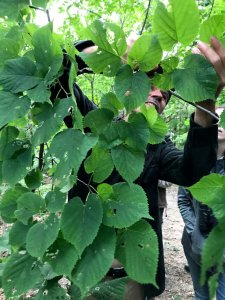
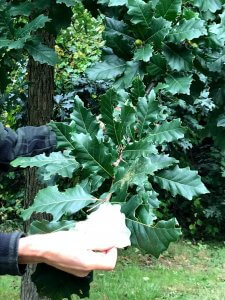
Walter described and passed around leaves from various species of oaks and maples, cherry, beech, birch and ash trees, so we could note differences and similarities among leaf shapes and content. Non‐native species such as glossy buckthorn, porcelain berry and oriental bittersweet unfortunately thrive at Beaver Brook, and we identified many examples of these highly invasive vines ‐ “the worst!” Throughout the walk, we considered reasons why certain trees support birds and wildlife better than others: in short, it’s about the insects and other creatures that live on the leaves and bark of some (native) trees and not others, so a chewed‐up, hole‐ridden leaf is generally a great sign of a bird‐friendly tree! Frequent references were made to Doug Tallamy’s Book, Bringing Nature Home, which makes the case for planting native oaks, 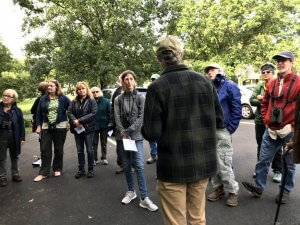 birches, maples and other native trees that support birds in many ways. At the end of walk, we arrived at and studied a young, impressive swamp white oak while watching a dozen American Robins, 2 Blackpoll Warblers, a Pine Warbler and a Red‐eyed Vireo consuming bittersweet berries and insects lurking beneath their dense foliage. Birders were not disappointed: we saw some late fall warblers and learned how and why they stopped at Beaver Brook to refuel on their ways elsewhere.
Note: the Brookline Bird Club is planning future conservation‐minded walks. Please check our website and massbird for announcements: https://brooklinebirdclub.org/
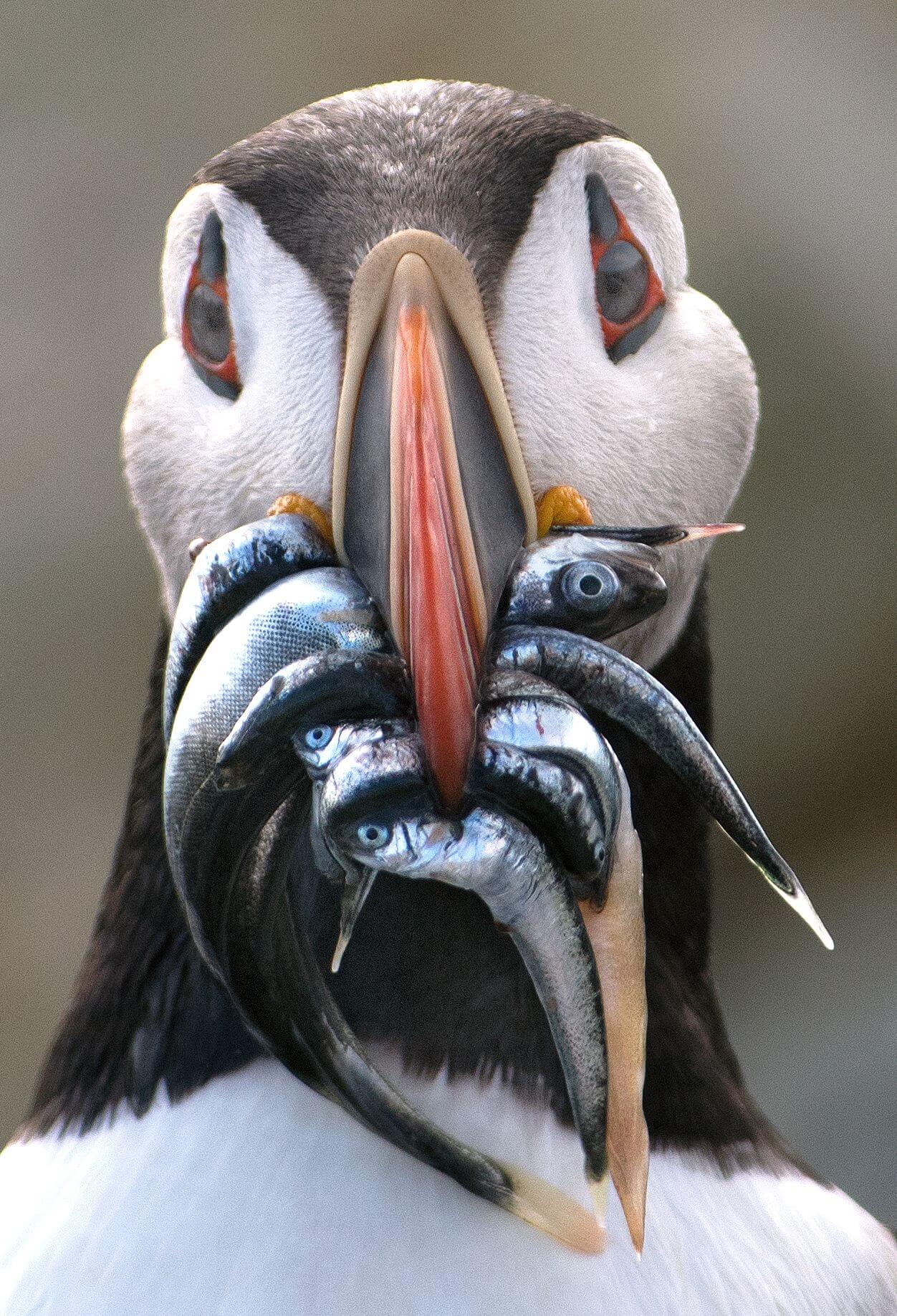
The Puffin Plan: Restoring Seabirds to Egg Rock and Beyond
On February 9, 2022, our Members Virtual Winter Meeting will present Puffin Researcher and Ornithologist Steve Kress and Journalist-Photographer Derrick Z. Jackson. NOTE: This event requires all participants to register, and attendance is limited. [...]
Membership Secretary Needed
The Brookline Bird Club is seeking a qualified individual to fill the role of Membership Secretary. Skills preferred for this important Board position include familiarity with using a database program, timely and efficient processing [...]
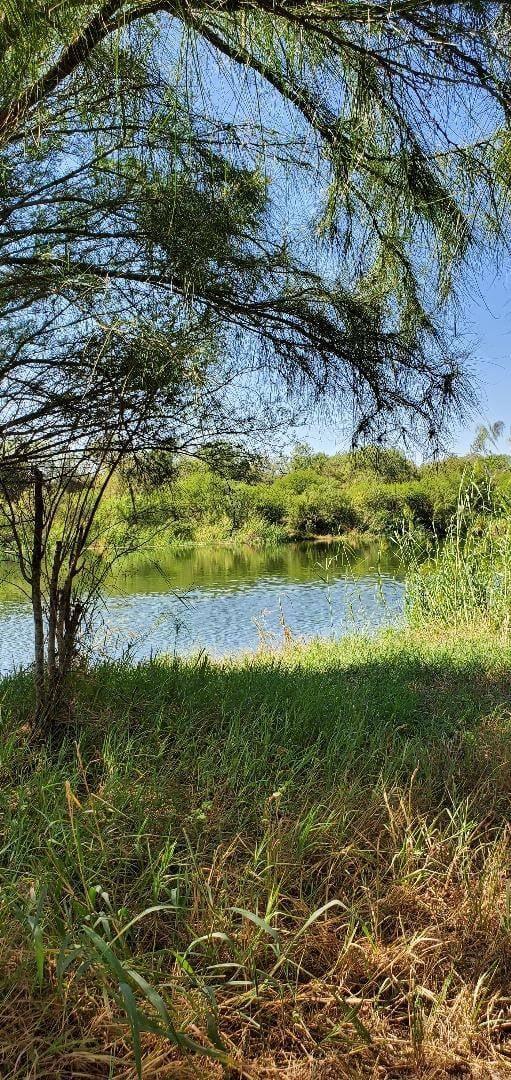
Update: Rio Grande Valley Land Fund Salineno birding tract
An update from Vicky Guerra via Rio Grande Valley Birding: The final order of dismissal of the government's condemnation lawsuit against Valley Land Fund's Salineno birding tract was signed in late September. The title [...]
BBC’s New Code of Ethics and Conduct
BBC’s new Code of Ethics and Conduct If you are involved with the Brookline Bird Club, we know that you have a great love for and appreciation of birds and nature. The BBC is [...]
BBC & Athol Bird and Nature Club Walk
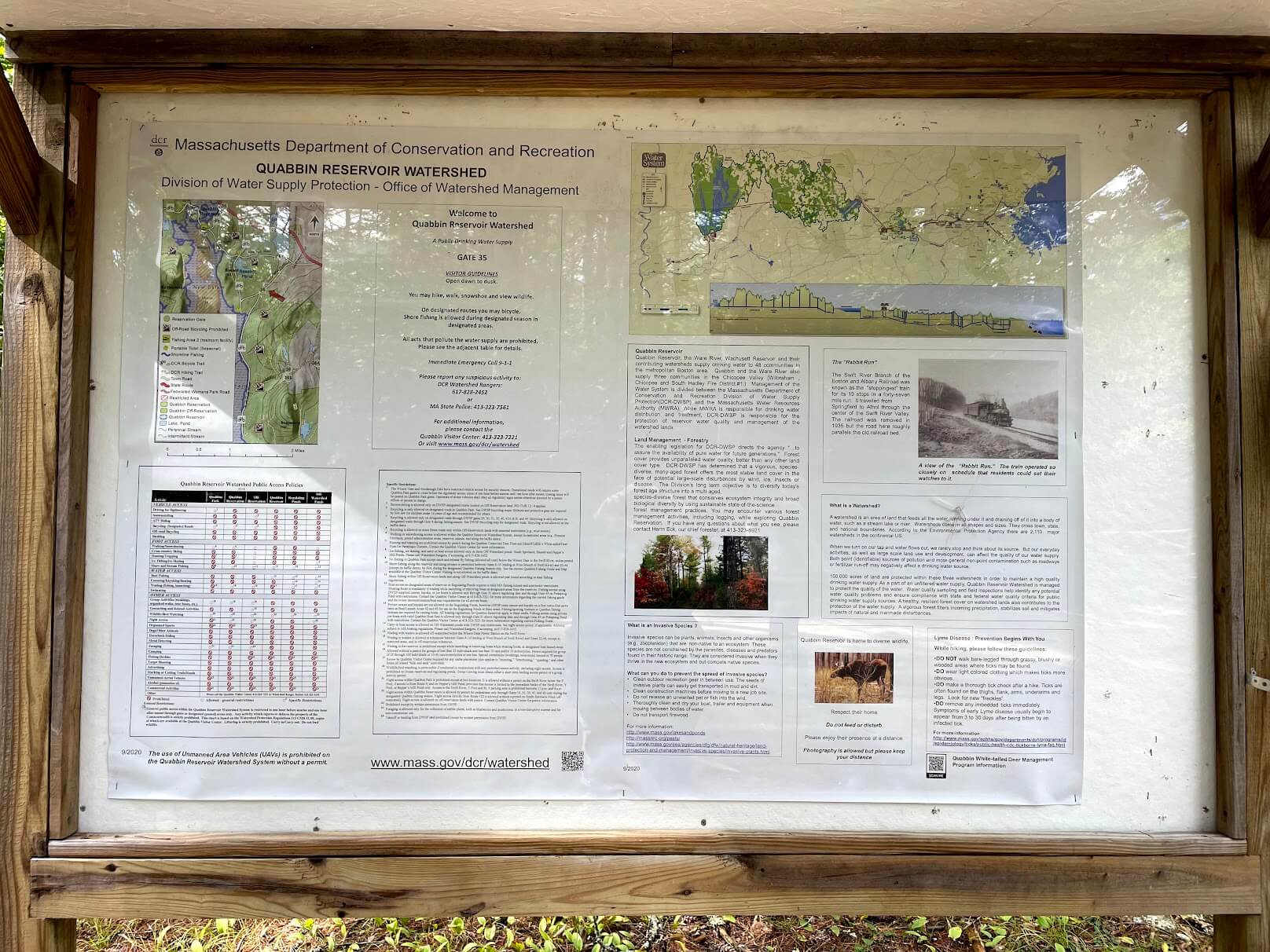
On Friday, September 10th, 6 BBC members enjoyed the Athol Bird and Nature Club -- Brookline Bird Club's co-sponsored walk along Quabbin Reservoir's Gate 35 path. Warblers, thrushes, and other passerines, hawks, Bald [...]
BBC Board Members Go Birding
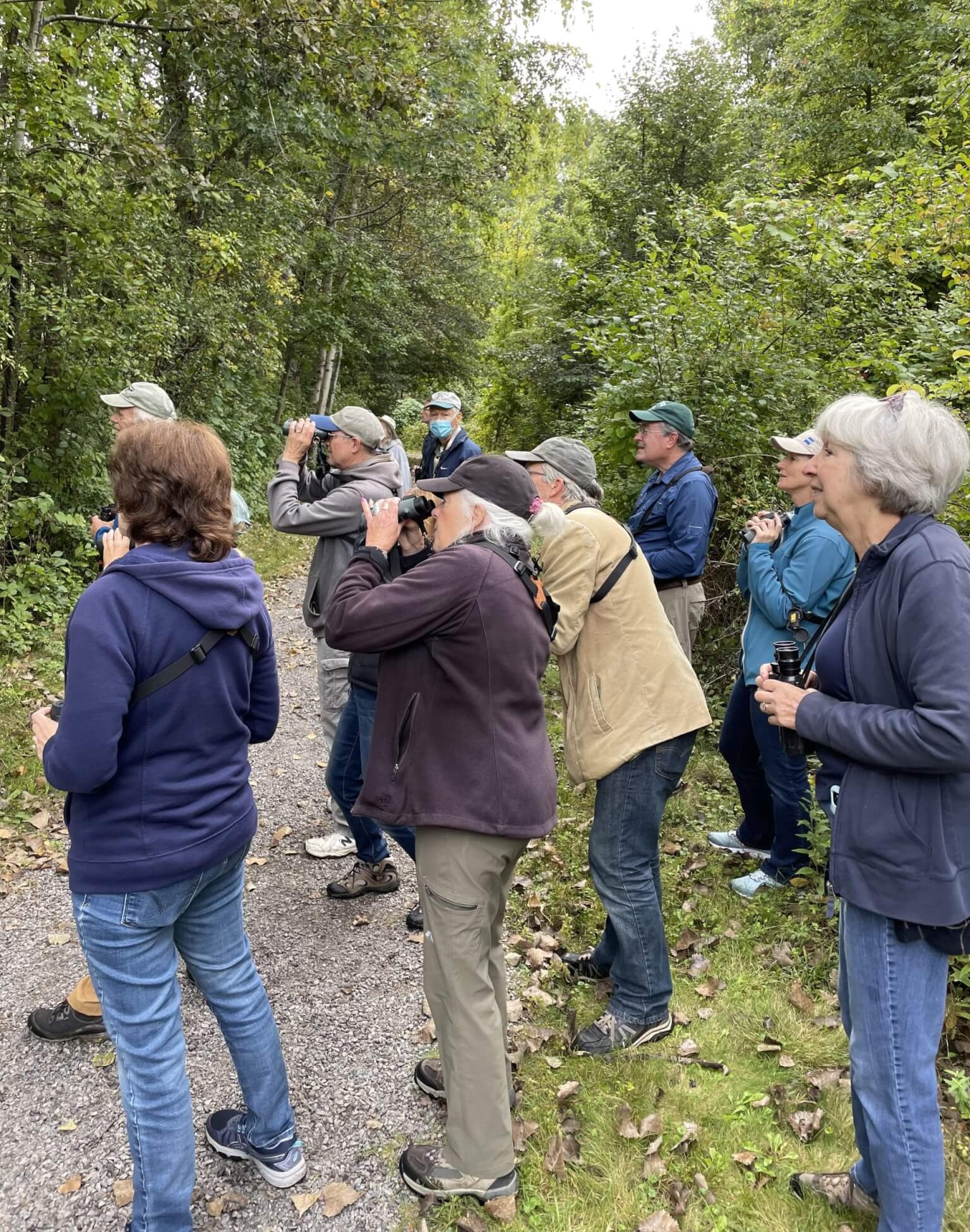
BBC Board members took some much-needed time to do what it does well: go birding! We joined leader Linda Ferraresso for an early October walk at Mass Audubon's Boston Nature Center, in Mattapan, where [...]
The Puffin Plan: Restoring Seabirds to Egg Rock and Beyond
On February 9, 2022, our Members Virtual Winter Meeting will present Puffin Researcher and Ornithologist Steve Kress and Journalist-Photographer Derrick Z. Jackson. NOTE: This event requires all participants to register, and attendance is limited. [...]
Membership Secretary Needed
The Brookline Bird Club is seeking a qualified individual to fill the role of Membership Secretary. Skills preferred for this important Board position include familiarity with using a database program, timely and efficient processing [...]
Update: Rio Grande Valley Land Fund Salineno birding tract
An update from Vicky Guerra via Rio Grande Valley Birding: The final order of dismissal of the government's condemnation lawsuit against Valley Land Fund's Salineno birding tract was signed in late September. The title [...]
BBC’s New Code of Ethics and Conduct
BBC’s new Code of Ethics and Conduct If you are involved with the Brookline Bird Club, we know that you have a great love for and appreciation of birds and nature. The BBC is [...]
BBC & Athol Bird and Nature Club Walk
On Friday, September 10th, 6 BBC members enjoyed the Athol Bird and Nature Club -- Brookline Bird Club's co-sponsored walk along Quabbin Reservoir's Gate 35 path. Warblers, thrushes, and other passerines, hawks, Bald [...]
BBC Board Members Go Birding
BBC Board members took some much-needed time to do what it does well: go birding! We joined leader Linda Ferraresso for an early October walk at Mass Audubon's Boston Nature Center, in Mattapan, where [...]
The Puffin Plan: Restoring Seabirds to Egg Rock and Beyond
On February 9, 2022, our Members Virtual Winter Meeting will present Puffin Researcher and Ornithologist Steve Kress and Journalist-Photographer Derrick Z. Jackson. NOTE: This event requires all participants to register, and attendance is limited. [...]
Membership Secretary Needed
The Brookline Bird Club is seeking a qualified individual to fill the role of Membership Secretary. Skills preferred for this important Board position include familiarity with using a database program, timely and efficient processing [...]
Update: Rio Grande Valley Land Fund Salineno birding tract
An update from Vicky Guerra via Rio Grande Valley Birding: The final order of dismissal of the government's condemnation lawsuit against Valley Land Fund's Salineno birding tract was signed in late September. The title [...]
BBC’s New Code of Ethics and Conduct
BBC’s new Code of Ethics and Conduct If you are involved with the Brookline Bird Club, we know that you have a great love for and appreciation of birds and nature. The BBC is [...]
BBC & Athol Bird and Nature Club Walk
On Friday, September 10th, 6 BBC members enjoyed the Athol Bird and Nature Club -- Brookline Bird Club's co-sponsored walk along Quabbin Reservoir's Gate 35 path. Warblers, thrushes, and other passerines, hawks, Bald [...]
BBC Board Members Go Birding
BBC Board members took some much-needed time to do what it does well: go birding! We joined leader Linda Ferraresso for an early October walk at Mass Audubon's Boston Nature Center, in Mattapan, where [...]
News Categories
Upcoming Field Trips
Field Trips / Events
-
-
Fresh Pond, Cambridge (rescheduled to Sept. 27)
Cambridge - Fresh Pond - TD Bank 235 Alewife Brook Pkwy, Cambridge, MA, United StatesThis walk has been rescheduled to September 27 which will be the 113th anniversary of the first-ever Brookline Bird Club bird walk on September 27th 1913 which was also at Fresh Pond.
-
Rock Meadow, Belmont
Belmont - Rock Meadow 300 Mill St, Belmont, MA, United StatesCome join us for a walk at scenic Rock Meadow and Beaver Brook North, home of open fields, wetlands, ample woods and edge habitat, and public gardens which attract a wide variety of migrating song birds. Hiking is relatively easy, and should be a bit under two miles total at most, if we venture further [...]
-
Fresh Pond, Cambridge – 113th anniversary of the first-ever Brookline Bird Club bird walk
Cambridge - Fresh Pond - TD Bank 235 Alewife Brook Pkwy, Cambridge, MA, United StatesA two mile walk on (mostly) paved paths around the pond. In addition to the “usual suspects”, we are likely to see some of the fall warblers, plus possibly a few of the Weird Ducks that have started to arrive. New Members especially invited to this pleasant walk! This walk is taking place on the [...]
-
Arlington Reservoir
Lexington - Arlington Reservoir 210 Lowell Street, Arlington, MA, United StatesIn the fall water levels are lowered creating good conditions for ducks and shorebirds. We will also visit the adjacent Lexington community farm. Birds are found feasting on the remains of the crops planted there. We will walk about a mile on wide paths and some uneven ground (possibly muddy). Note that the reservoir area [...]
-
Belle Isle Marsh Reservation (Winthrop side)
Winthrop - Belle Isle March and Marine Ecology Park Banks Street, Winthrop, MA, United StatesJoin us to observe resident birds and fall migrants in a unique urban habitat that is a favorite for many bird species, including uncommon and rare birds. Birders of all levels will enjoy this walk. The trails are (generally) flat and easy to walk. A water bottle, water proof clothing including a hat, sunblock & [...]