Threats to Federal Bird Science Funding
According to the journal Science, the administration has targeted the Ecosystems Mission Area at the U.S. Geological Survey for elimination in its upcoming Fiscal Year 2026 budget request. The Ecosystems Mission Area, with its $307 million annual budget, supports critical biological research on endangered species, climate change, disease, and wildlife conservation. The Office of Management and Budget has directed USGS to gradually shutdown the program, affecting about 1,200 USGS scientists and staff.
The Bird Banding Laboratory and the Breeding Bird Survey are both housed by the Ecosystems Mission Area and are critical to the functions of Federal and State wildlife agencies, Migratory Bird Flyway Councils, and non-governmental organizations.
Scientific societies are rallying behind the Ecosystems Mission Area, weighing in with both the administration and with Members of Congress. Over 70 scientific and conservation organizations have written to Secretary of the Interior Doug Burgum, expressing strong support for the U.S. Geological Survey’s Ecosystems Mission Area and urging the Department to maintain the program area’s funding at the FY25 level in the FY26 federal budget. Information recently obtained by the journal Science indicates that the administration intends to eliminate the entire program area.
The letter highlights the Ecosystems Mission Area program area’s crucial role in providing scientific research and decision-support tools that benefit public safety, environmental health, natural resource management, and public health, and emphasizes that the program’s interdisciplinary science underpins national strategies to respond to environmental and ecological challenges
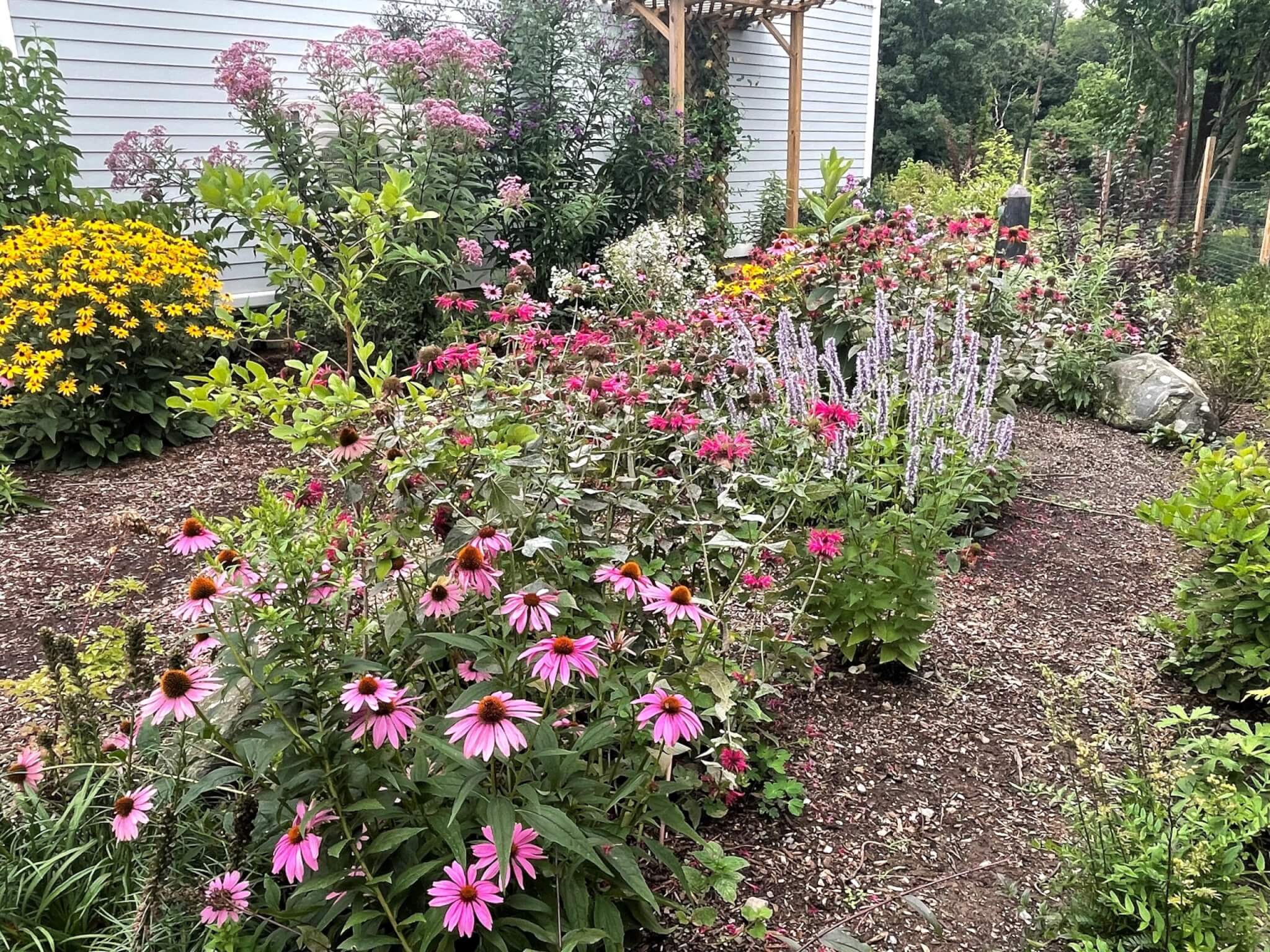
Ida Giriunas Memorial Garden
It's hard to believe that Ida Giriunas, well known Massachusetts birder and long-time director of the Brookline Bird Club (BBC), passed away two years ago on August 20. We wanted to update friends and
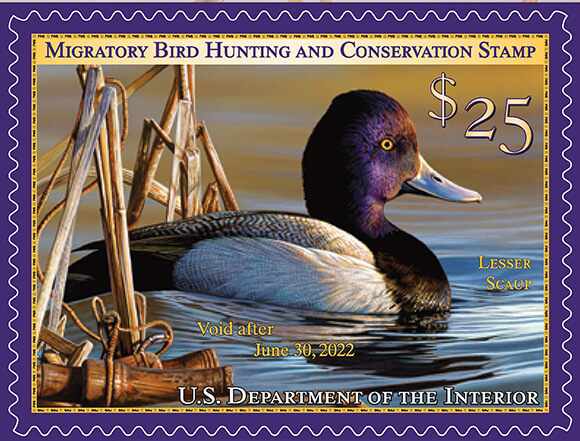
2021-2022 FEDERAL DUCK STAMPS ON SALE NOW!
The BBC is again selling the Federal Migratory Bird Conservation and Hunting Stamp. We are doing this in support of the National Wildlife Refuge System and to support conservation of federal lands. Ninety-eight cents of
BBC Donation to Wildlands Trust
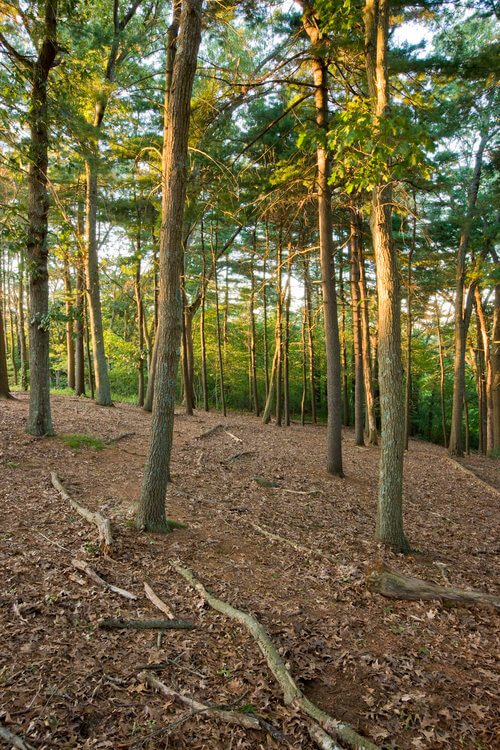
The BBC, through our Conservation and Education Committee, is pleased to donate $250 to Wildlands Trust, a regional land trust working to conserve native habitats and lands of high ecological value in Southeastern Massachusetts. As
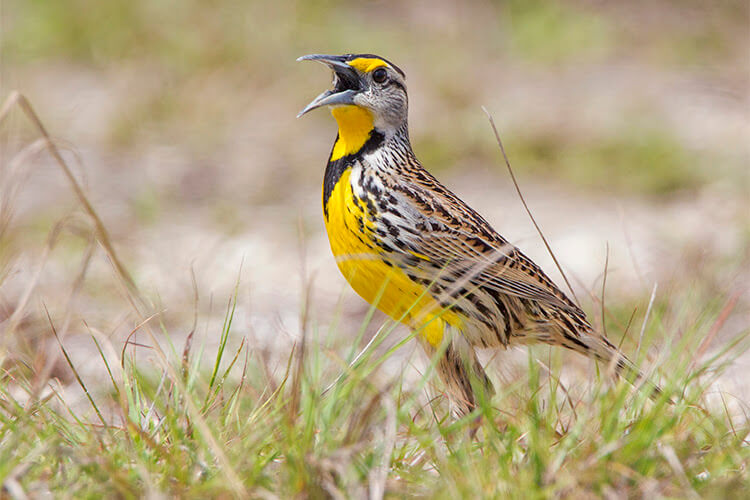
Reporting State-listed Species
Every BBC member, and every birder in our state, can make a direct contribution to bird conservation by reporting observations of state-listed species through the Heritage Hub reporting system, part of the state's Natural Heritage
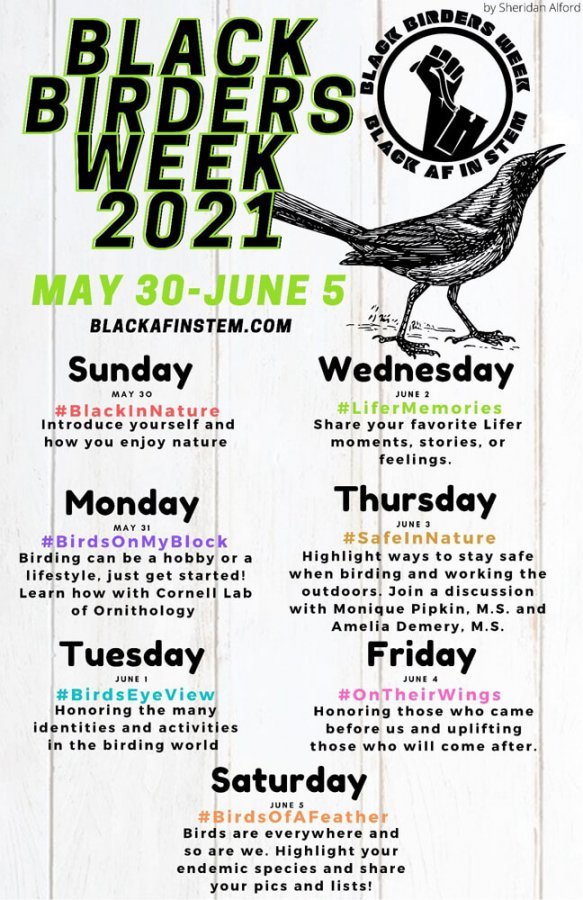
Black Birders’ Week 2021
May 30-June 5 Organized by The BlackAFInSTEM Collective – a collective that “seeks to support, uplift, and amplify Black Science, Technology, Engineering, and Mathematics professionals in natural resources and the environment through professional development, career
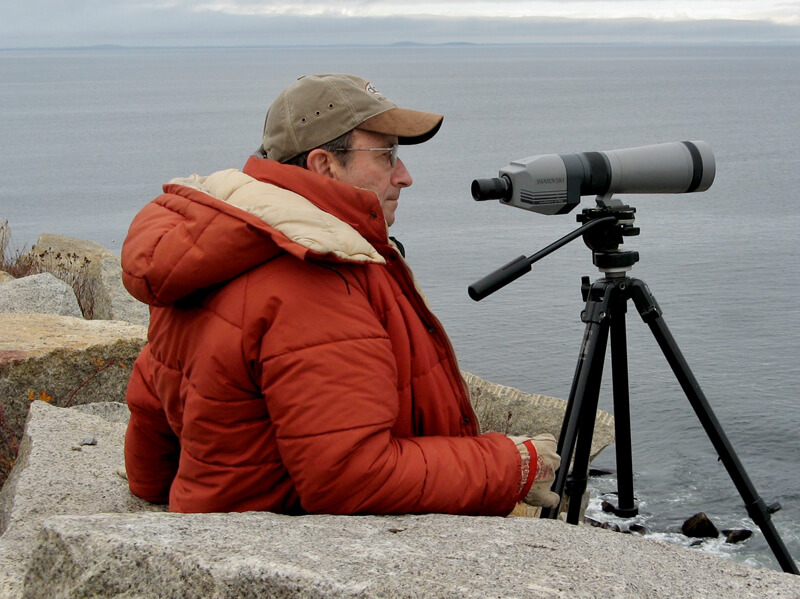
Update on Bill Drummond Young Birder’s Scholarships
National Audubon cancelled all its 2020 summer camps at Hog Island in Maine, but the BBC is delighted to announce that our 2020 scholarship recipients, May Adams of Wales, MA and Jackson
Ida Giriunas Memorial Garden
It's hard to believe that Ida Giriunas, well known Massachusetts birder and long-time director of the Brookline Bird Club (BBC), passed away two years ago on August 20. We wanted to update friends and
2021-2022 FEDERAL DUCK STAMPS ON SALE NOW!
The BBC is again selling the Federal Migratory Bird Conservation and Hunting Stamp. We are doing this in support of the National Wildlife Refuge System and to support conservation of federal lands. Ninety-eight cents of
BBC Donation to Wildlands Trust
The BBC, through our Conservation and Education Committee, is pleased to donate $250 to Wildlands Trust, a regional land trust working to conserve native habitats and lands of high ecological value in Southeastern Massachusetts. As
Reporting State-listed Species
Every BBC member, and every birder in our state, can make a direct contribution to bird conservation by reporting observations of state-listed species through the Heritage Hub reporting system, part of the state's Natural Heritage
Black Birders’ Week 2021
May 30-June 5 Organized by The BlackAFInSTEM Collective – a collective that “seeks to support, uplift, and amplify Black Science, Technology, Engineering, and Mathematics professionals in natural resources and the environment through professional development, career
Update on Bill Drummond Young Birder’s Scholarships
National Audubon cancelled all its 2020 summer camps at Hog Island in Maine, but the BBC is delighted to announce that our 2020 scholarship recipients, May Adams of Wales, MA and Jackson
Ida Giriunas Memorial Garden
It's hard to believe that Ida Giriunas, well known Massachusetts birder and long-time director of the Brookline Bird Club (BBC), passed away two years ago on August 20. We wanted to update friends and
2021-2022 FEDERAL DUCK STAMPS ON SALE NOW!
The BBC is again selling the Federal Migratory Bird Conservation and Hunting Stamp. We are doing this in support of the National Wildlife Refuge System and to support conservation of federal lands. Ninety-eight cents of
BBC Donation to Wildlands Trust
The BBC, through our Conservation and Education Committee, is pleased to donate $250 to Wildlands Trust, a regional land trust working to conserve native habitats and lands of high ecological value in Southeastern Massachusetts. As
Reporting State-listed Species
Every BBC member, and every birder in our state, can make a direct contribution to bird conservation by reporting observations of state-listed species through the Heritage Hub reporting system, part of the state's Natural Heritage
Black Birders’ Week 2021
May 30-June 5 Organized by The BlackAFInSTEM Collective – a collective that “seeks to support, uplift, and amplify Black Science, Technology, Engineering, and Mathematics professionals in natural resources and the environment through professional development, career
Update on Bill Drummond Young Birder’s Scholarships
National Audubon cancelled all its 2020 summer camps at Hog Island in Maine, but the BBC is delighted to announce that our 2020 scholarship recipients, May Adams of Wales, MA and Jackson
News Categories
Upcoming Field Trips
Field Trips / Events
-
-
RESCHEDULED to April 16 Great Meadows National Wildlife Refuge, Concord RESCHEDULED
Concord - Great Meadows Concord Unit, Entrance Rd, Concord, MA, United StatesDue to weather, this trip is rescheduled to April 16.
-
Fruitlands Museum, Harvard
Harvard - Fruitlands Museum 102 Prospect Hill Rd., Harvard, MA, United StatesCosponsored with Boxborough Birders. We will look for local avian non-migratory species and early migrant arrivals. Expect to walk about two miles on trails through meadows and woods, with some steep sections. Prepare for ticks. We will bird at the meeting location for about 30 minutes so any latecomers can catch up.
-
Westborough WMA in Two Parts
Northborough - Watson Park, Bartlett Pond 35A Lyman St, Northborough, MA, United StatesPart 1: 7 AM -10 AM / Part 2: 10:30 AM -1:00 PM. We will hike at a slow pace through mild moderate trails in search of sparrows and other migrants. For the first part we will hike the Eastern trails between Lake Chauncy and Little Chauncy(about 3 miles). Then we will again meet at
-
Belle Isle Marsh and Vicinity
East Boston - Belle Isle Parking Lot 1399 Bennington Street, Boston, MA, United StatesLed by DCR staff. We will search on foot up to one mile on flat, easy terrain, for migrating or resident songbirds, raptors, shorebirds, and marsh birds at this birding hotspot and state park. This is a traveling program by car or bike. Prepare for ticks and mosquitoes. Ages: Adults and kids 8 years+ with
-
Millennium Park
Boston - Millennium Park Canoe Launch 300 Gardner Street, Boston, MA, United StatesJoin us to observe resident birds and spring migrants in a unique urban habitat that is a favorite for many bird species, including uncommon and rare flycatchers, swallows & warblers. Birders of all levels welcome. The trails are generally flat and easy to walk, with some rough patches. A water bottle, sunblock, insect repellent, waterproof