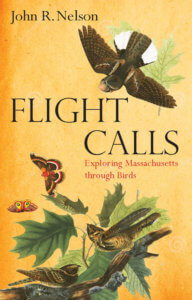
 A history of the Brookline Bird Club and stories of BBC field trips are among the explorations in John Nelson’s Flight Calls: Exploring Massachusetts through Birds, just published by the University of Massachusetts Press. John blends personal field experiences, history, literature, recent scientific research, and humor as he takes readers in search of birds to Cape Ann, the Great Marsh, Mt. Auburn Cemetery, Cape Cod, Quabbin Reservoir, Mt. Wachusett, and other Massachusetts destinations. The final chapter focuses on bird conservation and the prospects for Massachusetts birds.
As a sample of Flight Calls, here are the opening paragraphs from Chapter 12, “For Birds and People: The Brookline Bird Club”:
In June 1913 thirty bird-lovers gathered at the Brookline Public Library to found the Brookline Bird Club in order to “study, observe, and protect native song birds and to encourage their propagation.” A front-page Brookline Chronicle story reported that the club was formed “to study the ‘little brothers of the air,’ arouse a sentiment for their preservation, arrange free lectures for the people, and plan other ways of education in bird life.” The BBC wrote a constitution and set annual dues at fifty cents, twenty-five cents for “juniors”–boys and girls under fourteen but “old enough to go alone on street cars.” A highlight of club field trips that fall was a Hooded Warbler in breeding plumage at the Boston Public Garden. A 1913 Boston Globe photo showed a BBC group at Chestnut Hill: men in suits and ties, women in plume-less hats and bulky ankle-length dresses, and one junior birder with a tam o’ shanter in the front row.
Its tradition of nature study made Massachusetts fertile habitat for one of the country’s first bird clubs. In 1818 the state had passed the nation’s first law protecting some songbirds (“non-game” birds) from shooting. Roger Tory Peterson considered Massachusetts the cradle of American ornithology, for in 1873 the Nuttall Ornithological Club had been founded in Cambridge, and from Nuttall emerged the American Ornithologists’ Union. The Massachusetts Audubon Society was established in 1896 to fight against the plume trade. The Brookline Chronicle, with a little hometown bias, boasted in 1916 that Brookline was “probably the center of bird interest in the United States.” The town had its own bird warden, outlawed the use of firearms or traps to kill or catch birds, and by 1915 it was supporting 150 bird-feeding stations. After winter storms American Crows would trail the grain-distributing sleigh from stop to stop.
One might envision the club’s progenitors as whiskered good old Yankee boys, but in fact the Founding Fathers were mostly Founding Mothers. The prime mover was a woman, Mary Moore Kaan, as was the first trip leader, Edith Andrews, and eight of the first eleven directors. Recreational birding opens a window into a period when American women, at least those with leisure time, were determined to get out into the world and become more active physically as well as intellectually and politically. They rode bicycles, went camping, danced more freely, and began to wear less restrictive clothing. Better, more affordable “opera glasses” brought more women into birding. Florence Merriam Bailey joined other Smith College girls on “bird rambles” and went on to write A-Birding on a Bronco and Birds through an Opera Glass. Field guide author Frank Chapman felt “astonishment, joy, and chagrin” when his bride Fannie mastered the art of bird-skinning on their Florida honeymoon. In 1902 teacher Nell Harrison wrote indignantly about women’s exclusion from scientific egg collecting: “Men can go freely into the fields and follow the birds everywhere, while fashion and conventionality debar women from the same privilege.” Professional ornithology remained a predominantly male domain, and some ornithological clubs barred women into the 1970s, but in 1901 Bailey, Mabel Osgood Wright, and Olive Thorne Miller became the first women elected to the American Ornithologists’ Union, and two decades later Grace Snow became the BBC’s ornithologist. . .
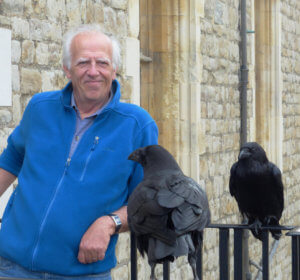
John Nelson is a longtime director of the BBC and chairs the club’s Conservation and Education Committee. In 2016 he organized the Association of Massachusetts Bird Clubs, and he also serves as a director of the New England journal Bird Observer and the Essex County Ornithological Club. A professor emeritus at North Shore Community College, John has published widely in both literary and birding magazines, most recently “Raven Knowledge” in the Autumn 2018 issue of The Gettysburg Review, and he was awarded a 2018 Pushcart Prize for his essay “Funny Bird Sex” in The Antioch Review.
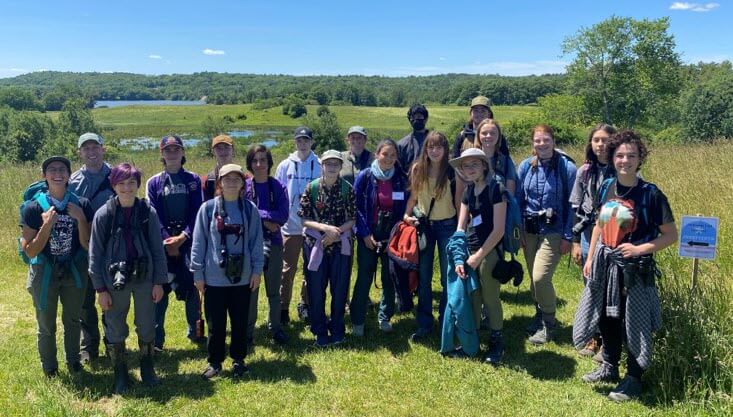
2026 Young Birders Hog Island Camp Scholarship Application
2026 Bill Drummond Young Birders Scholarship Application Available The Brookline Bird Club will again offer two Bill Drummond Young Birder’s Scholarships to nurture interest in bird study and conservation among young birders. The scholarship covers
February 7 BBC Winter Meeting – Social Hour, Book Sale & Norman Smith!
February 7 BBC Winter Meeting - Social Hour, Used Book Sale & Norman Smith! Mark your calendar for Saturday, February 7 at 2PM for the BBC's annual in-person Winter Meeting featuring a social hour with
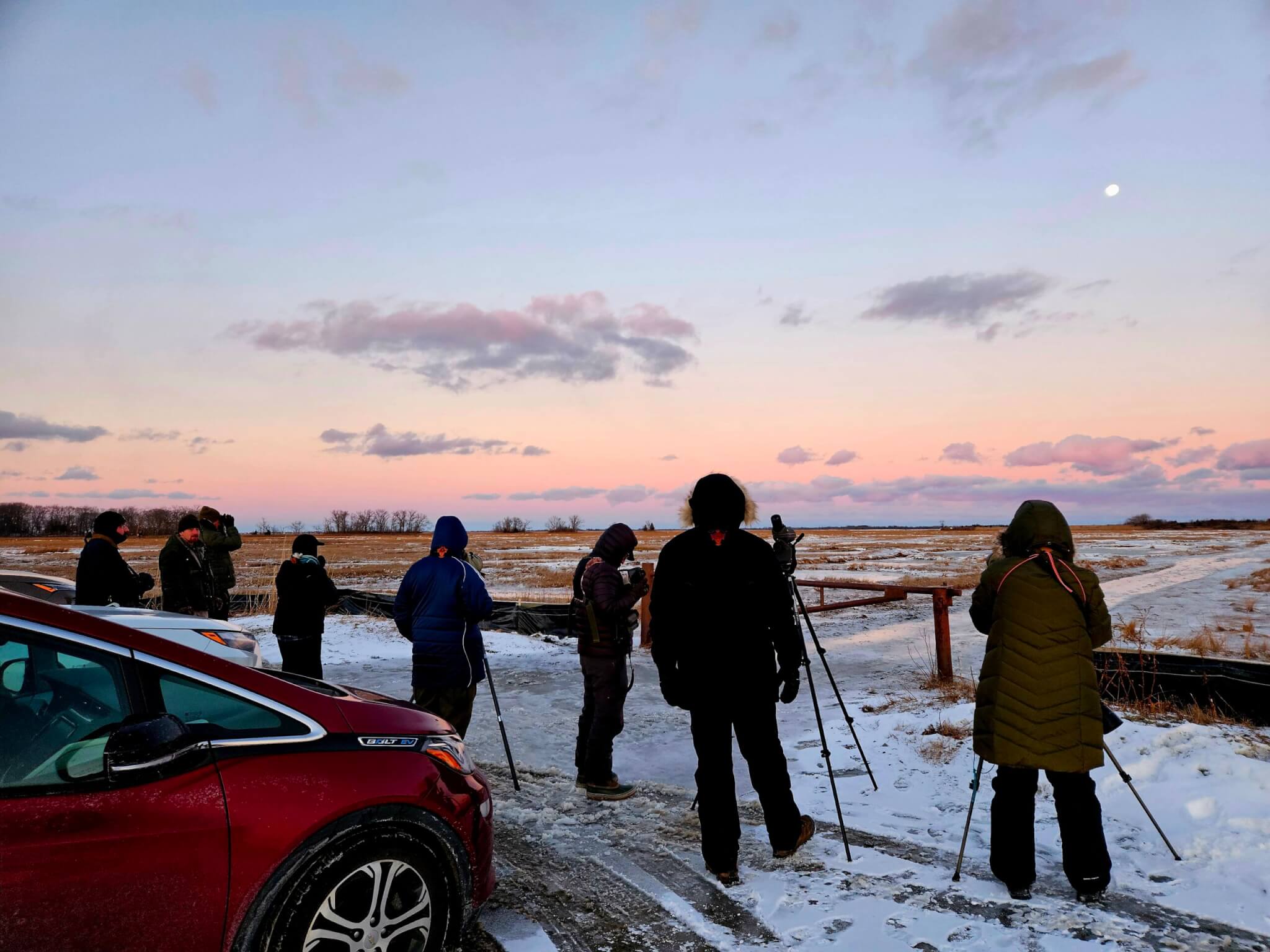
Starting the Year Off with the BBC
Starting the Year Off with the BBC On January 1 Laura de la Flor and Mark Burns led their our 29th (maybe 30th) Brookline Bird Club New Year's Day birding trip! I'll let Laura take

Webinar with Sophie Osborn – Feather Trails: A Journey of Discovery Among Endangered Birds
Webinar with Sophie Osborn - Feather Trails: A Journey of Discovery Among Endangered Birds Please join the BBC on the evening of January 27 from 7PM to 8:30PM for a member only webinar with author
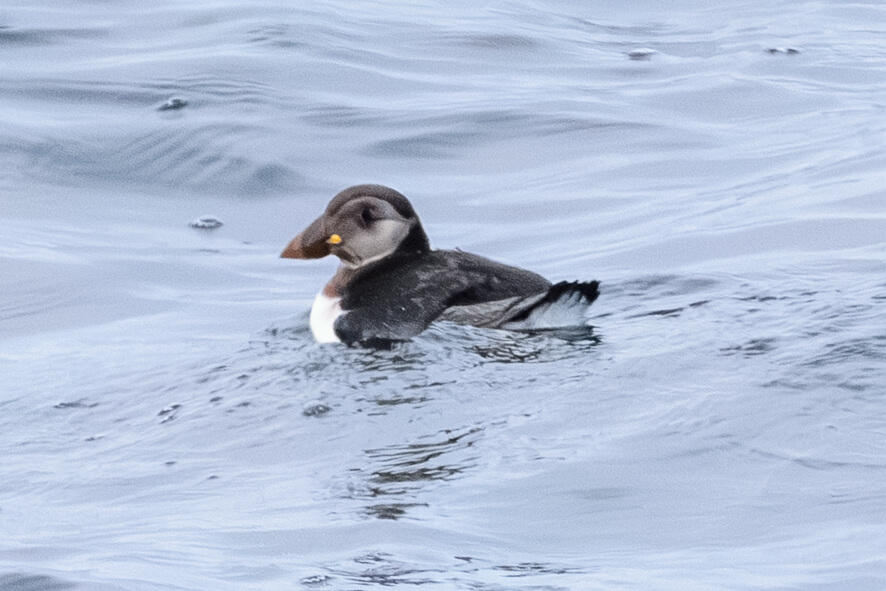
Successful Pelagic Trip to Nantucket Shoals
Successful Pelagic Trip to Nantucket Shoals On December 6 over 70 BBC birders and guides departed from Hyannis and headed out to Nantucket Shoals about the Helen H. The plan was to go as far
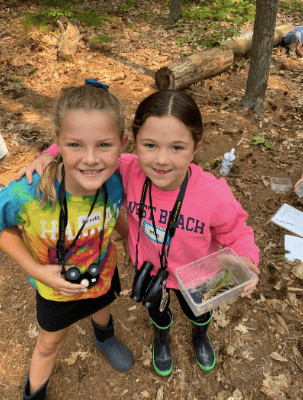
Kestrel Adventures Book Fund Donation
School Book Fund Donation to Kestrel Educational Adventures The BBC School Book Fund Committee is pleased to announce that we have donated just under $750 for optical equipment to support bird and nature education at
2026 Young Birders Hog Island Camp Scholarship Application
2026 Bill Drummond Young Birders Scholarship Application Available The Brookline Bird Club will again offer two Bill Drummond Young Birder’s Scholarships to nurture interest in bird study and conservation among young birders. The scholarship covers
February 7 BBC Winter Meeting – Social Hour, Book Sale & Norman Smith!
February 7 BBC Winter Meeting - Social Hour, Used Book Sale & Norman Smith! Mark your calendar for Saturday, February 7 at 2PM for the BBC's annual in-person Winter Meeting featuring a social hour with
Starting the Year Off with the BBC
Starting the Year Off with the BBC On January 1 Laura de la Flor and Mark Burns led their our 29th (maybe 30th) Brookline Bird Club New Year's Day birding trip! I'll let Laura take
Webinar with Sophie Osborn – Feather Trails: A Journey of Discovery Among Endangered Birds
Webinar with Sophie Osborn - Feather Trails: A Journey of Discovery Among Endangered Birds Please join the BBC on the evening of January 27 from 7PM to 8:30PM for a member only webinar with author
Successful Pelagic Trip to Nantucket Shoals
Successful Pelagic Trip to Nantucket Shoals On December 6 over 70 BBC birders and guides departed from Hyannis and headed out to Nantucket Shoals about the Helen H. The plan was to go as far
Kestrel Adventures Book Fund Donation
School Book Fund Donation to Kestrel Educational Adventures The BBC School Book Fund Committee is pleased to announce that we have donated just under $750 for optical equipment to support bird and nature education at
2026 Young Birders Hog Island Camp Scholarship Application
2026 Bill Drummond Young Birders Scholarship Application Available The Brookline Bird Club will again offer two Bill Drummond Young Birder’s Scholarships to nurture interest in bird study and conservation among young birders. The scholarship covers
February 7 BBC Winter Meeting – Social Hour, Book Sale & Norman Smith!
February 7 BBC Winter Meeting - Social Hour, Used Book Sale & Norman Smith! Mark your calendar for Saturday, February 7 at 2PM for the BBC's annual in-person Winter Meeting featuring a social hour with
Starting the Year Off with the BBC
Starting the Year Off with the BBC On January 1 Laura de la Flor and Mark Burns led their our 29th (maybe 30th) Brookline Bird Club New Year's Day birding trip! I'll let Laura take
Webinar with Sophie Osborn – Feather Trails: A Journey of Discovery Among Endangered Birds
Webinar with Sophie Osborn - Feather Trails: A Journey of Discovery Among Endangered Birds Please join the BBC on the evening of January 27 from 7PM to 8:30PM for a member only webinar with author
Successful Pelagic Trip to Nantucket Shoals
Successful Pelagic Trip to Nantucket Shoals On December 6 over 70 BBC birders and guides departed from Hyannis and headed out to Nantucket Shoals about the Helen H. The plan was to go as far
Kestrel Adventures Book Fund Donation
School Book Fund Donation to Kestrel Educational Adventures The BBC School Book Fund Committee is pleased to announce that we have donated just under $750 for optical equipment to support bird and nature education at
News Categories
Upcoming Field Trips
Field Trips / Events
-
-
Members Webinar with Tiffany Kirsten – Birdie Big Year: Elevating Women Birders
DUE TO UNFORESEEN CIRCUMSTANCES THIS WEBINAR HAS BEEN RESCHEDULED FROM MARCH 10 TO MARCH 24. IF YOU PREVIOUSLY SIGNED UP, YOUR REGISTRATION AND ZOOM LINK WILL STILL WORK FOR THE MARCH 24 DATE. Please join the BBC on the evening of March 24 from 7PM to 8:30PM for a member only webinar with Tiffany Kirsten,
-
Woodcock Walk, North Easton
North Easton - Edwin A. Keach Park Chestnut Street, Easton, MA, United StatesFrom the playground, we will walk a short distance to an open area where we can observe 2 fields for Woodcock. Sunset is around 6:30 pm so bring a camp chair and relax for the Woodcock flight.
-
CANCELLED Pine Hill Road Grasslands (was rescheduled from March 14)
Lancaster - Pine Hill Road Grasslands Pine Hill Road, Lancaster, MA, United StatesWe scheduled this trip too early. It was a mistake in retrospect. We are cancelling this trip. The birding will get better in mid to late April. We have trips in May and June that will be in prime season for this location.
-
Mount Auburn Cemetery, Cambridge
Mount Auburn Cemetery 536 Mt Auburn St, Cambridge, MA, United StatesMount Auburn Cemetery is lovely in all seasons. In late March, we may see the very earliest migrants from the south (Red-winged Blackbird, others) as well as the remaining seasonal visitors from the north (e.g. White-throated Sparrow, Dark-eyed Junco). And our usual year-round resident species will have just started to sing!
-
Franklin Park – Scarboro Pond
Boston - Franklin Park Tennis Courts (Meeting Spot) Roxbury, MA, United StatesWe will look for early spring migrants in Franklin Park. Beginners welcome and encouraged. Expect to walk up to 2 miles on paved paths. Loaner binoculars available. Co-sponsored with the Franklin Park Coalition and Franklin Park Tennis Association.