Bring Back Bobolinks!
2026 has been the inaugural year for our Endangered Species Program. Each year we plan to focus on a single bird species facing serious threats in Massachusetts and elsewhere. With this effort we hope to provide a way for all of us to address the decline of birds in our state. Our initial focus is on a charismatic grassland bird – Bring Back Bobolinks!
Our support for conservation efforts to protect the Bobolink continues throughout the fall as we follow their full life-cycle, traveling with them on their 12,500 mile migration corridor to their final wintering grounds in the Eastern lowlands of Bolivia.
About Bobolinks
According to the Cornell Laboratory of Ornithology, bird populations have declined by nearly 3 billion, or over 25% since 1970. The 2025 State of the Birds report by National Audubon highlighted declines in grassland areas, where populations have dropped by 43%.
By late October, the Bobolinks that filled Massachusetts hayfields and meadows have largely departed the United States and are migrating through the Caribbean to the northern coast of South America on the way to their wintering grounds in South America.
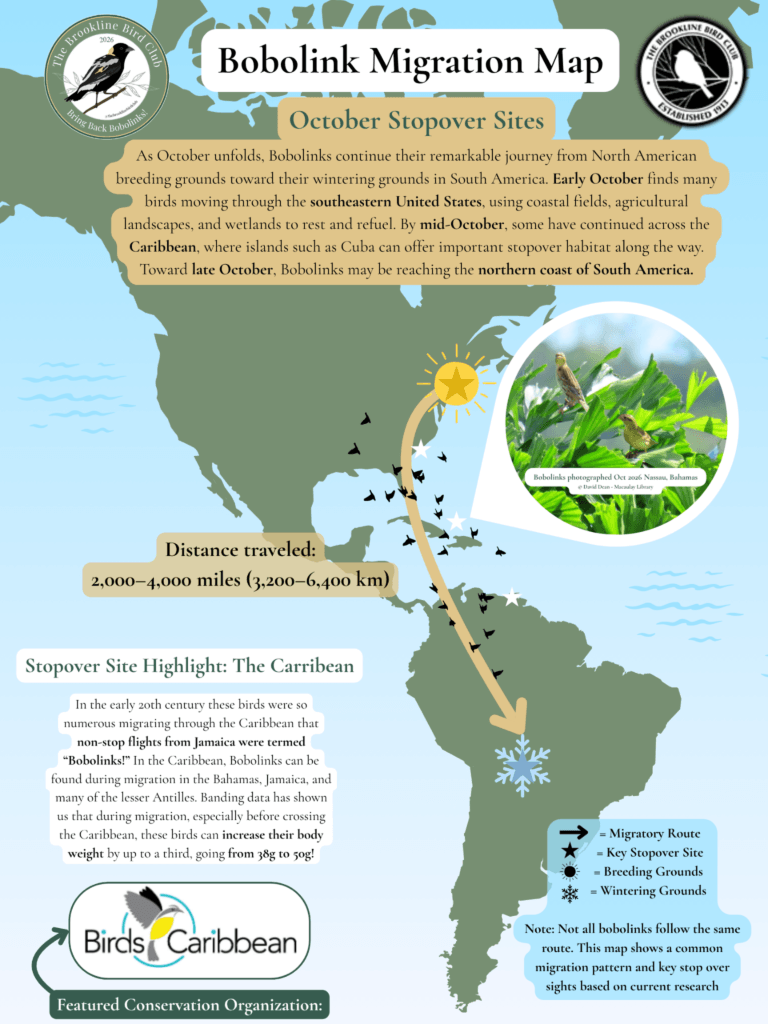
After breeding, they undertake one of the most remarkable migrations of any North American songbird, traveling thousands of miles toward their wintering grounds in South America. Along the way, they rely on fields, freshwater marshes, and other stopover habitats proximate to their preferred food source of rice and grains. These invaluable spaces along the east Atlantic coast and the West Indies grant the Bobolink time to rest and refuel before continuing their long journey.
While stopover sites are essential, they face growing pressures from habitat loss and degradation, agricultural and coastal development, and other environmental changes.
In parts of their southern migratory range Bobolinks feed in agricultural landscapes, where large flocks are sometimes perceived as pests. This creates an additional conservation challenge as people seek to balance food production with wildlife protection. Conservation organizations across the Americas are working to find solutions that protect birds and support the communities and livelihoods that depend on these landscapes.
As we watch Bobolinks disappear from our Massachusetts landscapes this fall, remember that their journey, and our responsibility to them, does not end when they leave. Bringing back Bobolinks means understanding and protecting the interconnected network of habitats and communities they depend on throughout their annual cycle, from New England to South America and back.
See All About Birds Bobolink Range and Sightings Maps.
Bobolink Raffle Results are In!
Over the past few months the Bring Back Bobolinks campaign sponsored a fundraising raffle to benefit The Bobolink Project and the Trustees Grassland Birds Monitoring Program, two organizations working to protect habitat for this declining species. Thanks to all who participated – through your generosity we raised a total of $2500!
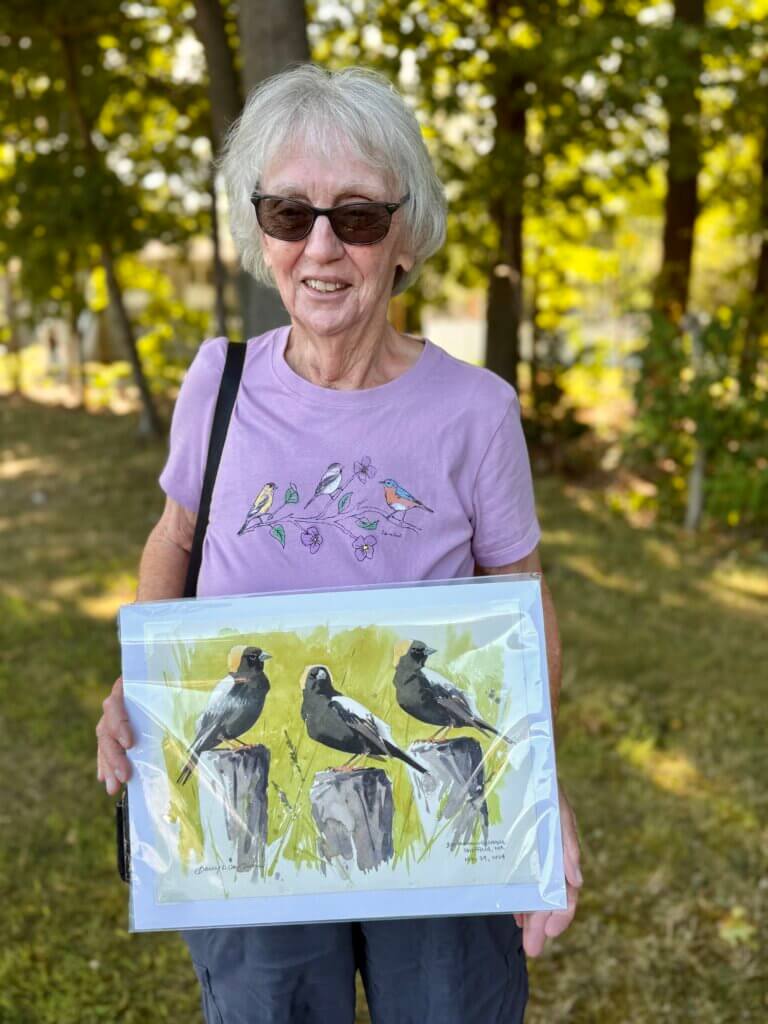
The lucky winner of the raffle drawing is Ruth MacNutt, longtime club member, shown here with her new painting. Ruth developed her interest in Bobolinks as a young girl growing up in Western Massachusetts when their populations were more abundant. Congratulations, Ruth, many happy memories!
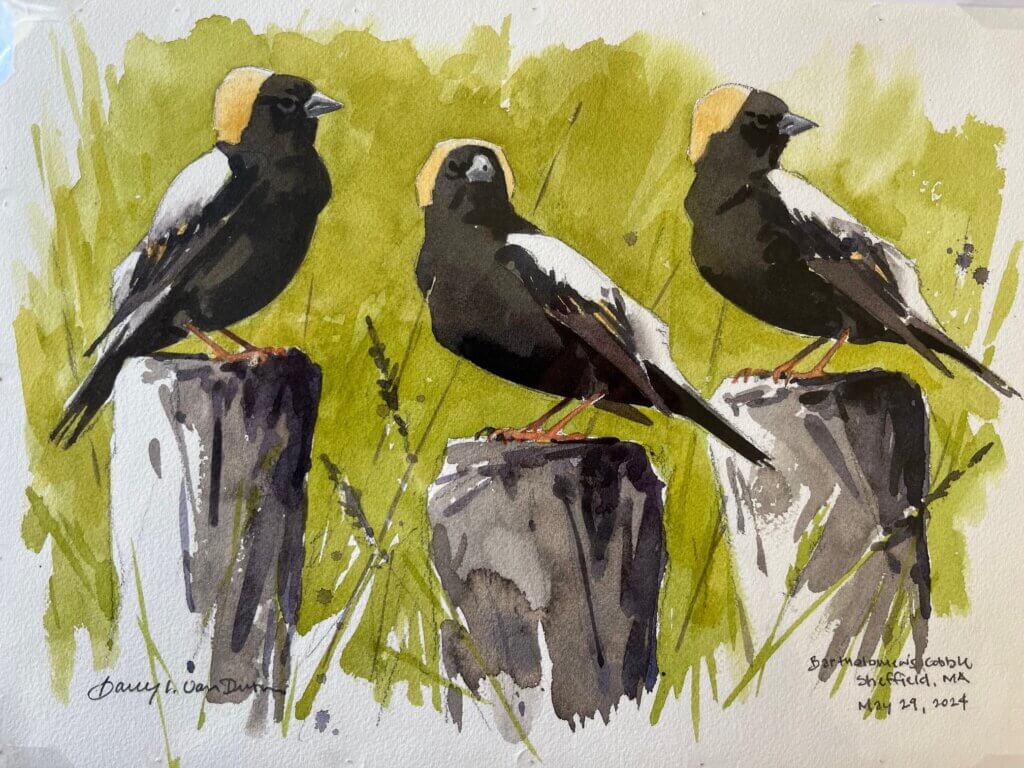
This painting was generously donated to the “Bring Back Bobolinks” campaign by artist Barry van Dusen. You can view Barry’s artwork, books, prints, and cards at his website www.barryvandusen.com.
Bobolinks on the Brink: What do Bobolinks Tell Us about Our Relationship with the Land, and How Can We Protect Them?
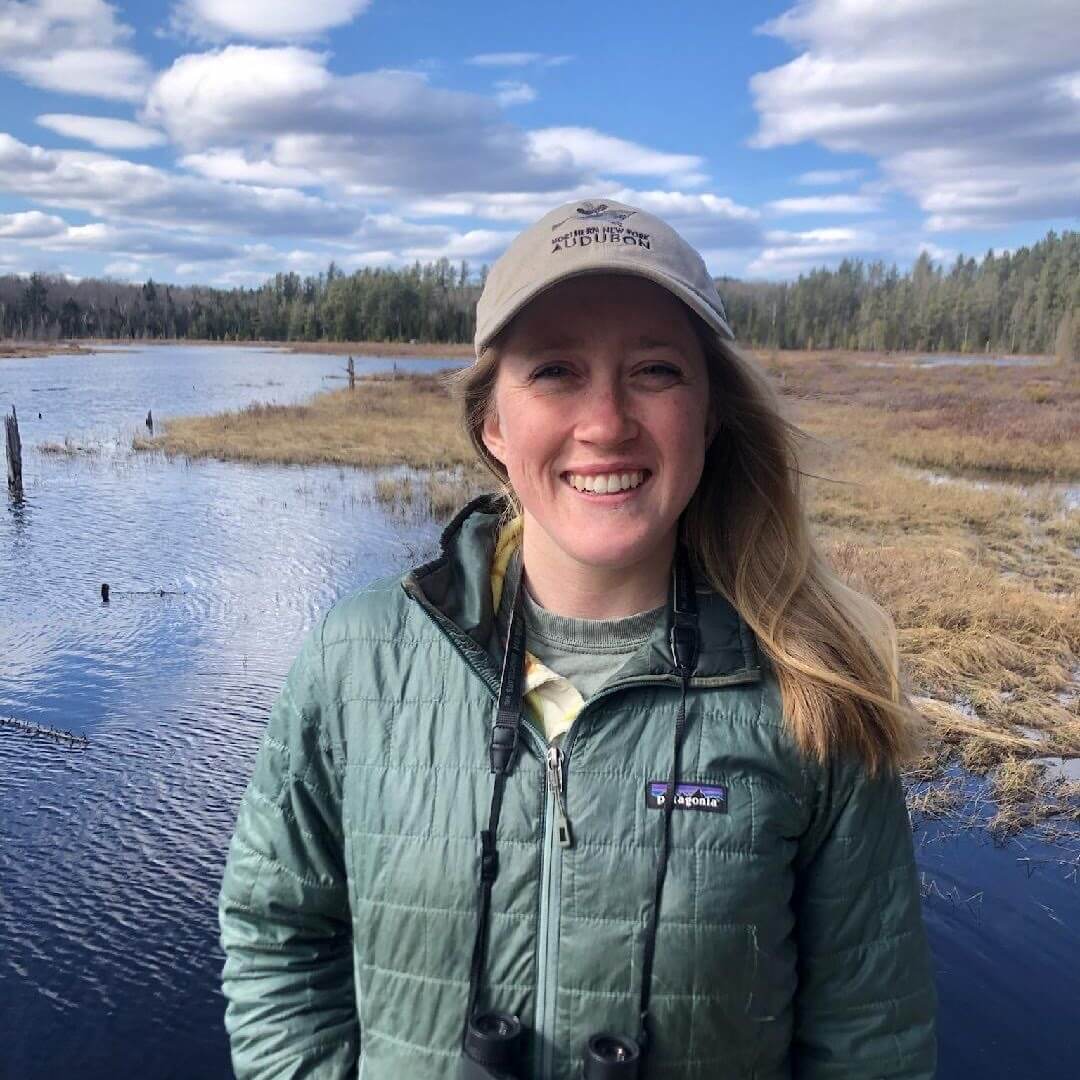
Hyla Howe - Boblinks on the Brink
Mass Audubon’s Grassland Bird Biologist Hyla Howe spoke about our first endangered species spotlight: the Bobolink!
Bobolink populations closely intertwine with shifting land use patterns and agricultural practices. Conservation solutions to protect them are complex.
Hyla shared observations from the field, insights from conversations with farmers and landowners, takeaways from efforts to improve and scale the Bobolink Project, and results from a regional land use change analysis. She describes where Bobolink conservation stands today, and what you can do to help.
Bobolink Creative Work
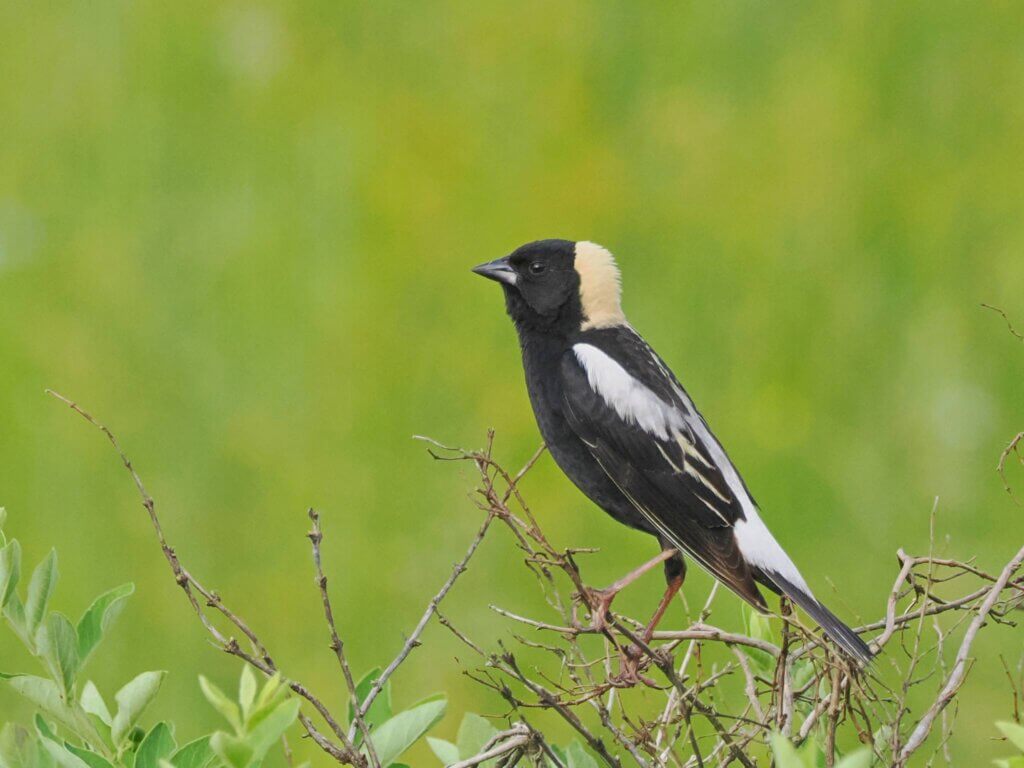
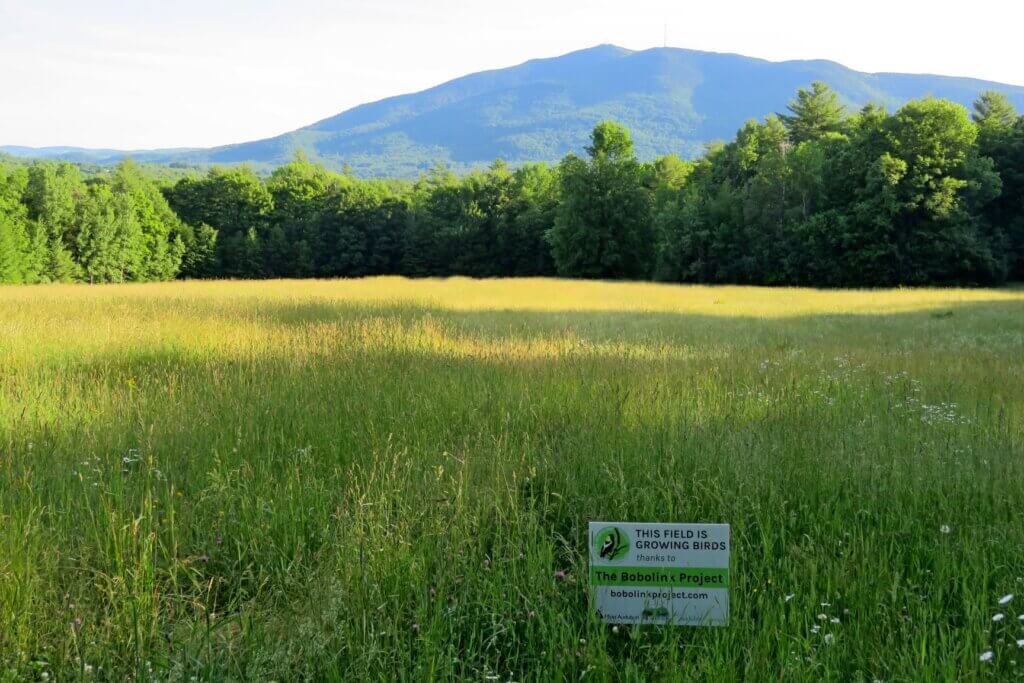
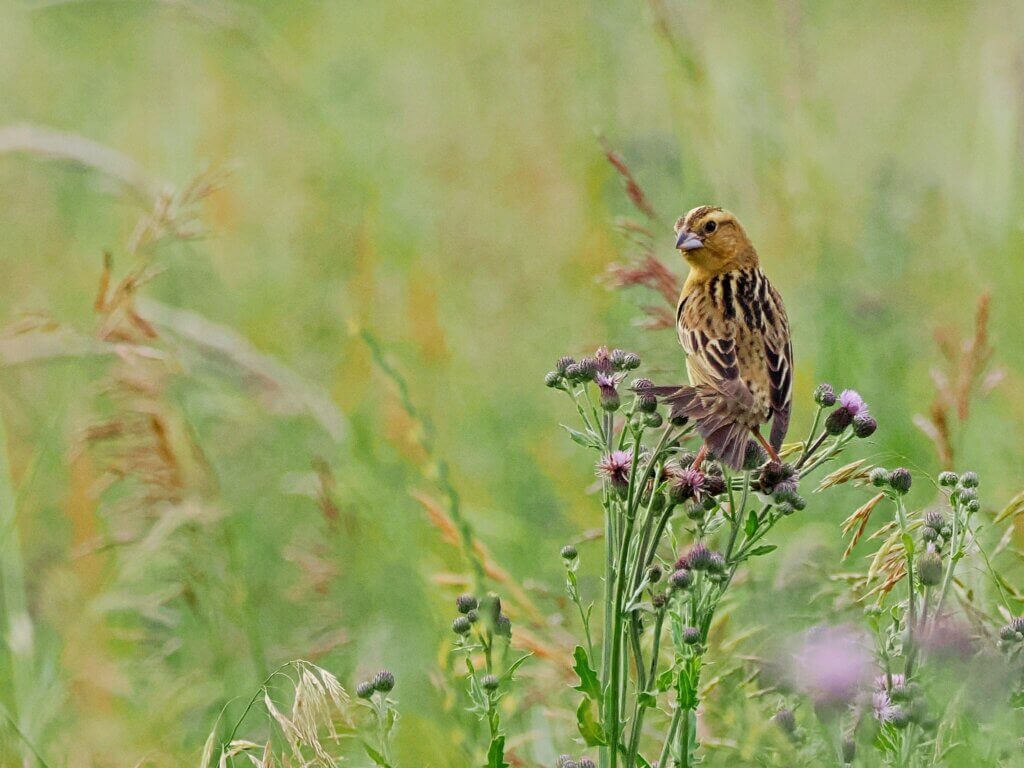
We asked members to share creative work linked to the Bobolink. Here are several images from members:
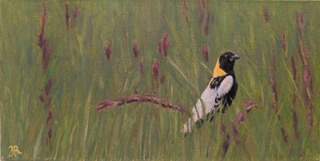
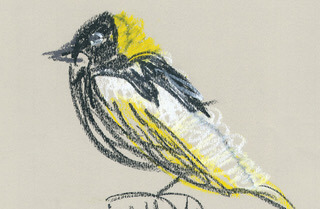
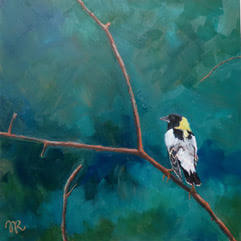
Have creative work to share? We are still looking for written, visual and other works. Please contact Lara Kazo to share your images and files.
More to Come!
We are working on more activities, so stay tuned to our newsletters, website and social media!
May 5 Webinar – Rescue Wildlife from Rodenticides
May 5 Webinar Open to All with Heather Packard, Mass Audubon - Rescue Wildlife from Rodenticides Please join the BBC on the evening of Tuesday, May 5 from 7PM to 8:30PM for a webinar with [...]
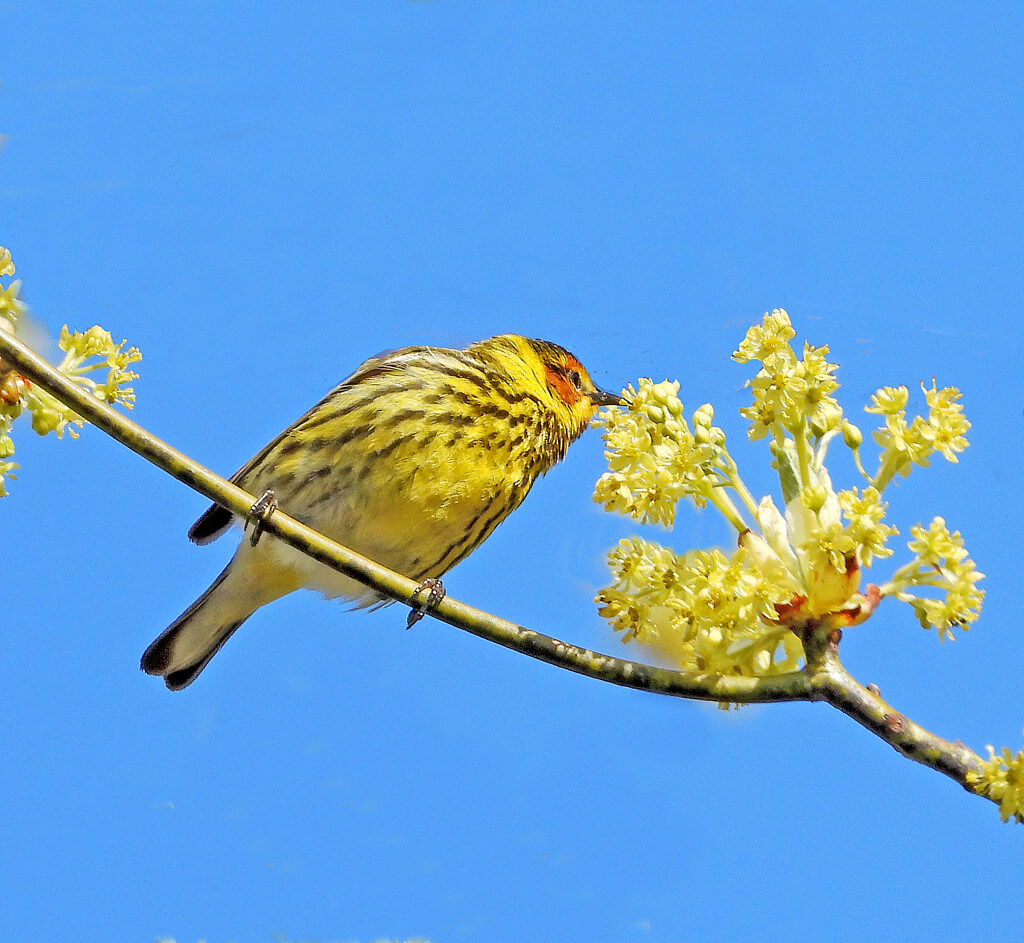
April 28 Webinar – Wood-Warblers of New England
April 28 Webinar with Bill Gette - Wood-Warblers of New England Please join the BBC on the evening of April 28 from 7PM to 8:30PM for a members-only webinar with Bill Gette entitled Wood-Warblers of [...]
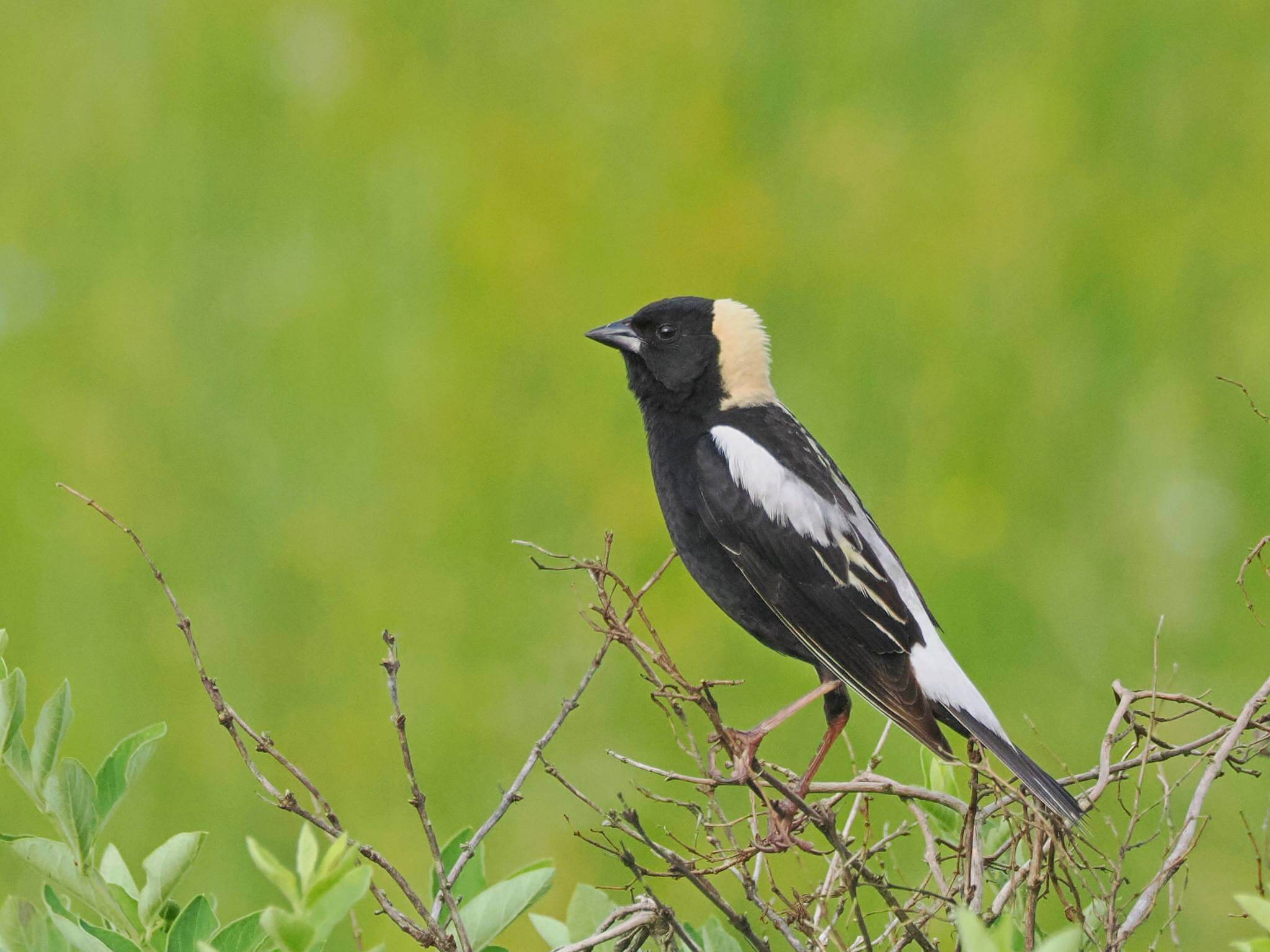
April 24 Annual Members Meeting & Lecture – All Welcome
April 24 Annual Members Meeting & Lecture - All Welcome Please join us on April 24 for our Annual Members Meeting. The evening begins with a social hour at 6:30. The program starts at 7:30 [...]
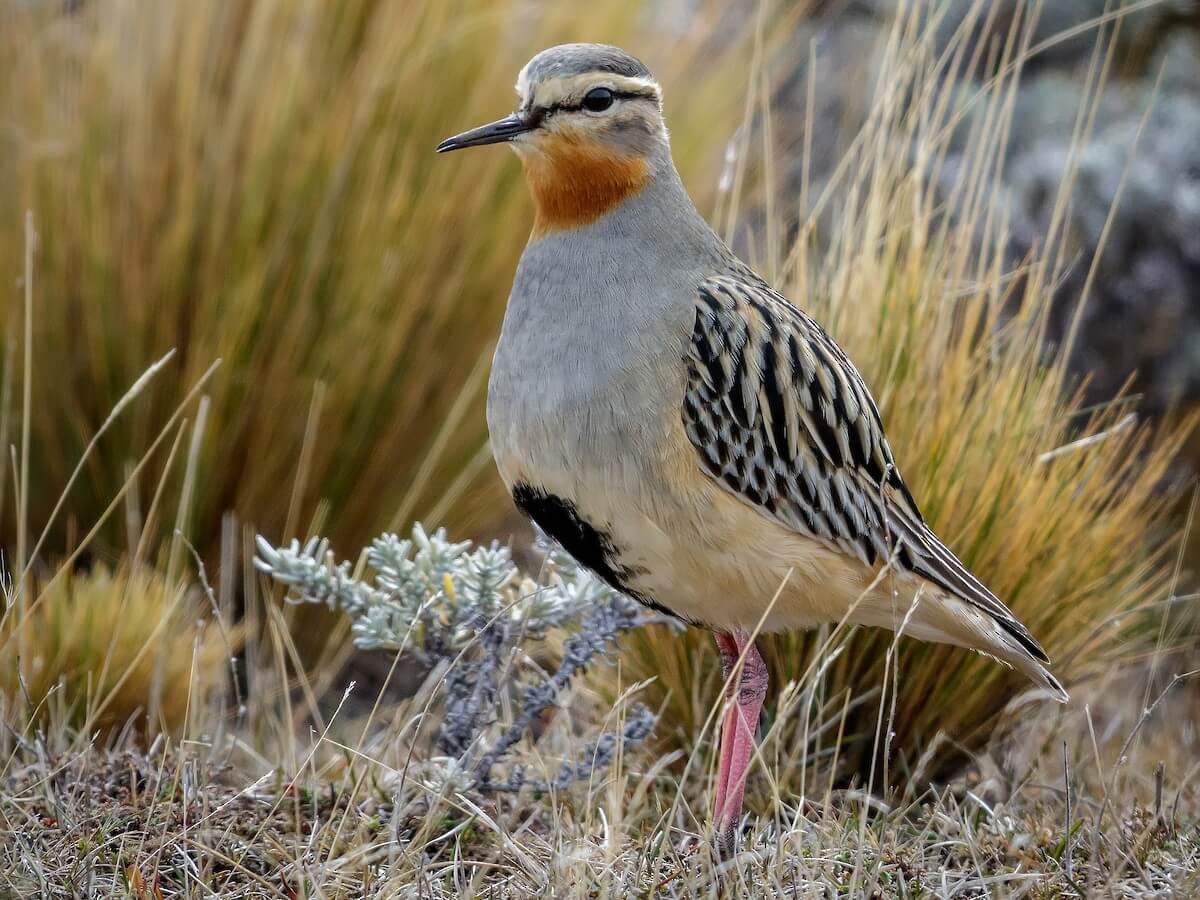
4/19 Tawny-Throated Dotterel Webinar & Donation
4/19 Tawny-Throated Dotterel Webinar & Donation Upcoming Webinar Please join the BBC on April 19 at 7PM for a webinar open to all with Manomet Conservation Sciences staff and collaborators - Actions to Promote the [...]
Conservation Alert – 2026 Horseshoe Crab Quotas
Conservation Alert - 2026 Horseshoe Crab Quotas - UPDATE Red knots feeding amongst spawning horseshoe crabs. The public comment period has been extended to March 6 and a second public hearing will take place on [...]
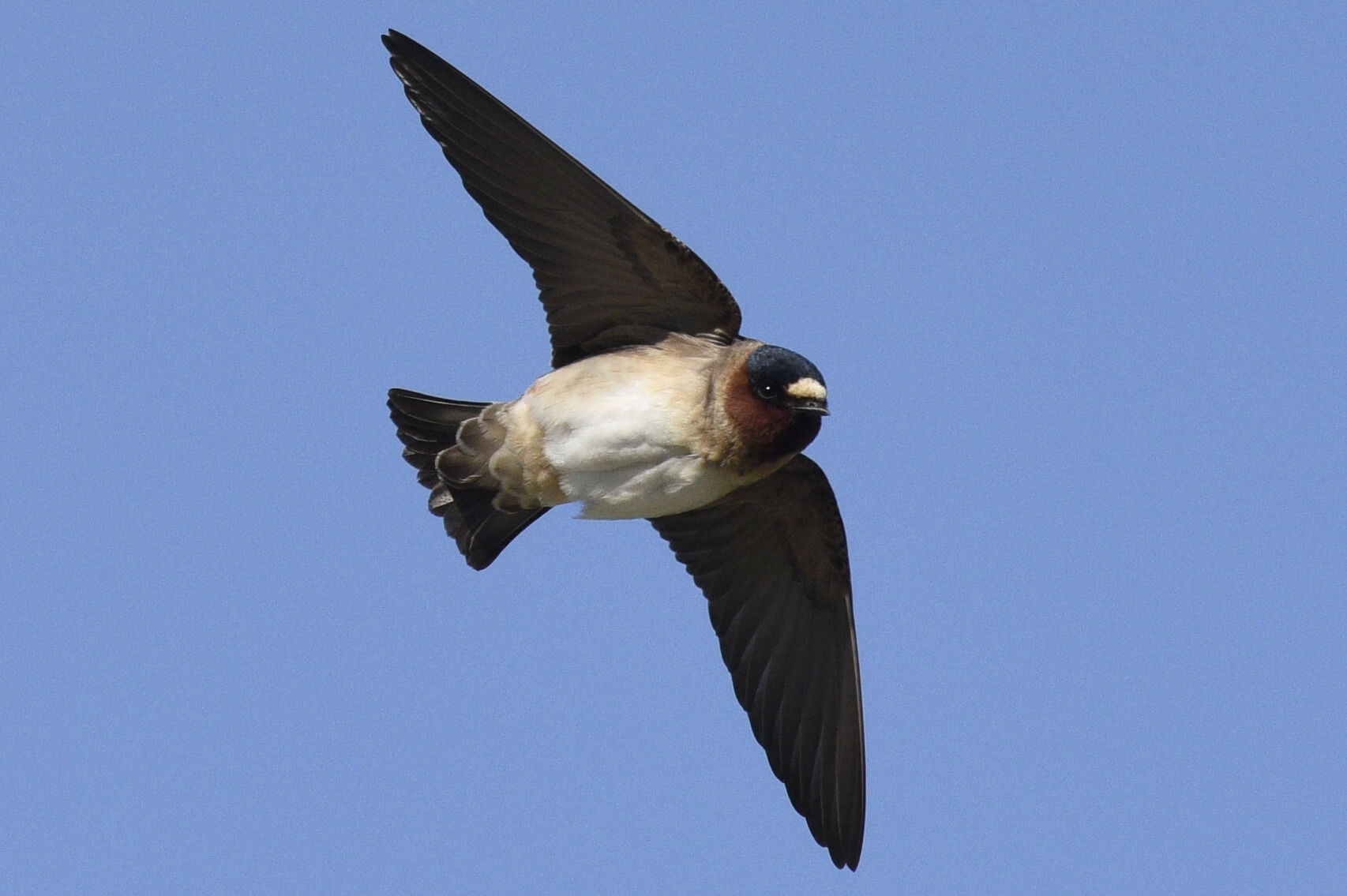
Donation to Preserve Cliff Swallow Colony in Rowe
Donation to Preserve Cliff Swallow Colony in Rowe The BBC is pleased to announce our donation of $500 to Swallow Conservation, led by Mara Silver, to help fund the installation of a free-standing Cliff Swallow [...]
May 5 Webinar – Rescue Wildlife from Rodenticides
May 5 Webinar Open to All with Heather Packard, Mass Audubon - Rescue Wildlife from Rodenticides Please join the BBC on the evening of Tuesday, May 5 from 7PM to 8:30PM for a webinar with [...]
April 28 Webinar – Wood-Warblers of New England
April 28 Webinar with Bill Gette - Wood-Warblers of New England Please join the BBC on the evening of April 28 from 7PM to 8:30PM for a members-only webinar with Bill Gette entitled Wood-Warblers of [...]
April 24 Annual Members Meeting & Lecture – All Welcome
April 24 Annual Members Meeting & Lecture - All Welcome Please join us on April 24 for our Annual Members Meeting. The evening begins with a social hour at 6:30. The program starts at 7:30 [...]
4/19 Tawny-Throated Dotterel Webinar & Donation
4/19 Tawny-Throated Dotterel Webinar & Donation Upcoming Webinar Please join the BBC on April 19 at 7PM for a webinar open to all with Manomet Conservation Sciences staff and collaborators - Actions to Promote the [...]
Conservation Alert – 2026 Horseshoe Crab Quotas
Conservation Alert - 2026 Horseshoe Crab Quotas - UPDATE Red knots feeding amongst spawning horseshoe crabs. The public comment period has been extended to March 6 and a second public hearing will take place on [...]
Donation to Preserve Cliff Swallow Colony in Rowe
Donation to Preserve Cliff Swallow Colony in Rowe The BBC is pleased to announce our donation of $500 to Swallow Conservation, led by Mara Silver, to help fund the installation of a free-standing Cliff Swallow [...]
News Categories
Upcoming Field Trips
Field Trips / Events
-
-
Horn Pond
Woburn - Horn Pond - Sturgis St 98 Sturgis St, Woburn, MA, United StatesHorn Pond is always a great place to bird. We’ll explore the main trails and ponds and the adjacent community garden.
-
Mount Auburn Cemetery, Cambridge
Mount Auburn Cemetery 536 Mt Auburn St, Cambridge, MA, United StatesLate fall is often a time of year for fall lingerers, early winter arrivals, and a surprise or two. Join us for a 2-mile walk around Mount Auburn over rolling terrain. Restrooms available. Cosponsored with Menotomy Bird club.
-
Boston – Franklin Park – Scarboro Pond
Boston - Franklin Park Tennis Courts (Meeting Spot) MA, United StatesHalloween Bird Walk! Costumes welcomed and encouraged. We will look for late fall migrants and new winter arrivals in Franklin Park. Beginners, BIPOC, LGBTQ+, disabled people, kids and families welcomed and encouraged. Expect to walk up to 2 miles on paved paths. Loaner binoculars available. Co-sponsored with the Franklin Park Coalition and Franklin Park Tennis [...]
-
-
Mass. Audubon Boston Nature Center
Mattapan - MAS Boston Nature Center 500 Walk Hill St, Mattapan, MA, United StatesJoin us to observe resident birds and fall migrants in a unique urban habitat that attracts many uncommon and rare species. Birders of all levels will enjoy this walk. The trails are (generally) flat and easy to walk, though there are some rough patches. A water bottle, sunblock, insect repellent, and waterproof clothing including a [...]
-
Fort Phoenix State Reservation
Fairhaven - Fort Phoenix State Reservation End of Green St, Fairhaven, MA, United StatesWe will bird at historic Fort Phoenix, which dates to the Revolutionary War, walking along the hurricane barrier for a view of New Bedford Harbor and Buzzards Bay. Hundreds of Brant, nineteen species of ducks, as well as grebes, loons, and a variety songbirds are commonly seen at this eBird hotspot. Cosponsored with Paskamansett Bird [...]