Brookline Bird Club’s 2024 Trips to the Lake Umbagog, NH Region –
In early June two groups of BBC members had the opportunity to explore the region near Lake Umbagog in northern New Hampshire. We stayed at the Errol Motel in “downtown” Errol, NH. All of our meals were kindly provided by the ladies of the nearby Errol Congregational Church, starting with a turkey dinner on our first evening.
On the first day started with a mid-day meet up in Gorham, NH then we birded our way up Rt. 16 through Berlin and Milan, paralleling the Androscoggin River. This route presented the trip’s best opportunity to find water birds such as Wood Duck and Double Crested Cormorant. A highlight was the colony of Cliff Swallows nesting under the Androscoggin River bridge in Milan. The first group was also treated to a winnowing Snipe in a roadside marsh. The day ended with a talk by Dana Duxbury-Fox about Lake Umbagog and its early ornithological explorer, Willliam Brewster.
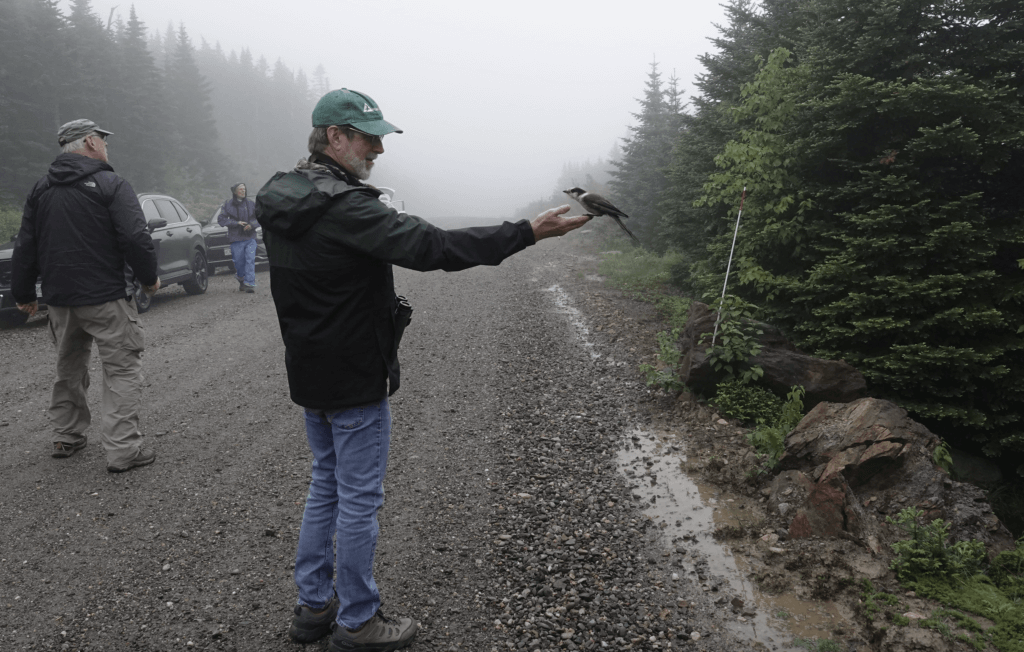
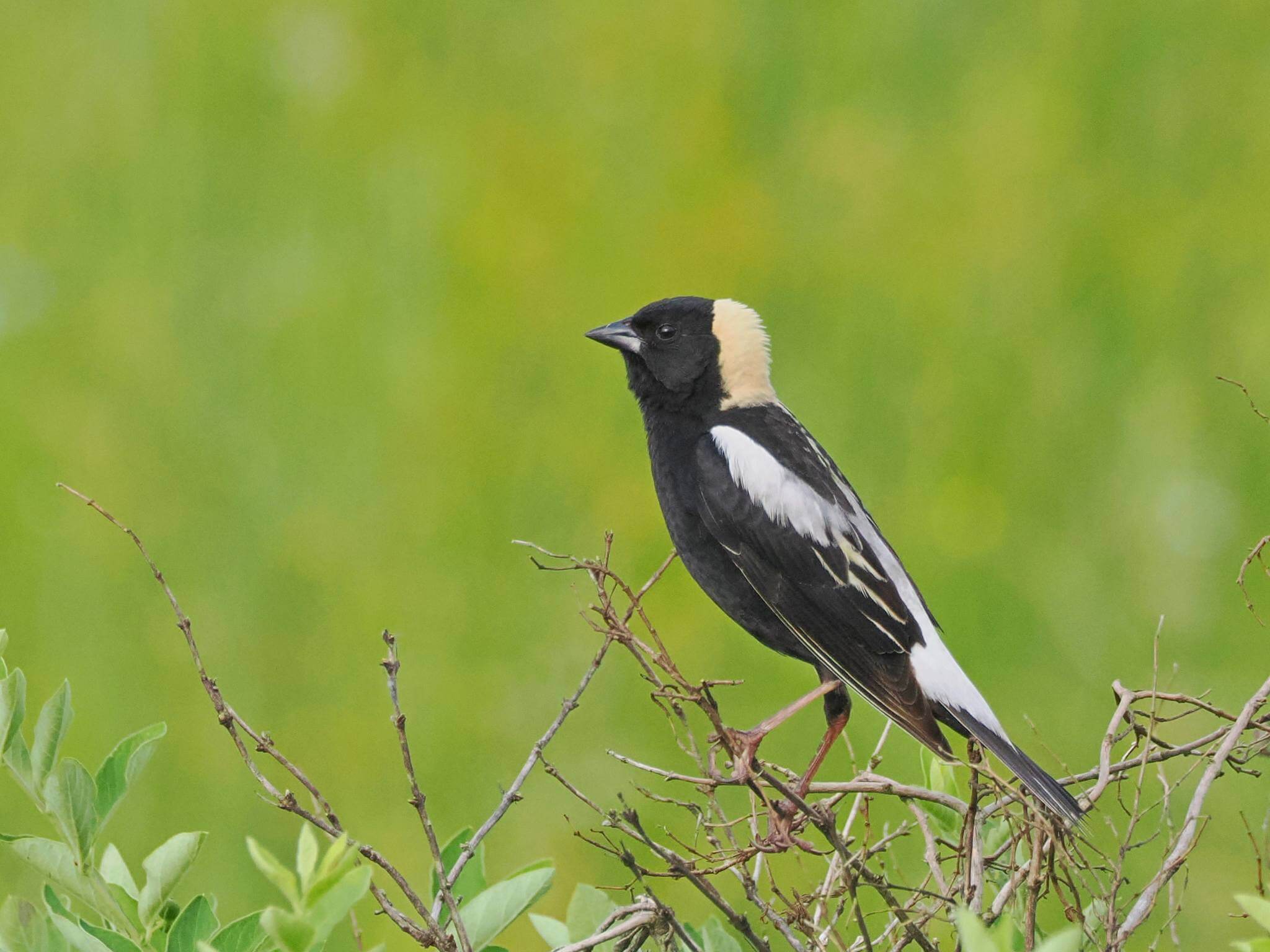
On the morning of the second day the route took us west from Errol to the Dixville Notch Turbine Road, climbing up 2,000 feet to search for boreal species. Both groups experienced weather that felt like a cold, wet early spring day to us southern New Englanders – fog, showers and cool. Bicknell’s Thrush was heard by many but seen by few. Other specialties along the Turbine Road included Lincoln’s Sparrow, Fox Sparrow, Boreal Chickadee, multiple Mourning Warblers, and a family of Canada Jays. Lunch at Dixville State Park, a visit to the geologically interesting Dixville Flume, and a drive through the notch and by the Balsams Resort followed. The afternoon was given over to exploring the rich agricultural grasslands around Colebrook, NH. This area is known for breeding Bobolinks, Kestrels, and Harrier. The first group lucked upon an American Bittern in a roadside pond.
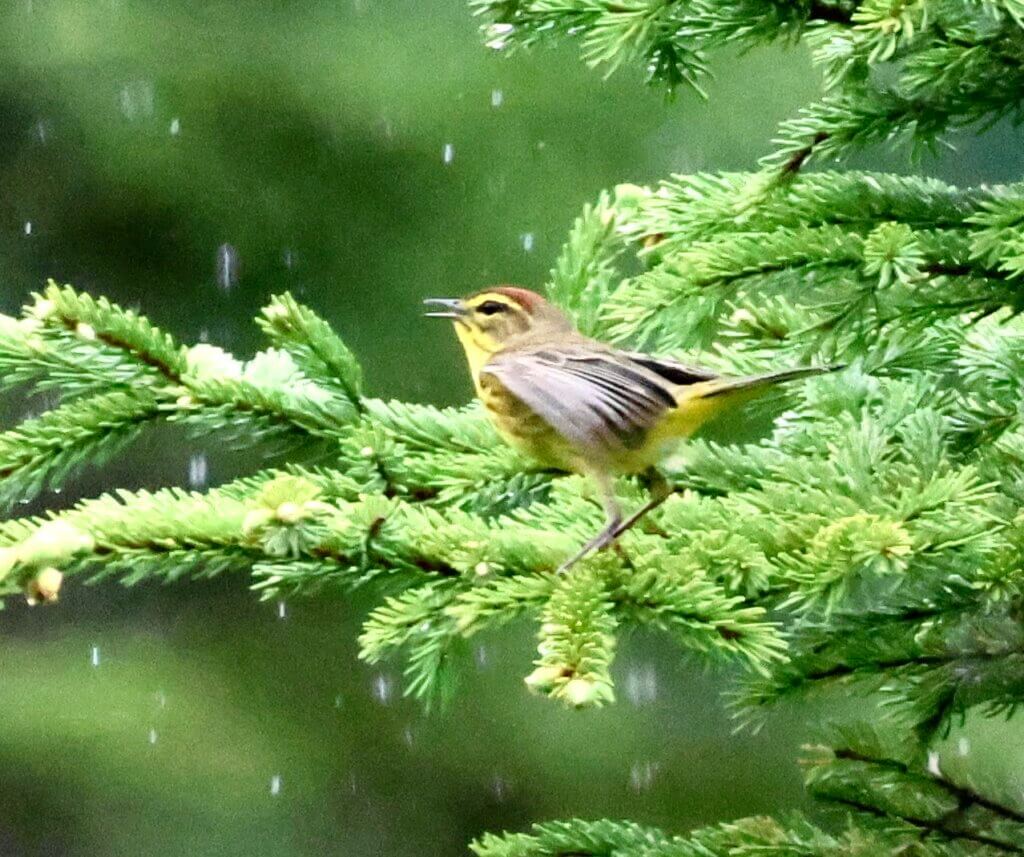
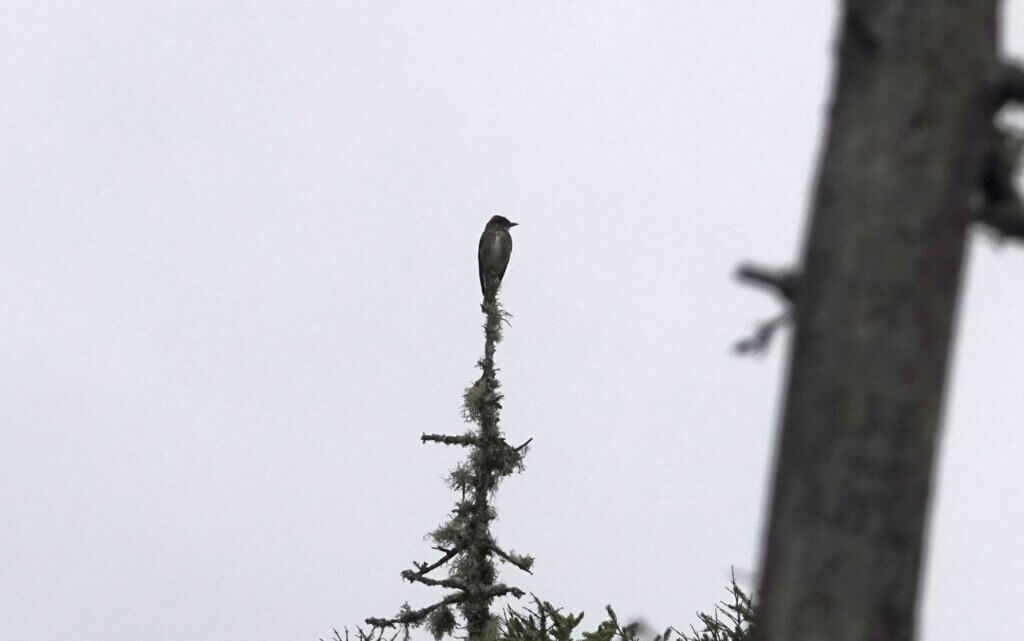
The third day included a visit to Mollidgewock Road off Rt. 26 southeast of Errol. Bogs along this dirt and gravel road yielded multiple Yellow-bellied Flycatchers and Palm Warblers. The next stop was a visit the Lake Umbagog dam up Rt. 16 east of Errol where we found Blackburnian Warblers singing in the parking lot. The itinerary then continued to a roadside bog with Palm Warblers and Olive-sided Flycatcher further up Rt. 16. Our final location was the Dartmouth Second College Grant property where we found Eastern Bluebirds in a roadside field.
A total of 99 species were seen by the two groups combined, including 19 species of warbler. Dragonflies and butterflies were scarce due to the weather, but geology and plants were fully explored!
Ebird trip report for the first group: https://ebird.org/tripreport/250621
April 24 Annual Members Meeting & Lecture – All Welcome
April 24 Annual Members Meeting & Lecture - All Welcome Please join us on April 24 for our Annual Members Meeting. The evening begins with a social hour at 6:30. The program starts at 7:30
We Need Your Help – Open Board & Volunteer Positions
We Need Your Help - Open Board & Volunteer Positions The BBC holds its annual board elections at the Annual meeting of the club planned for April 24. in April. We are looking for members
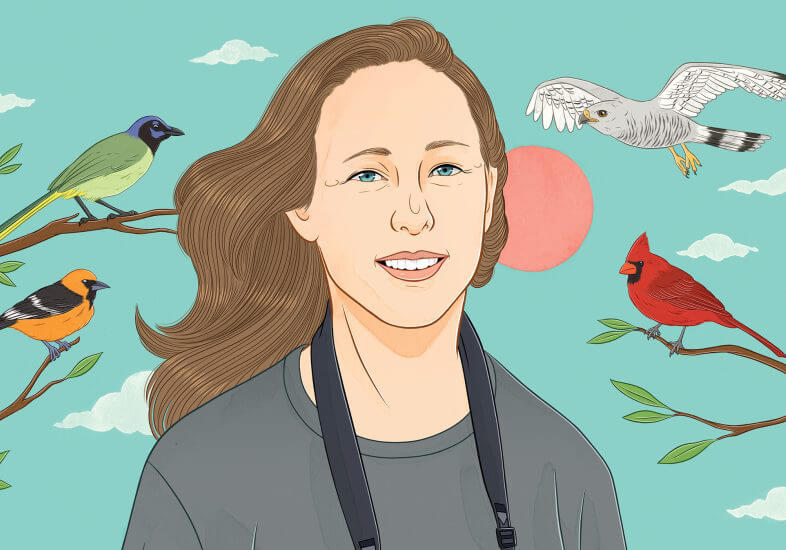
March 24 Webinar with Tiffany Kersten – Birdie Big Year: Elevating Women Birders
March 24 Webinar with Tiffany Kersten - Birdie Big Year: Elevating Women Birders Please join the BBC on the evening of March 24 from 7PM to 8:30PM for a members only webinar with Tiffany Kersten,
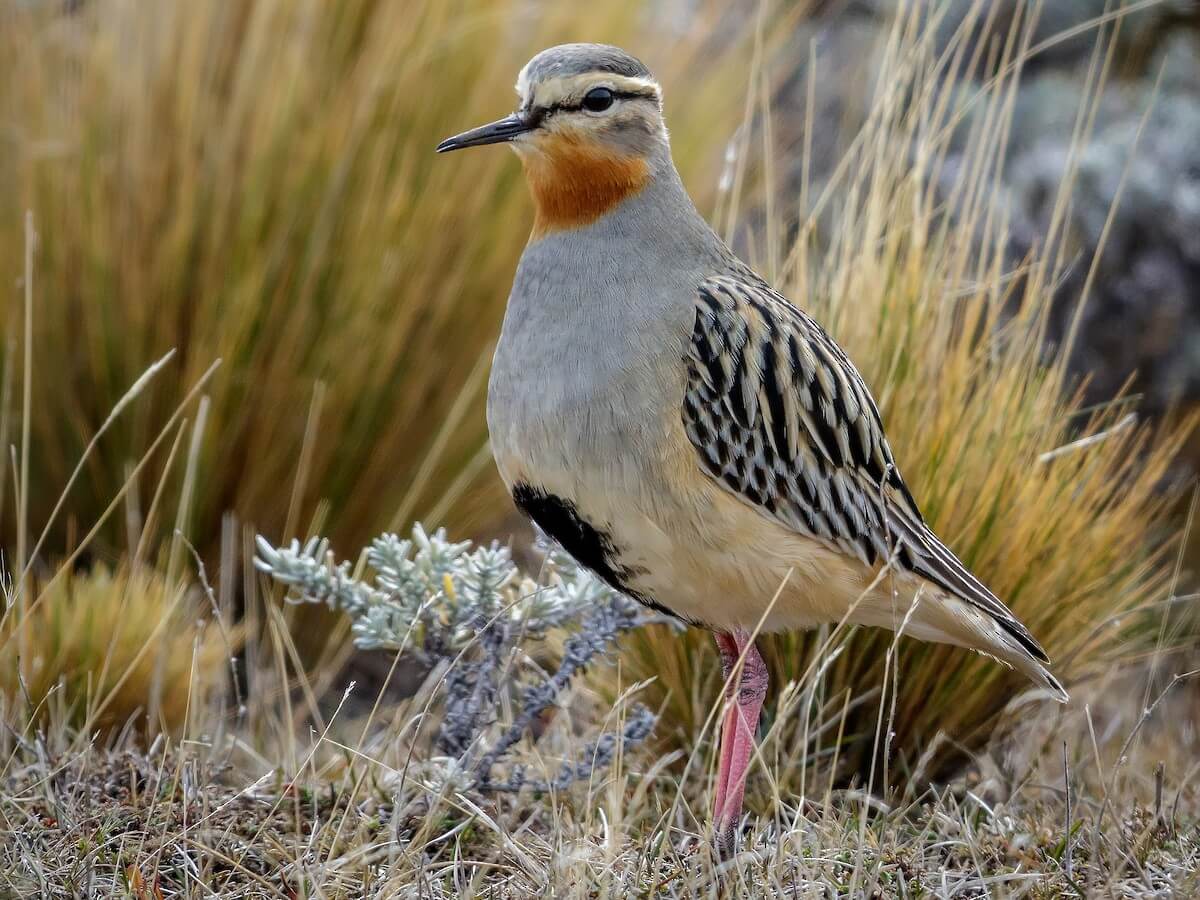
Tawny-Throated Dotterel Follow Up & 4/19 Webinar
Tawny-Throated Dotterel Follow Up & 4/19 Webinar This winter the BBC teamed up with Manomet Conservation Sciences to support research on the Tawny-Throated Dotterel in Peru. A team of scientists there sought optical equipment to
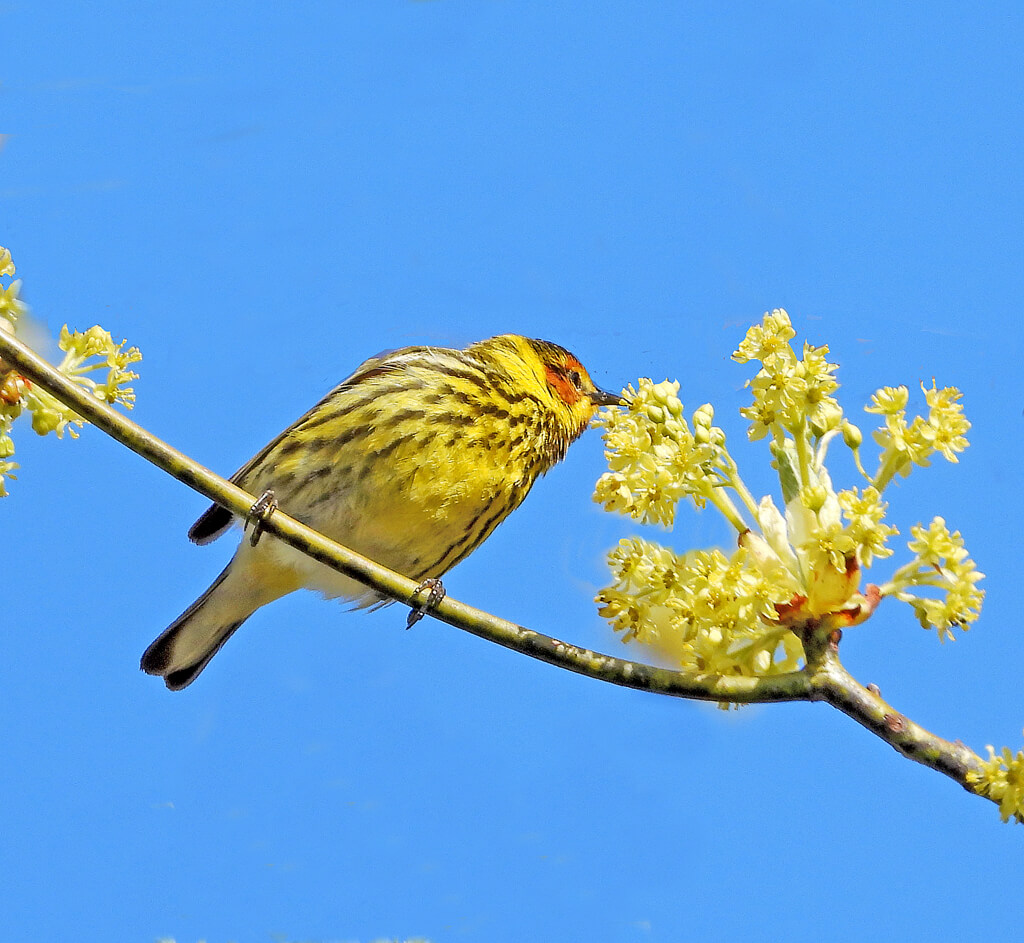
April 28 Webinar – Wood-Warblers of New England
April 28 Webinar with Bill Gette - Wood-Warblers of New England Please join the BBC on the evening of April 28 from 7PM to 8:30PM for a members-only webinar with Bill Gette entitled Wood-Warblers of
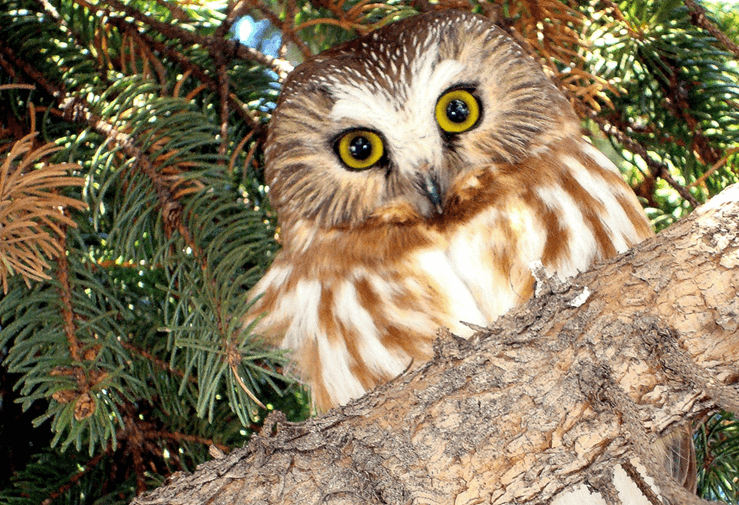
May 5 Webinar – Rescue Wildlife from Rodenticides
May 5 Webinar Open to All with Heather Packard, Mass Audubon - Rescue Wildlife from Rodenticides Please join the BBC on the evening of Tuesday, May 5 from 7PM to 8:30PM for a webinar with
April 24 Annual Members Meeting & Lecture – All Welcome
April 24 Annual Members Meeting & Lecture - All Welcome Please join us on April 24 for our Annual Members Meeting. The evening begins with a social hour at 6:30. The program starts at 7:30
We Need Your Help – Open Board & Volunteer Positions
We Need Your Help - Open Board & Volunteer Positions The BBC holds its annual board elections at the Annual meeting of the club planned for April 24. in April. We are looking for members
March 24 Webinar with Tiffany Kersten – Birdie Big Year: Elevating Women Birders
March 24 Webinar with Tiffany Kersten - Birdie Big Year: Elevating Women Birders Please join the BBC on the evening of March 24 from 7PM to 8:30PM for a members only webinar with Tiffany Kersten,
Tawny-Throated Dotterel Follow Up & 4/19 Webinar
Tawny-Throated Dotterel Follow Up & 4/19 Webinar This winter the BBC teamed up with Manomet Conservation Sciences to support research on the Tawny-Throated Dotterel in Peru. A team of scientists there sought optical equipment to
April 28 Webinar – Wood-Warblers of New England
April 28 Webinar with Bill Gette - Wood-Warblers of New England Please join the BBC on the evening of April 28 from 7PM to 8:30PM for a members-only webinar with Bill Gette entitled Wood-Warblers of
May 5 Webinar – Rescue Wildlife from Rodenticides
May 5 Webinar Open to All with Heather Packard, Mass Audubon - Rescue Wildlife from Rodenticides Please join the BBC on the evening of Tuesday, May 5 from 7PM to 8:30PM for a webinar with
April 24 Annual Members Meeting & Lecture – All Welcome
April 24 Annual Members Meeting & Lecture - All Welcome Please join us on April 24 for our Annual Members Meeting. The evening begins with a social hour at 6:30. The program starts at 7:30
We Need Your Help – Open Board & Volunteer Positions
We Need Your Help - Open Board & Volunteer Positions The BBC holds its annual board elections at the Annual meeting of the club planned for April 24. in April. We are looking for members
March 24 Webinar with Tiffany Kersten – Birdie Big Year: Elevating Women Birders
March 24 Webinar with Tiffany Kersten - Birdie Big Year: Elevating Women Birders Please join the BBC on the evening of March 24 from 7PM to 8:30PM for a members only webinar with Tiffany Kersten,
Tawny-Throated Dotterel Follow Up & 4/19 Webinar
Tawny-Throated Dotterel Follow Up & 4/19 Webinar This winter the BBC teamed up with Manomet Conservation Sciences to support research on the Tawny-Throated Dotterel in Peru. A team of scientists there sought optical equipment to
April 28 Webinar – Wood-Warblers of New England
April 28 Webinar with Bill Gette - Wood-Warblers of New England Please join the BBC on the evening of April 28 from 7PM to 8:30PM for a members-only webinar with Bill Gette entitled Wood-Warblers of
May 5 Webinar – Rescue Wildlife from Rodenticides
May 5 Webinar Open to All with Heather Packard, Mass Audubon - Rescue Wildlife from Rodenticides Please join the BBC on the evening of Tuesday, May 5 from 7PM to 8:30PM for a webinar with
News Categories
Upcoming Field Trips
Field Trips / Events
-
-
Vernal Equinox Walk. Leader’s Choice
Leader's ChoiceThe trip leader will monitor recent sightings prior to meeting and select the birdiest spots. Contact leader for details. Call or e-mail no later than 7 PM on March 20.
-
Arlington Reservoir
Lexington - Arlington Reservoir 210 Lowell Street, Arlington, MA, United StatesVisit Arlington Reservoir and the adjacent Lexington Community Farm to search for late winter lingerers and early migrants. Cosponsored with Menotomy Bird club.
-
Mass. Audubon Boston Nature Center
Mattapan - MAS Boston Nature Center 500 Walk Hill St, Mattapan, MA, United StatesJoin us to observe resident birds and early spring migrants in a unique urban habitat that is a favorite for many bird species, including uncommon and rare birds. Birders of all levels will enjoy this walk. The trails are flat and easy to walk. Be sure to wear a hat, waterproof footwear, and bring water.
-
Mt Auburn Cemetery
Mount Auburn Cemetery 536 Mt Auburn St, Cambridge, MA, United StatesMount Auburn Cemetery is lovely in all seasons. In late March, we may see the very earliest migrants from the south (Red-winged Blackbird, others) as well as the remaining seasonal visitors from the north (e.g. White-throated Sparrow, Dark-eyed Junco). And our usual year-round resident species will have just started to sing!
-
Members Webinar with Tiffany Kirsten – Birdie Big Year: Elevating Women Birders
DUE TO UNFORESEEN CIRCUMSTANCES THIS WEBINAR HAS BEEN RESCHEDULED FROM MARCH 10 TO MARCH 24. IF YOU PREVIOUSLY SIGNED UP, YOUR REGISTRATION AND ZOOM LINK WILL STILL WORK FOR THE MARCH 24 DATE. Please join the BBC on the evening of March 24 from 7PM to 8:30PM for a member only webinar with Tiffany Kirsten,