U.S. Fish and Wildlife Service is now proposing a permanent rule change to the Migratory Bird Hunting and Conservation Stamp Contest (known as the Duck Stamp) that would make the theme “Celebrating Our Waterfowl Hunting Heritage” and the mandatory inclusion of an appropriate hunting element permanent, beginning with the 2020 Contest.
The Brookline Bird Club has long asked birders to support the National Wildlife Refuge System through their purchase of the Migratory Bird Hunting and Conservation Stamp Contest (known as the Duck Stamp).
We urge each of you to comment. The Brookline Bird Club opposes this proposal.
The comment period ends March 16.
We believe that increasing sales of the Stamp and strengthening the Duck Stamp program should be the top objectives when considering any change. This proposed change discourages sales to new purchasers outside the hunting community. Fewer sales lead to less land preservation and protection of habitat. The Duck Stamp program needs to be strengthened and to focus on creating common ground for support for the future of American wildlife.
From Parker River to Monomoy to Silvio O. Conte, birders value the National Wildlife Refuges in Massachusetts. In Massachusetts alone, 15,290 acres have been acquired through MBCF funds, including 97.8 percent of Monomoy NWR and 97.7 percent of Parker River NWR (https://www.fws.gov/refuges/realty/pdf/MBCFAcres2015.pdf). Through club trips and individual visits, we explore these lands year after year. We volunteer and serve on the boards of local Friends groups. These lands are central to our birding experiences and are treasured by our community.
Sales of the Stamp have generated more than a billion dollars for conservation since 1934. For every dollar you spend on Stamps, ninety-eight cents goes directly to protecting vital wetland habitat as part of the National Wildlife Refuge System. Your Stamp will also provide admission to refuges charging entrance fees, such as Parker River. With our large membership, purchasing a $25 Stamp can make a significant contribution to the continued protection of these important habitats.
For more information, go to www.friendsofthestamp.org
For a more detailed Action Alert, click here.
In order to comment, go to https://tinyurl.com/duck-stamp-rules-change.
We urge you to comment on this proposed change.
April 24 Annual Members Meeting & Lecture – All Welcome
April 24 Annual Members Meeting & Lecture - All Welcome Please join us on April 24 for our Annual Members Meeting. The evening begins with a social hour at 6:30. The program starts at 7:30
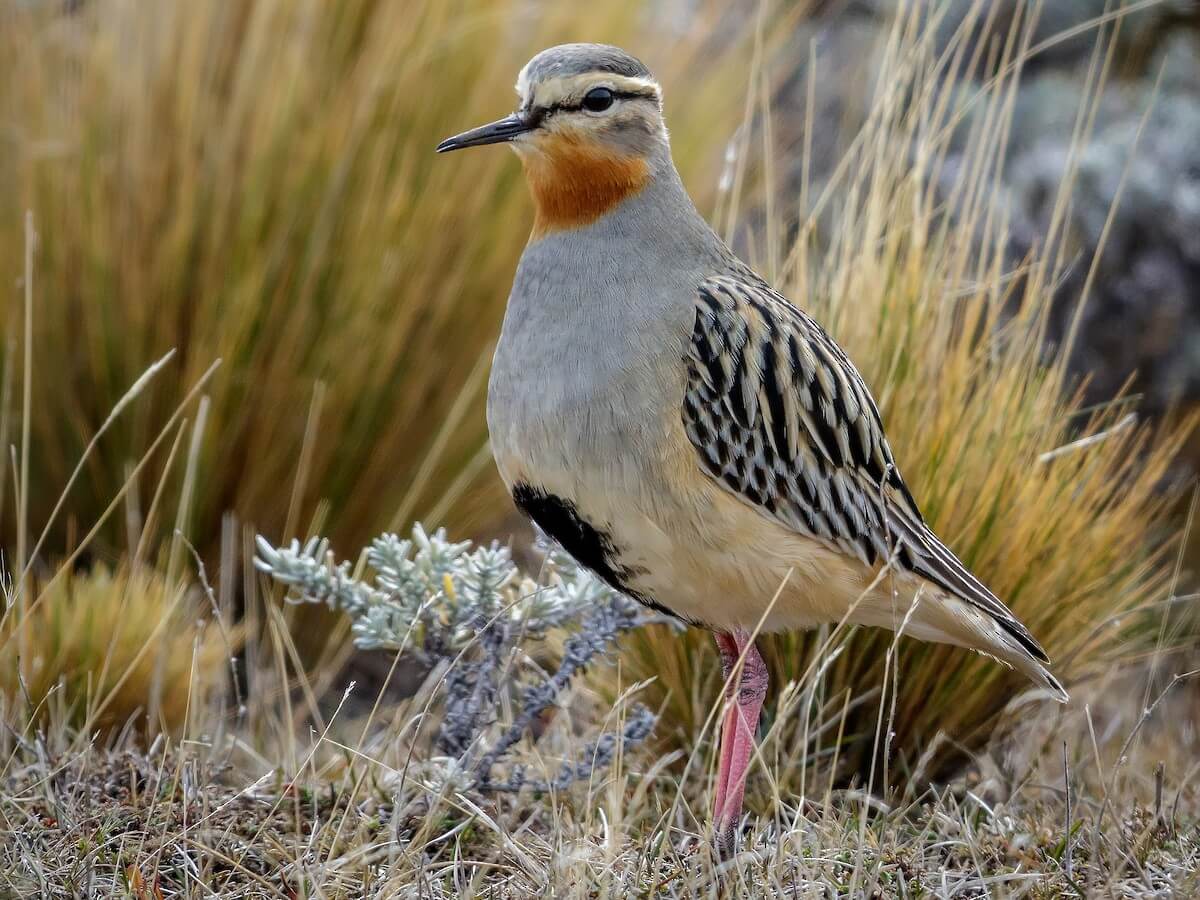
4/19 Tawny-Throated Dotterel Webinar & Donation
4/19 Tawny-Throated Dotterel Webinar & Donation Upcoming Webinar Please join the BBC on April 19 at 7PM for a webinar open to all with Manomet Conservation Sciences staff and collaborators - Actions to Promote the
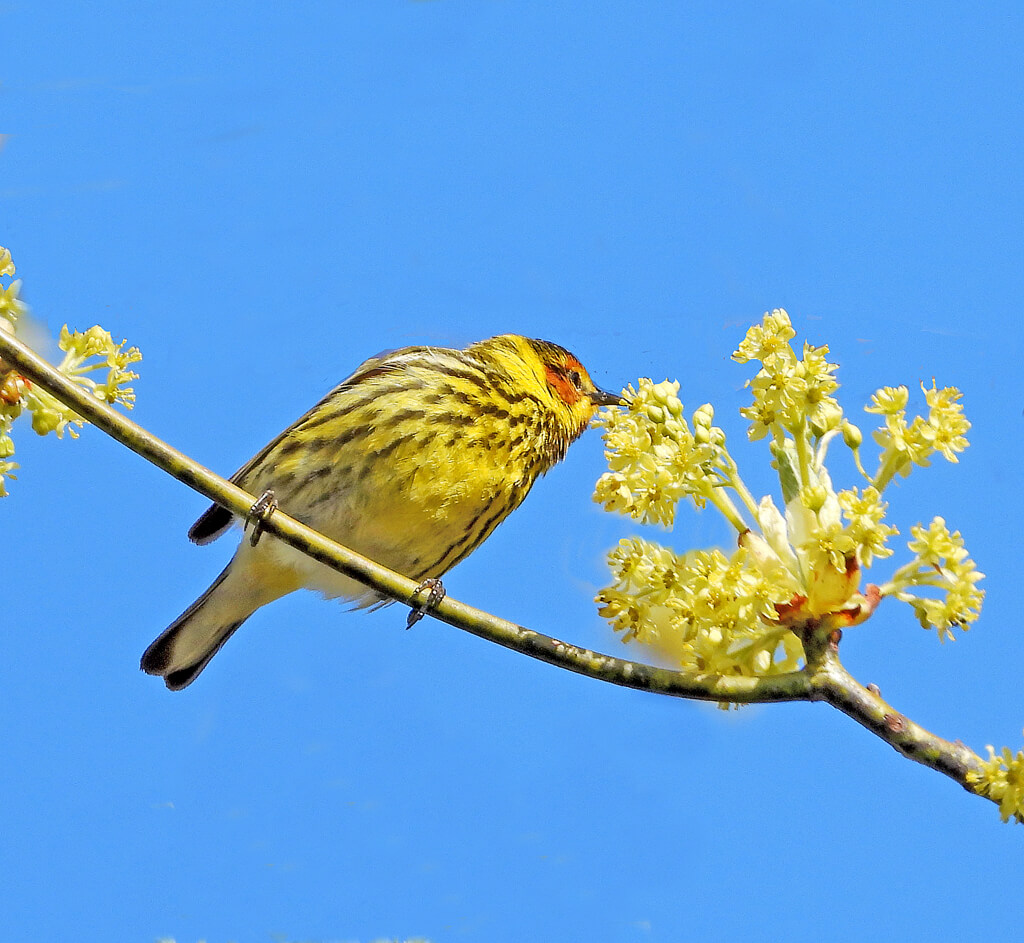
April 28 Webinar – Wood-Warblers of New England
April 28 Webinar with Bill Gette - Wood-Warblers of New England Please join the BBC on the evening of April 28 from 7PM to 8:30PM for a members-only webinar with Bill Gette entitled Wood-Warblers of
May 5 Webinar – Rescue Wildlife from Rodenticides
May 5 Webinar Open to All with Heather Packard, Mass Audubon - Rescue Wildlife from Rodenticides Please join the BBC on the evening of Tuesday, May 5 from 7PM to 8:30PM for a webinar with
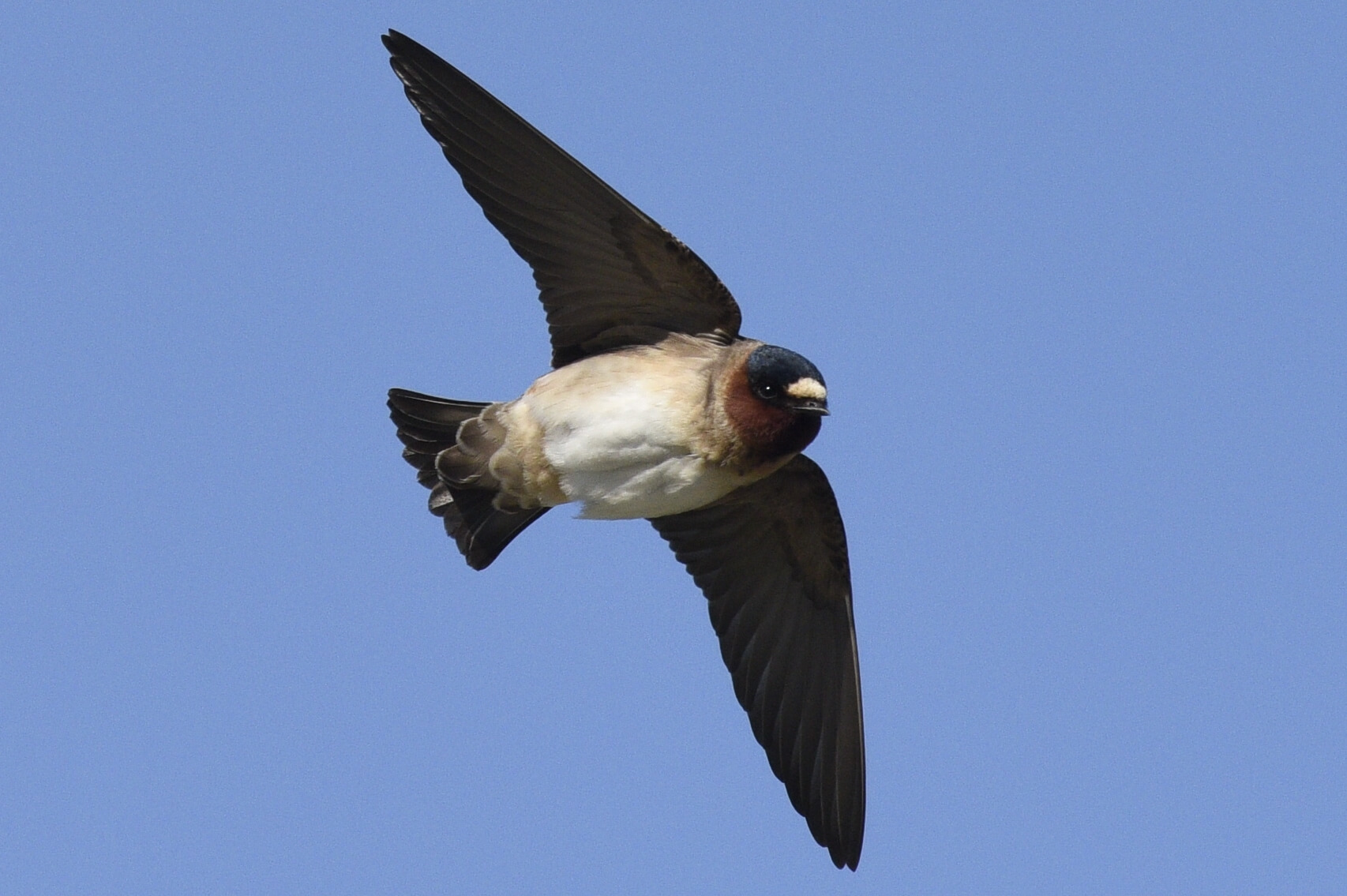
Donation to Preserve Cliff Swallow Colony in Rowe
Donation to Preserve Cliff Swallow Colony in Rowe The BBC is pleased to announce our donation of $500 to Swallow Conservation, led by Mara Silver, to help fund the installation of a free-standing Cliff Swallow
2026 BBC Teen Birder Scholarship Awards
2026 BBC Teen Birder Scholarship Awards The Conservation and Education Committee is pleased to announce our two annual Bill Drummond Young Birder Scholarship recipients, Lily Rogers of Brimfield and Gwyn Robertson-DuBois of Northfield. These scholarships
April 24 Annual Members Meeting & Lecture – All Welcome
April 24 Annual Members Meeting & Lecture - All Welcome Please join us on April 24 for our Annual Members Meeting. The evening begins with a social hour at 6:30. The program starts at 7:30
4/19 Tawny-Throated Dotterel Webinar & Donation
4/19 Tawny-Throated Dotterel Webinar & Donation Upcoming Webinar Please join the BBC on April 19 at 7PM for a webinar open to all with Manomet Conservation Sciences staff and collaborators - Actions to Promote the
April 28 Webinar – Wood-Warblers of New England
April 28 Webinar with Bill Gette - Wood-Warblers of New England Please join the BBC on the evening of April 28 from 7PM to 8:30PM for a members-only webinar with Bill Gette entitled Wood-Warblers of
May 5 Webinar – Rescue Wildlife from Rodenticides
May 5 Webinar Open to All with Heather Packard, Mass Audubon - Rescue Wildlife from Rodenticides Please join the BBC on the evening of Tuesday, May 5 from 7PM to 8:30PM for a webinar with
Donation to Preserve Cliff Swallow Colony in Rowe
Donation to Preserve Cliff Swallow Colony in Rowe The BBC is pleased to announce our donation of $500 to Swallow Conservation, led by Mara Silver, to help fund the installation of a free-standing Cliff Swallow
2026 BBC Teen Birder Scholarship Awards
2026 BBC Teen Birder Scholarship Awards The Conservation and Education Committee is pleased to announce our two annual Bill Drummond Young Birder Scholarship recipients, Lily Rogers of Brimfield and Gwyn Robertson-DuBois of Northfield. These scholarships
April 24 Annual Members Meeting & Lecture – All Welcome
April 24 Annual Members Meeting & Lecture - All Welcome Please join us on April 24 for our Annual Members Meeting. The evening begins with a social hour at 6:30. The program starts at 7:30
4/19 Tawny-Throated Dotterel Webinar & Donation
4/19 Tawny-Throated Dotterel Webinar & Donation Upcoming Webinar Please join the BBC on April 19 at 7PM for a webinar open to all with Manomet Conservation Sciences staff and collaborators - Actions to Promote the
April 28 Webinar – Wood-Warblers of New England
April 28 Webinar with Bill Gette - Wood-Warblers of New England Please join the BBC on the evening of April 28 from 7PM to 8:30PM for a members-only webinar with Bill Gette entitled Wood-Warblers of
May 5 Webinar – Rescue Wildlife from Rodenticides
May 5 Webinar Open to All with Heather Packard, Mass Audubon - Rescue Wildlife from Rodenticides Please join the BBC on the evening of Tuesday, May 5 from 7PM to 8:30PM for a webinar with
Donation to Preserve Cliff Swallow Colony in Rowe
Donation to Preserve Cliff Swallow Colony in Rowe The BBC is pleased to announce our donation of $500 to Swallow Conservation, led by Mara Silver, to help fund the installation of a free-standing Cliff Swallow
2026 BBC Teen Birder Scholarship Awards
2026 BBC Teen Birder Scholarship Awards The Conservation and Education Committee is pleased to announce our two annual Bill Drummond Young Birder Scholarship recipients, Lily Rogers of Brimfield and Gwyn Robertson-DuBois of Northfield. These scholarships
News Categories
Upcoming Field Trips
Field Trips / Events
-
-
Great Meadows National Wildlife Refuge, Concord
Concord - Great Meadows Concord Unit, Entrance Rd, Concord, MA, United StatesWe will look for early migrants, waterfowl, and waders. Conditions may be wet; boots advised. Note that an entrance fee or pass is required.
-
Fruitlands Museum, Harvard
Harvard - Fruitlands Museum 102 Prospect Hill Rd., Harvard, MA, United StatesCosponsored with Boxborough Birders. We will look for local avian non-migratory species and early migrant arrivals. Expect to walk about two miles on trails through meadows and woods, with some steep sections. Prepare for ticks. We will bird at the meeting location for about 30 minutes so any latecomers can catch up.
-
Westborough WMA in Two Parts
Northborough - Watson Park, Bartlett Pond 35A Lyman St, Northborough, MA, United StatesPart 1: 7 AM -10 AM / Part 2: 10:30 AM -1:00 PM. We will hike at a slow pace through mild moderate trails in search of sparrows and other migrants. For the first part we will hike the Eastern trails between Lake Chauncy and Little Chauncy(about 3 miles). Then we will again meet at
-
Belle Isle Marsh and Vicinity
East Boston - Belle Isle Parking Lot 1399 Bennington Street, Boston, MA, United StatesLed by DCR staff. We will search on foot up to one mile on flat, easy terrain, for migrating or resident songbirds, raptors, shorebirds, and marsh birds at this birding hotspot and state park. This is a traveling program by car or bike. Prepare for ticks and mosquitoes. Ages: Adults and kids 8 years+ with
-
Millennium Park
Boston - Millennium Park Canoe Launch 300 Gardner Street, Boston, MA, United StatesJoin us to observe resident birds and spring migrants in a unique urban habitat that is a favorite for many bird species, including uncommon and rare flycatchers, swallows & warblers. Birders of all levels welcome. The trails are generally flat and easy to walk, with some rough patches. A water bottle, sunblock, insect repellent, waterproof