2025 BBC Teen Birder Scholarship Awards

2025 BBC Teen Birder Scholarship Awards

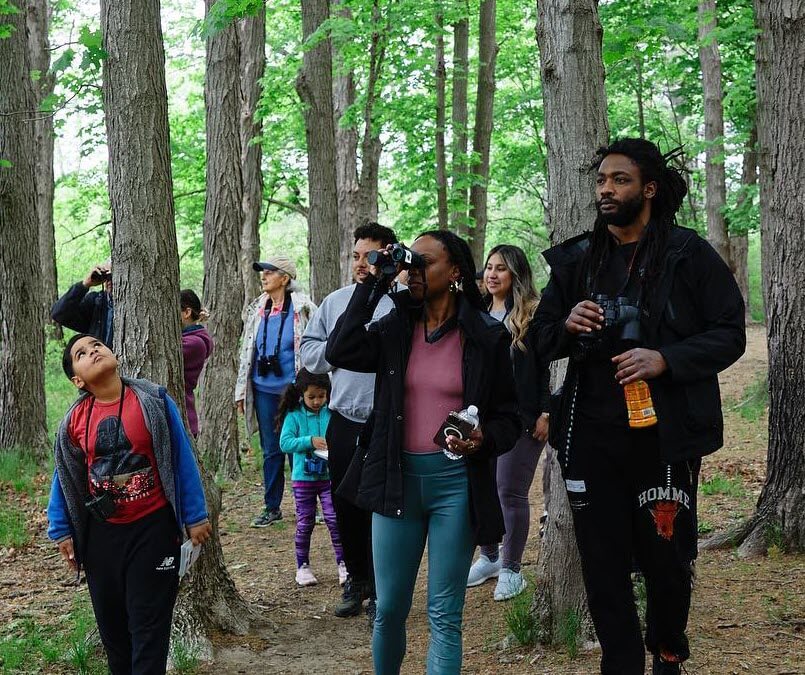
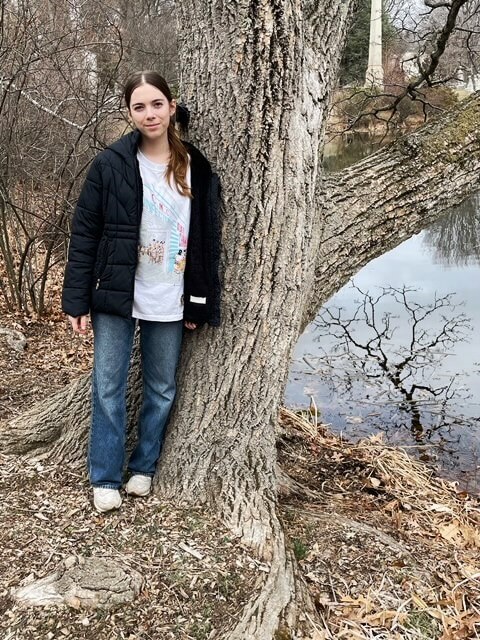
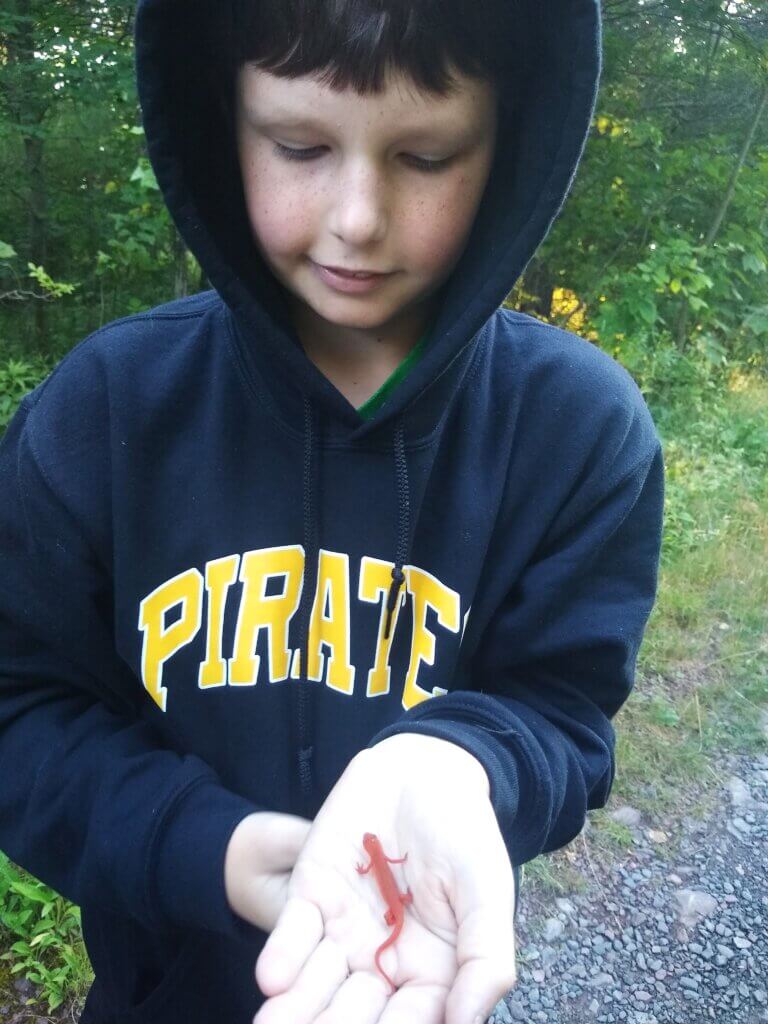
The BBC Conservation and Education Committee is pleased to announce our two annual Bill Drummond Young Birder Scholarship recipients, Sydney Beard of Cambridge and Jonas Johnson of Canaan, CT. These scholarships cover the full cost ($1725) of the Coastal Maine Bird Studies for Teens program at National Audubon’s Hog Island camp. We thank all the applicants for their interest.

Sydney developed her interest in nature through Scouting America, with whom she has gone birding and camping in all seasons. In addition to attending Mass Audubon summer camps, she has volunteered at MAS’s Belmont Habitat and hopes to continue her explorations to learn more about bird conservation, coastal ecology, and marine biotechnology. Jonas became fascinated with birds with growing up in Zimbabwe. He has been involved in student science programs studying seabirds and marine biodiversity while acting as a volunteer at the Sharon Audubon Center in Connecticut. He has an abiding interest in bird conservation, especially as it relates to climate change. Congratulations, Sydney and Jonas!

Scholarships are supported through the generous donations of club members. To donate, you can designate an amount on the “BBC Young Birder Scholarship” line on the back page of the club bulletin when you renew membership, or donate online by clicking the Donate link on the BBC home page and entering an amount in the box for “Young Birder Scholarship.”
2025 BBC Teen Birder Scholarship Awards2025-04-21T16:38:46-04:00

US Fish & Wildlife Service Major Staff Cuts

According to the National Wildlife Refuge Association, “The intentional dismantling of science and conservation is happening now. Hundreds of dedicated U. S. Fish and Wildlife Services employees—many of them biologists—have been fired, gutting an already underfunded and understaffed National Wildlife Refuge System. Without them, habitats will degrade, endangered species will go unmonitored, and communities will lose vital recreation and economic benefits. This is a crisis.”

Call on Congress to reverse course and restore these critical positions. Congressional switchboard: 202-225-3121. Senate switchboard: 202-224-3121.

On February 14, 420 people were suddenly fired yesterday from the Fish and Wildlife Service, including National Wildlife Refuge System staff members. Other Department of Interior employees were cut, including 3,400 from the Forest Service, 1,000 from the National Park Service and 800 from the Bureau of Land Management. As you may have learned, other government departments have also suffered cuts.

Hard hit is the National Wildlife Refuge System. Before the recent cuts, only 2,353 employees managed 90 million acres of land and 760 marine areas. The new staffing level is a 31% decrease from FY2010.

These cuts will result in a loss of habitat management, cuts to law enforcement, and may lead to closed refuges. Work with endangered species, required by law, will be impacted.

Our local National Wildlife Refuges include Parker River National Wildlife Refuge, as well as the refuges of the Eastern Massachusetts National Wildlife Refuge Complex (Great Meadows, Assabet River, Oxbow, Nantucket, Monomoy, Mashpee, Massasoit, and Nomans Land Island). The Silvio Conte National Wildlife Refuge includes properties throughout the Connecticut River valley, including Fannie Stebbins and the Ft. River Division. Many of these are places well known and well regarded by BBC members.

These personnel cuts will lead to loss of habitat management, cuts to law enforcement, and may lead to closed refuges. Work with endangered species, required by law, will be impacted. Collaboration with states and non-profits will be limited. Cuts to everything outside of core biological mandates should be expected, including visitor services. Refuge lands may be closed. We are likely to see marine monuments downsized, and moves made to privatize or sell public lands.

Conservation is a bipartisan issue!

Now is CRITICAL – this is the time when we have to speak up for our public lands. If we who know and love these places do not step up, even more irreparable damage may take place.

MAKE THAT CALL! Urge your representatives to oppose cuts to the National Wildlife Refuge System and other parts of the Department of Interior supporting public lands. Every call counts.

THANK YOU for taking action!

What you can do:

  • Call on Congress to reverse course and restore these critical positions. Congressional switchboard: 202-225-3121. Senate switchboard: 202-224-3121.
  • Sign on to the Action Alert at Refuge System Employees — The National Wildlife Refuge Association.
  • Urge your local media outlets to cover this story.
  • Share this story with all your contacts.
  • Support organizations supporting National Wildlife Refuges and other public lands, and fighting these cuts, such as Defenders of Wildlife, and the National Wildlife Refuge Association.

From the American Birding Association’s statement on the job cuts.

“These actions have real world implications for the health and wellbeing of wild birds, particularly those on the brink of extinction. For example, the Department of Interior’s Hawaiian Forest Bird Conservation Keystone Initiative appears at a standstill, just as a critically important project of this initiative—the control of mosquitoes that carry avian malaria—is about to be implemented. The delay puts critically endangered birds, such as the ‘Akikiki, a native honeycreeper found only on Kaua‘i, at immediate risk. Also potentially impacted is the reintroduction plan for another endangered bird, the ‘Alala (or Hawaiian Crow), a small number of which were just months ago released on Maui after a lengthy period being extirpated from the wild.”

“Many other native birds at risk, such as California Condor, “Northern” Spotted Owl, and Greater Sage-Grouse, would be affected negatively as well. And ongoing migratory bird conservation work in North America and beyond, which is inherently dependent on international cooperation, is in jeopardy.”

US Fish & Wildlife Service Major Staff Cuts2025-04-28T20:05:48-04:00

2024 Annual Report

The Brookline Bird Club (BBC) recorded 283 species for 2024, with 274 species in Massachusetts (four more than 2023), and nine additional species reported from New Hampshire and Maine.  This total was based upon 262 trips for which checklists were reported, the highest number in the history of the club, as well as the out-of-state overnight trips.  

The two August pelagic trips visited Hydrographer, Dogbody and Welker Canyons and found a remarkable variety of marine life. This included four species of whales, three species of dolphins, three species of sharks, ocean sunfish and leatherback turtle. One trip even managed to collect a baby sailfish from the sargassum. Bird highlights included White-faced, Band-rumped and Leach’s Storm-Petrels, South Polar Skua, Long-tailed and Pomarine Jaegers, Black-capped Petrel and migrating Red and Red-necked Phalaropes.

Other highlights in Massachusetts included: Dovekie and Common Murre (Race Point, January 1), Western Kingbird (Salt Pond, Eastham, January 1), Long-eared and Short-eared Owls (Newburyport/Salisbury, January 1), Prothonotary Warbler (Mt Auburn, May 1), Northern Goshawk (Westboro WMA, May 6), Chuck-will’s Widow (Charles River Esplanade, May 15), Caspian Tern (Plumbush Marshes, September 11), Scissor-tailed Flycatcher (Ipswich River Audubon, November 16), and Spotted Towhee (Provincetown Airport, November 30).

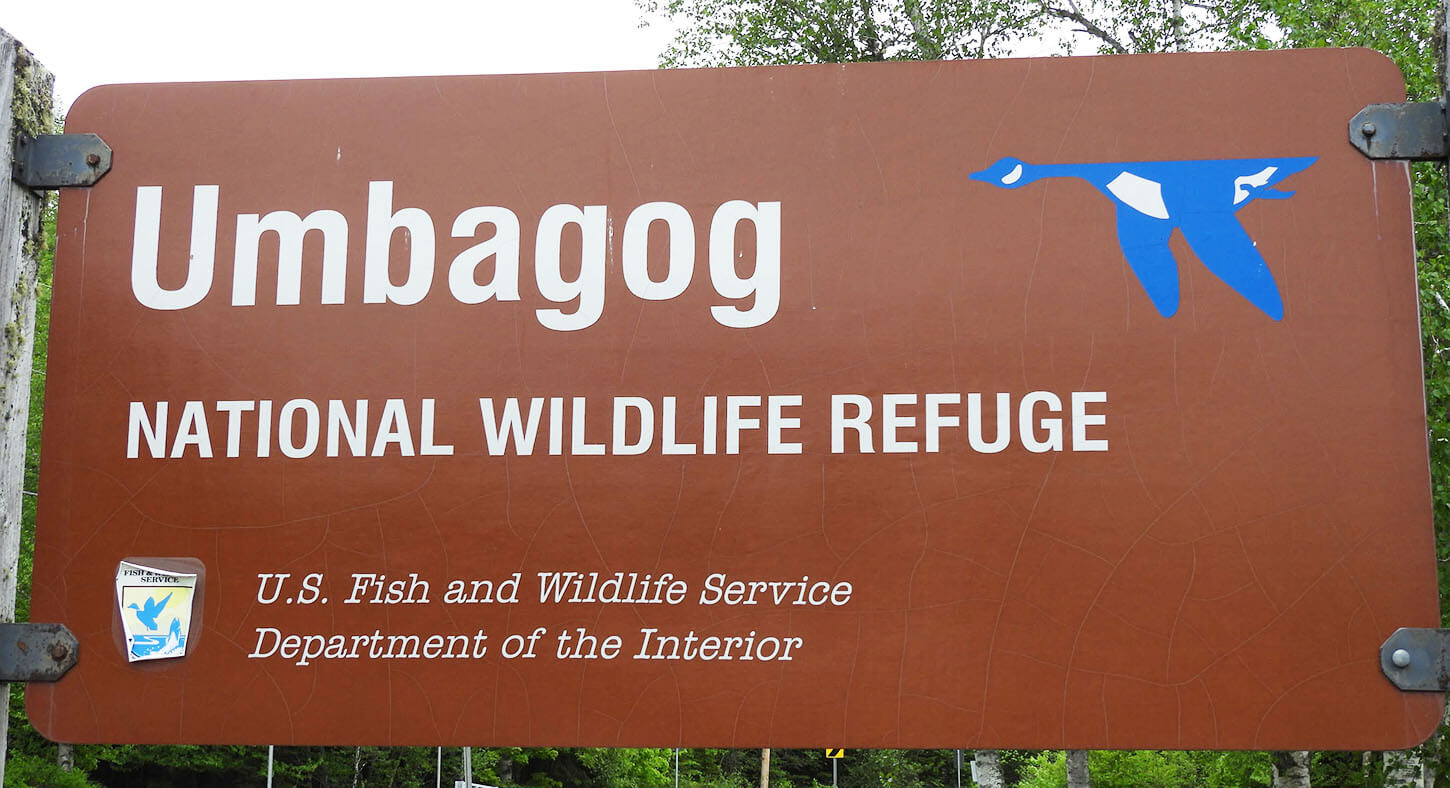
Outside of Massachusetts, Bicknell’s Thrush, Canada Jay, Ruffed Grouse and Boreal Chickadee were seen on the trip to the Lake Umbagog region in New Hampshire. On the Rangeley Lakes and Downeast trips to Maine, the club recorded Spruce Grouse, Evening Grosbeak, Black Tern, Upland Sandpiper and Nelson’s Sparrow.

Birds we missed in Massachusetts included Redpoll, Snowy Owl, Red Knot, Evening Grosbeak, Dickcissel, Yellow-breasted Chat, Ruffed Grouse, King Eider, Redhead and Canvasback (last reported on a club trip in 2014).

There were 385 species reported in eBird in 2024 for Massachusetts, of which the club’s total of 274 represented 71 percent. The club reported the most species in Essex County (226), followed by Plymouth (165), Middlesex (164), Suffolk (148), Worcester (141), Barnstable (130), Bristol (127), and Norfolk (126). Trips to Mt. Auburn Cemetery recorded 113 species this year, including 29 species of warblers. We missed Blue-winged Warbler at the cemetery but recorded it on 15 other trips.

The following table shows the trips reporting the most species by month: 

DateLocationSpeciesLeader
1/1Newburyport & vicinity51Laura de la Flor / Mark Burns
2/4Scituate to Plymouth62Glenn d’Entremont / SSBC
3/16Newburyport & vicinity58Laura de la Flor
4/29Westboro WMA57Nick paulson
5/4South Shore114Glenn d’Entremont / SSBC
6/16Housatonic River, October Mtn71Glenn d’Entremont / SSBC
7/20Rough Meadows61Davey Walters
8/3Squantum, Quincy53Glenn d’Entremont / SSBC
9/22Delaney WMA55Cliff Cook
10/5Outer Cape Cod70Glenn d’Entremont / SSBC
11/3NH Seacoast74Steve Mirick
12/12Cape Ann38Jim McCoy

Thanks to all our trip leaders, especially those who led 10 or more trips in 2024: Cliff Cook, Kathy Dia, Glenn d’Entremont, Linda Ferraresso, Leslie Kramer, Michealle Larkins, Thomas Michel, Nick Paulson, David Scott, and Dave Williams.

Thanks also to the organizations with whom the club co-sponsors trips. These include the South Shore Bird Club, Cape Cod Bird Club, the Charles River Esplanade Association, Massachusetts Department of Conservation and Recreation, Minute Man National Historical Park, and the Franklin Park Coalition.

Excluding the pelagic and overnight out-of-state trips, there were 363 eBird checklists associated with 259 trips. American Robin retained its position as the most frequently reported species, appearing on 261 checklists. Song Sparrow (252) and Blue Jay (248) remained in second and third. Mourning Dove (227) and Northern Cardinal (226) overtook Black-capped Chickadee (222). American Goldfinch (219) was seventh, and Downy Woodpecker (208) moved up two places to eighth. Mallard (209) was ninth and Red-winged Blackbird (193) tenth. The next five were Common Grackle (185), Canada Goose (177), Herring Gull (177), American Crow (174) and Northern Flicker (170).

Download a copy of the 2024 Annual Report.

2024 Annual Report2025-04-28T20:05:55-04:00

April 25 Annual Members Meeting – All Welcome

April 25 Annual Members Meeting – All Welcome

Please join us on April 25 for our Annual Members Meeting. The evening begins with a social hour at 6:30. The program starts at 7:00 with the BBC’s annual business meeting and the election of new officers and board members. Once we have concluded with club business and announcements we will go the evening’s speaker.

This meeting is open to all and held at the Harvard Geological Lecture Hall at 24 Oxford Street in Cambridge. (This is next door to the Museum of Comparative Zoology.)

Concerned about parking? Don’t Be!! Starting at 5:00 PM there will be free parking for all attendees at the Harvard Oxford Street Garage entered off Oxford Street across from Everett Street. Just tell the attendant that you will be going to the BBC meeting. While we hope that you will be able to join us in person there will also be a Zoom link for those who cannot make it into Cambridge.

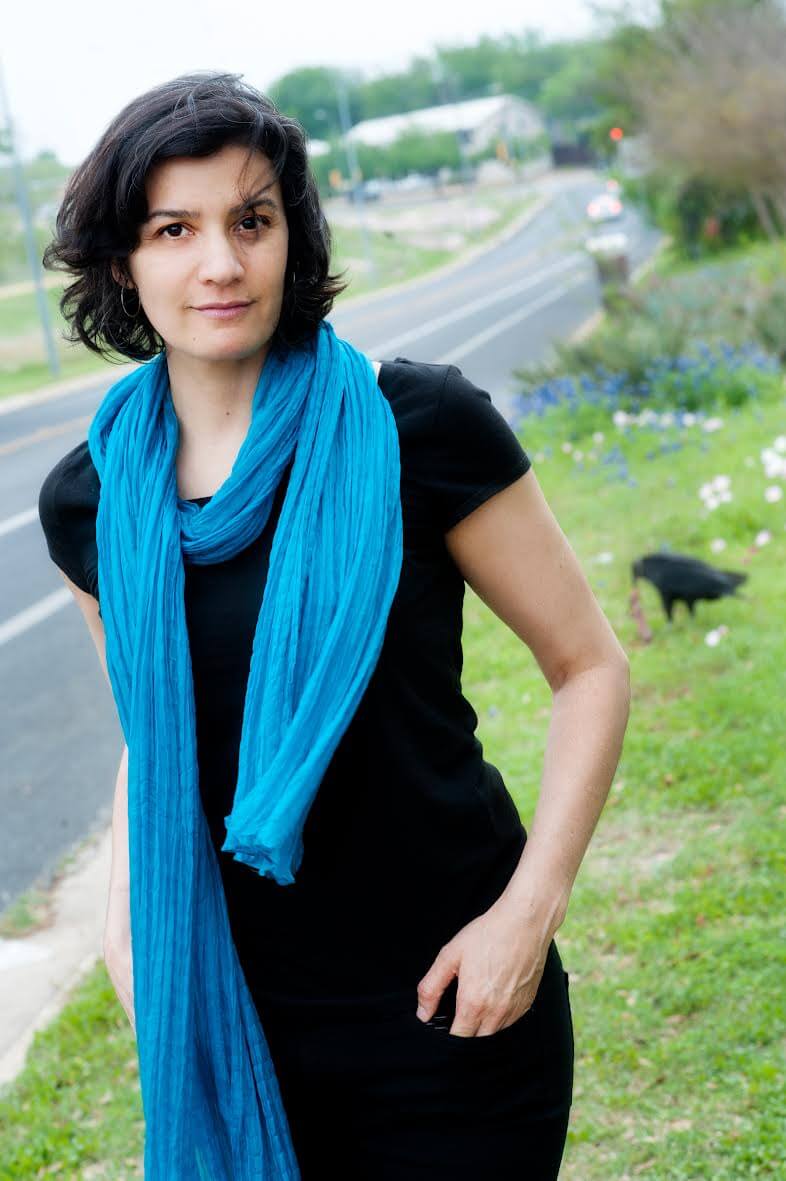
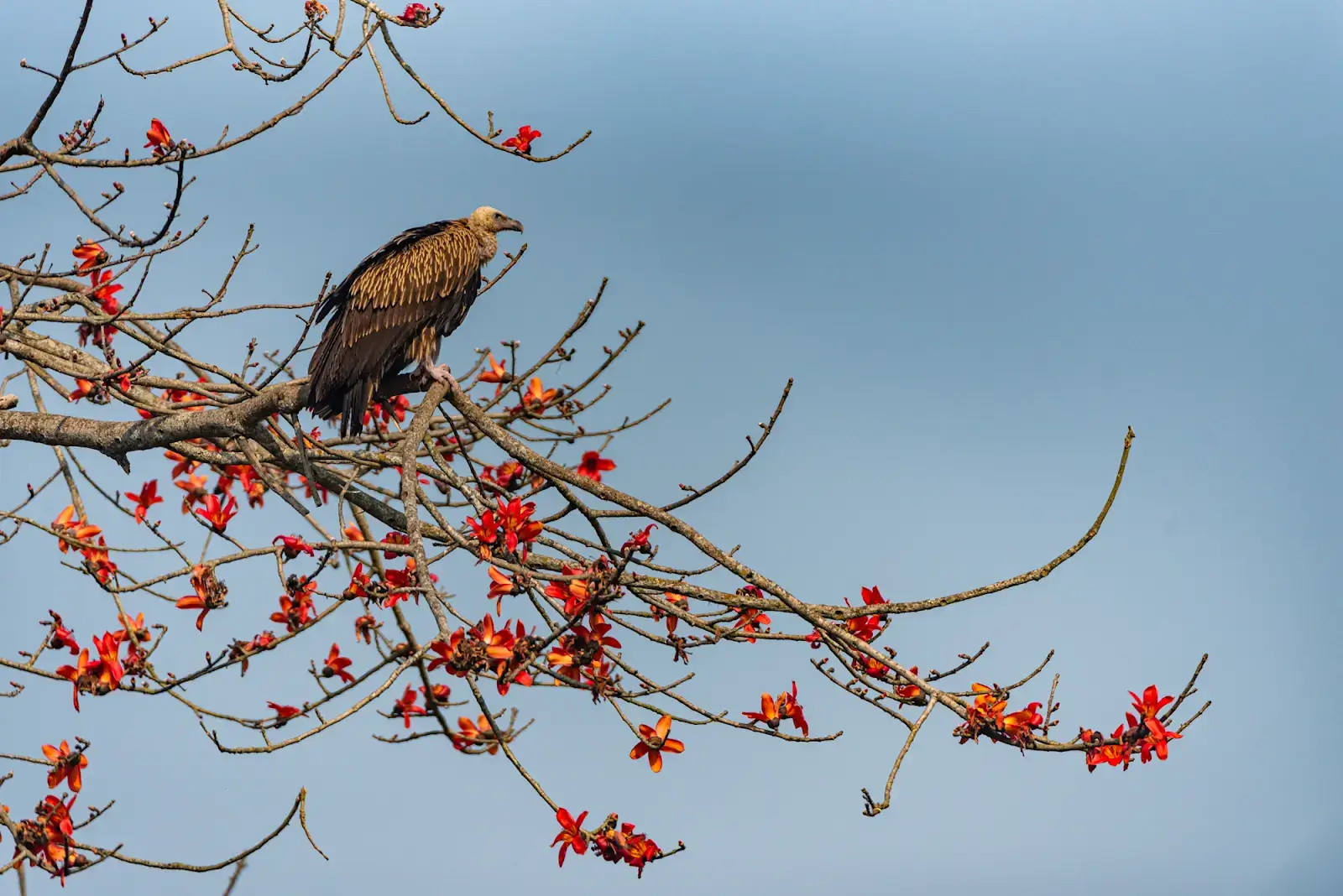
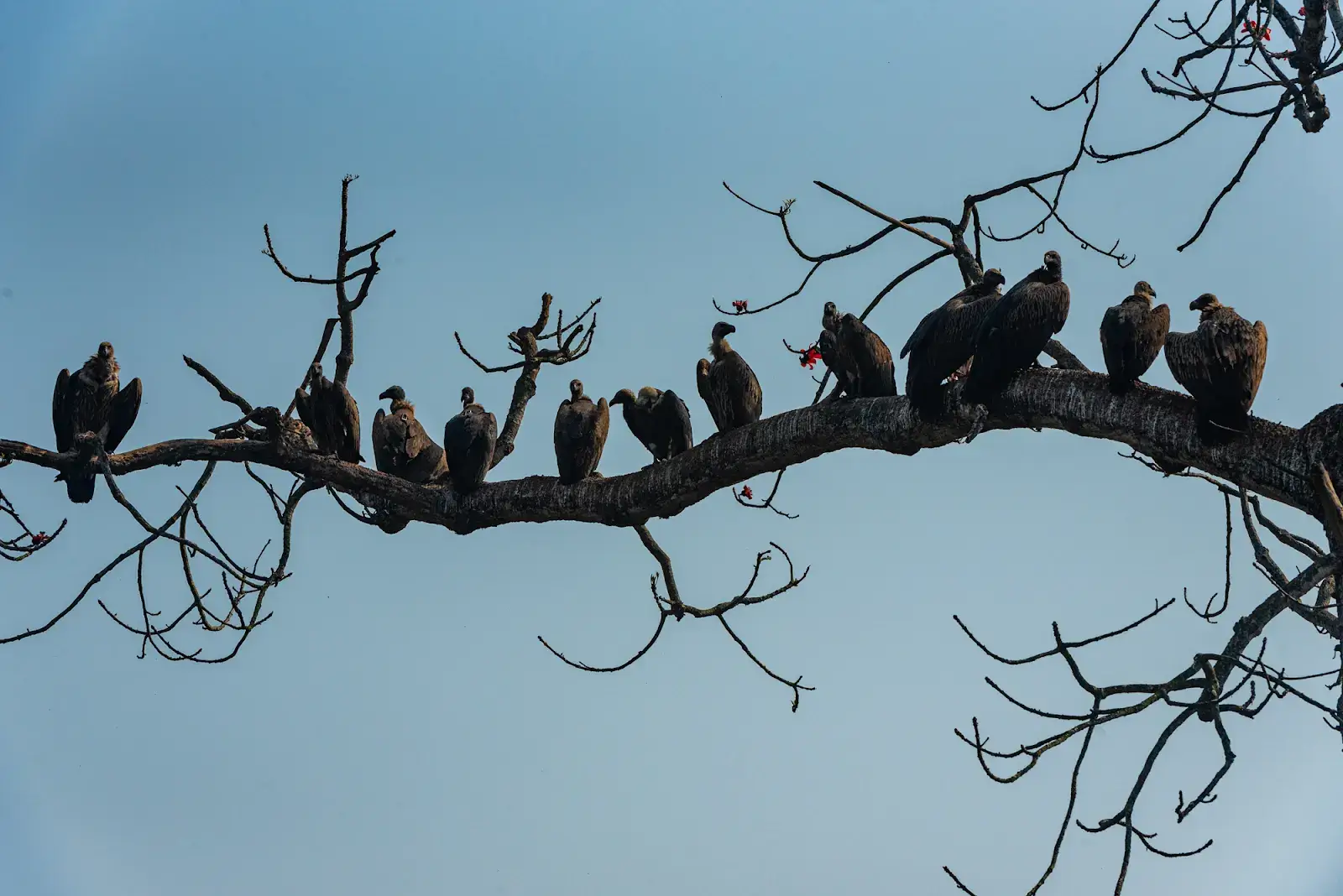
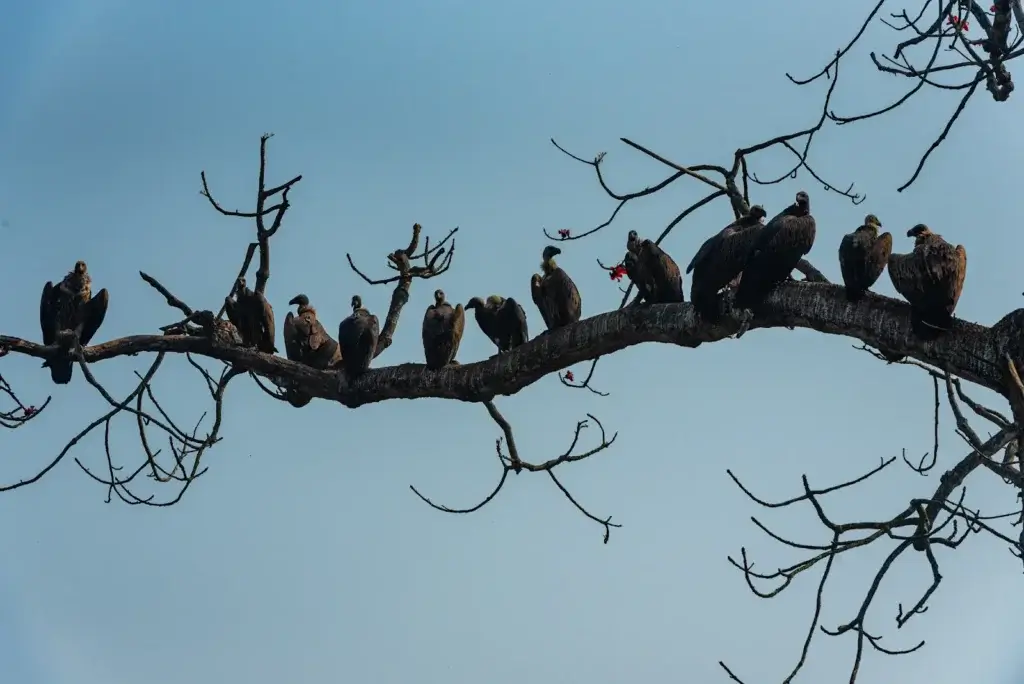
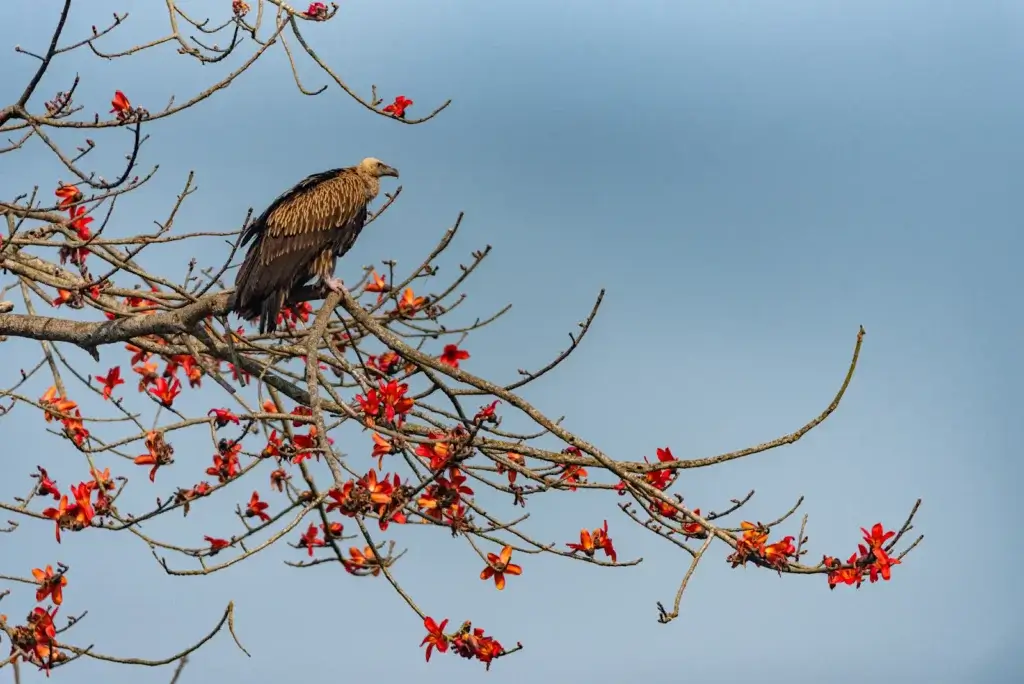
The evening’s lecture is South Asian Vultures: Crisis & Conservation by Meera Subramanian.

Not long ago, vultures in South Asia were so abundant that no one had bothered to count them in their millions, then during the 1990s the populations of three Gyps vulture species collapsed by more than 97 per cent. This was the fastest avian decline ever recorded. Conservationists scrambled to find the cause and start captive breeding programs. What happens when South Asia’s essential clean-up crew vanishes? Join us to learn more about this environmental lesson for all.

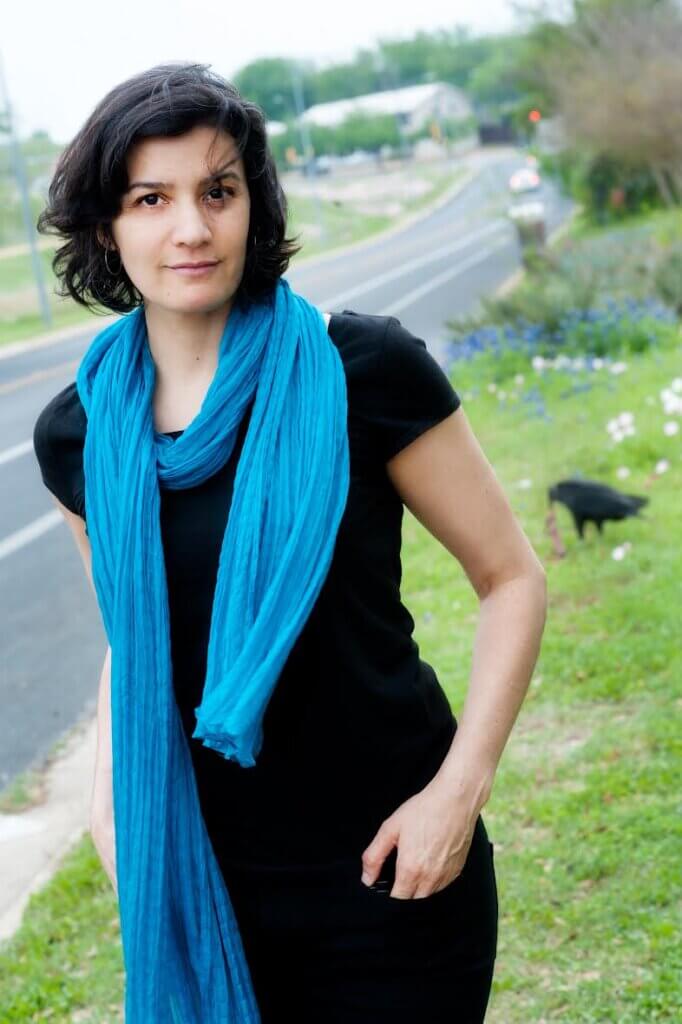
Presenter Bio: Meera Subramanian is an award-winning freelance journalist and National Geographic Explorer whose work has been published in Nature, The New York Times, The NewYorker.com, Audubon, and many others; she is a contributing editor of Orion. She is the author of A River Runs Again: India’s Natural World in Crisis, which was short-listed for the Orion Book Award. Based on a glacial moraine on the edge of the Atlantic, she’s a perpetual wanderer who can’t stop planting perennials. You can find her at www.meerasub.org.

The author will bring copies of her book for purchase.

When: April 25, social hour staring at 6:30 PM, program starting at 7:30 PM
Where: Harvard Geological Lecture Hall, 24 Oxford Street, Cambridge
Parking: Harvard Oxford Street Garage entered opposite Everett Street at Oxford Street
Zoom Link: https://us06web.zoom.us/webinar/register/WN_s3IWfA6YRl-mDdzSDORL4A

Meera Subramanian portrait
Indian Vultures
Indian Vultures Photo by Alisha Vasudev
Indian Vulture Photo by Alisha Vasudev
April 25 Annual Members Meeting – All Welcome2025-04-28T20:04:03-04:00

Avian Influenza Spreading in Massachusetts

Avian influenza is an increasing public health concern and is spreading across Massachusetts. In the past few days we have heard reports of waterfowl die offs in Cambridge, Amherst, Plymouth and Brockton. If you see birds affected by this disease protect yourself and your family by avoiding any contact with them.

Report observations of dead or dying wild birds to the MassWildlife.

For more information see the Commonwealth of Massachusetts Avian Flu information page.

Learn more about the risk to different types of birds, whether this should affect bird feeding, and related topics from Cornell’s All About Birds website.

For more in depth information you can watch our Avian Flu Webinar presented in March 2024.

Be sure to return to these websites for updated information.

Avian Influenza Spreading in Massachusetts2025-04-05T12:12:15-04:00

eBird Tip – How to use eBird When Traveling

eBird logo

Thanks to Bob Ross for the following article, which started out as a MassBird listserv post:

The eBird Alerts are an indispensable tool when traveling to a new city or region to go birding. I have found these alerts to be a fantastic research tool to pinpoint species and locations and save a great deal of time when searching for birding hotspots and birds I hope to find.

Signing up for Alerts is easy, though it must be done by county. Using eBirds’ Explore tab, an option to sign up for Alerts appears. Needs Alerts and Rare Bird Alerts are useful. Both must be linked to a specific county or coordinates. The organization by county can be a wide area, so using these Alerts to pinpoint where time and effort are most likely to pay off is important.

Needs Alerts will list every bird seen the previous day you have not listed on an eBird checklist for that area. When traveling for the first time to a city or country, these Alerts will list every bird seen the previous day, since you will not have entered any checklists yet. These are the most helpful Alerts because they are not only comprehensive but also allow for locating the most common places where birders are active. The reports also list common species which can be new to you. You can also limit Alerts to just the current year.

We can assume eBird is used by the most active birders. We can also assume these birders are among the best and most experienced in the area. What you will find in these Alerts is the more promising and popular birding spots appear often across individual checklists. Also, when a species is reported by multiple birders, it is confirmation the bird was found and is verified.

Rare Bird Alerts are a bit tricky. These Alerts do not list only the variants and rarest birds seen. The Alerts often list common birds found outside of the typical expected location. For instance, a seabird might be found on an interior lake. A bird typically found in the interior might be found along the shoreline. “Rare” can indicate both rarely seen species but also misplaced common species. I reported song sparrows at a local park and was surprised to see my report listed on the Rare Bird Alert for that day. I found several and Merlin picked up their song consistently. In this case, “Rare” meant only “early,” I assume. While not all birds listed on a Rare Bird Alert will be rare species, these can often lead you to the most promising sites. When a truly rare bird for the area is scene, these Alerts can offer you the best chance to find it. It might be the only chance in a lifetime to see that bird.

Before birding a new area, I sign up for these alerts at least a week before arriving. These then provide the opportunity to plan and map out birding locations where I hope to find specific species I am targeting. If I cannot pin down a targeted species, I can then reach out to local birding clubs or groups. I find the Audubon chapters are often not that helpful, as they are typically manned by volunteers who are often not active birders, and naturalists are rarely available.

Birds Connect Seattle is an example of a local birding organization that can be very helpful. Birding groups are common in many cities and around birding hotspots. Social media and internet searches can help locate these. Birders love to share their successful finds and locations. This is also a great way to join any local excursions with experienced birders. Do not be afraid to ask if you can come along.

Here is an example of how the Alerts assisted me during a recent trip. Seattle is among the best cities on the West Coast for birding. Many species can be found in and around the city, including seabirds who come in closer to shore in the winter and can also be seen on pelagic trips during the warmer months. Variants from Alaska, Japan, and Asia are not unusual. Species from all over the Pacific Ocean region can show up as they ride the ships into Seattle’s very busy ports.

From eBird reports, I learned that Rhinoceros Auklets were seen close to downtown piers. There are several species of auklets in the Northwest, though most cannot be found near shore. Rhino Auklets are often seen in the winter from popular spots such as the Seattle Aquarium and the docks and piers along the waterfront. The Needs Alerts listed several consistent sightings of Rhino Auklets in the downtown shoreline area. The birds would not be listed on a Rare Bird Alert, because they are not rare along the waterfront in the winter months.

I went to the aquarium and walked along the busy sidewalks lining the shore, but I had no luck. Then, it occurred to me to hop a ferry, which runs from Seattle to Bainbridge and another island almost every hour for nearly 24 hours. The ferry to Bainbridge is $10 round trip.

Weather is, of course, an important consideration when birding anywhere. During Seattle winters, birds often need several morning hours to warm up, so early morning birding is not as productive as mid- to late afternoon birding. Seabirds and gulls can be spotted at any time of day. I took a 12:30 p.m. ferry and found the timing to be perfect.

The ferry ports are very active. Another ferry was pulling out as mine was boarding. From experience, I knew sea birds and gulls often come in behind ferries because these larger ships stir up the smaller fish in their wake. Standing on the upper deck and watching the other ferry, I noticed a small gray bird suddenly appeared and dove into the wake. It was the auklet I was searching for. I saw the target species before my ferry left the dock, but it would have been difficult to see it from shore as the angles were unfavorable. The alerts then were correct, the birds were close to the city shoreline but the right angle was necessary to find one.

The listing on the Needs Alert confirmed they were being seen closer to shore, and the number of listings indicated a scope might not be required. This encouraged me to search along the shoreline, and led to the idea of hopping a ferry to get a different viewing angle, so using the reports paid off. During the crossing I also found several Pigeon Gallinules, a Marbled Murrelet, Pelagic and Brandt’s Cormorants, and a Black-head Gull. All but the gull, which eventually made the Rare Bird Alert from my checklist, were listed on the Needs Alerts.

As so many birders now know, eBird offers an exciting range of useful tools. Using Needs and Rare Bird Alerts to plan a birding trip and to target species can be a very productive approach to maximizing your birding time and finding the birds you hope to see when traveling.

My Seattle EBird Checklists: S209624143, S209222577, S209156595, S209624143.

eBird Tip – How to use eBird When Traveling2025-03-13T16:22:38-04:00

NEW! Young Adult Birding series

Young Adult Birding series specifically for birders in their 20’s and 30’s! Our first meeting will be held at Millennium Park on Sunday, March 2nd at 8:00 AM. We will walk about 2 miles around the park to observe wintering species and early spring migrants. No experience necessary! No registration required. For more information click here.

NEW! Young Adult Birding series2025-03-10T09:46:14-04:00

Applications Available for Bill Drummond Young Birder Scholarship

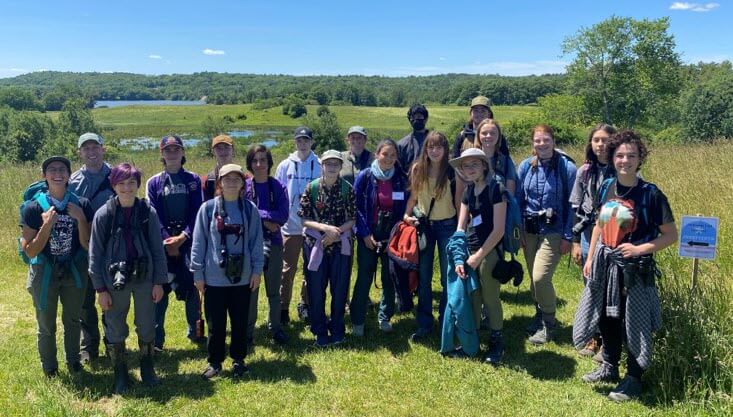
The BBC is pleased to announce that we will again offer two Bill Drummond Young Birder’s Scholarships to nurture interest in bird study and conservation among young birders. The 2025 scholarships will cover the full cost ($1725) of the Coastal Maine Bird Studies for Teens program at National Audubon’s Hog Island camp on June 15-20, 2025. The cost includes housing, boat travel, and all meals.  Learn More.

Hog Island Campers
Applications Available for Bill Drummond Young Birder Scholarship2025-02-09T12:06:17-05:00

2024 Year in Review!

Thanks to our inspired volunteer Board, committee members, and field trip leaders, the Brookline Bird Club enjoyed impressive successes during 2024. 

Our volunteer trip leaders and enthusiastic participants tallied 274 species of bird across 262 trips in Massachusetts.  The total climbs to  281 including birds from trips to NH and Maine.  These are our highest annual totals since 2019! 

Living our mission statement, we continued to reach out to and include newer and experienced birders of all identities. Our walk schedule expanded to include offerings at a range of urban, suburban and rural locations, many accessible by public transportation. In addition to well known birdy locations like Parker River National Wildlife Refuge, Mount Auburn Cemetery, Fenway Victory Garden, The Esplanade, Cape Ann, and Lowell Cemetery, we added trips to Franklin Park, Neponset River hot spots, the Esplanade, and other Boston walks led by inspired and inspiring trip leaders. Co-sponsoring with other bird clubs and outdoor groups, we birded lesser known, productive locations, committing to include these in our future annual offerings. We have purchased a number of loaner binoculars that we hope to make available at more trips over the coming year.

We revived our highly popular and productive pelagic day trips, from Gloucester and Plymouth, while continuing to run our nationally known overnight “extreme” pelagic from Hyannis out to resource-rich canyons at the edge of the continental shelf. Visiting locations such as Hydrographer, Dogbody and Welker Canyons brought sightings of sought-after shearwaters, petrels, skuas, phalaropes, jaegers, and other exciting avian, mammal, marine species. Those who attended our late summer Newburyport boat cruise got to see the North Shore’s Great Marsh, the “other side” of Parker River National Wildlife Refuge. 

The BBC Conservation Education Committee sent two more teen birders to Maine’s Hog Island Camp, thanks to your generous donations to the Bill Drummond Scholarship Fund. Similarly, we supported several school libraries, classrooms and programs by providing funds for purchasing birding materials for aspiring birders. Through this committee’s thoughtful research and decision-making, the BBC continues to contribute to organizations that support essential efforts like habitat restoration and maintenance. 

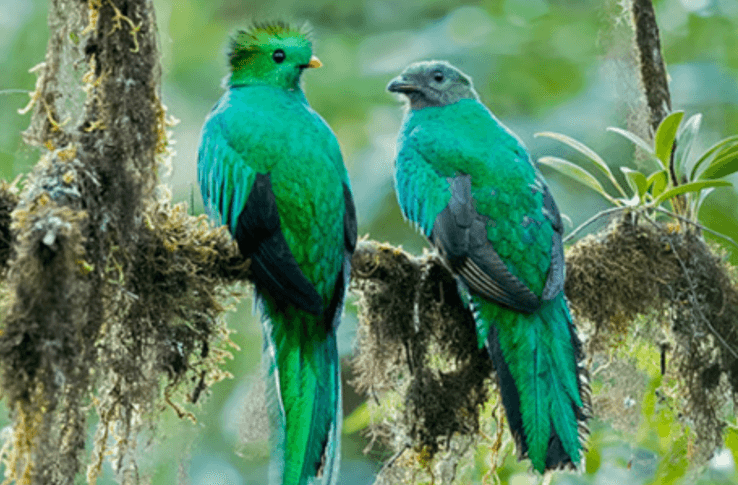
The Programming Committee offered – and continues to offer – a wide range of webinars, with topics covering warblers, sparrows, pelagics, quetzals, and female bird ID, to Peregrine and Red Knot restorations, shorebird counts, Avian Flu information, and entomologist Doug Tallamy’s Chickadee’s Guide to Gardening. Walks include native and nonnative plants with Botanist Ted Elliman, and field walks following bird identification webinars. Our “Big Three Indoor Meetings” offer opportunities for members to socialize and consider ideas presented by guest speakers. 

We truly are America’s most active bird club!  We look forward to the coming year and hope to see you at some of our many events.  Interested in contributing your time?  Please reach us at info@brooklinebirdclub.org.

Good Birding to all in 2025!

2024 Year in Review!2025-01-08T11:01:11-05:00
Go to Top