Member Webinar September 16: Birds at Rest: The Behavior and Ecology of Avian Sleep with Roger Pasquier

Member Webinar September 16: Birds at Rest: The Behavior and Ecology of Avian Sleep with Roger Pasquier

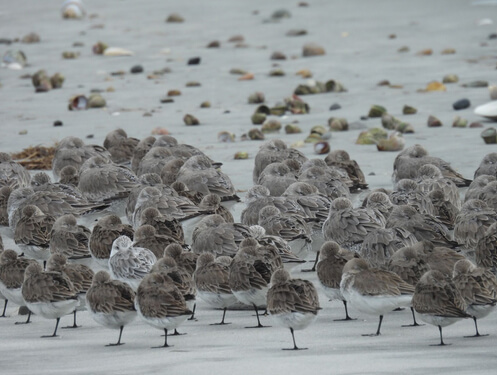
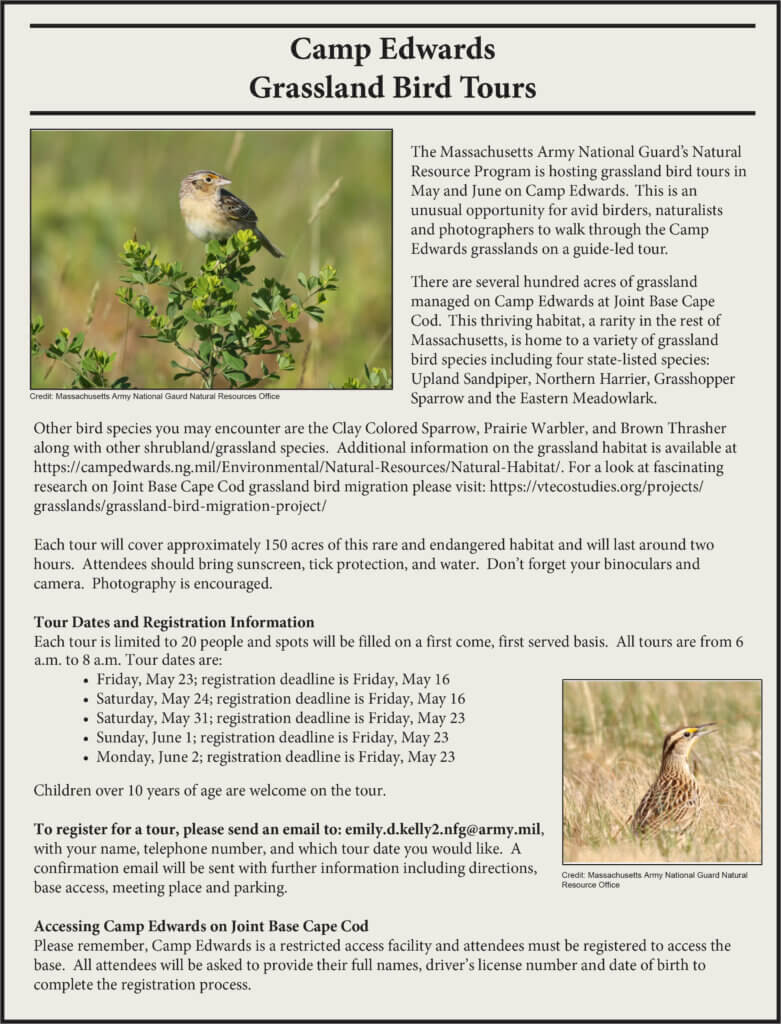
Everybody enjoys watching birds during the daytime, but what do they do at night, when they seem to disappear? Birds need sleep as much as we do, and they have evolved unique sleep habits to match their intensely energetic lifestyle. Instead of long stretches of obliviousness, they sleep in short bouts of several seconds or a few minutes, waking up to look around for danger, and then going back to sleep. To increase their vigilance, birds can sleep while shutting off only half their brain and one eye at a time, leaving them able to respond instantly to any alarm. The social habits of sleeping birds are also distinctive. Most are solitary, some sleep in pairs or families, while others gain advantages of warmth, safety, and even social needs like finding a mate, by joining in flocks, not to mention guidance on where to get breakfast the next day.     

Join Roger Pasquier on September 16 from 7:00 to 8:30 PM for a member webinar about birds and sleep.

To register for the webinar log into your member account and go to Member Resources.

Already logged in? Go right to Member Resources.

Presenter Bio:

Roger Pasquier is an associate in the Department of Ornithology at the American Museum of Natural History.  His career has been in ornithology and in conservation, at BirdLife International, World Wildlife Fund-US, Environmental Defense Fund, and National Audubon Society. He is the author of several books on birds. Roger is a native New Yorker. His favorite birding places are Central Park and the Peruvian rainforest, and he enjoys his occasional visits to Mount Auburn.
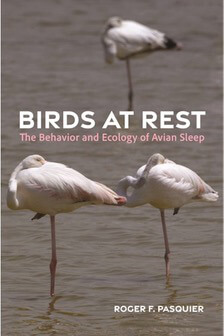
Book cover: Birds at Rest by Roger Pasquier

Member Webinar September 16: Birds at Rest: The Behavior and Ecology of Avian Sleep with Roger Pasquier2025-09-17T14:29:52-04:00

Federal Bird Banding Lab Needs Support Now 

Federal Bird Banding Lab Needs Support Now

Find contact information for your senators and representative.

The following is from a letter from author Scott Weidensaul received on May 22:

As some of you may be aware, there are reports that the federal Bird Banding Lab, which runs the entire U.S. bird banding program, has been slated by DOGE for elimination as soon as this week, along with the rest of the vital Ecosystems Mission Area at USGS. The U.S. Geological Survey Ecosystems Mission Area is responsible for many of the programs that serve millions of birders, hunters, anglers, gardeners, biologists, ecologists, and wildlife enthusiasts around the country–and importantly, the wildlife we treasure.  

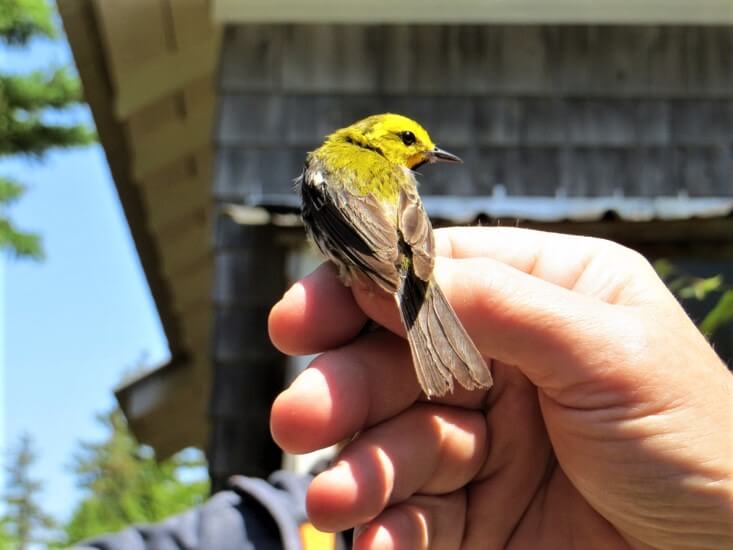
The consequences of such a move on birds and bird conservation would be incalculable. The BBL is the only source for bands and the federal permits that allow us to do the work we do; the loss of the banding lab would mean, frankly, an end to nearly 30 years of Northern Saw-whet Owl research. But the ramifications go far beyond one species of small owl.  Without it, we will lose the backbone of environmental and ecological monitoring in the United States. This includes research that enables states to set hunting seasons, allows conservationists to understand and respond to declines in birds, bees and other wildlife, and tracks dangerous wildlife diseases and environmental pollutants that impact people and biodiversity.  For example, most of the birds banded in North America are waterfowl, and banding and band return data are central to properly managing our waterfowl populations by setting scientifically defensible hunting seasons and bag limits. No data, and wildlife managers are working half-blind.  

A serious concern is that defenders of the BBL manage to salvage the waterfowl management aspects of its work, but that the nongame banding and research is done away with. This has cross-border consequences since the BBL single-sources all the bird bands used in North America, so nongame banding in Canada overseen by the Canadian Wildlife Service would also cease if those elements of its work are eliminated. 

On Friday “Field and Stream” magazine reported that the cuts could come as early as this Friday, with EMA staff told to draft plans for disposing of vehicles and supplies. The BBL has already seen significant cuts to its already small staff from long-serving employees who took early retirement offers. 

What can you do? There will be a virtual rally to support the EMA this Thursday, May 22, at noon, organized by some of the largest and most important conservation NGOs and professional societies, including the National Wildlife Federation, American Bird Conservancy, Ecological Society of America, the Xerces Society, and the Wildlife Society. The response has been huge; when I signed up this morning to attend the confirmation indicated some 1.5 million Americans have said they will take part. The link is: 

https://www.mobilize.us/nwf/event/790009

I don’t care if you’re red, blue or purple, this is a critical moment for bird conservation. The birds need you voice and your involvement. 

Thanks, and hope to see you online Thursday. 

Scott 

Federal Bird Banding Lab Needs Support Now 2025-06-07T16:26:11-04:00

BBC Programming Committee Seeks Volunteers

BBC Programming Committee Seeks Volunteers

Do you have ideas for BBC webinar speakers? Would you like to be involved in planning club events such as our annual meeting, fall speaker, and winter member’s meeting? Interested in branching out to add a movie series or cosponsor with various groups?

The BBC is seeking volunteers for our Programming Committee. You will:

  • Plan, implement, and assess workshops, webinars, and activities that engage and inform members and nonmembers
  • Provide refreshments and materials for the Fall, Winter and Spring Annual Members Meetings
  • Plan Recognition and Appreciation Programs

If you are interested in learning more please contact Leslie Kramer, Programming Committee Chair.

BBC Programming Committee Seeks Volunteers2025-08-18T18:59:02-04:00

Threats to Migratory Bird Treaty Act and Endangered Species Act

Responding to Threats to Migratory Bird Treaty Act and Endangered Species Act

John Nelson, chair of the BBC’s Conservation Committee, recently sent an eloquent letter to Representative Seth Moulton and Massachusetts Senators Edward Markey and Elizabeth Warren. In it he talks about threats to both the Migratory Bird Treaty Act and Endangered Species Act. As he points out, what is “bad for birds is almost always bad for people”. He goes on to speak about his experience as crewman on Great Lakes ore carrier on Lake Erie, which was said to be a “dead” lake at the time due to massive amounts of pollution. In closing he asks that they do “everything in your power to enforce the Migratory Bird Treaty Act, save the Endangered Species Act, and return the EPA to the purpose Congress intended—protecting our environment.”

You can read John’s letter here.

If you too would like to contact your senators and representative to advocate on behalf of birds and the environment follow this link to find their names and contact information.

Threats to Migratory Bird Treaty Act and Endangered Species Act2025-06-07T16:26:18-04:00

Member Webinar and Field Trip: The Art and Craft of Shorebird Identification with Lisa Schibley

Member Webinar and Field Trip: The Art and Craft of Shorebird Identification with Lisa Schibley

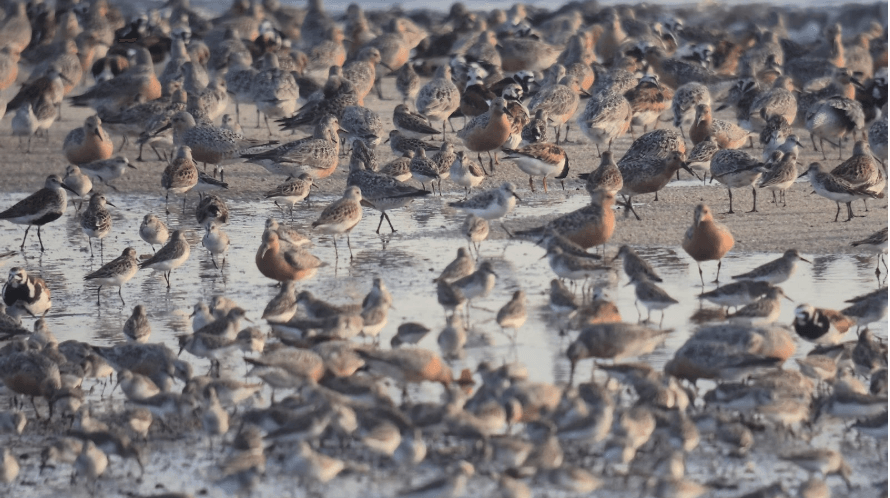
Shorebirds are among the most fascinating and diverse groups of birds, but identifying them can sometimes feel overwhelming.  What key field marks, behaviors, habitat, range, and timing can help? How can shorebird migration patterns and seasonal plumage help?

This webinar will provide practical tips and techniques to sharpen your shorebirding skills. The BBC is also hosting a limited participation field trip to practice the skills you learn during the webinar.

The webinar will occur on Wednesday, August 13 from 7:00 to 8:30 PM.

The field trip will occur on Thursday, August 14 from 3:00 to 5:30 PM in Plymouth. The meeting place will be shared with registrants. 

To register for the either event sign into your member account and go to Member Resources.

Already logged in? Go right to Member Resources.

​An enthusiastic birder and shorebirder, Lisa joined Manomet’s Shorebird Recovery Program in 2008 and is currently the North American coordinator for the International Shorebird Survey. Her job involves recruiting and engaging ISS volunteers, managing and developing the ISS database and visualization tools, and finding creative ways to tell shorebird stories using ISS data. She is also a part of the Massachusetts Avian Records Committee and contributes to Bird Observer, the New England Birding Journal. Her work with the International Shorebird Survey combines her passion for shorebirds, data, and citizen science.

Member Webinar and Field Trip: The Art and Craft of Shorebird Identification with Lisa Schibley2025-08-18T18:58:40-04:00

2025 Daytime Pelagic and Marsh Cruise Trip Schedule

2025 Daytime Pelagic and Marsh Cruise Trip Schedule Announced

The BBC is happy to announce two daytime whale watching events and a Parker River marsh cruise.

For the Thursday August 14th whale watching trip out of Plymouth register from this page.

Thursday August 7th Parker River cruise from Newburyport. We added two additional trips on 8/17 and 8/19. All three have now sold out. Leaders including Marilyn Tillinghast, David Williams, John Edmondson, and Cliff Cook will help find and identify birds and other wildlife.

2025 Daytime Pelagic and Marsh Cruise Trip Schedule2025-08-18T18:57:57-04:00

Changes Coming to Mt Auburn Cemetery This Spring

Changes Coming to Mt Auburn Cemetery This Spring

Mt. Auburn Cemetery has announced changes to birder access starting this spring. In short, the gates will open every day starting at 6:00 AM but the key program has been discontinued. Here is a portion of the announcement:

As the spring season approaches, we are excited to announce that for the first time, Mount Auburn will be open to all at 6 AM during the months of April and May for the Spring Bird Migration.

As a member of our birding community you know that Mount Auburn Cemetery is recognized as one of the premier birding destinations in Massachusetts. The Cemetery’s diverse horticultural collections and natural features attract many species of birds, both migratory and year-round residents.  As an Important Bird Area designated by Mass Audubon, Mount Auburn’s 175 acres play a vital role as a bird habitat for dozens of species of migratory birds is renowned as a regular site of pilgrimage for thousands of bird watchers each year, from both near and far, especially during spring migration.  We are excited to offer this expanded access to our landscape this spring, so that birders can enjoy early morning song and activity during peak migration.

If you are a member of our longstanding “Bird Key” program, in which participants were granted a key to the Egyptian Gateway pedestrian entrance to enter on foot to go birding before opening hours in the spring, please note that your key will no longer be valid.  The main Cemetery gates at 580 Mount Auburn St. will open at 6 AM for all visitors, no special access or fee is required.  

Read the full announcement here: https://www.mountauburn.org/2025/03/03/introducing-early-bird-hours-this-spring/

Mt. Auburn Cemetery has long welcomed birders to walk the grounds throughout the year. The Cemetery has a long and illustrious history in the birding community, dating back to the times of William Brewster, a founder of the American Ornithologists Union (now AOS) and the first president of Massachusetts Audubon Society.

Learn more about Mt. Auburn Cemetery and become a supporter by joining the Friends of Mt. Auburn.

Changes Coming to Mt Auburn Cemetery This Spring2025-05-21T12:14:42-04:00

Threats to Federal Bird Science Funding

Threats to Federal Bird Science Funding

According to the journal Science, the administration has targeted the Ecosystems Mission Area at the U.S. Geological Survey for elimination in its upcoming Fiscal Year 2026 budget request. The Ecosystems Mission Area, with its $307 million annual budget, supports critical biological research on endangered species, climate change, disease, and wildlife conservation. The Office of Management and Budget has directed USGS to gradually shutdown the program, affecting about 1,200 USGS scientists and staff.

The Bird Banding Laboratory and the Breeding Bird Survey are both housed by the Ecosystems Mission Area and are critical to the functions of Federal and State wildlife agencies, Migratory Bird Flyway Councils, and non-governmental organizations.

Scientific societies are rallying behind the Ecosystems Mission Area, weighing in with both the administration and with Members of Congress. Over 70 scientific and conservation organizations have written to Secretary of the Interior Doug Burgum, expressing strong support for the U.S. Geological Survey’s Ecosystems Mission Area and urging the Department to maintain the program area’s funding at the FY25 level in the FY26 federal budget. Information recently obtained by the journal Science indicates that the administration intends to eliminate the entire program area.

The letter highlights the Ecosystems Mission Area program area’s crucial role in providing scientific research and decision-support tools that benefit public safety, environmental health, natural resource management, and public health, and emphasizes that the program’s interdisciplinary science underpins national strategies to respond to environmental and ecological challenges

Threats to Federal Bird Science Funding2025-05-21T12:14:51-04:00

BBC Global Big Day Count – May 10

BBC Global Big Day Count

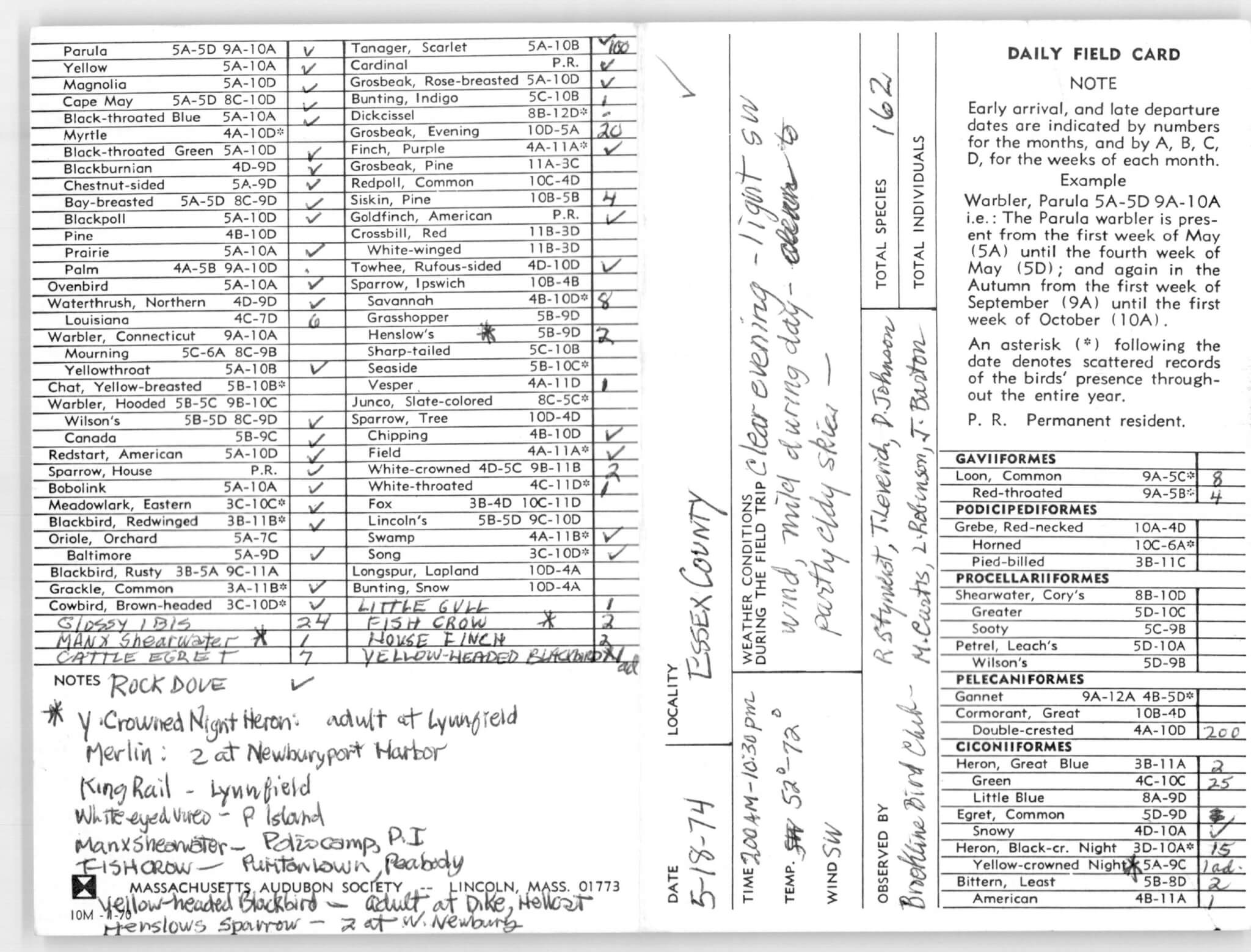
On May 18, 1974 Bob Stymiest led the BBC trip with the all time largest species count for the club – 162 birds seen during 20 hours across Essex County. We share this interesting bit of club lore with you to introduce our first ever BBC Global Big Count.

Our plan this year is simple. We ask that you go birding on May 10 then share your eBird list with our club’s account. Just share your list with the eBird user BrooklineBirdClub (note that there are no spaces). Club Statistician David Scott will do the rest and produce a single list of all the species spotted by every participating member.

Thanks to our leaders, the BBC has scheduled several Big Day trips to help build our shared list:

Global Big Day is a worldwide event sponsored by the Cornell Laboratory of Ornithology. In recent years this has also been the weekend during which Massachusetts Audubon held their annual Birdathon big day count. We are sorry to say that MAS has decided to cancel the Birdathon this year. While we hope to see this event return in the future we want to give our members an opportunity to participate in Global Big Day.

BBC Global Big Day Count – May 102025-04-30T12:20:38-04:00

Camp Edwards Grassland Bird Tours

The Massachusetts Army National Guard’s Natural Resource Program is hosting grassland bird tours in May on Camp Edwards. This is an unusual opportunity for avid birders, naturalists and photographers to walk through the Camp Edwards grasslands on a guide-led tour.

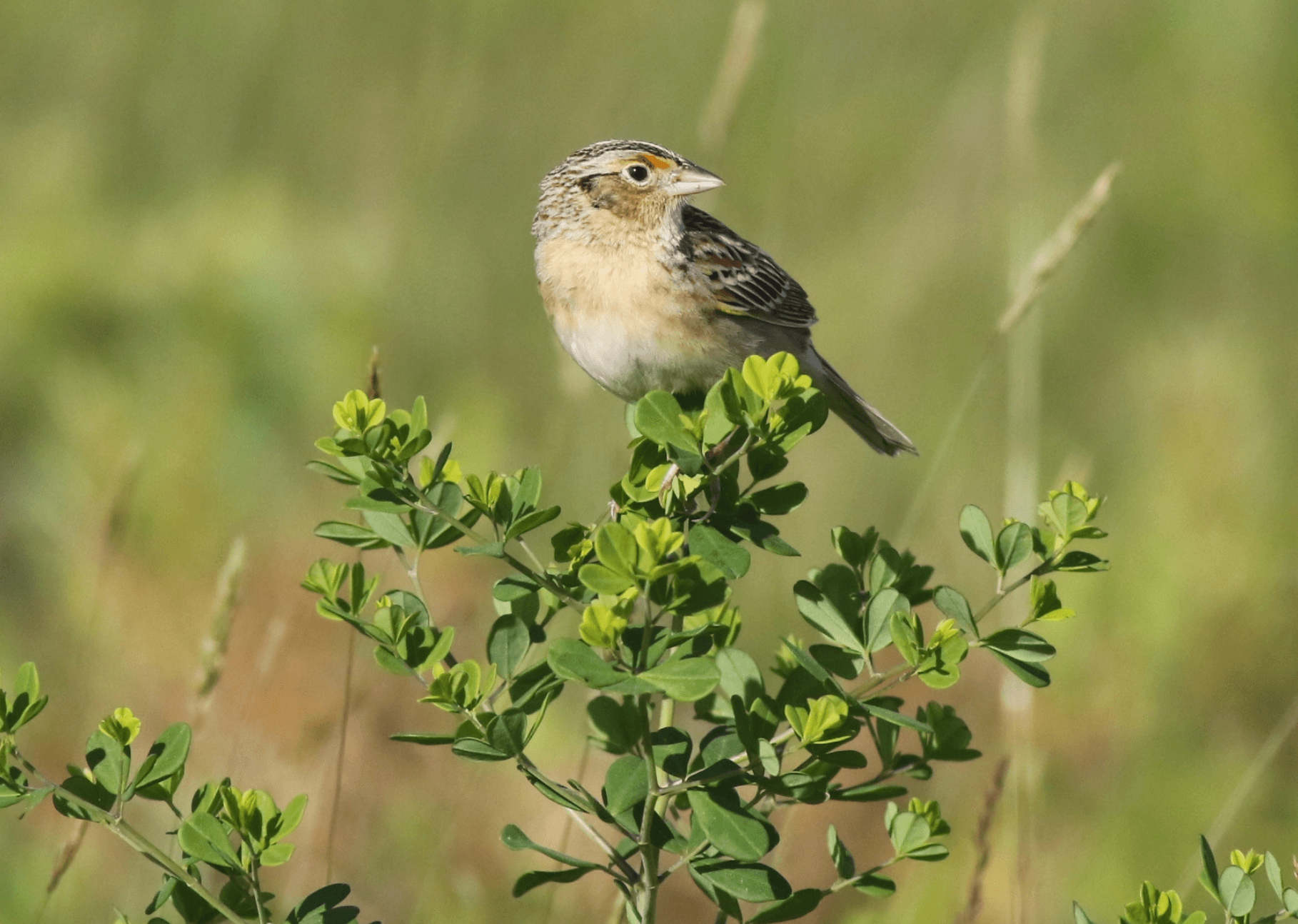
There are several hundred acres of grassland managed on Camp Edwards at Joint Base Cape Cod. This thriving habitat, a rarity in the rest of Massachusetts, is home to a variety of grassland bird species including four state-listed species: Upland Sandpiper, Northern Harrier, Grasshopper Sparrow and the Eastern Meadowlark.

Additional information on the grassland habitat is available at https://campedwards.ng.mil/Environmental/Natural-Resources/Natural-Habitat/. For a look at fascinating
research on Joint Base Cape Cod grassland bird migration please visit: https://vtecostudies.org/projects/grasslands/grassland-bird-migration-project/

Each tour will cover approximately 150 acres of this rare and endangered habitat and will last around two hours. Attendees should bring sunscreen, tick protection, and water. Don’t forget your binoculars and camera. Photography is encouraged.

Each tour is limited to 20 people and spots will be filled on a first come, first served basis. All tours are from 6 a.m. to 8 a.m. Here are the tour dates and deadlines:

  • Friday, May 23; registration deadline is Friday, May 16
  • Saturday, May 24; registration deadline is Friday, May 16
  • Saturday, May 31; registration deadline is Friday, May 23
  • Sunday, June 1; registration deadline is Friday, May 23
  • Monday, June 2; registration deadline is Friday, May 23

To register for a tour, please send an email to: emily.d.kelly2.nfg@army.mil, with your name, telephone number, and which tour date you would like. A confirmation email will be sent with further information including directions, base access, meeting place and parking.

Accessing Camp Edwards on Joint Base Cape Cod
Please remember, Camp Edwards is a restricted access facility and attendees must be registered to access the base. All attendees will be asked to provide their full names, driver’s license number and date of birth to complete the registration process.

For more information, please see the flyer below.

Camp Edwards Grassland Bird Tours2025-05-06T16:25:43-04:00
Go to Top