DENNIS OLIVER REMEMBERED

We are sad to learn of the passing of Brookline Bird Club member Dennis Oliver on April 7. Dennis played a big part in the club, serving on the board from 1984 to 2006. The club honored Dennis in 2010 with the following article:

Dennis Oliver is a respected and admired long-time Brookline Bird Club member. He has been influential as an officer, director and longtime trip leader. Dennis has inspired many birders to join the Brookline Bird Club and some to become trip leaders. Dennis Oliver was a member of the Brookline Bird Club board of directors from 1984 to 2006.He was Recording Secretary from 1987 to 2004, and Corresponding Secretary from 2004 to 2006. In addition, he was a founding member of both the Conservation/Education and Ethics Committees and was a member of the 75th Anniversary Committee. When he retired in 2006, the board recognized his service by giving him a framed certificate of appreciation.

Dennis also coordinated and compiled the Ipswich River Breeding Bird Survey for over 15 years. For many years, he also was a participant in the TASL count, the Cape Cod Waterfowl Survey, and 3 Christmas Bird Counts including being the Waltham section leader for the Greater Boston Count.

There was unanimous enthusiastic support of such recognition from those board members and long term members who were inspired by Dennis. Dennis and his brother David began birding as children.  See below for David’s comments. Thank you, Dennis, for your years of service to the Brookline Bird Club and the birding community!
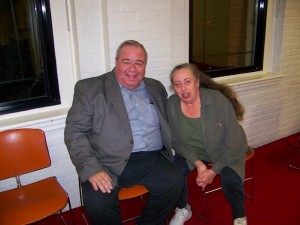
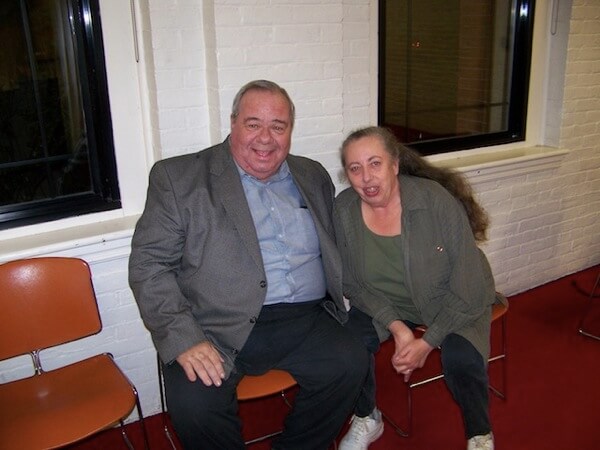
Dennis Oliver with BBC Board Member and friend, Fay Vale. Photo by Peter Vale

At that time Dennis’ brother, David, wrote the following:

Dennis and I have always been interested in nature and animals since childhood. This interest was shared by our father, who encouraged it, but NOT by our mother. Our favorite trips were always to the zoo. Our menagerie of animals while growing up was extensive, much to the chagrin of our mother. In fact, we eventually built a room in the cellar to house our animals, which was off limits to our mother, by her choice.

Since Dennis and I spent almost all our time together, except at school where we were separated, we shared our birding right from the start. I can remember seeing a flock of waxwings feeding in a low tree on our walk to school. We had previously known blue jays and crows and robins and other common birds but these were something new and quite beautiful.

Years later, a Ross’s Gull was found in Newburyport in the winter of 1975. It made headlines in the newspaper and on television stations. People were coming from across the country to see this bird. We were amazed that there were people so obsessed that they would make such a journey to see a bird. Well, that sounded like fun to us. We never did go up to see that Ross’s Gull, but that summer, we bought binoculars and started to write down the birds we saw and identified. This was great fun! We knew nothing about bird clubs or other organizations except Mass Audubon and their birding hotline. We would call and hear about some wonderful birds being seen in many places around the state. Our first “birding trip” was to Broadmoor Sanctuary in South Natick. July isn’t the best time to visit there, but almost everything was new to us! That July also brought us to Plum Island and we saw where that Ross’s Gull had been seen in Newburyport.

We realized that Plum Island was special and we made a few excursions there, as often as we could. In November of 1977 Dennis and I were birding at Plum and found a flock of Fulvous Whistling-Ducks at Hellcat. By then, we knew that these birds shouldn’t be in Massachusetts, and we searched for someone to tell. We did find a birder, who’s name now escapes me, but we told him and off we went to bird more of the island. We returned to Hellcat to see if the ducks were still there, and they were, along with many birders. This was our first encounter with a group of birders and it was the Brookline Bird Club trip, being led by the Judge and Gerry. Nancy Clayton was along on the trip and was delightful, warm, and embracing. She gave us our first blue book and from there we went on as many BBC trips as we could. We wished we could attend every one.

We met Bill Drummond at the Steller’s Eider sighting in Scituate. Soon Bill was a friend and mentor. Bill took us along with him on many a fantastic trip, not only in Massachusetts, but across the continent. Soon he asked us to lead trips for the BBC. Over the years, we most often did them together, but Dennis was more of a fanatic, and still is I fear. But I will always remember and cherish the many birders who came on our trips, just because we were leading them.. I must give Dennis most of that credit as he always loved showing birds to people and to lead trips to out of the way places that he liked to bird. Dennis enjoyed doing “counts”, whether it be a Christmas count or birdathon or census.

David Oliver
DENNIS OLIVER REMEMBERED2024-02-14T18:58:55-05:00

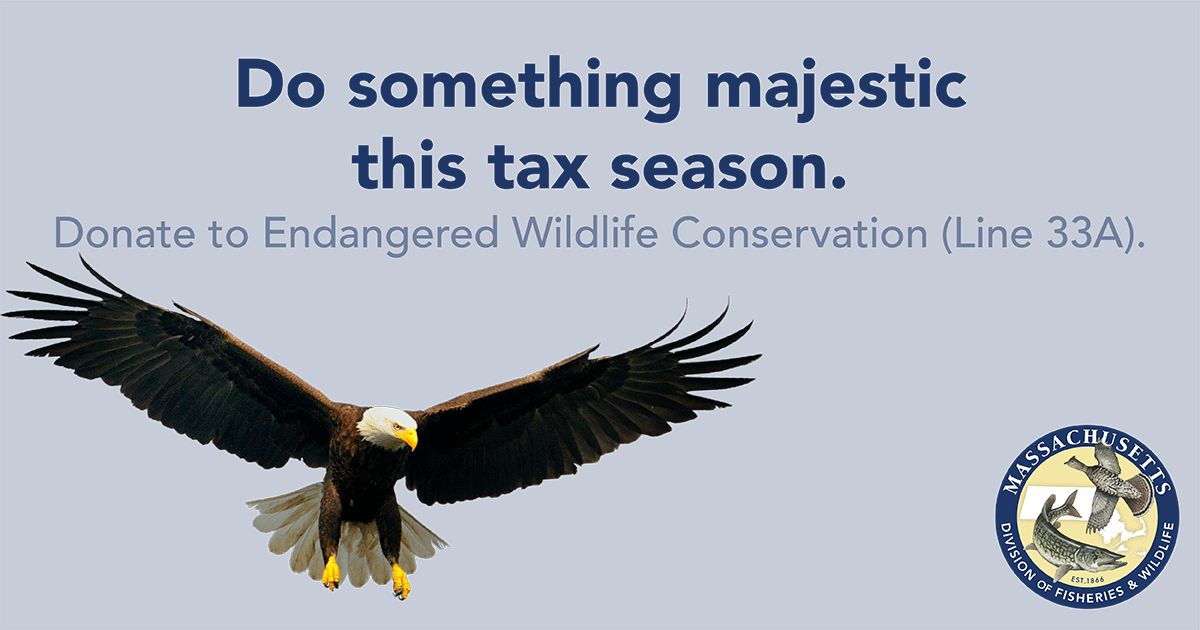
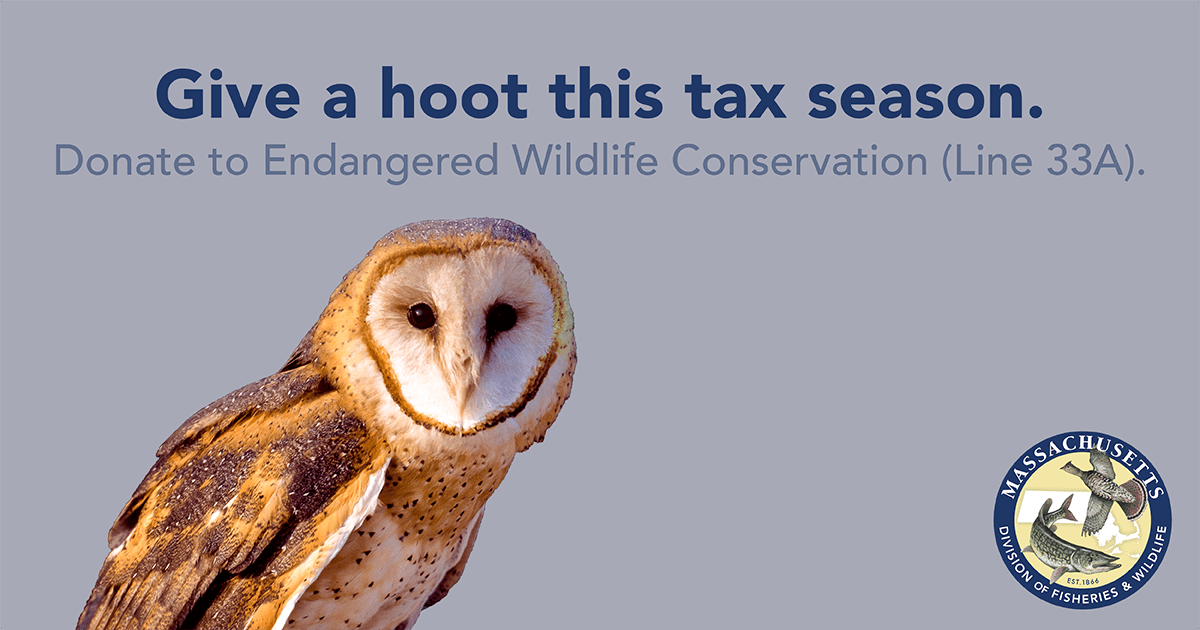
SUPPORT ENDANGERED SPECIES THIS TAX SEASON!

Support the Massachusetts Natural Heritage and Endangered Species Program!

The Natural Heritage & Endangered Species Program is responsible for the conservation and protection of hundreds of species that are not hunted, fished, trapped, or commercially harvested in the state, as well as the protection of the natural communities that make up their habitats.

*You can donate when filing your Massachusetts state income tax by entering an amount on Line 33a*: “Endangered Wildlife Conservation”.

A critical part of the funding equation for the MA Natural Heritage & Endangered Species Program are your voluntary contributions on your Massachusetts state income tax form.  If you care about the future of our wildlife and wild places here in Massachusetts, please contribute.

Good news!

Contributions and the number of contributors rose between 2015 and 2016! Total contributions rose from $ 209,886 in 2015 to $ 302,604 in 2016, an amazing gain of 44.1 %.  The number of contributors via the tax check off rose by 23.9 % to from 19,364 in 2015 to approximately 24,000 in 2016.Over the past year, contributions are up $ 92,718 on tax returns and about 4,600 more filers contributed.Additionally. other donations last year totaled $6,103.This represents a significant increase over levels of the last several decades.

There’s plenty of room for improvement, however. These numbers mean that of the approximately 3.3 million income tax filings in Massachusetts, only 0.7% made a contribution!

For additional details, see below.  You’ll also find additional ways to support NHESP’S efforts and some simple tips for spreading the word.

Your help is making a difference! Thank you for your support of this important program!

SUPPORT ENDANGERED SPECIES THIS TAX SEASON!2024-02-14T18:59:05-05:00

2018 BBC SCHOLARSHIP RECIPIENTS!


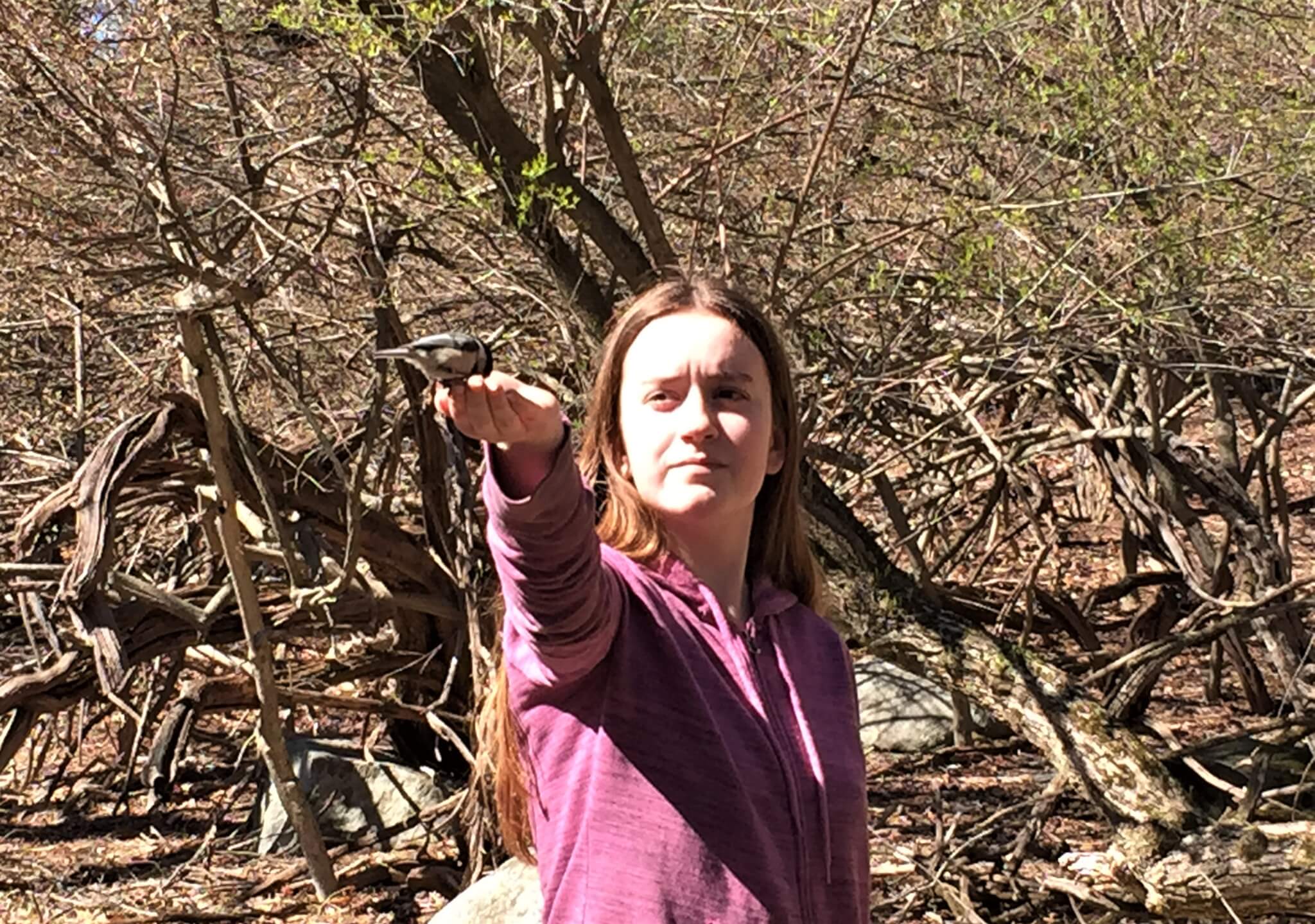
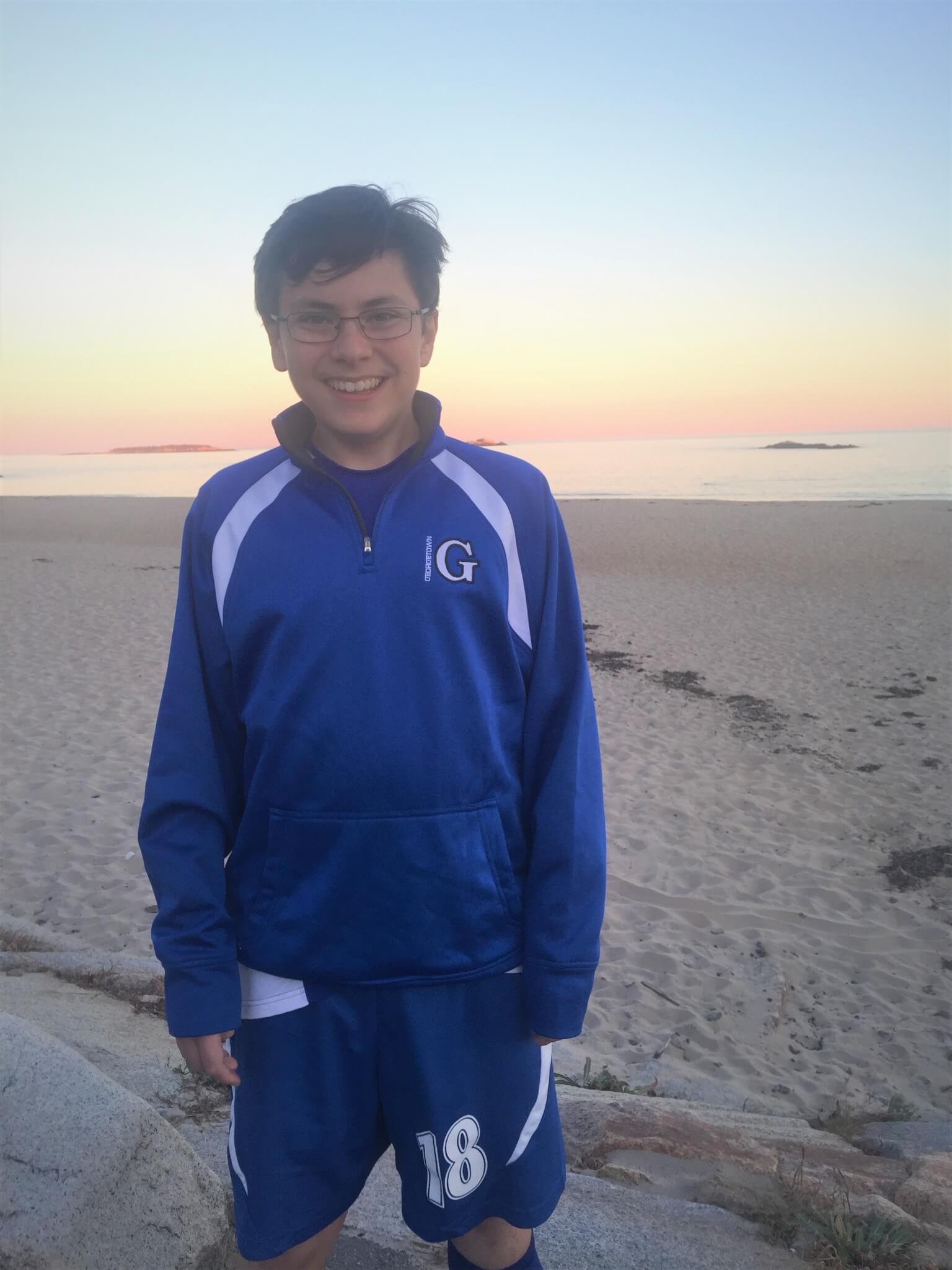
The BBC is pleased and proud to announce that our two annual Young Birder Scholarships have been awarded to Sam Mroz of Georgetown and Isabel Rasmussen of Peabody. These scholarships, instituted to nurture interest in bird study and conservation among young birders, will cover the full cost ($1395) of the Coastal Maine Bird Studies for Teens program at National Audubon’s Hog Island camp during the week of June 17-22, 2018. The Scholarship Evaluation Committee was impressed by the high quality of all the applications we received, and we thank all the applicants for their interest. Congratulations to Sam and Isabel!


Scholarships are supported through the generous donations of club members. To donate, you can designate an amount on the “BBC Young Birder Scholarship” line on the back page of the club bulletin when you renew your membership or, especially for life members, at any other time you might wish to donate. You can also donate online by clicking the Donate link on the BBC home page and entering an amount in the box for “Young Birder Scholarship.”


2018 BBC SCHOLARSHIP RECIPIENTS!2018-03-08T14:14:20-05:00

WONDERING HOW TO SUPPORT NEW BIRDERS?–BBC BOOK FUND

Brookline Bird Club Book Fund

Wondering how to help support new birders?

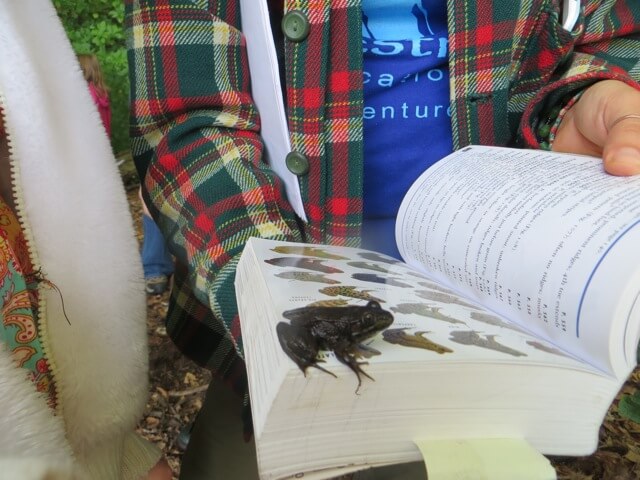
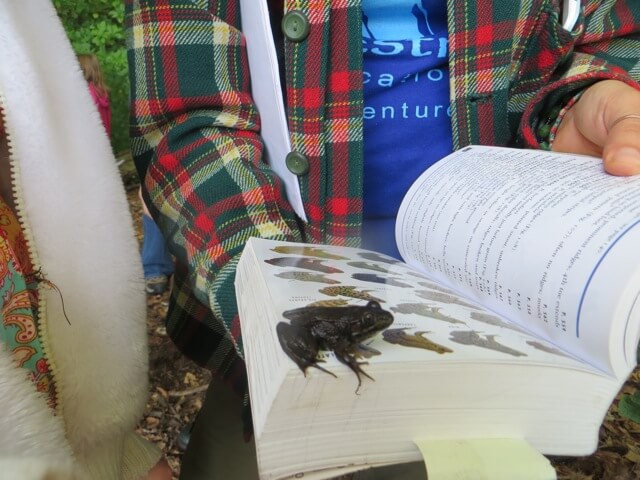
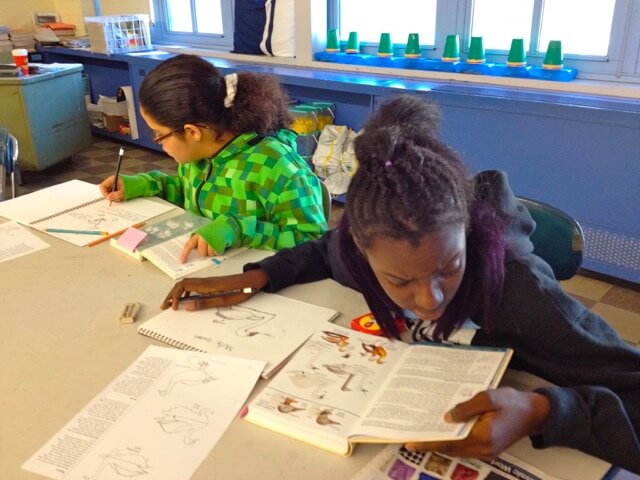
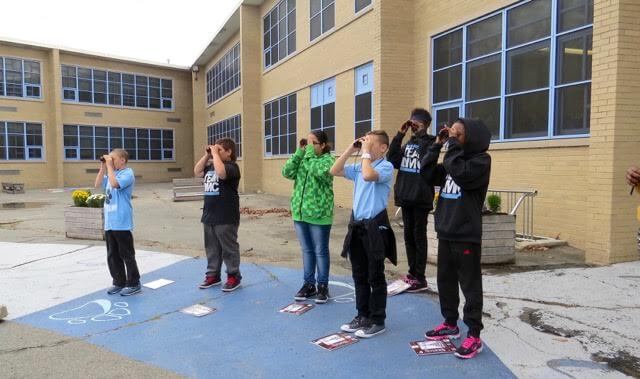
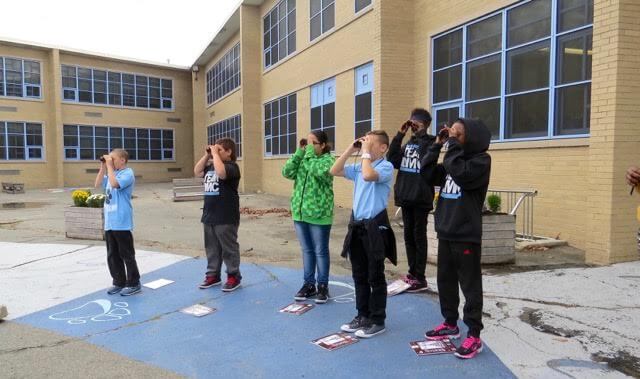
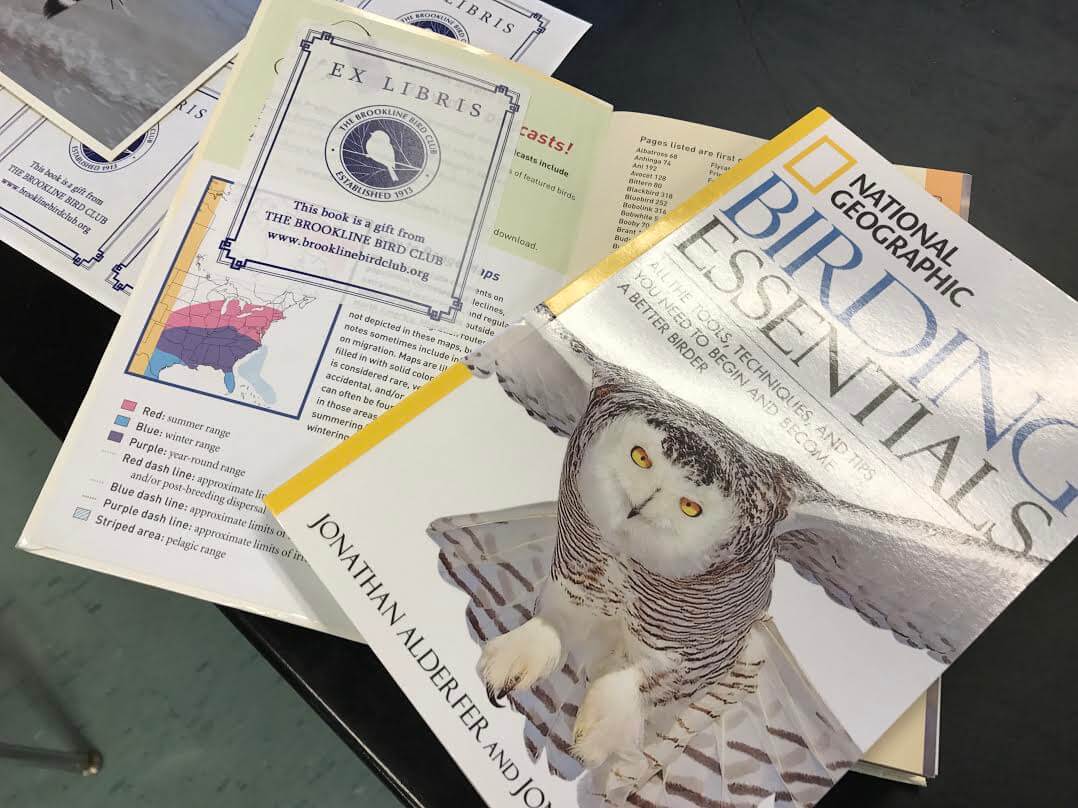
The BBC Book Fund was established to donate books and other educational materials to promote bird and nature education for K-12 students throughout Massachusetts. In the past few years the Book Fund has made donations to Kestrel Educational Adventures on Cape Ann, the Murkland Elementary School in Lowell, a Citizen Schools program in Boston, the Albert F. Argenziano School (PK-8) school in Somerville, and a birding club at Triton Regional High School in Newbury.

If you want to apply for a Book Fund donation, or if you know of specific teachers, schools, or educational programs that might be interested, please contact BBC Conservation Education Chair John Nelson  jnelson@northshore.edu

If  you’re an educator seeking funding support or simply wondering where to contribute, please visit our website at https://brooklinebirdclub.org/school-book-fund/


WONDERING HOW TO SUPPORT NEW BIRDERS?–BBC BOOK FUND2024-02-14T18:59:09-05:00

TIME TO RENEW YOUR BBC MEMBERSHIP!

If you haven’t done so yet, now is the time renew your BBC membership. If you are presently a member and want to renew your membership, login first, and then you can either renew online using PayPal or download and then print out a membership form and send it to our Membership secretary at:

Judith Hepburn

PO Box 107

Waban, MA   02468

Thank you for your support!

TIME TO RENEW YOUR BBC MEMBERSHIP!2018-03-08T14:14:35-05:00

SNOWY OWLS!

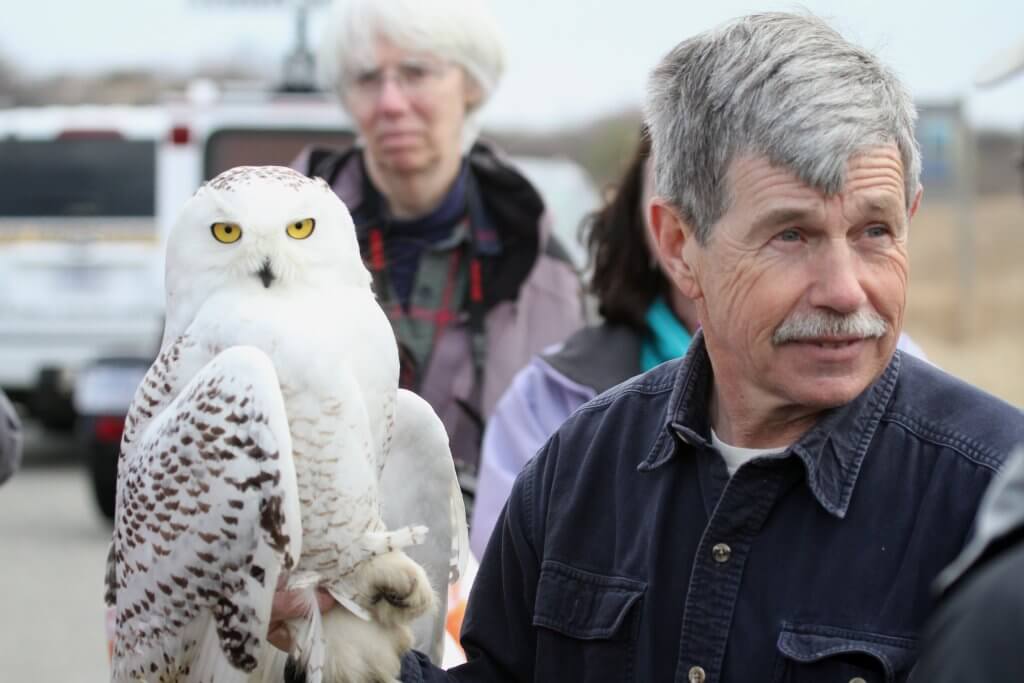
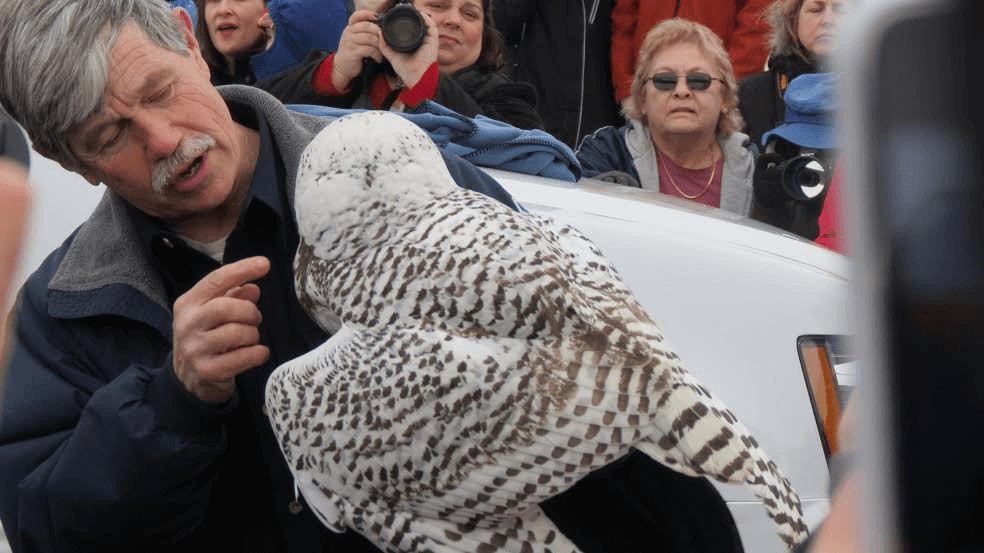
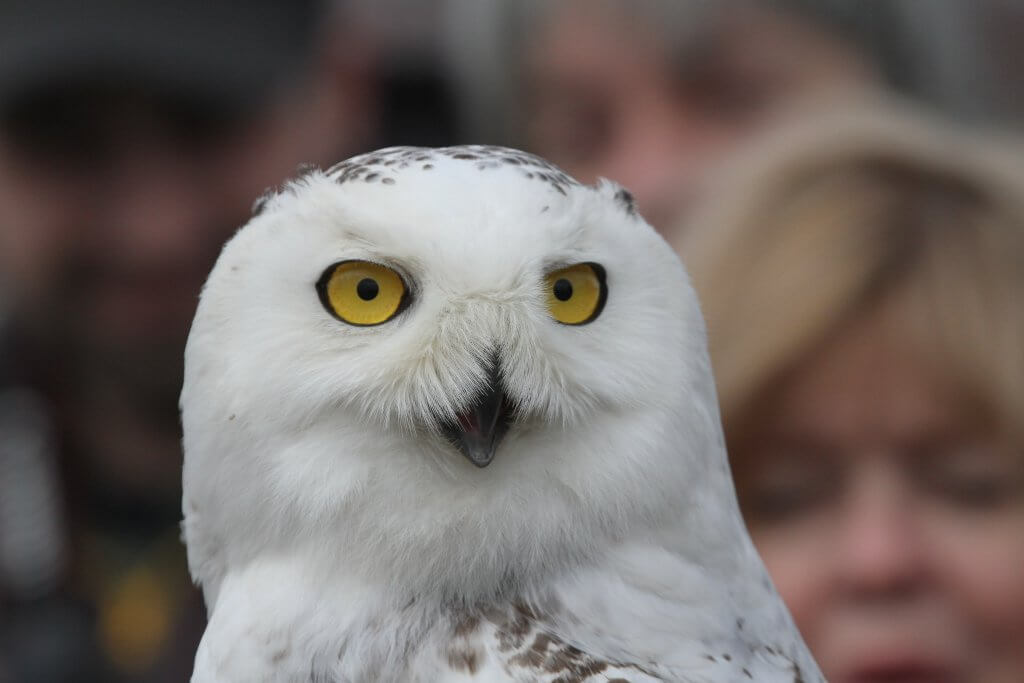
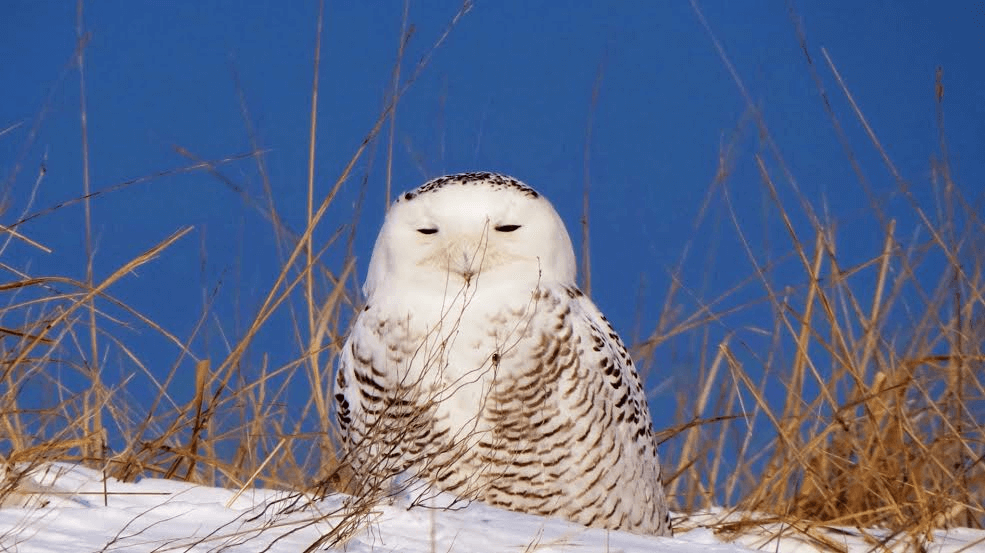
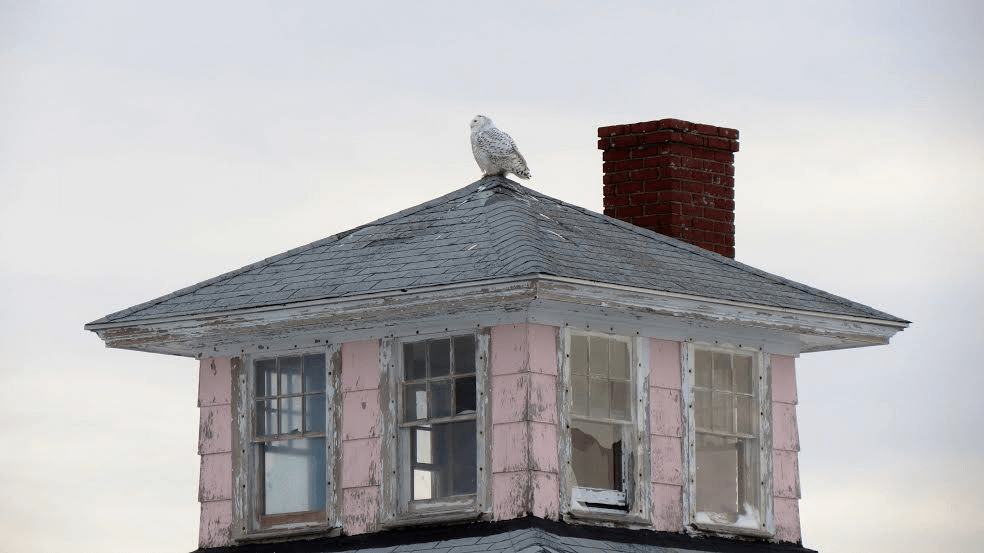
Could we be in for another Snowy Owl irruption?  There have been numerous sightings of Snowy Owls throughout the Northeast including many in Massachusetts.  The BBC Conservation/Education committee has made a donation to MA Audubon’s Snowy Owl Project run by Norman Smith since 1981.   Norman Smith, Director of Mass Audubon’s Blue Hills Trailside Museum, has been studying Snowy Owls since 1981. As part of his research, he attaches bands and transmitters to Snowy Owls at Boston Logan International Airport, and then tracks their travels.

MA Audubon is a partner of Project SNOWstorm which is a collaboration between dozens of scientists and organizations.  It was formed in the wake of the historic Snowy Owl irruption of 2013-14, and continues to expand their study of the ecology of wintering Snowy Owls.  Cooperating researchers capture and place a solar powered transmitter on the owl using kind of a backpack harness.  The researcher’s are then able to track the movements of these birds.

Come join the BBC on one of our many walks this winter.  Who knows, maybe there will be a Snowy Owl sighting!


SNOWY OWLS!2018-03-08T14:14:50-05:00

Winter Birding on Cape Ann

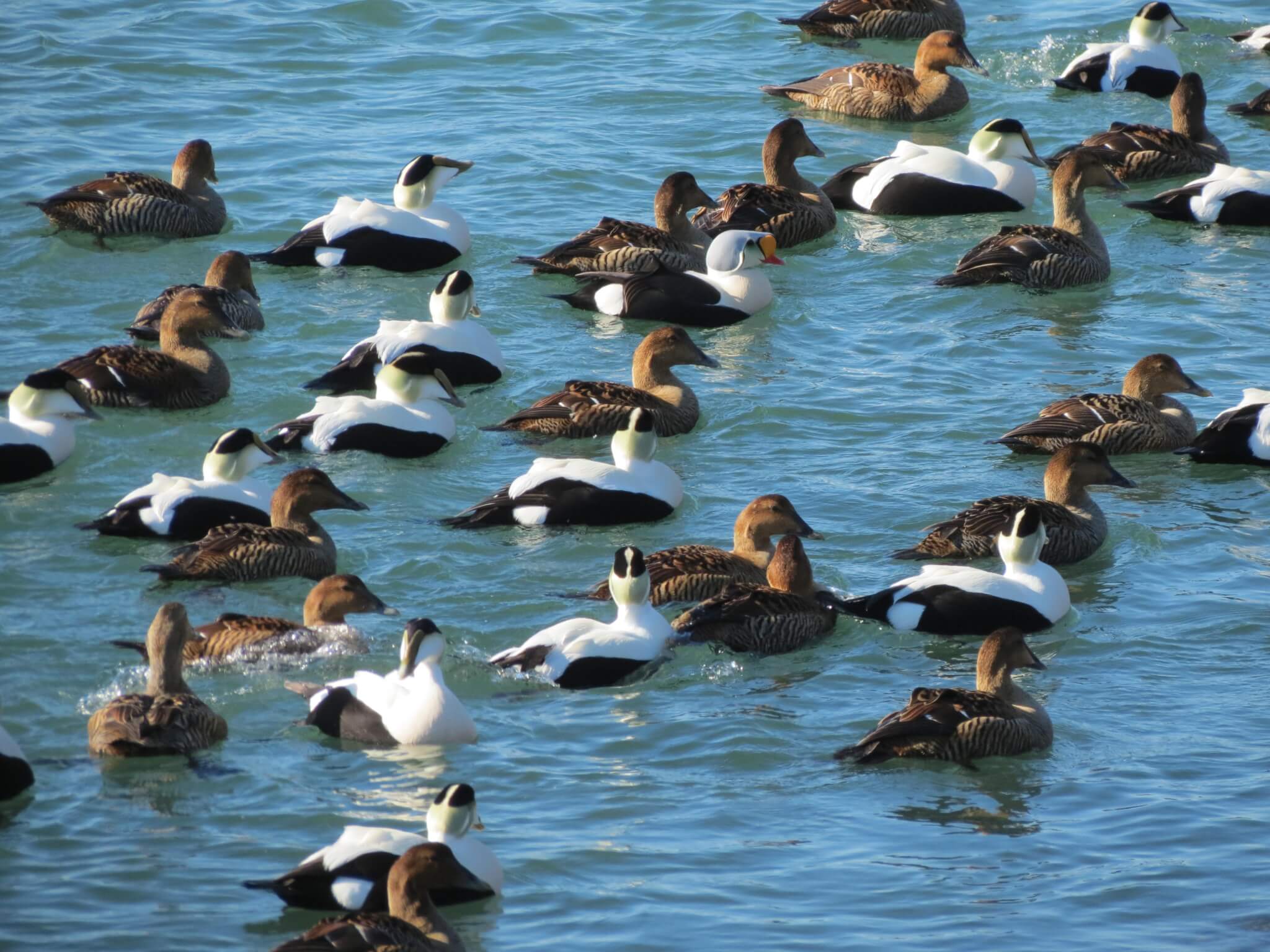
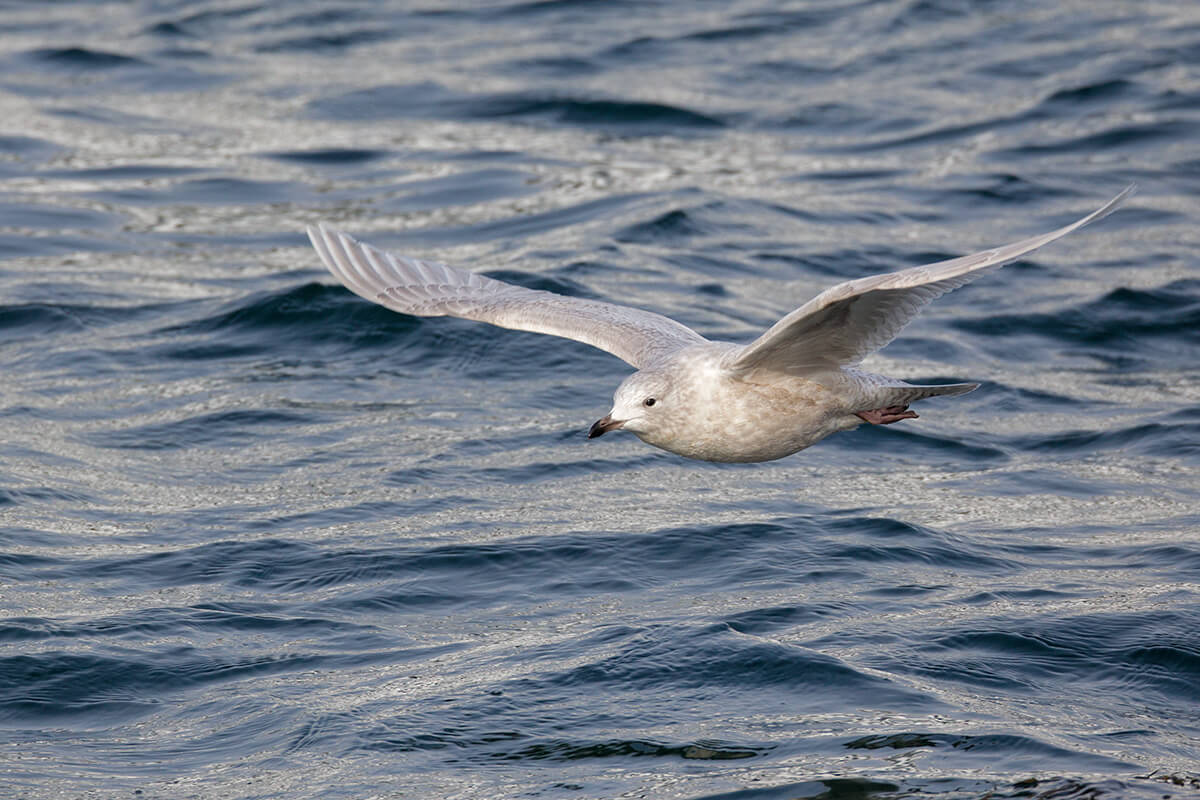
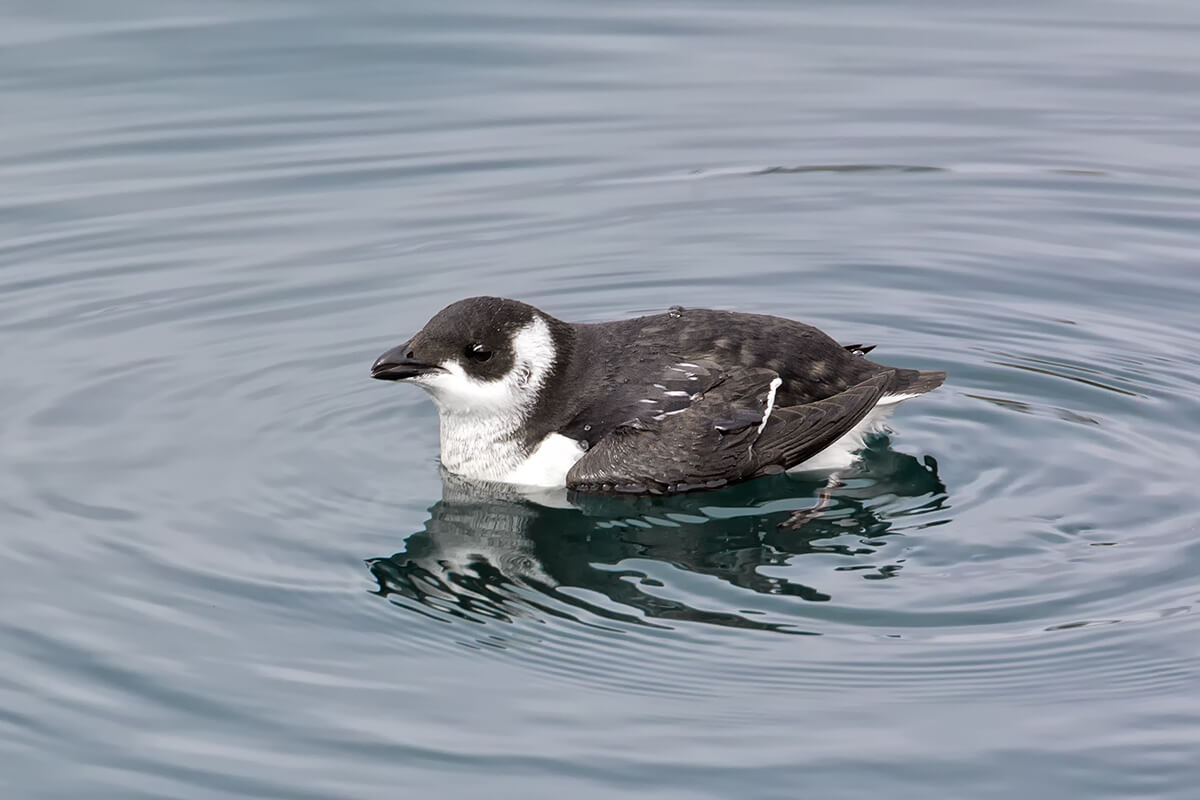
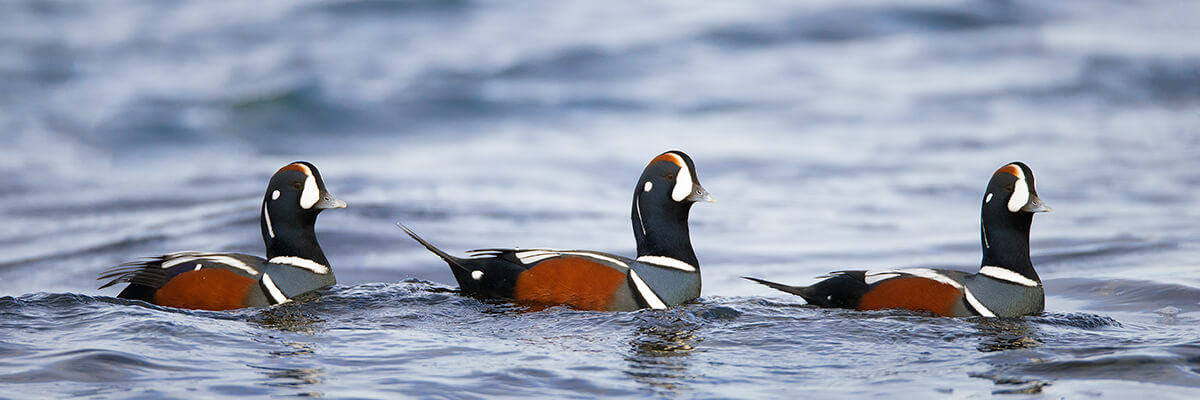
About once a week, from November into March, the BBC offers field trips to Gloucester and/or Rockport on Cape Ann, one of the Northeast’s prime destinations for winter birding. The main attractions are seabirds: waterfowl, alcids, and gulls. On a given day, we usually find 15 to 20 species of ducks and geese, with a possibility of a stunning King Eider and the virtual certainty of Harlequin Duck, a risk-prone, fantastical beauty fond of rough water and one of only three torrent-feeding ducks in the world. Six alcids are possible, from the probable Razorbill and Black Guillemot to the very scarce Atlantic Puffin. But it’s gulls, especially rare ones, that focus many birders’ attention on Cape Ann. You’ll have an excellent chance to see an Iceland (at the southern end of its winter range) and a fair chance at the imposing Glaucous, while various other scarce to rare gulls have been found on BBC trips, including Black-headed, Slaty-backed, and Ivory. It takes great luck to find the rarer gulls, but we keep scoping, hoping, and searching.

One standard BBC route begins at the famed bronze statue of the Man at the Wheel, dedicated in 1923 as a memorial to those who have “gone down to the sea in ships.” Here you’re looking out at Gloucester’s outer harbor—a scene often painted by local artists like Homer Winslow and Fitzhenry Lane–with Ten Pound Island in the foreground, Dog Bar Breakwater further out, and the Boston skyline in the distance. It’s a good spot for the more common local ducks like Red-breasted Merganser, Bufflehead, Common Goldeneye, and, near Stage Fort Park, one or both scaup species.

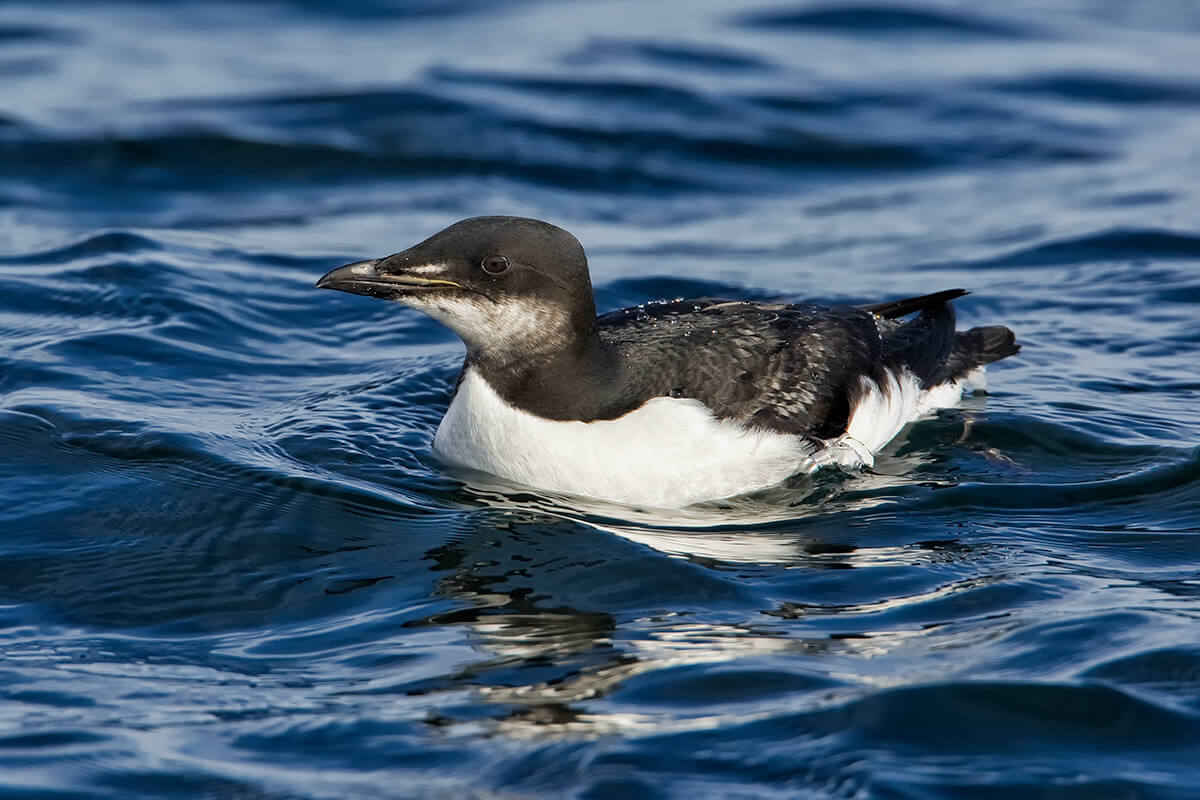
Jodrey State Fish Pier, in Gloucester’s inner harbor, is gull headquarters. From the end of the pier, BBC groups carefully scan the whole area—water, pilings, warehouse rooftops—for Iceland and Glaucous Gulls (or a rarer gull), ducks, grebes, Common Loons, and uncommon alcids like Dovekie and Thick-billed Murre. We also scope the City Hall tower, where two Peregrine Falcons spend their winters. Across the water on Rocky Neck Avenue, we sometimes scope the inner harbor from a different angle or, by crossing the street, scan Ten Pound Island and the outer harbor from a fresh vantage point.

Niles Beach, at the entrance to Eastern Point, is a good place to look for Horned and Red-necked Grebes, all three scoters, Long-tailed Ducks, and distant Black Guillemots. The tip of Eastern Point—the lighthouse, Coast Guard station, and breakwater–offers another chance for the same birds, along with gulls, Gadwall, and Purple Sandpipers, which often feed at the rocky tip of the seawall. We always check Niles Pond, which is alternate gull headquarters, even when frozen over. The Slaty-backed found here in January 2008, along with Lesser Black-backs, were all identifiable in part because they were standing on ice, with leg color easily visible. Open water may draw ducks like Ring-necked, Ruddy, the occasional Redhead or Canvasback, or a wintering Great Blue Heron.

Bass Rocks, or the Back Shore of Gloucester, a long stretch of rocks with an open view of the Atlantic and the twin lights on Thacher Island, is another fine area for guillemots, scoters, goldeneyes, grebes, Common and Red-throated Loons, Great Cormorants drying out on offshore rocks, Purple Sandpipers on the rocky shore, and especially King Eider, sometimes found directly out from the Elks Club parking lot. Note: if you’re scoping for a black-backed King Eider, you’re more likely to confuse it with a Greater Black-backed gull than the locally abundant Common Eider. In recent years we’ve sometimes found King Eider around the north end of Good Harbor Beach, just up the coast. At the beach parking lot, we often check for Horned Larks, Snow Buntings, the occasional Lapland Longspur, and sparrows in the thickets.

Cape Ann’s most distinctive geological feature, a granite outcrop jutting into the Atlantic, is called the Rockport Headlands, a collective term for Halibut Point, Andrews Point, and Cathedral Ledge. This is usually the last stop on the BBC loop, though we may come early on mornings when offshore winds drive seabirds close to shore. It’s a prime spot for tremendous views of Harlequins, and the best place on the Cape to scope for alcids like Razorbills and murres along with plunging Northern Gannets, Black-legged Kittiwakes, loons—Pacific with great luck–grebes, various ducks, and Purple Sandpipers. On trips to the 70 acres of Halibut Point State Park, BBC groups check heathland and woodlots for uncommon/irruptive landbirds like Bohemian Waxwing, Yellow-breasted Chat, Northern Shrike, and vagrant flycatchers.

On all-day winter trips, BBC groups might also visit the Rockport coves, like Folly and Loblolly, or the stretch from Plum Cove to Hodgkins Cove in Gloucester, the best place in recent years to try for Barrow’s Goldeneye. In other seasons BBC trips explore Eastern Point for spring migrants and visit Coolidge Point in Manchester for the evening spectacle of egrets, herons, and ibises returning to their roosts on Kettle Island.

Cape Ann is a place of great natural beauty. Here ocean meets rock, shaping coves, inlets, promontories, and crenulations, along with ledges and rocky islands and a wealth of birds that breed and feed in these places. The Cape also has a fascinating cultural history. At Cathedral Ledge you’ll stand where Ralph Waldo Emerson once stood, by the veranda of the Emerson Inn, and look out toward the Dry Salvages, the treacherous rocks described by T. S. Eliot in The Four Quarters. Emerson and Eliot spent their summers here, but missed out on the pleasures of Cape Ann winter birding: the birds, the crisp air, the plucky camaraderie of BBC groups braving cold or wind to find seabirds. Foul weather, local birders say, often brings great fowl. Bundle up.

text by John Nelson

King eider photo by Dave Williams

Other photos used with permission by Christopher N. Ciccone
Christopher Ciccone Nature Photography
www.cicconephoto.com


Winter Birding on Cape Ann2017-11-21T17:16:28-05:00

SCHOLARSHIPS FOR YOUNG BIRDERS

The BBC is pleased to announce that we will again offer two Young Birder Scholarships
to nurture interest in bird study and conservation among young birders. The 2018 scholarships
will cover the full cost ($1,345) of the Coastal Maine Bird Studies for Teens program at National
Audubon’s Hog Island camp on June 17-22, 2018. The cost includes housing, boat travel, and all
meals. Scholarship recipients will be responsible for transportation costs to and from the camp.

Applicants must be New England residents, ages 14-17, and must submit a written
application and two letters of reference. Preference will be given to applicants with individual or
family BBC memberships. To be considered a member, an applicant may join the club at the
time of application.

Completed applications and references must be received by the BBC by January 15,
2018. Selection and notification of recipients will be completed by February 16, 2018. You can
click on these links to read the application instructions and download an application form:

Scholarships are supported through the generous donations of club members. To donate,
you can designate an amount on the “BBC Young Birder Scholarship” line on the back page of
the club bulletin when you renew your membership or, especially for life members, at any other
time you might wish to donate. You can donate online by clicking the Join link on the BBC
home page and entering an amount in the box for “Additional Donation for the Young Birder
Scholarship.”

SCHOLARSHIPS FOR YOUNG BIRDERS2024-02-14T18:59:17-05:00

BBC SCHOOL BOOK FUND DONATION!

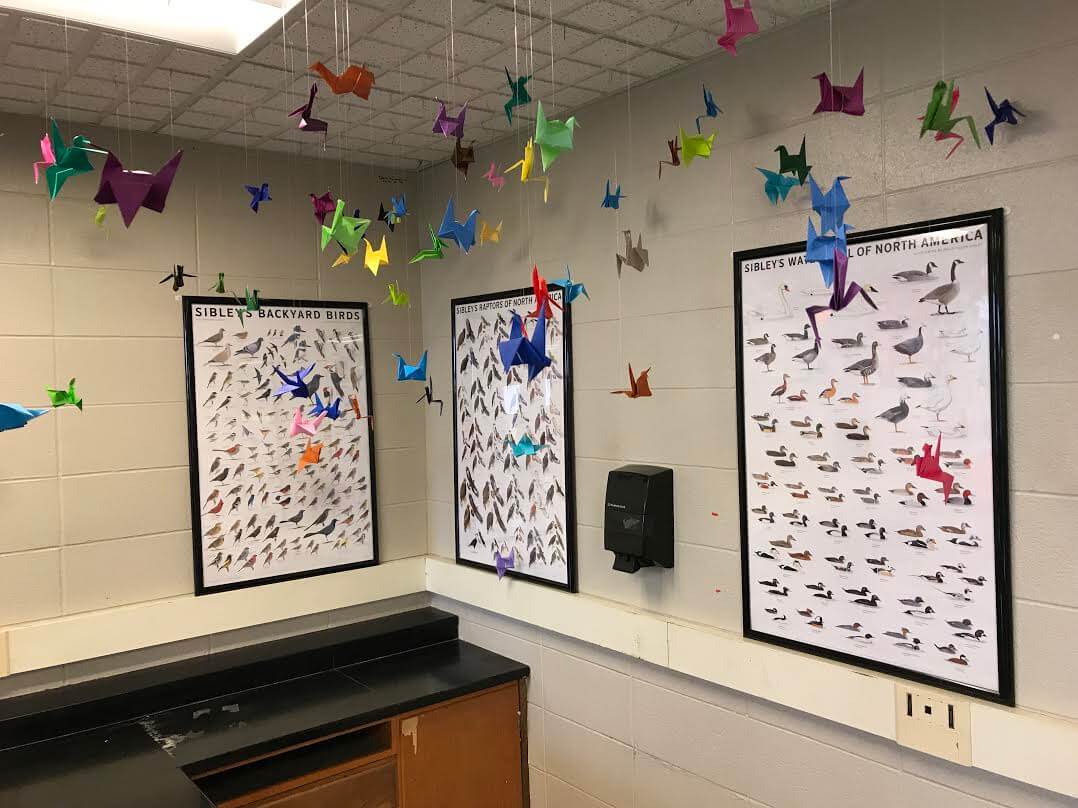
The most recent BBC school book fund donation went to Triton Regional High School, where environmental science teacher Tom Horsley uses donated books and wall posters to teach bird identification in his classes and to help students in their field excursions, as part of an after-school birding program. Thanks to Tom for his efforts to instill a love of birds in his students.

BBC SCHOOL BOOK FUND DONATION!2017-11-02T11:22:21-04:00
Go to Top